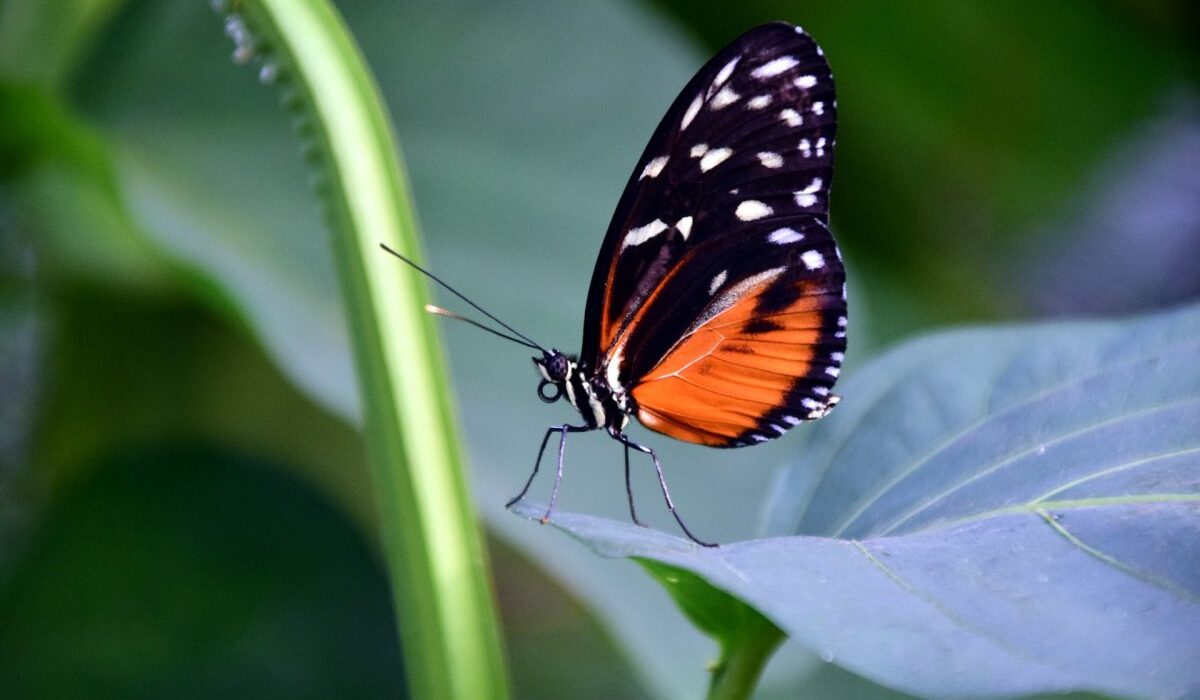
Chrysalis Chamber
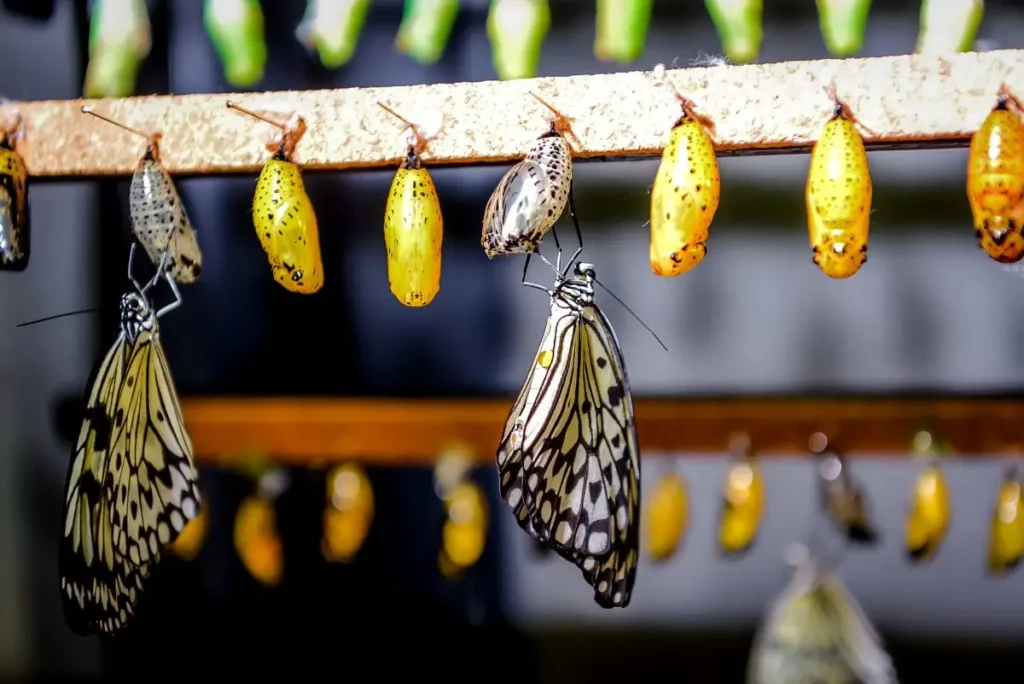
Watch butterflies emerge from their chrysalises in real time in this intimate viewing gallery.
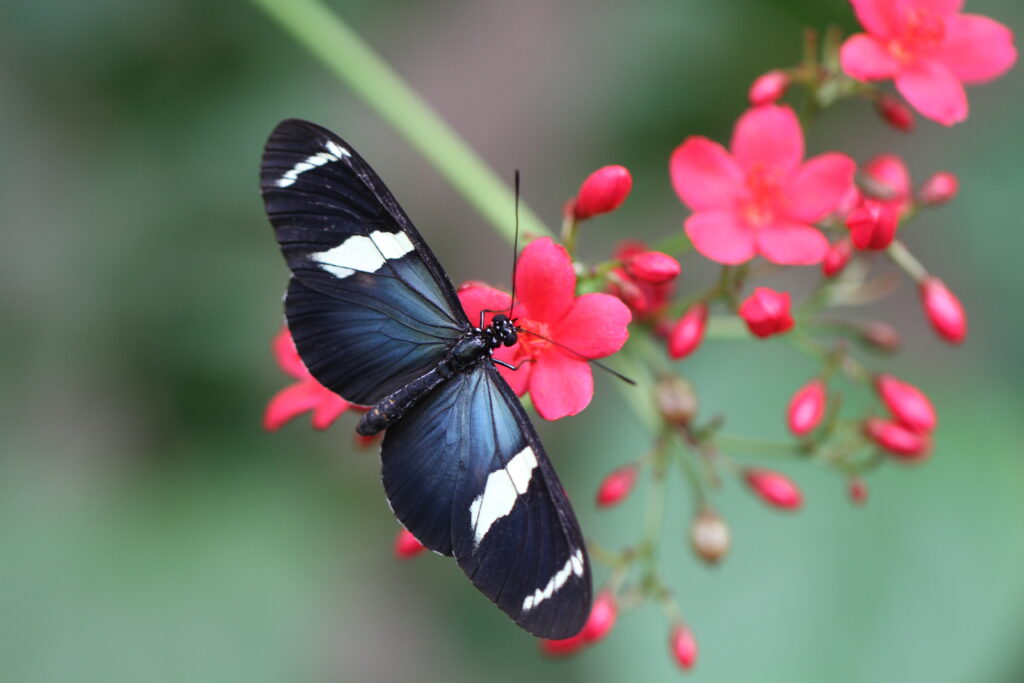
Frolic with 1,600 free-flying tropical butterflies in Wings of the Tropics, dive into the wonder of coral reefs and other ocean invertebrates in Water's Edge, and explore the unique and diverse invertebrate habitats that exist here in Colorado.
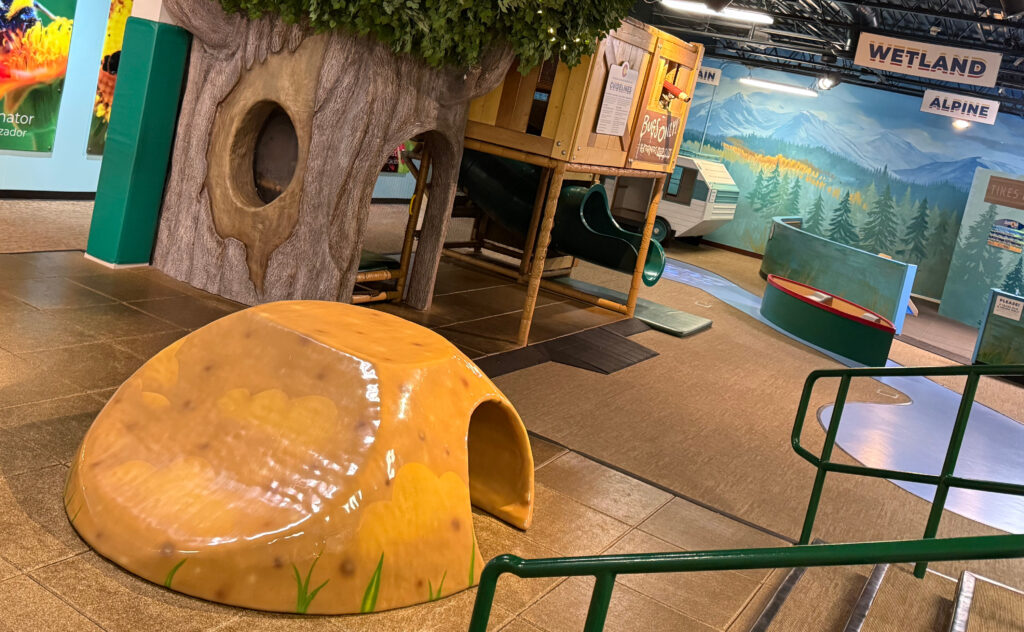
Butterfly Pavilion features five exhibit areas including four indoor exhibit halls and outdoor gardens and nature trails. Each exhibit features a unique touch experience, live animals, interpretation by our talented exhibit staff and interactive technology that explores science and conservation topics.
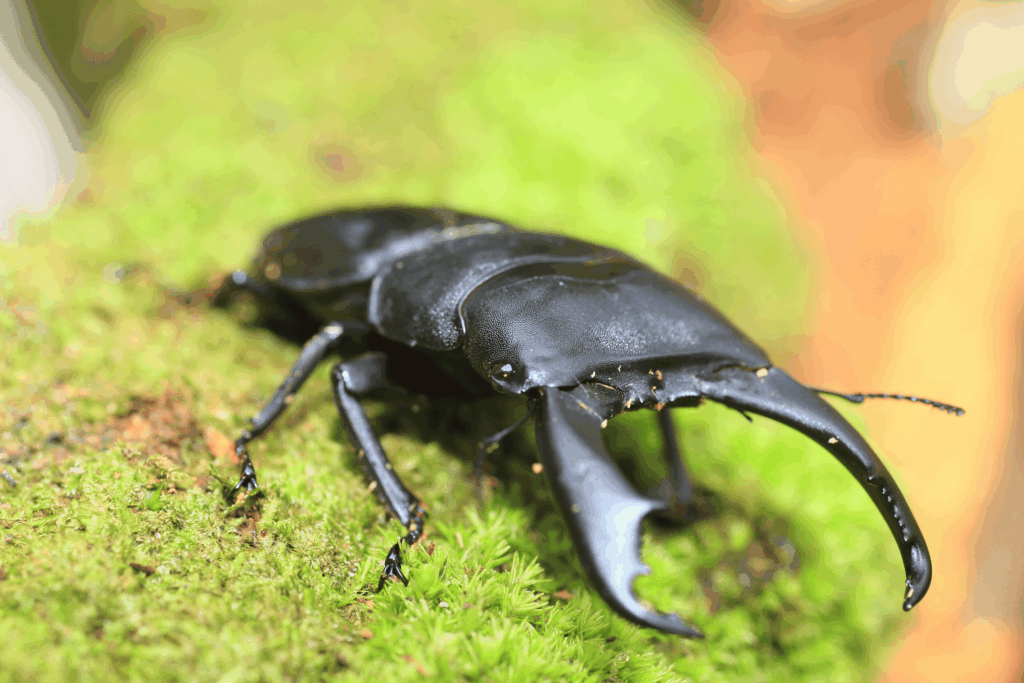
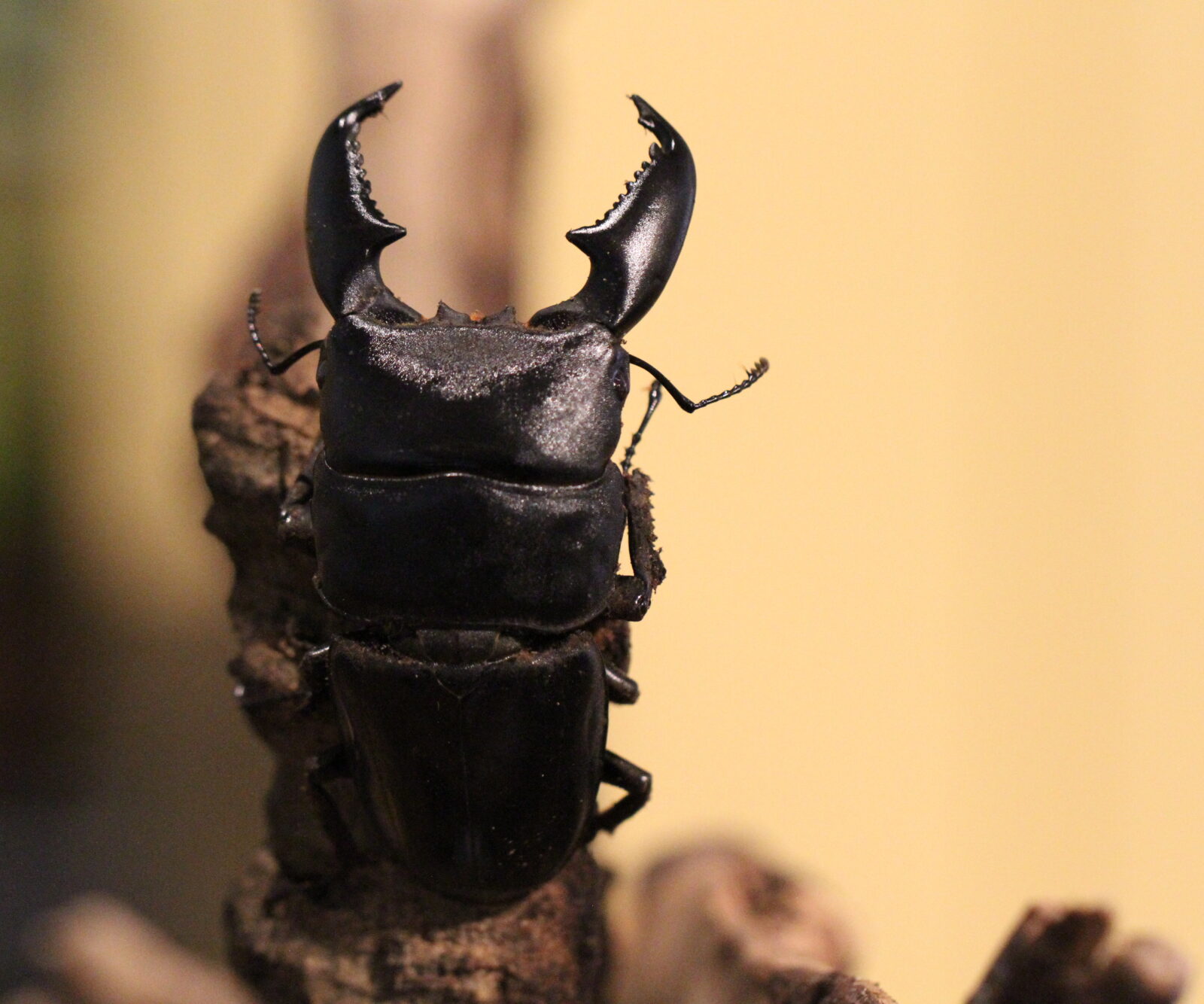
Despite its name, the Dorcus beetle is actually a very fascinating insect! Known for its bold black color, males use their large mandibles to fight rival males for territory and mating rights with females.
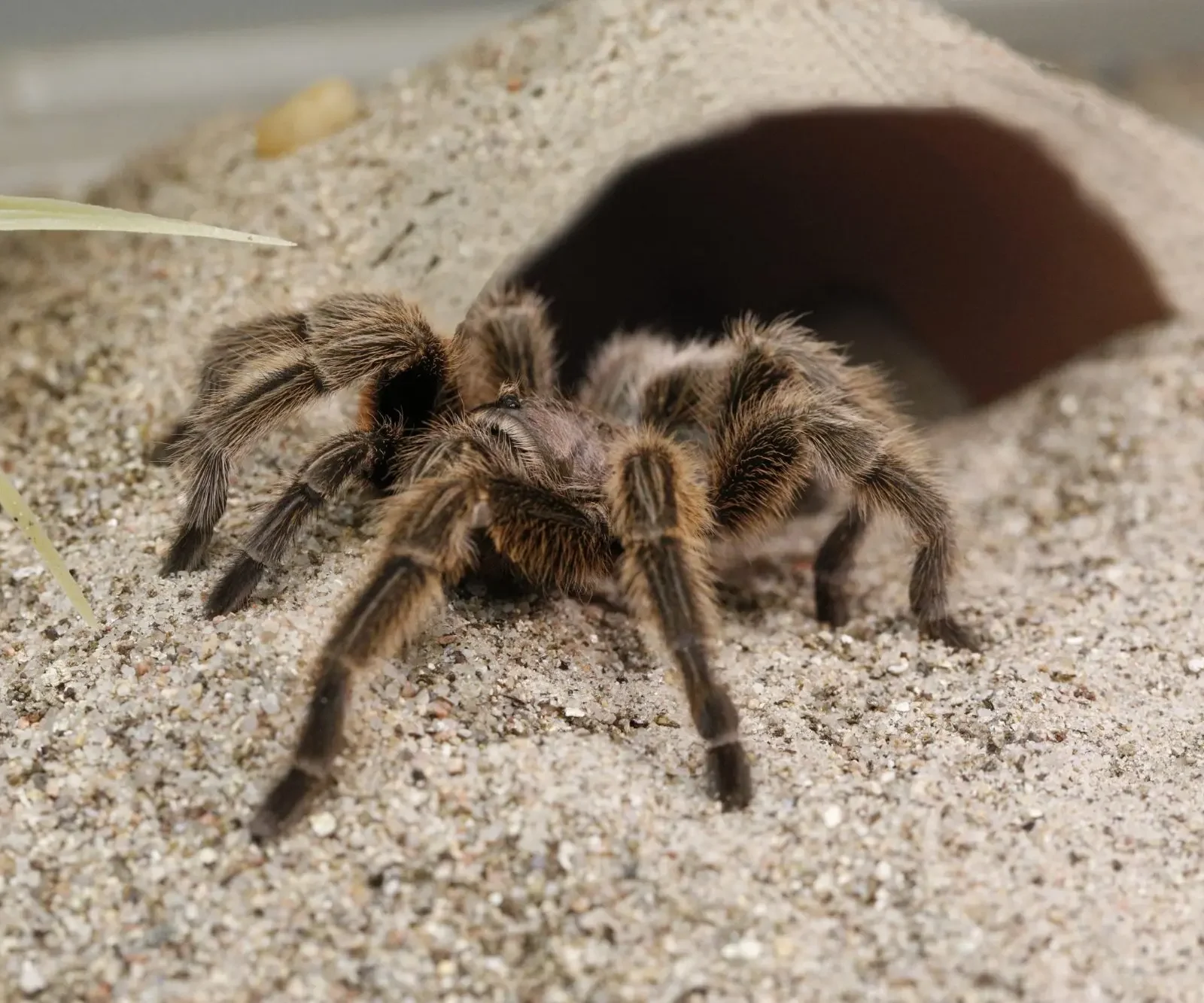
Rosie is our beloved Chilean Rose Hair Tarantula and a favorite among young visitors. Females can live up to 30 years, spending most of their lives in underground burrows to stay cool in the harsh desert heat!
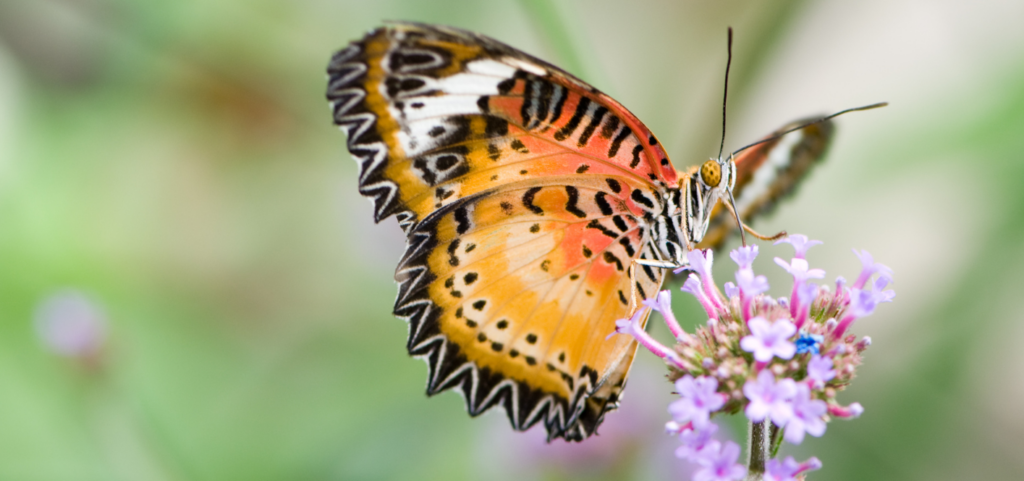
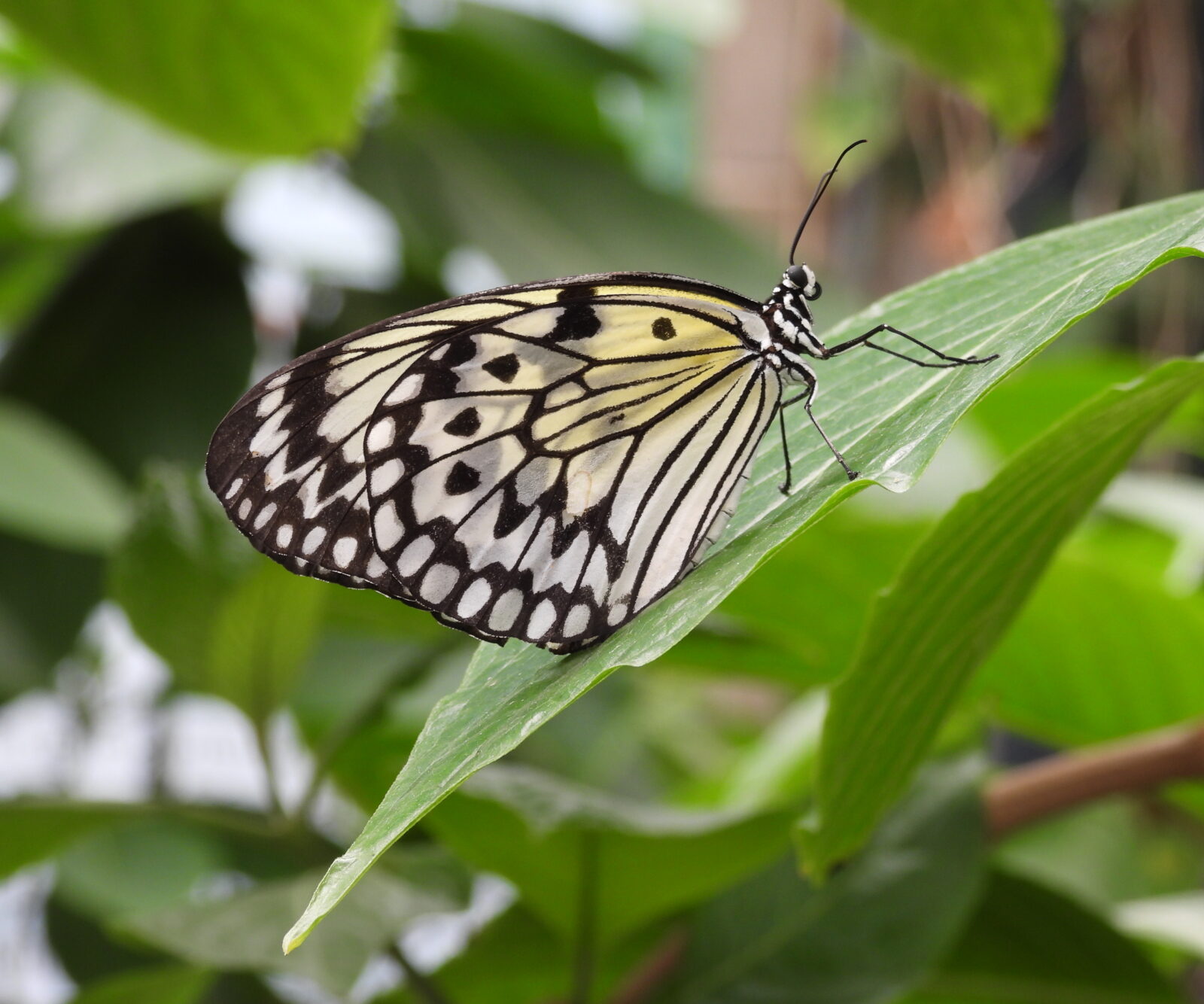
The paper kite butterfly is a common species at Butterfly Pavilion. You can identify it by its translucent, silvery-white wings with black spots and a wingspan of 12 to 14 cm.
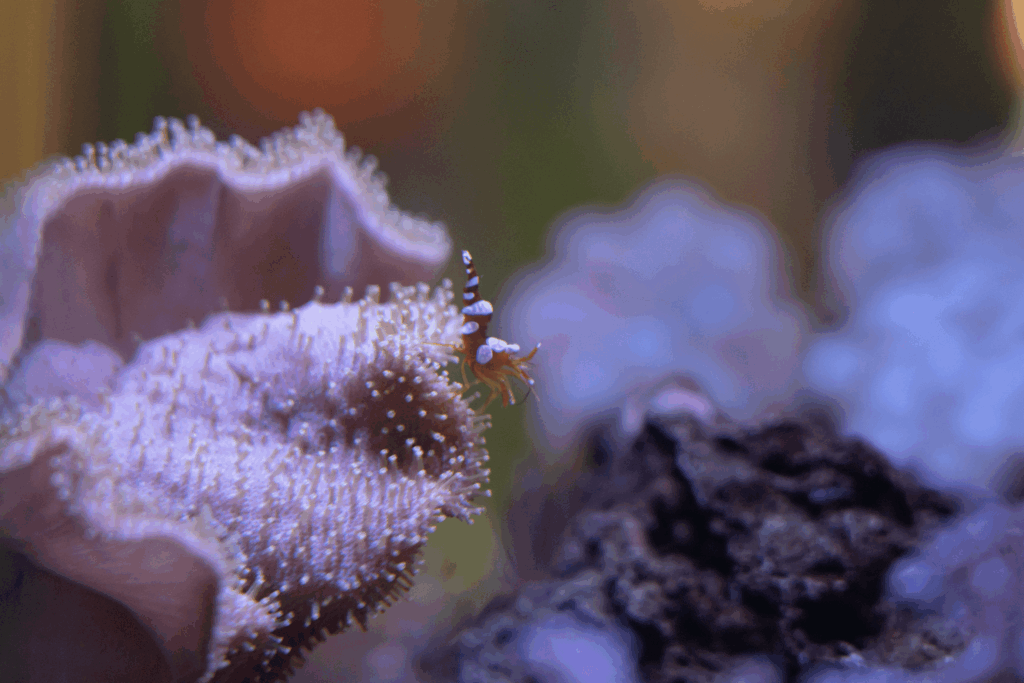
Known for their raised tails and swaying body movements, Sexy Shrimp are named for the dance-like motions they use to communicate with nearby shrimp. They also form close relationships with sea anemones, living safely among their stinging tentacles in exchange for helping keep them clean.
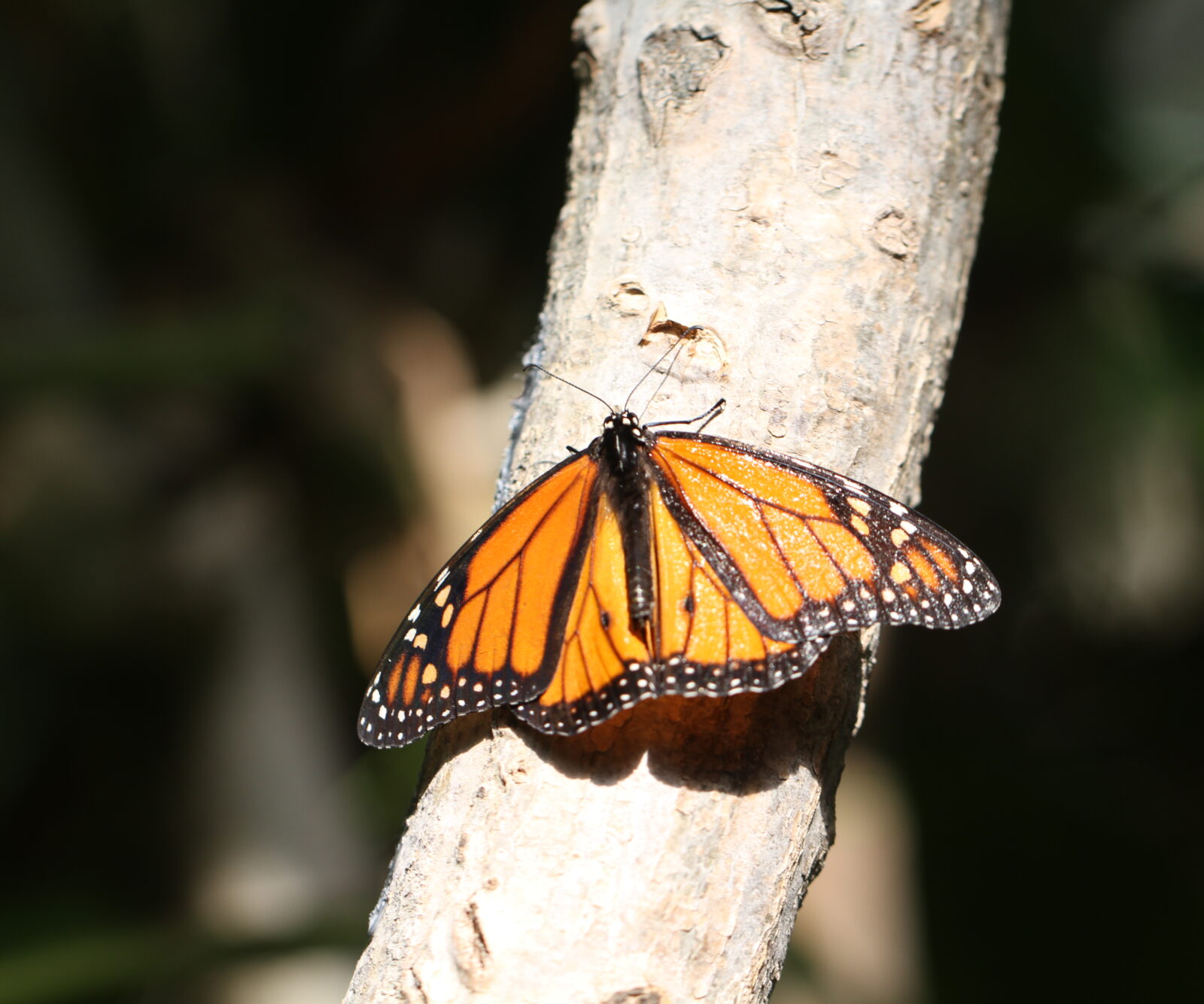
Famous for their annual migration, monarch butterflies are known to travel up to 3,000 miles across North America to Mexico each winter. They play a vital role in ecosystem health by pollinating plants along the way!
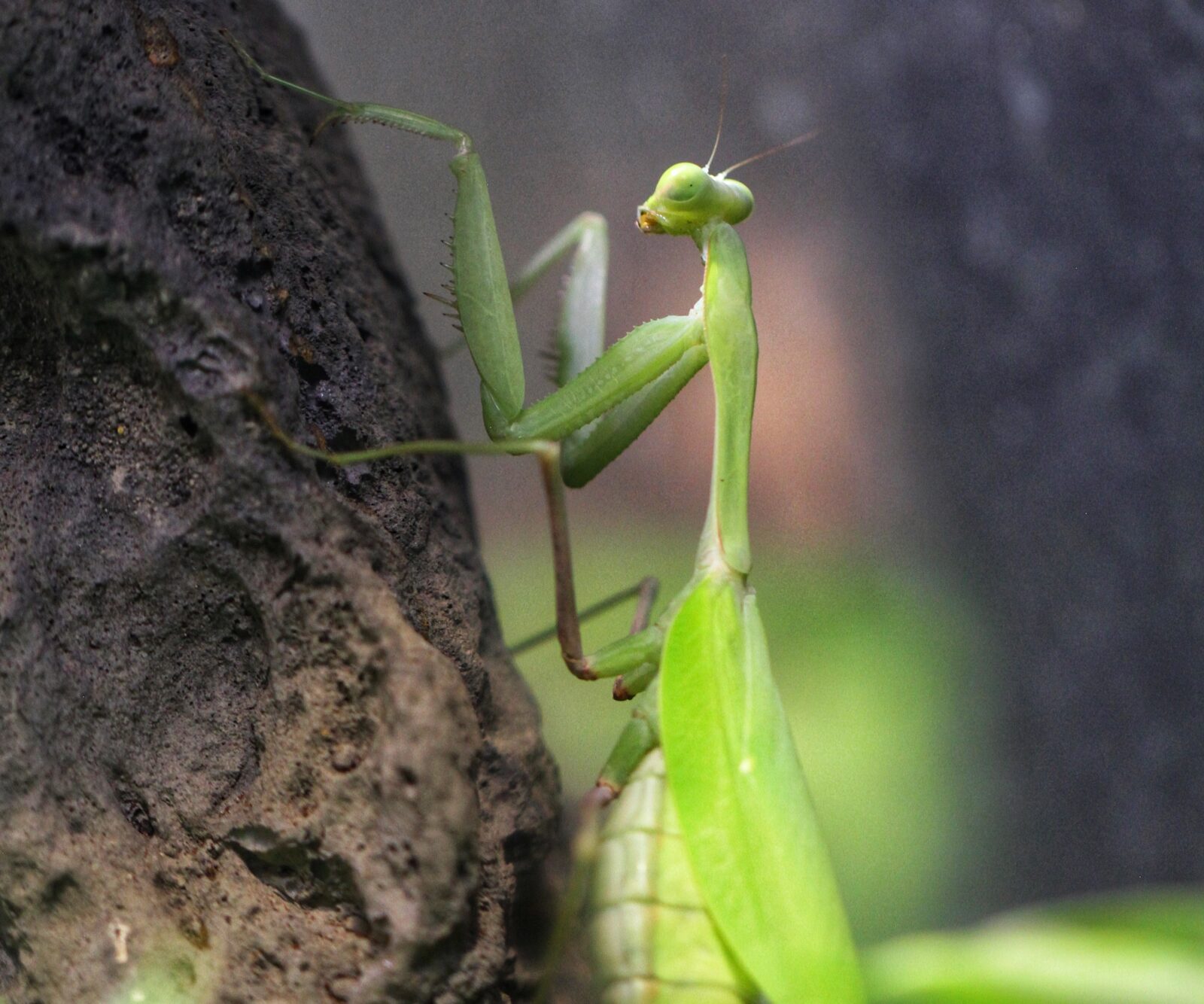
Famous for its bright green coloration, this mantis is native to tropical rainforests. While most mantises are ambush predators, this species is an active and fearless hunter, using lightning-fast reflexes to chase down prey such as crickets, locusts, and even cockroaches up to half its size.
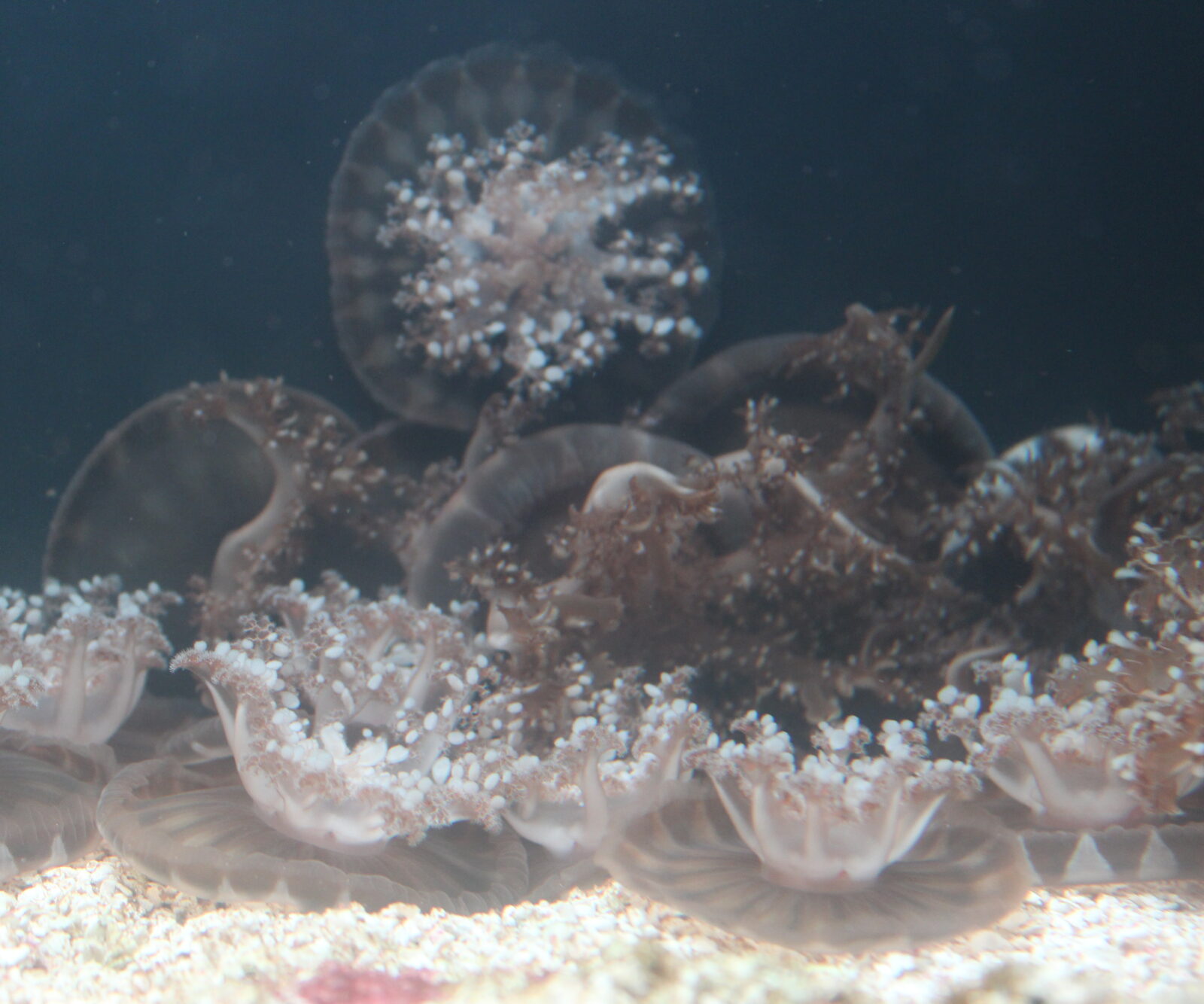
Upside-down jellyfish get their name because they live off the byproducts of algae that photosynthesize as they rest upside down, exposing the algae to sunlight. They often live in groups, resting together on the seafloor.
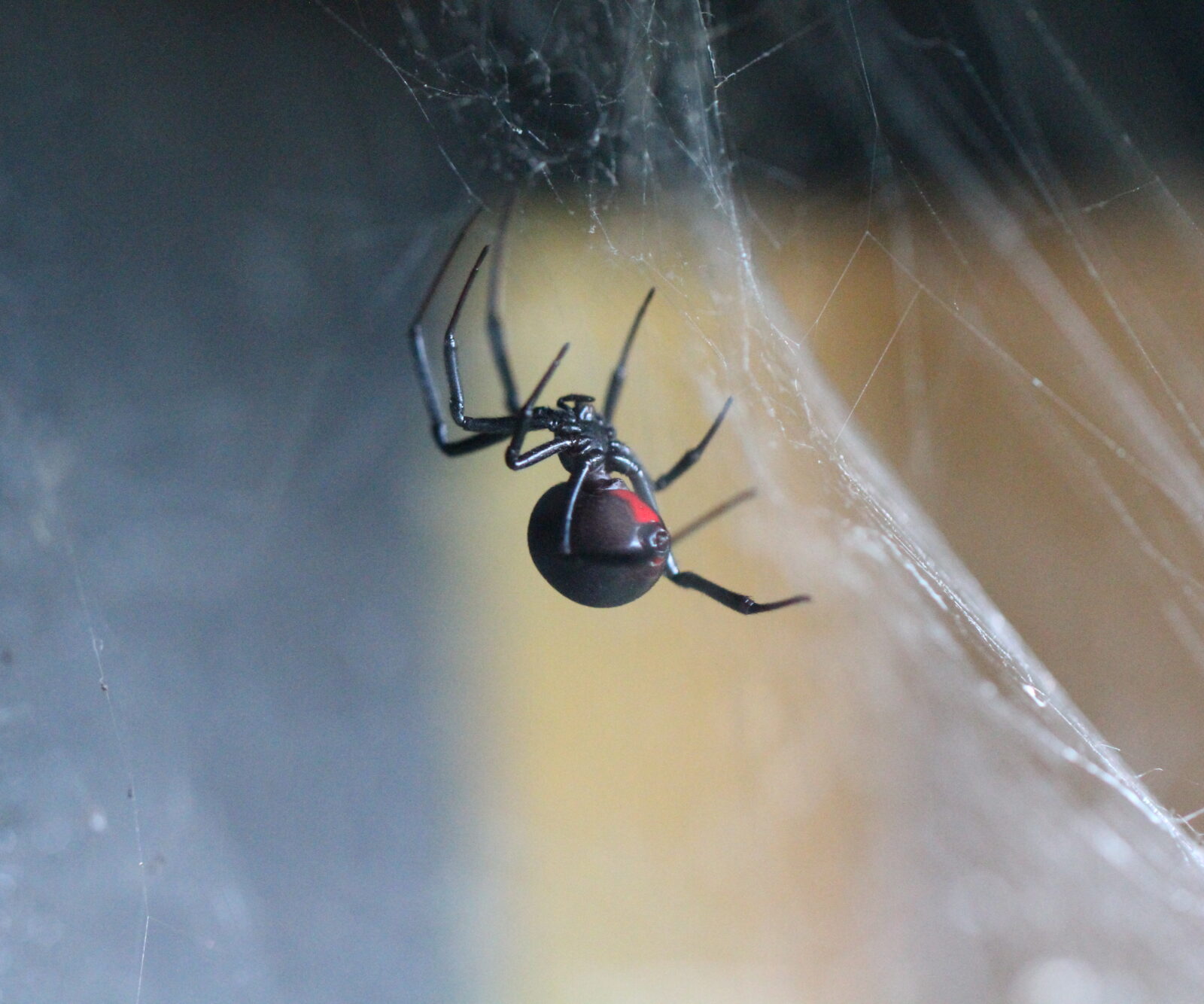
Black widows are much more likely to avoid you than harm you. Females are recognized by a red hourglass marking on their underside, while males lack it. They help ecosystems by controlling pest insects like mosquitoes and flies.
In the ocean, collector urchins use items like rocks and seashells on their spines for protection, helping shield themselves from overexposure to sunlight. At Butterfly Pavilion, we provide our sea urchins with 3D-printed hats offering this natural behavior in a more stylish way!
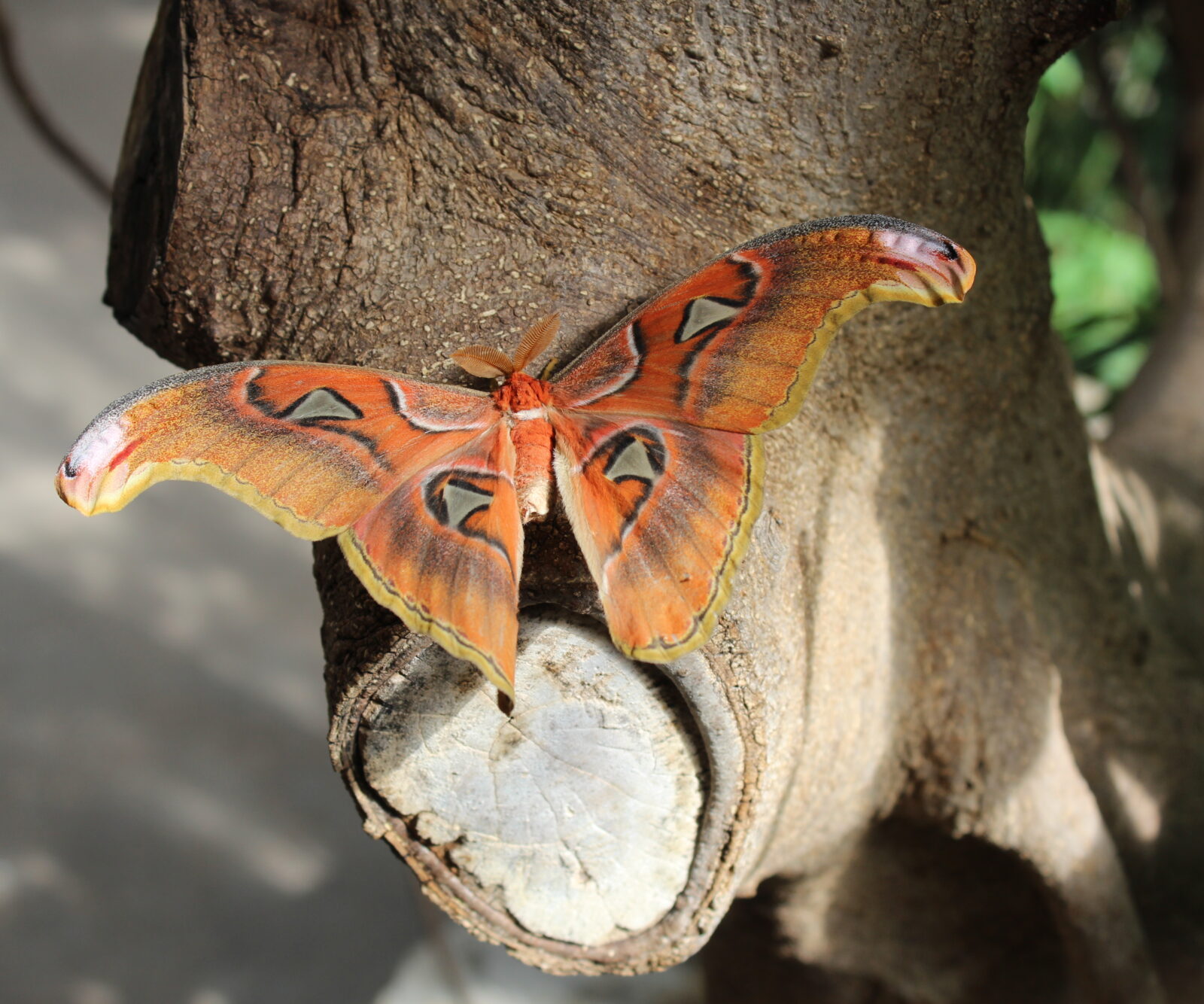
As one of the largest moths in the world, the Atlas moth has a massive wingspan that can be wider than the average human hand. Without functional mouthparts, adults live only about 1–2 weeks after emerging from their cocoons, spending most of that time searching for a mate.
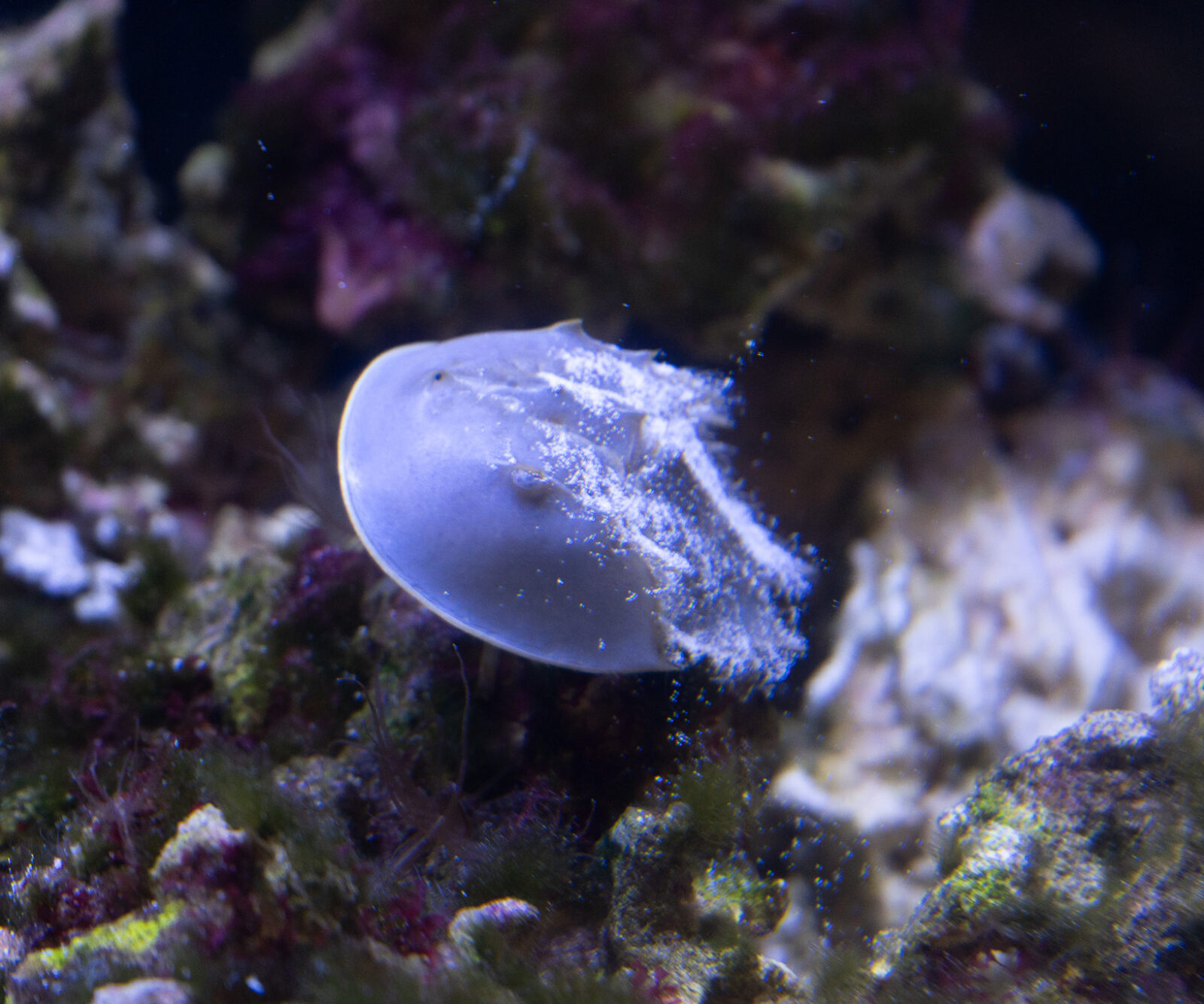
These incredible creatures have been around for nearly 445 million years, changing very little over time and remaining highly adapted to their environment. Horseshoe crabs have a hard exoskeleton, ten legs tucked beneath their body, and a long tail called a telson, which helps them steer while swimming upside down.
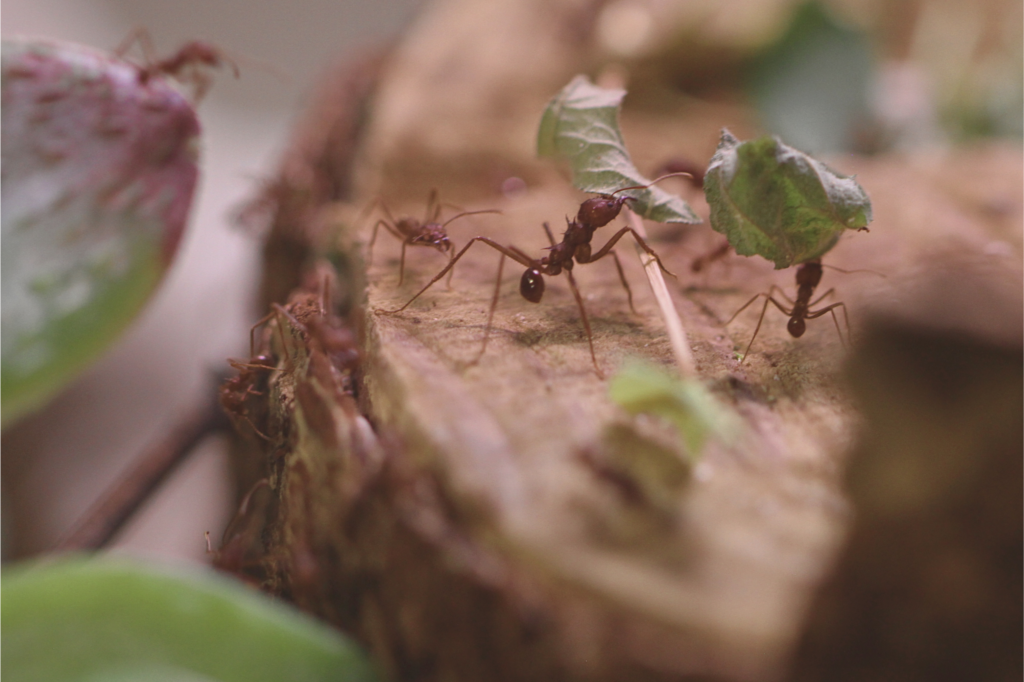
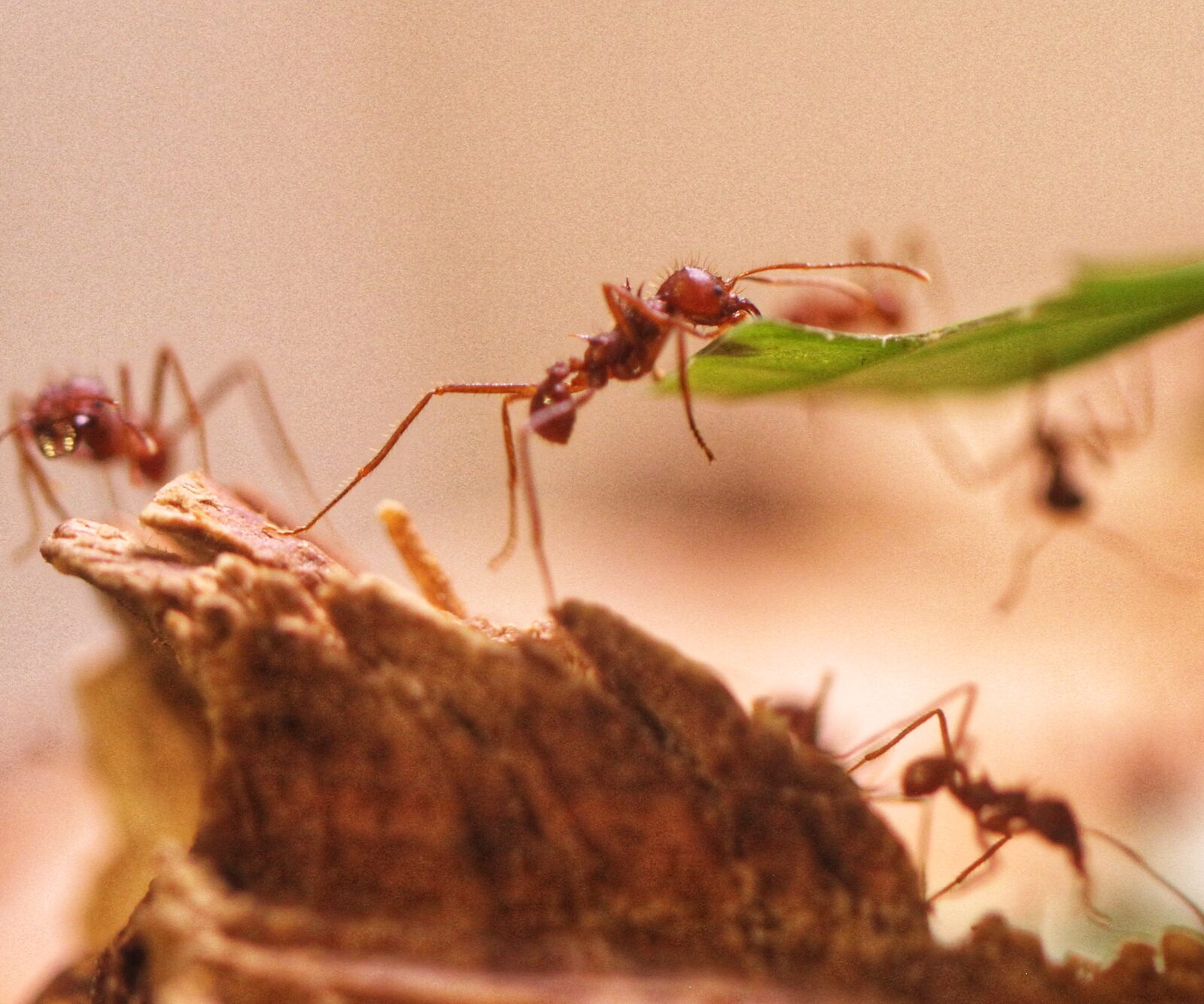
These tiny powerhouses are among the strongest animals on the planet, capable of lifting up to 50 times their own body weight. Each ant is assigned a specific role, working together to cut and carry leave back to their underground nests, where they cultivate fungus.
All exhibits are included with general admission. Butterfly Pavilion is open daily from 9:00 AM to 5:00 PM with timed entry. Purchase tickets online to reserve your spot.