Monarch Magic Returns this November!
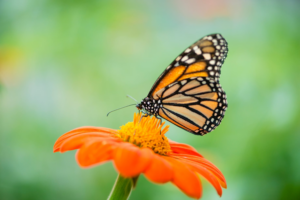
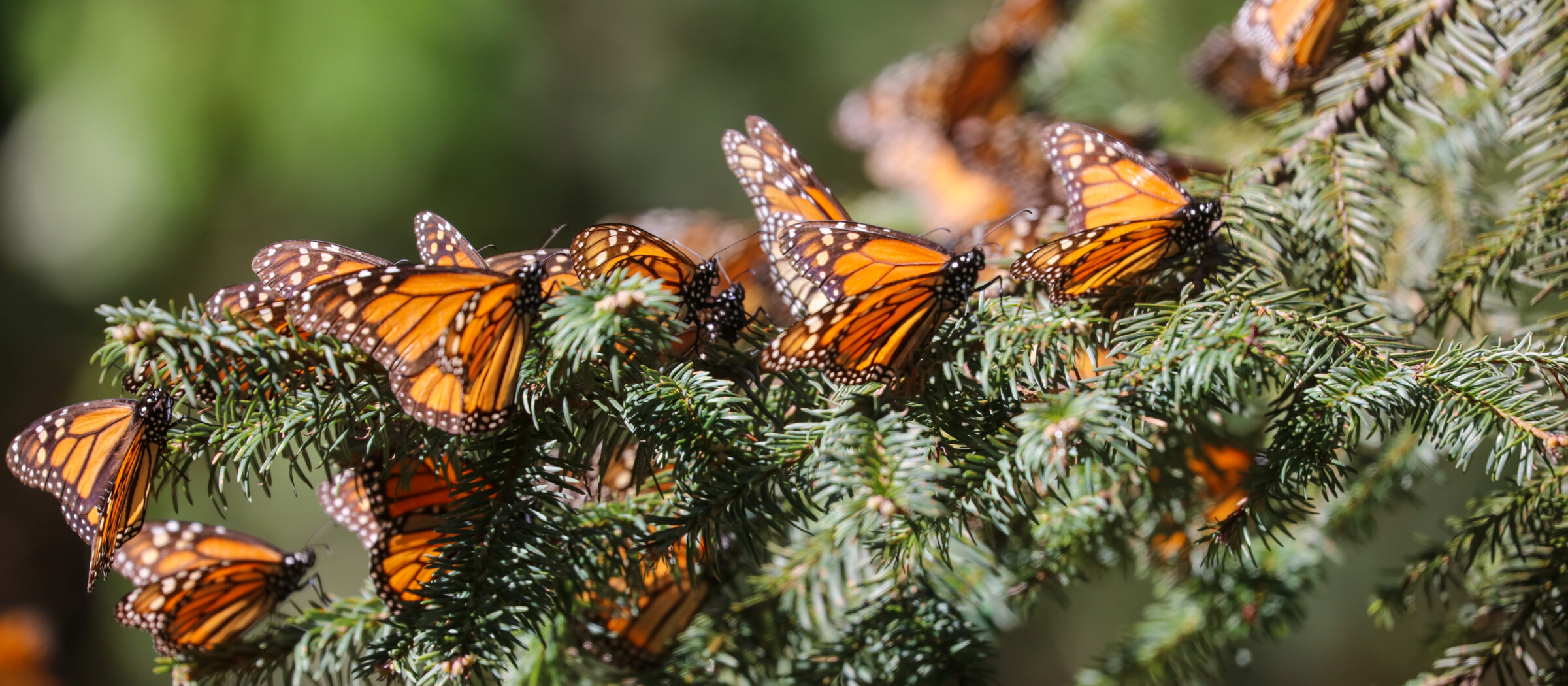
Starting November 1, this exhibition will feature the release of majestic monarch butterflies within our “Wings of the Tropics” butterfly conservatory, where they’ll live amongst the thousands of other butterflies we care for at our zoo. The month-long exhibition blends the ecological importance of monarchs with their cultural significance in Mexican culture.
What to Expect:
Butterfly Pavilion honors these magnificent butterflies through Monarch Magic by providing a unique, unforgettable, and enchanting experience for all. Guests will leave with a deeper knowledge of these incredible butterflies and a little more magic and wonder in their hearts.
In partnership with the Chicano Humanities and Arts Council, a community altar (Ofrenda) will be available to honor Dia de los Muertos which invites guests to leave notes in remembrance of their dearly departed.
Here are some ways you can help our native monarchs:
- Visit Butterfly Pavilion during Monarch Magic, November 1 – 30, 2026.
- Get a friend to join you, invite your friends and family to visit and experience monarchs; with more people we can have a bigger impact.
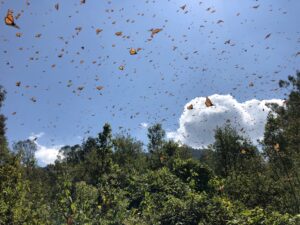
- Plant a garden next spring, your garden doesn’t have to be big to be impactful so long as it has milkweed and native nectar plants. Monarchs need milkweed for their caterpillars and native nectar plants give them the food they need to migrate!
- Donate to support Butterfly Pavilion’s monarch conservation efforts Conservation is in our hands. Donate here.
- Participate in community science- there are many projects that help scientists and researchers to learn more about monarchs and their life cycles so that we can better protect them in the future. Learn more here.
(Note: The monarchs released into our butterfly rainforest were bred under human care at ethical tropical butterfly farms specifically to educate and inspire our guests about these magnificent invertebrates. They are tropical non-migratory, not wild butterflies and would not be able to complete the migration like their wild counterparts do. By showcasing monarchs in our conservatory, we are bringing awareness to their importance in the ecosystem and educating the public about how they can do their part to support monarch populations in the wild.)