2024: A Year in Butterfly Pavilion’s Gardens
December 20, 2024 · Uncategorized
From winter’s expansive views to summer’s bountiful blooms, Butterfly Pavilion’s outdoor gardens offer new and seasonal experiences throughout the year. The hundreds of plant and animal species that call our ten acres home are key to these experiences. Since our outdoor gardens are designed and maintained to provide habitat for invertebrates and other wildlife, the horticulture team evaluates them each year to understand how we can improve their conditions in our region. This year and every year, the garden teaches us many lessons – here are some of our observations from 2024.
Many of us picture gardens as bare for half the year, but in 2024, the garden’s first blooming plants, snowdrops (Galanthus spp.) and dwarf iris (Iris reticulata) started the color parade on February 14th, just in time to show our resident honey bee colonies some love. Our gardens then bloomed consistently all the way until November 11th with native asters and rabbitbrush (Ericameria spp.). Butterfly Pavilion’s horticulture staff works hard to feature early and late blooming plants to support pollinators during times of year when resources are sparse. Early pollinators at Butterfly Pavilion rely on plants such as Oregon grape (Mahonia repens), chokecherry (Prunus virginiana), golden currant (Ribes aureum), and catmint (Nepeta spp.), while late pollinators visit our Maximilian sunflowers (Helianthus maximilianii), rabbitbrush, tansyasters (Machaeranthera canescens), and pitcher sage (Salvia azurea).
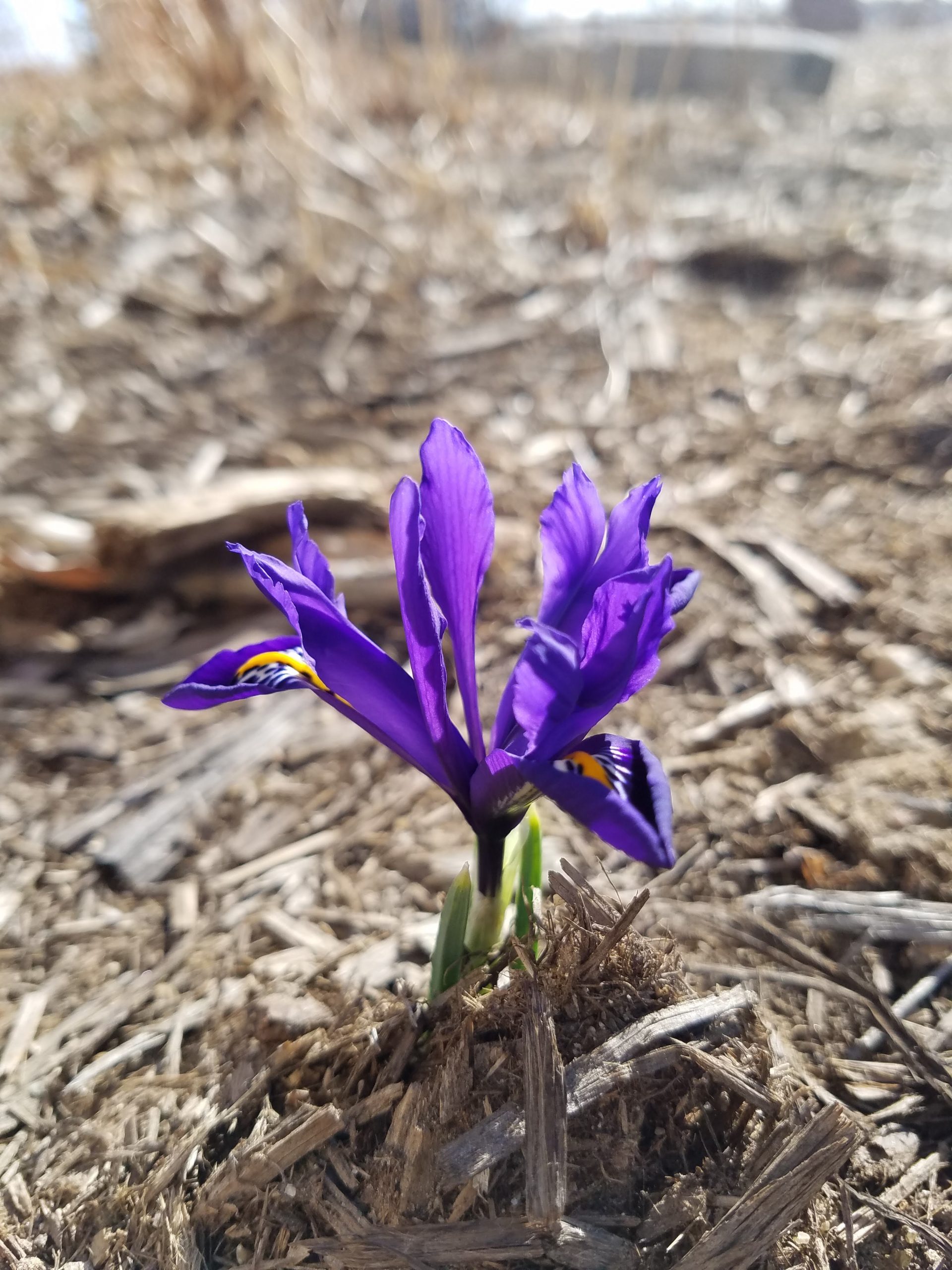

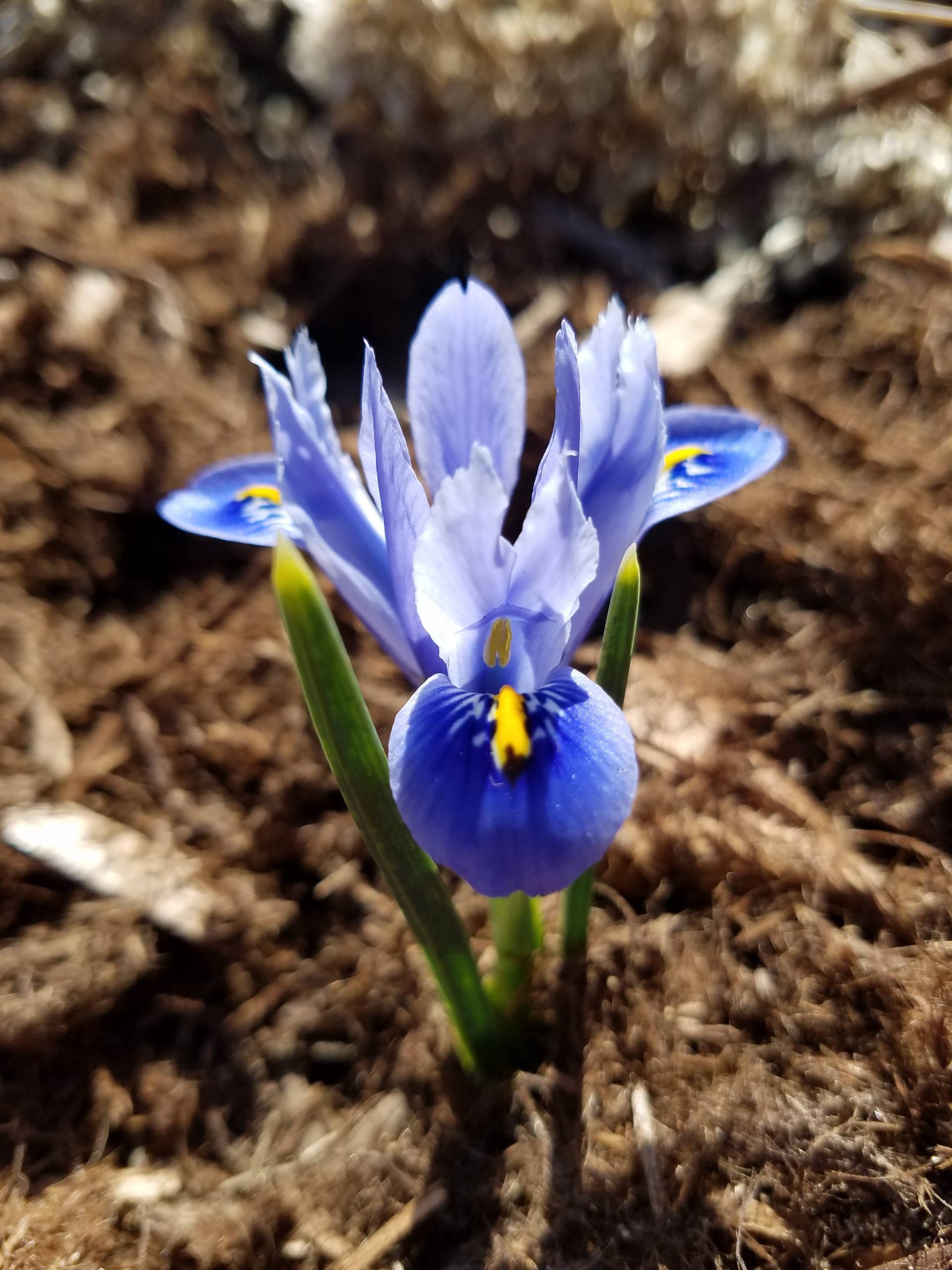
But if you want to visit our gardens during the most eye-catching time, our observations indicate that you can’t go wrong during early June or late August. This is when the most plant species are blooming all at once, putting on a colorful show! Gardeners who want to plant something easy with a long blooming season might choose some of our favorite workhorses: Engelmann’s daisy (Engelmannia peristenia), chocolate flower (Berlandiera lyrata), South American vervain (Verbena bonariensis), and California fuchsia (Epilobium canum). These mostly xeric species bloom consistently for months with very little maintenance from late spring to mid fall.
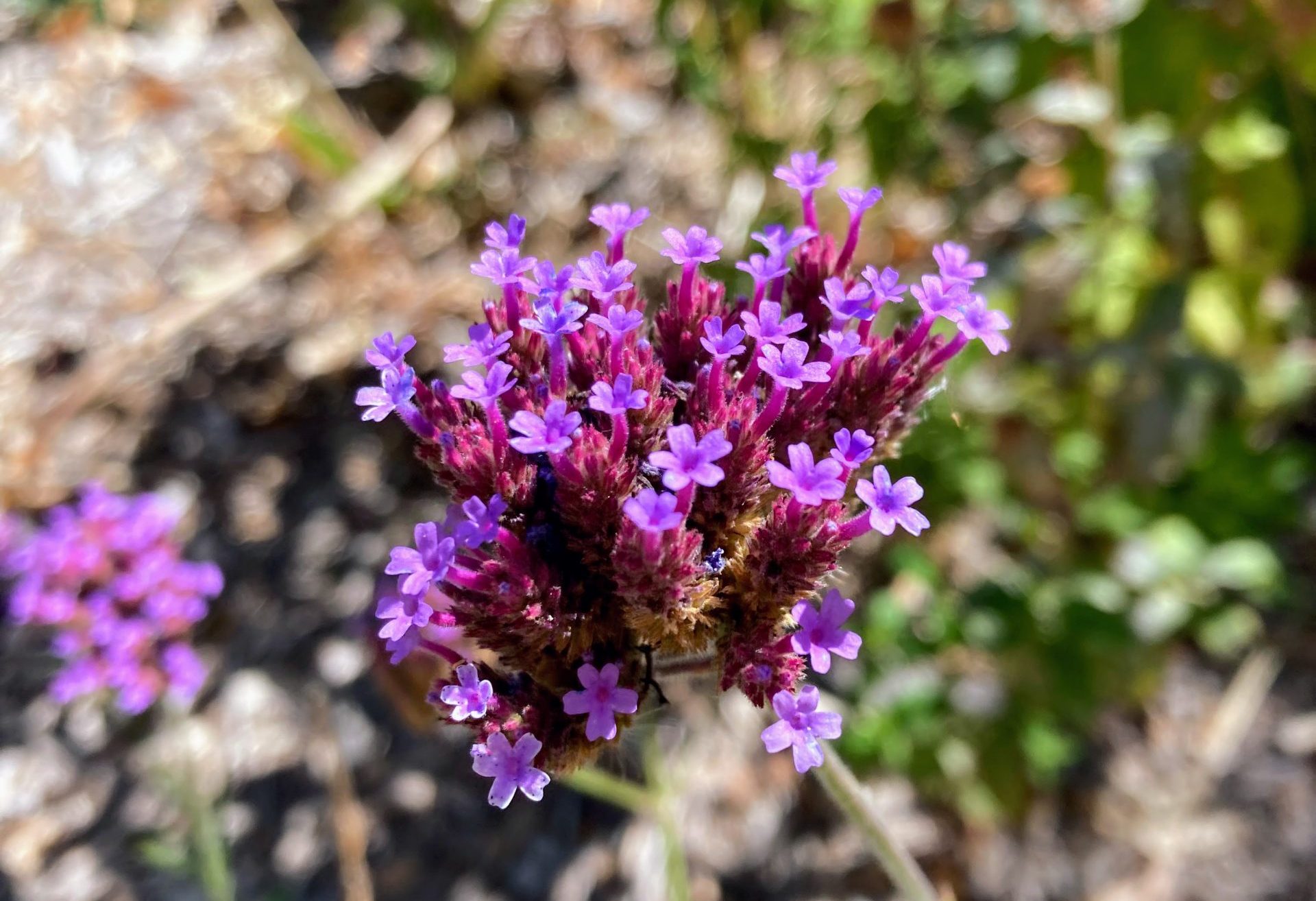
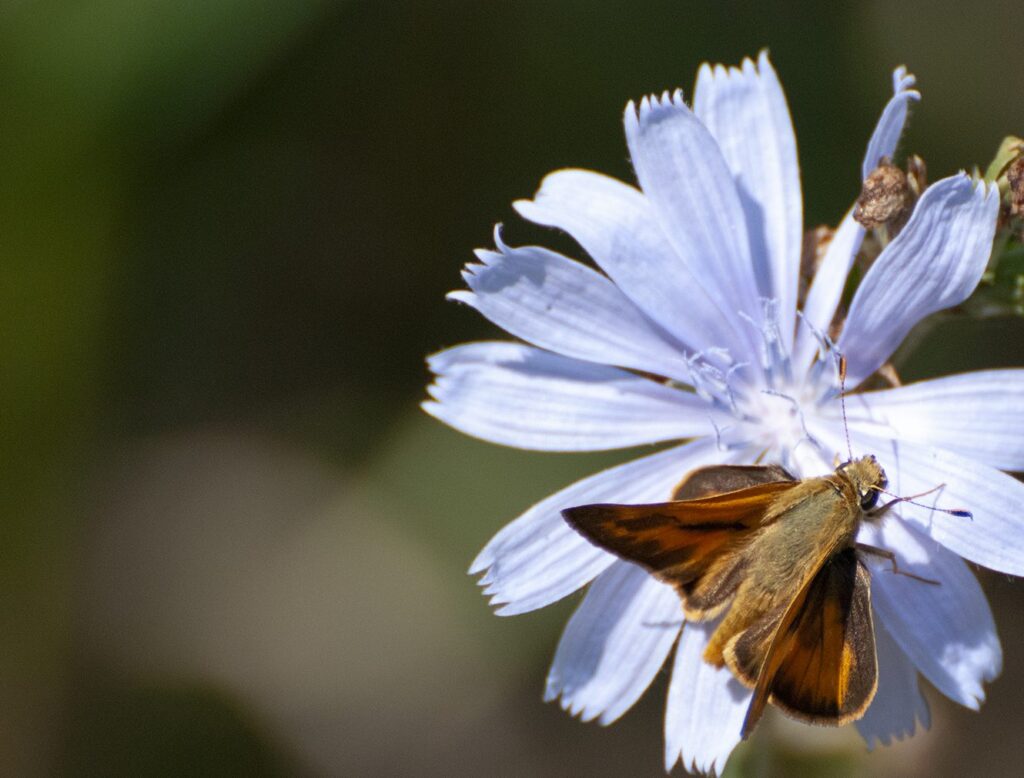
Not only are we interested in what plants are blooming, we’re also interested in what insects are visiting them. Throughout 2024, we recorded 25 different kinds of bees, as well as wasps, bee flies, soldier flies, hover flies, soldier beetles, longhorn beetles, and lady beetles. We were also graced with the presence of over 15 different butterflies and moths, and even regular visits from broad-tailed hummingbirds. From early July to the middle of August, we recorded the highest diversity of pollinators visiting our gardens.
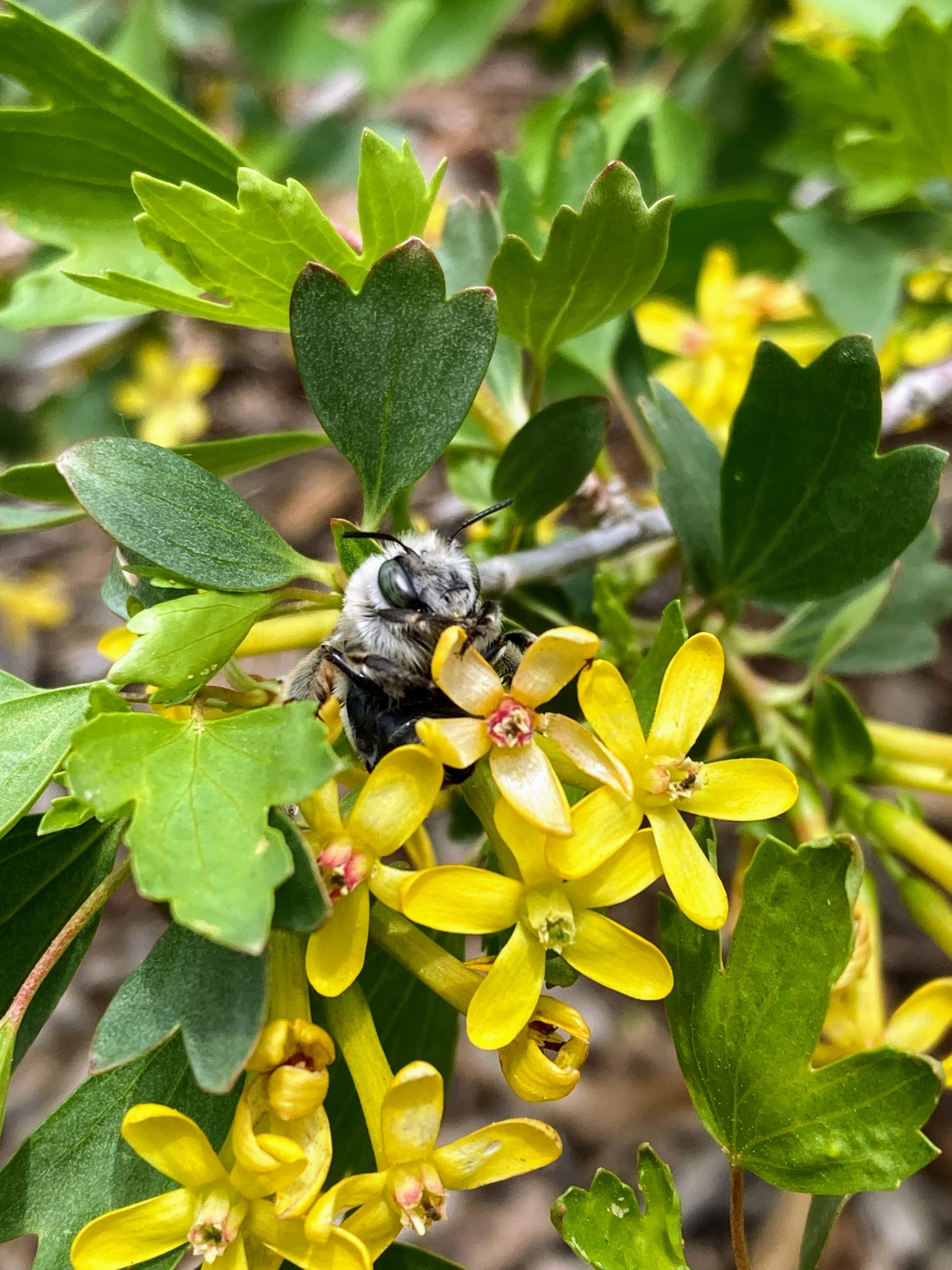
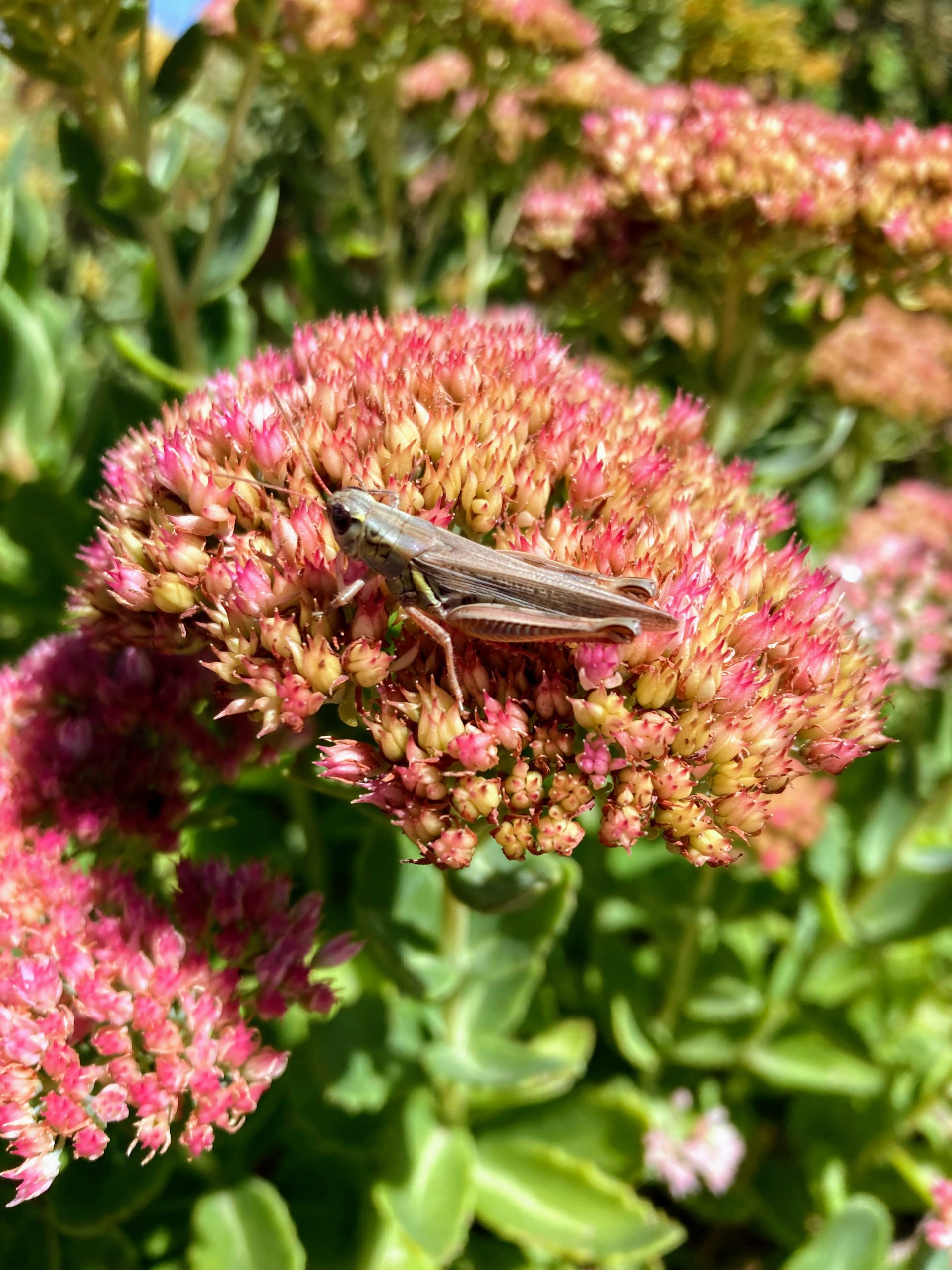
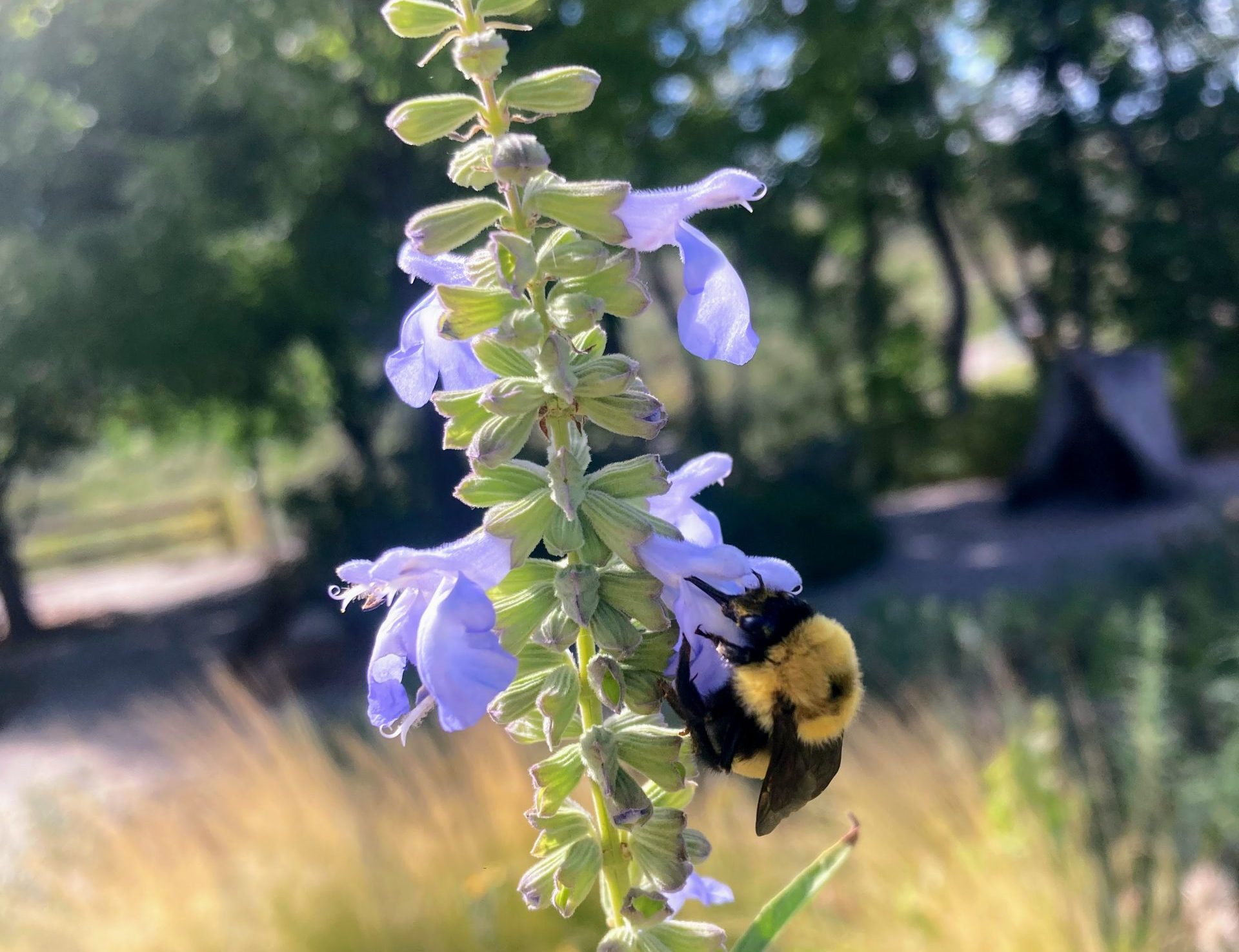
The native plants that attracted the most kinds of insects were annual sunflower (Helianthus annuus), rabbitbrush, goldenrod (Solidago canadensis), and pitcher sage (Salvia azurea). Some of these plants are important for specialists. In our gardens, we see close associations between longhorn bees and sunflowers, for example, or between Colorado soldier beetles and rabbitbrush. A flower like the blue pitcher sage will attract pollinators with long tongues, everything from fuzzy bumble bee queens to monarch butterflies (Danaus plexippus). We also observed that a few exotic species, such as South American vervain (Verbena bonariensis) and butterfly bushes (Buddleia davidii), supported many species of generalist pollinators, especially butterflies and moths. In those cases, it’s still important to grow the native hosts to ensure these pollinators can complete their life cycles.
During this year’s hot dry summer and winter’s windy blasts, the gardens here at Butterfly Pavilion were a haven for pollinators and other wildlife. These gardens are also places for guests to enjoy and learn about the natural world. Butterfly Pavilion’s outdoor gardens not only display shady trees, colorful flowers and fascinating invertebrates; they also yield intriguing insight into how invertebrates and garden plants interact. The horticulture team will continue to evaluate our gardens to understand how changes in the local climate and plant diversity might impact our urban invertebrates.
By Amy Yarger, Senior Director of Horticulture