
Amy Yarger, Senior Director of Horticulture
At Butterfly Pavilion, outdoor gardening tasks slow down in the autumn. It’s the perfect season to let the garden quietly wind down for the cold season, ensuring that leaf litter, perennial stems, and shrubs provide shelter for overwintering invertebrates. Most planting projects are best done in spring and early fall, when temperatures are temperate and there is a chance of natural moisture. However, there are a couple of types of planting that do happen in our habitat gardens later in the season.
Even when the weather gets chilly, planting best practices are still important.
- Bulbs – Our horticulture team at Butterfly Pavilion prefers to wait until a week or two after the first frost to plant our spring-blooming bulbs. Weather in this region can be unpredictable, and it’s better to ensure that night-time temperatures are cooler so that the tulips, daffodils, and other bulbs get the cold period they need. In November, the ground is not frozen yet, so we can dig more easily as well.
- Wildflower plantings – Many of the native wildflowers that pollinators like best drop their seeds in autumn. Some of these species, such as milkweed (Asclepias spp.) require a cold period to germinate. When Butterfly Pavilion’s horticulture team is establishing a wildflower meadow or pollinator pocket, we often watch the forecast in October or November for periods of light snow. Right before the snow, we will lightly rake the ground to promote good seed-soil contact, scatter the seeds, and then let the falling snow provide natural cover and moisture for the new seeds. These seeds will nestle in the ground until bursting out with the warmth of spring.
- Hand Watering – We make sure our new bulbs and seeds, as well as any perennials we’ve planted in early fall, get hand-watered when the temperatures are above 60 degrees F.
- Sheltering Plants – Adding mulch can also help to shelter new plantings from the extreme swings in temperatures we can see from autumn to early spring. Rabbits and other plant-eaters are especially hungry in mid to late fall, since fresh plants are harder to come by, so plant fencing or cages keep hungry critters from devouring vulnerable plants.
So don’t worry if you missed your planting window this spring; you still have time to plant more pollinator habitat!
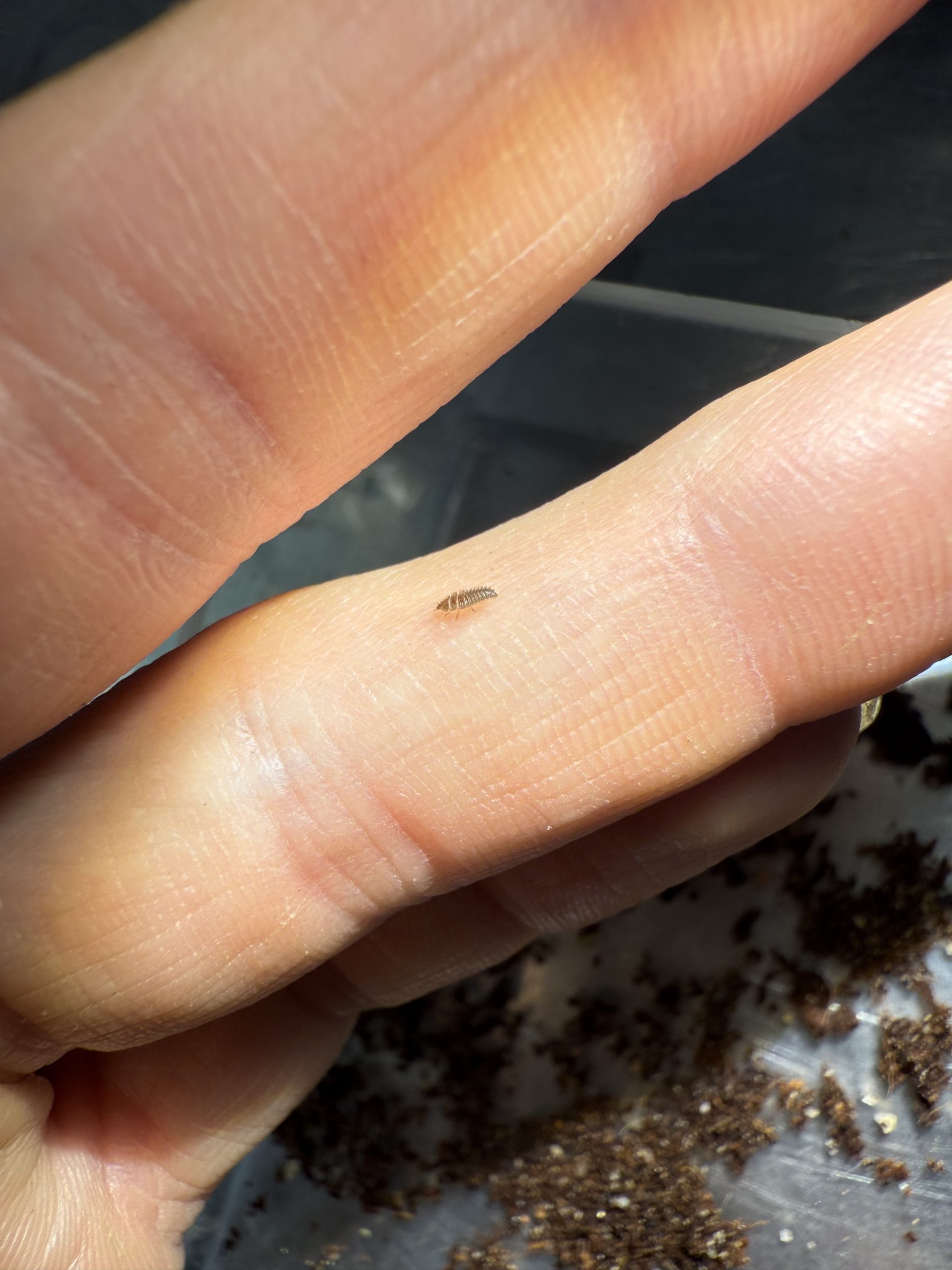
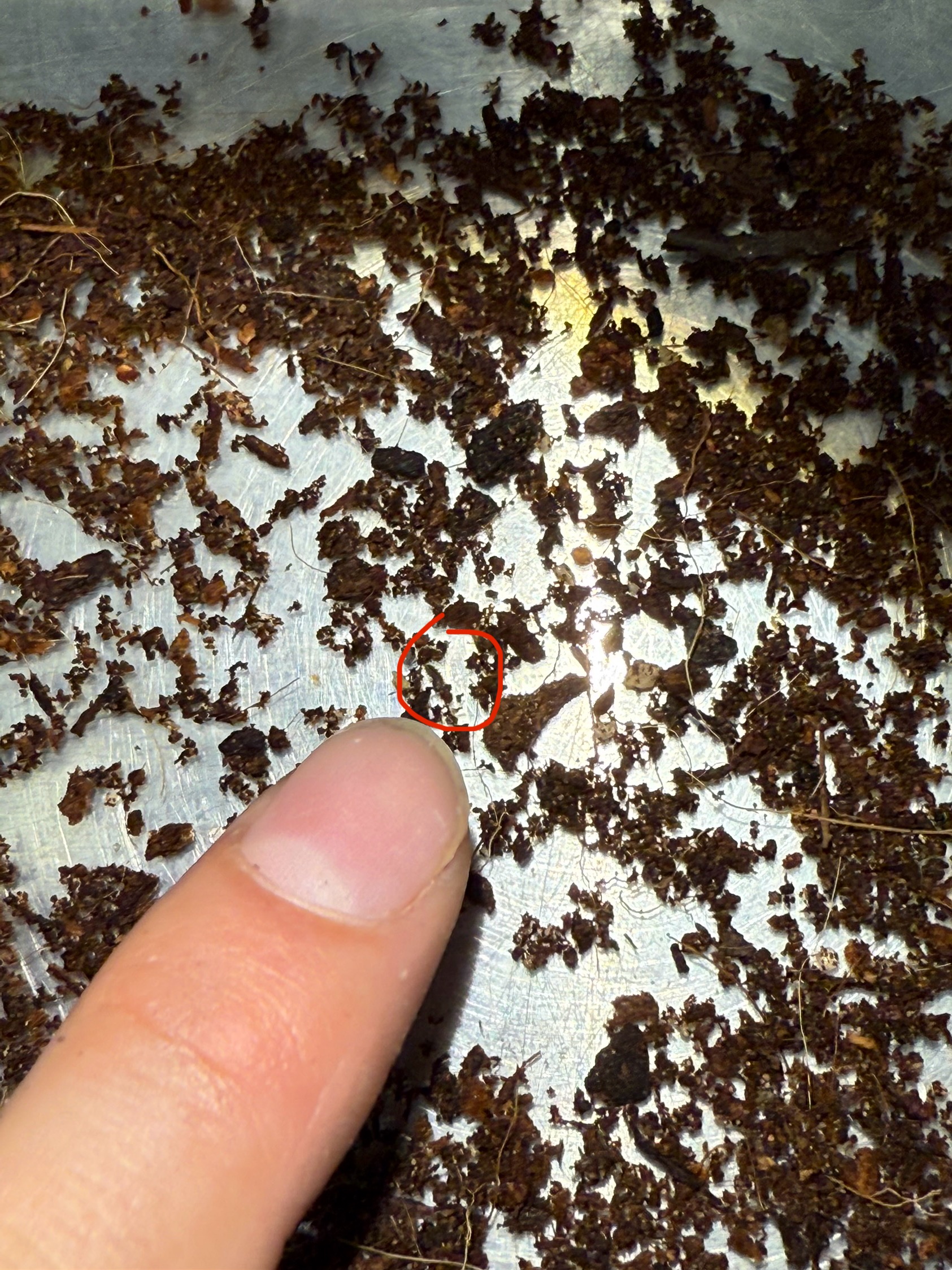
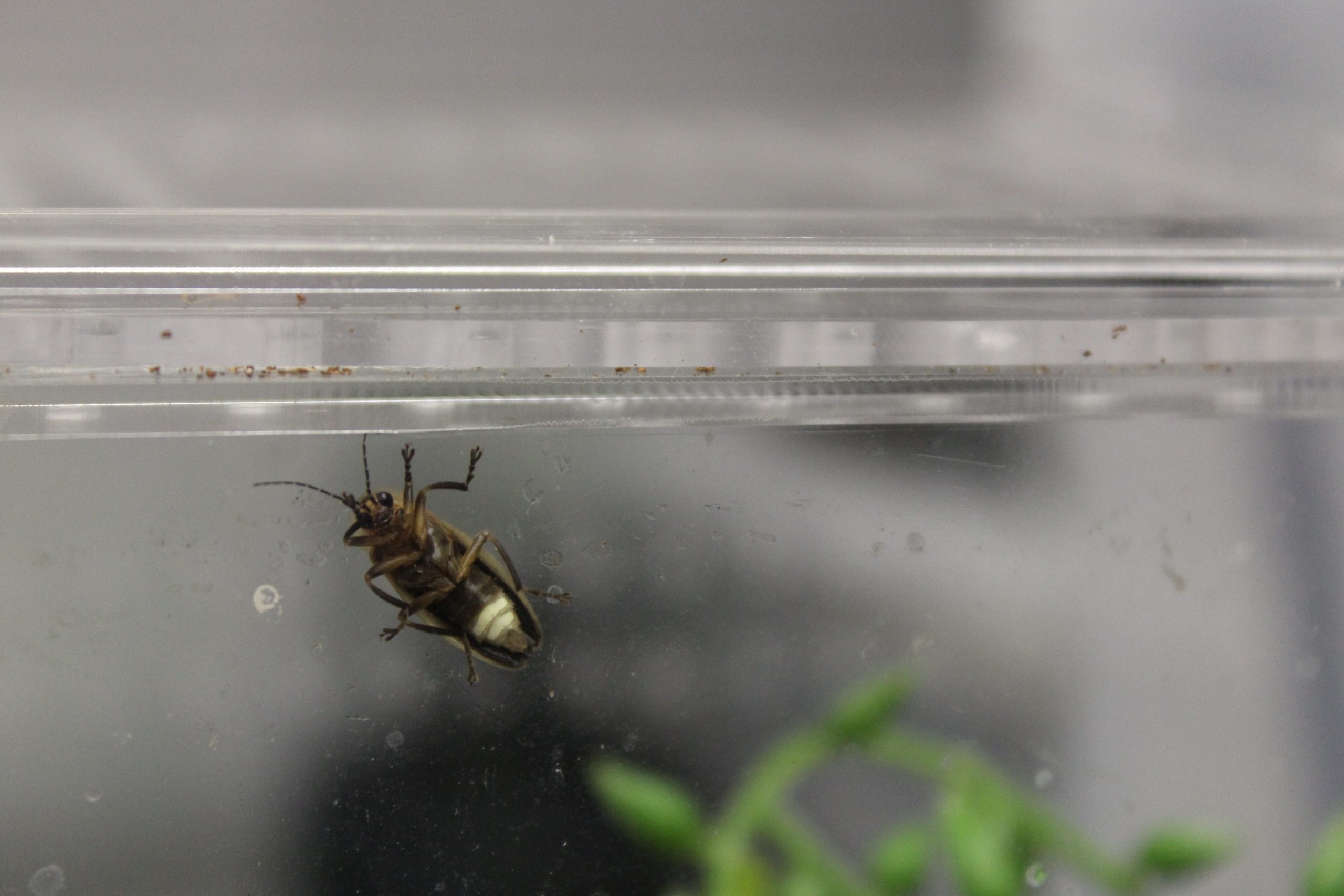
What if we told you Colorado has its own native fireflies — and that Butterfly Pavilion just became the first organization ever to successfully raise one through its entire life cycle under human care? It’s true. This summer, our conservation team reached a historic milestone in invertebrate science: a female Colorado firefly (Photuris sp.) raised entirely in our lab not only reached adulthood but mated and laid viable eggs — and on July 19, at least one of those eggs hatched into a tiny larva. This moment officially closes the loop on the full firefly life cycle in captivity — egg, larva, pupa, adult — a feat achieved by only a few institutions in the world. And we did it right here in Colorado.
Why This Matters
Fireflies aren’t just magical creatures lighting up summer nights — they’re indicators of healthy ecosystems. Their presence signals thriving wetlands, balanced biodiversity, and clean water sources. But firefly populations are declining fast due to habitat loss, light pollution, and pesticide use. Until now, their long and elusive life cycles have made conservation incredibly challenging. That’s why this success at Butterfly Pavilion is more than just a scientific achievement — it’s a powerful step forward in saving these glowing icons of summer. “This is more than a research milestone,” said Dr. Rich Reading, our Vice President of Science and Conservation. “It’s a breakthrough that opens the door to restoring firefly populations across the American West and beyond.”
Eight Years of Determined Work
Our Firefly Lifecycle Project began back in 2017. Each summer, with permits in hand, our team collects adult fireflies from wild habitats near Fort Collins, Colorado. From there, we’ve spent years mimicking their natural environment in our lab — adjusting everything from temperature and humidity to food sources, soil substrate, and light cycles. It can take two to three years for a firefly to mature. Since 2023, we’ve seen five fireflies emerge from our program, including this summer’s breakthrough female. Now, with a new larva born from her eggs, we’ve completed a full generation — and we’re just getting started. “Now that we’ve closed the loop, we can scale efforts to support wild populations and even reintroduce fireflies to places where they’ve disappeared,” said Francisco Garcia Bulle Bueno, Director of Research and Conservation.
What’s Next?
This achievement unlocks new opportunities to:
- Launch captive breeding programs for at-risk fireflies
- Reintroduce fireflies into restored wetland habitats
- Share research and techniques with other institutions nationwide
- Lead public education on firefly protection and habitat conservation
Ultimately, we aim to raise multiple generations, expand to more species, and help spark a national movement to protect fireflies before their light fades forever.
How You Can Help
You don’t need to be a scientist to make a difference. Here’s how you can help protect fireflies today:
- Dim your lights: Turn off outdoor lights at night so fireflies can find mates
- Mow less: Let parts of your lawn grow wild with native plants
- Avoid chemicals: Skip pesticides and herbicides that harm fireflies and their food sources
- Protect habitats: Support wetlands, meadows, and forest edges where fireflies thrive
- Respect nature: Stay on trails and avoid catching or disturbing fireflies
Most importantly: Support Butterfly Pavilion’s efforts.
Your donation helps fund critical research, conservation, and education to protect fireflies and the many other small but mighty species that keep our ecosystems healthy.
Make a gift today
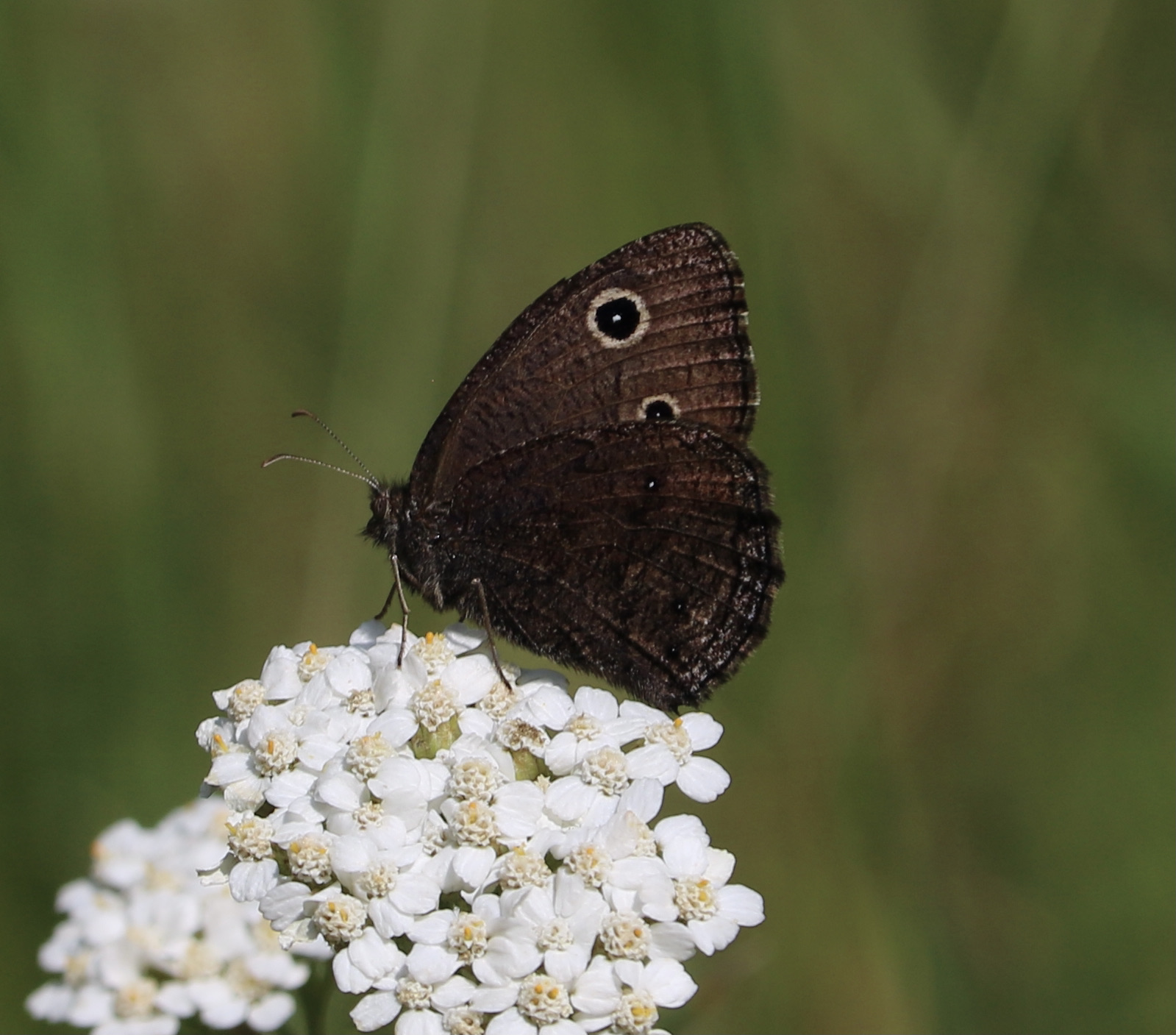
Across Colorado and North America, butterflies are disappearing. In fact, a new national study published in Science reveals that butterfly populations have declined by more than 22% over the past 20 years. But here’s the good news: community scientists and conservation organizations like Butterfly Pavilion are stepping up to turn the tide—and you can help.
Butterfly Pavilion and our Colorado Butterfly Monitoring Network (CBMN) were recently featured in The Denver Post and across the country for our leadership in protecting pollinators. This recognition is more than just a media moment. It highlights the critical role that our staff, volunteers, and community partners play in collecting long-term butterfly data—and that data contributed directly to the national study.
For more than 13 years, CBMN volunteers have been hiking Colorado trails, identifying species, and submitting data that helps researchers and conservationists understand how butterfly populations are changing and where efforts are most urgently needed. It’s people-powered science with real impact.
And the best part? You don’t need to be a scientist to help.
Join the Movement: Two Ways to Get Involved
- Become a Butterfly Monitor
CBMN is still welcoming volunteers across Colorado. Training is available virtually online, so you can start from anywhere. You’ll help monitor butterflies in your own Colorado community and contribute data that supports real conservation action. Learn more: butterflies.org/cbmn - Help Restore Colorado’s Native Prairies
Through our Urban Prairies Project, volunteers help restore and protect native prairie ecosystems—habitats essential to butterflies, bees, and other pollinators. It’s a hands-on way to directly improve the landscapes these species rely on. Get involved: butterflies.org/urbanprairiesproject
More Ways to Support Butterfly Conservation
Butterfly Pavilion’s mission extends beyond CBMN. We are a global leader in invertebrate research, conservation, and conservation. From pollinator protection and habitat restoration in Colorado to global conservation initiatives, we’re working every day to protect the smallest but most essential creatures on Earth.
You can make a difference by:
- Visiting our zoo — Every ticket supports our mission: butterflies.org
- Donating to our conservation work — Your gift helps fund research, fieldwork, and education: butterflies.org/donate
- Volunteering your time — Join our community science efforts or restoration programs: butterflies.org/get-involved
Butterflies are not just beautiful—they’re essential to healthy ecosystems. Their decline is a warning sign, but also a call to action.
By getting involved, you can help protect these important species and ensure a healthier planet for future generations.
Every action counts. Every visit helps. Every donation supports nature’s small wonders.
Imitation is the sincerest form of flattery. Sometimes, it’s a survival strategy too.
Animal mimicry occurs when one species evolves to resemble another, regardless of their actual relationship or similarities, in order to gain survival advantages and deceive both predators and prey.
There are two main types of mimicry: mullerian and batesian. Mullerian mimicry is when two or more harmful species mimic each other’s distinctive qualities, which teaches predators to avoid all species with those qualities because of their potential for harm. Batesian mimicry, however, is deceptive; when a harmless species mimics a harmful one, it teaches the predator to avoid both species, even though only one of them will actually cause harm. Batesian mimicry is also imperfect, because the harmless animal’s population must be less than that of the species being mimicked. Otherwise, the predator might learn the wrong lesson by preying on the harmless species so often it begins to go after harmful animals too. Jackie Billotte, a doctoral candidate at Colorado State University, works with Dr. Rich Reading, Vice President of Science and Conservation, at Butterfly Pavilion and studies mimicry involving spiders, ants, and mimicry rings. She works to identify mimicry complexes involving many different species who work with the same mimics- and one of the most distinct and common is mimics of velvet ants.
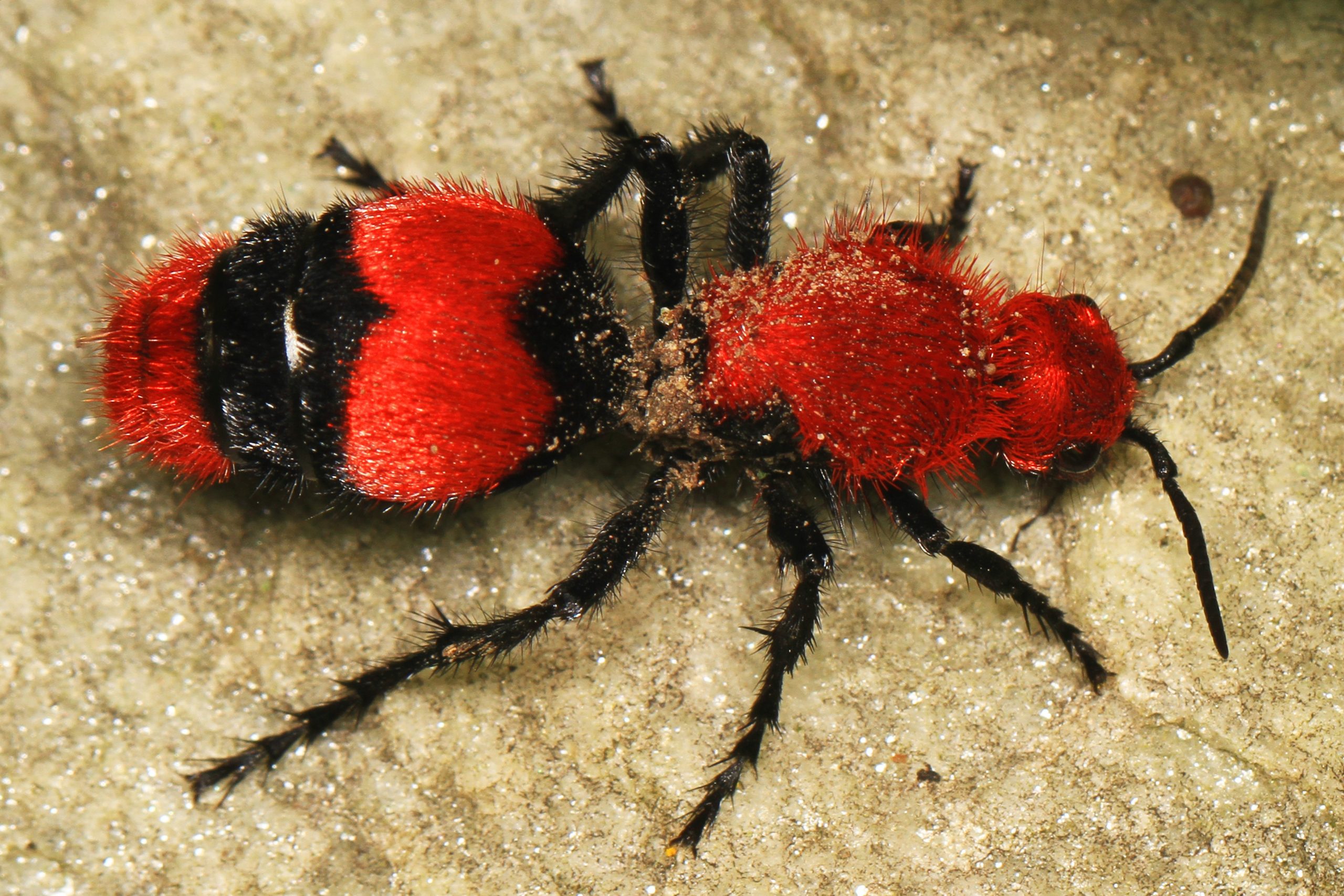
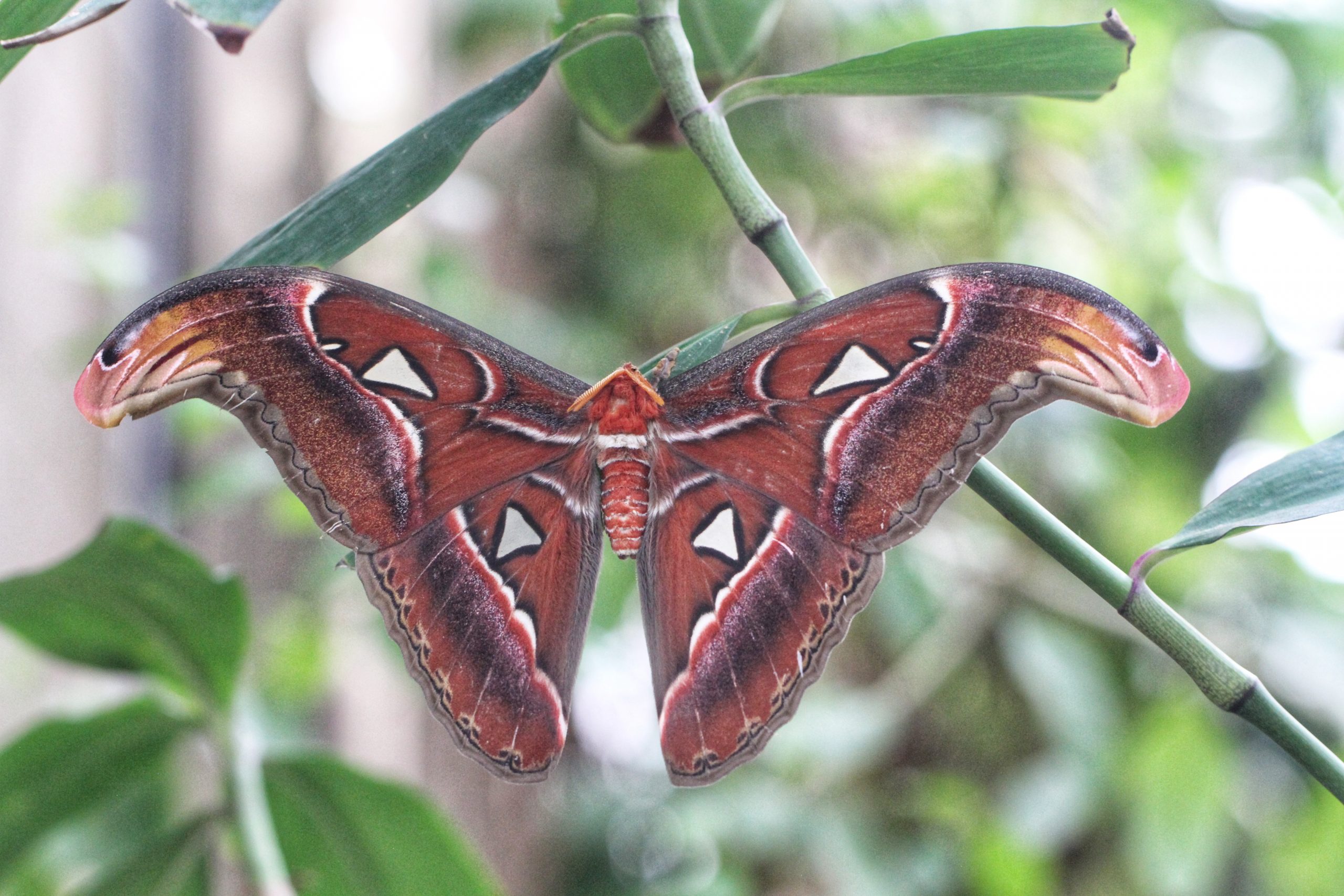
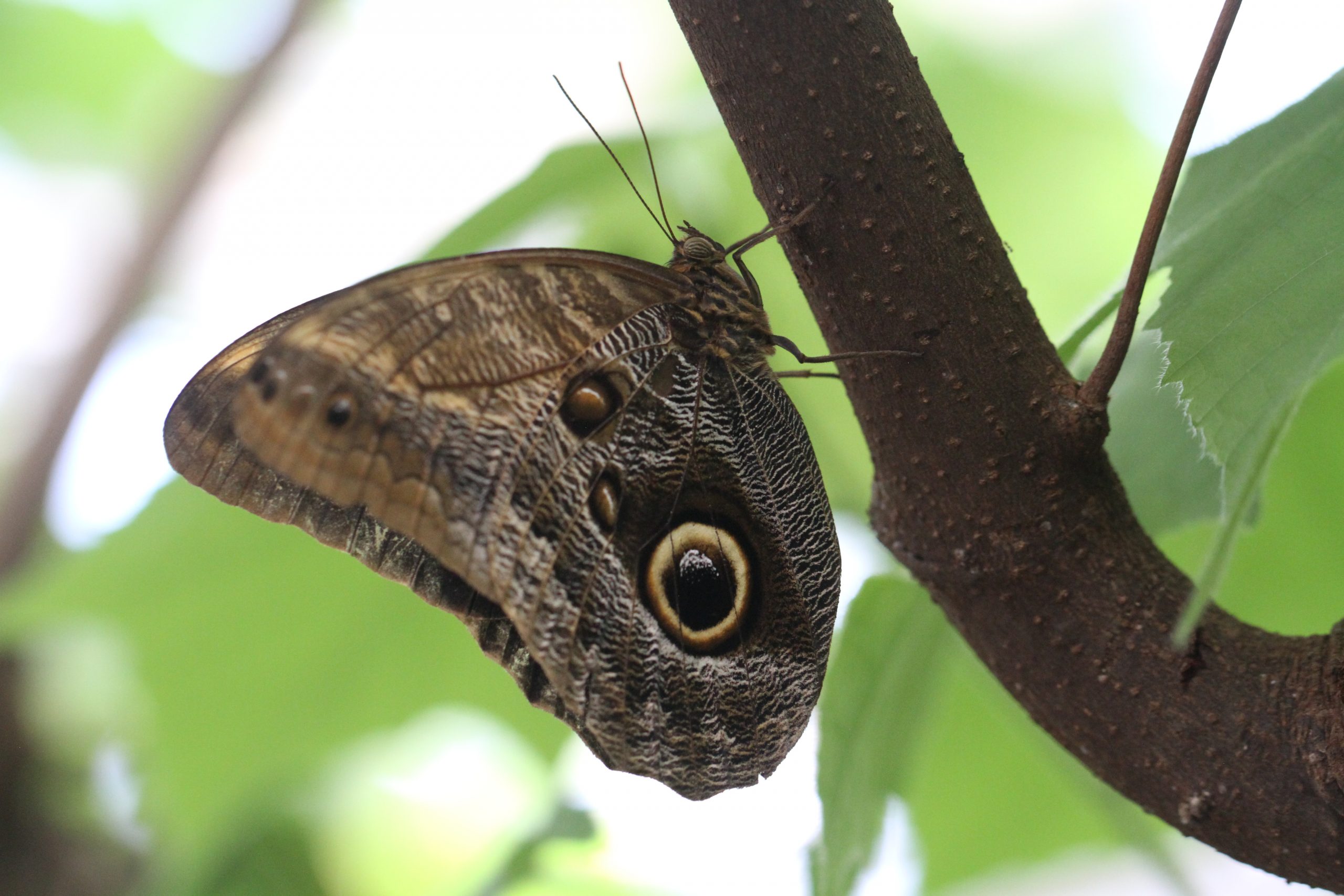
Velvet ants are very, very poisonous and extremely unappealing to predators. There is an entire genus of ant mimics, in general, because of this. A single ant is nothing, but a colony of ants is dangerous, so if a spider can kill one ant and puppet its body parts to blend in with the rest of the ant colony, it will be very well protected. In the same way that animals mimic each other, humans have been taking effective animal adaptations and applying them to our cities, economies, and aesthetics. One example is the Populus hotel in downtown Denver, modeled after the appearance of a birch tree trunk and designed to add a more natural feeling to the inner city. Flora and fauna alike can inspire practical solutions and aesthetic choices that we make. Here at Butterfly Pavilion, animal mimicry can be seen in every exhibit. Atlas moths, sometimes seen flying round in Wings of the Tropics, have snake head mimics on the tips of their wings, meant to deter birds from trying to feed on the moths. Similarly, eye spots on owl butterflies are mimicking, too.
Many examples of animal mimicry involve appearances, but there can also be behavioral and pheromone mimics. Baby tarantulas walk in a line like ants, because they have no other defenses, and some species of predatory fireflies will attract male fireflies of other species to feed one by flashing like a female that is ready to mate. Viceroy butterflies, which are non-poisonous, have markings that are incredibly like Monarch butterflies, which are poisonous. With the exception of a few small black markings, the two species are practically indistinguishable with just a glance. This goes to show that mimics don’t have to be perfect, they just must sell it long enough to trick the intended animal. It is important that mimicry operates within an entire population, not with just a few individuals. The populations involved train the predator at the cost of a few individuals in the hopes that the greater numbers will be left alone. This is where mimicry complexes come in handy- more populations mean fewer individuals from each. These developments are the result of millions of years of evolution. Mimicry is not a learned skill; it becomes an inherent part of a species’ appearance and behavior. All that matters is the species’ ability to mimic well enough to fool predators and prey.
Written by Rachel Zing
Have you ever wondered why you can hold a tarantula, but not a beetle? Or why Water’s Edge has a touch tank but the Legacies: Invertebrates of Mexico exhibit does not?
Roughly 360 species of invertebrates call Butterfly Pavilion home. But of the 15,000+ individual animals that live here, visitors only see the ones on display.
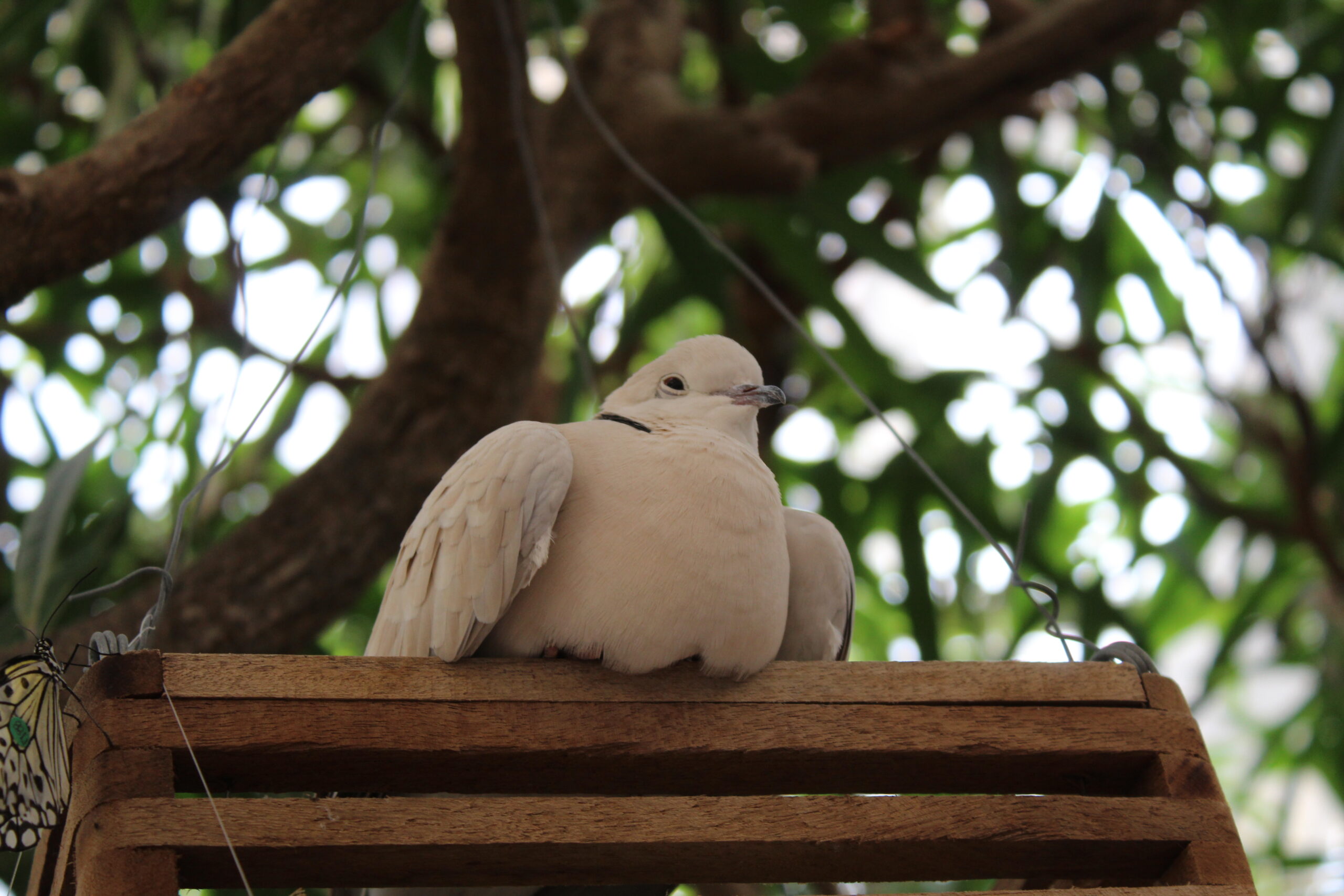
There are many factors that go into the exhibits’ usage of live animals. A species needs to be somewhat charismatic and interesting- but it can get even more specific than that. Once, a female Goliath Birdeater Tarantula was displayed for a short time, but she hid and was generally opposed to being an attraction for visitors. However, a male of the same species, nicknamed Boss, loved being on display; in fact, he would be visible for weeks at a time. The animal’s individual disposition can be equally as important as its overall appearance, which may be the only obvious element to visitors. Because invertebrates are often overlooked in scientific research and animal exhibits, many of the species in our care haven’t benefited from the same spotlight as more traditional zoo animals. That makes our work even more important—expanding knowledge, improving care, and helping the world discover just how fascinating a hermit crab or a stick bug can be. That said, Butterfly Pavilion is currently home to a few vertebrates, one of which comes with an interesting story: Larry Bird, a Eurasian collared dove who lives with the butterflies. He was donated in 2001, before Butterfly Pavilion was AZA-accredited as an invertebrate zoo. Larry, alongside two other doves, a handful of turtles, and an iguana, was able to live peacefully among the invertebrates. However, after Butterfly Pavilion became an Association of Zoos and Aquariums (AZA) accredited invertebrate zoo, most of the vertebrates were given away to other trusted caretakers. Larry, however, remains. He is nearly 25 years old and will live out the rest of his life in the treetops of Wings of the Tropics.
As a premier institution for invertebrate research, education, and conservation, Butterfly Pavilion carefully selects the species in its care. Each animal must support our mission—whether through display, education, or scientific study. In some cases, we continue to care for species that are threatened or endangered, even if they’re no longer part of active programs, in alignment with global conservation procedures. We also consider practical factors like specialized diets or permit requirements to ensure every species receives the highest standard of care. This doesn’t mean we don’t have dream invertebrates. Sara Stevens, Director of Animal Collections, provides an example of just how different realistic and idealistic goals can be: “If I could feasibly have any animal here, it would be a Giant Pacific Octopus. They’re very charismatic. If I could have any invertebrate regardless, I would want a Giant African Land Snail.” She adds, “Unfortunately, they are wildly invasive and detrimental to agriculture, and the USDA won’t give permits for it.”As an Association of Zoos and Aquariums – accredited institution, Butterfly Pavilion has an extra set of standards that must be upheld in all of its operations, especially in regard to the live collections. Elements of an animal’s life, such as physical environment, self-maintenance, diet, and life stages, must be accounted for in the total cost-benefit analysis. Providing the highest standard of care means ensuring our staff has the specialized knowledge needed to support each species. Institutional Collection Plans, which outline the entire acquisition and caretaking process, must be updated routinely.
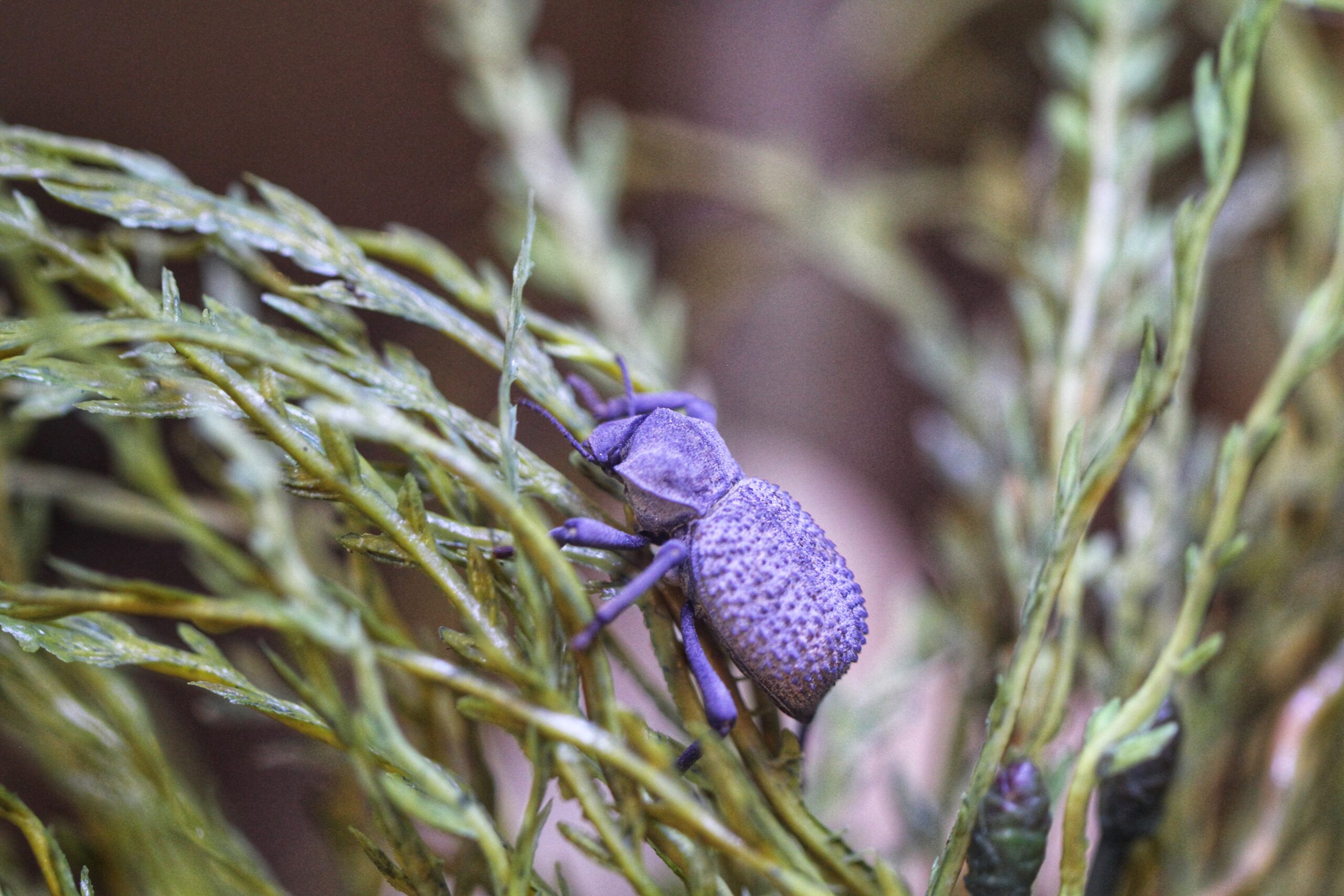
Every area of the zoo has a different plan for its animals. For example, our Wings of the Tropics butterfly conservatory is considered a transient collection because of the everchanging rotation of available species shipped in from sustainable butterfly farms, whereas Water’s Edge, which was originally a pilot exhibit, was so well-received that its unique ecosystems were permanently added to Butterfly Pavilion’s collection.
Planning exhibits can take months, years, and sometimes even decades. Currently, Butterfly Pavilion is home to five juvenile Socotra Island Blue Baboon Tarantulas, who are not on display. In fact, they may not be public facing for fifteen more years. As a species, Blue Baboon Tarantulas are unique in their ability to live in large family groups without getting territorial, as long as their available space isn’t too large. These colonies can comfortably fill tanks and provide a fascinating look into the social dynamics of these spiders, which is the ultimate goal for Butterfly Pavilion. That means we’ve still got some waiting to do.
Invertebrates make up 97% of all animal species on earth, and each individual animal is a crucial part of its ecosystem. They provide the foundation for the rest of the world, so we are committed to protecting them. While there are many factors that make animal displays complex, Butterfly Pavilion excels at presenting invertebrates in ways that educate, engage, and leave a lasting impression.
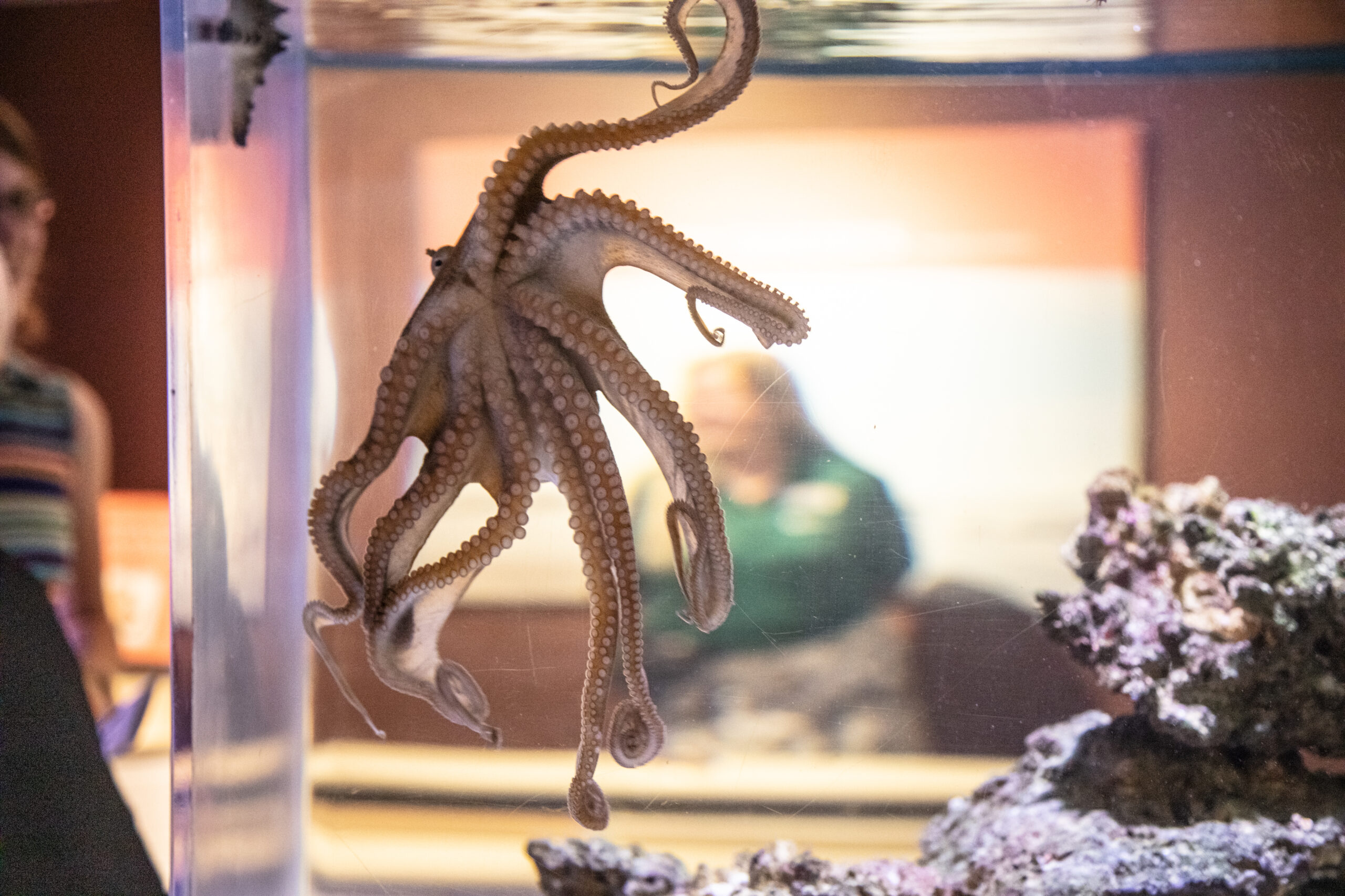
Written by Amy Yarger, Senior Director of Horticulture Invertebrates are the foundation of our way of life, and around the world, scientists are recording declines in diversity and population. The hopeful news is that we can all take steps to help these important animals. One of these steps is adopting garden practices that promote the survival of our native insects. Butterfly Pavilion maintains over four acres of gardens that provide habitat and highlight the intricate relationships between plants and invertebrates. Our horticulturists care for the gardens in ways that parallel insect life cycles and provide food and shelter for pollinators and other wildlife. Spring is when many of our beneficial invertebrates emerge, hungry and looking for food and shelter. Many bees and butterflies visit early lawn weeds such as dandelions and clover to get much-needed sustenance after a long winter, especially if other resources aren’t available. Creating sheltered niches for invertebrates is also important in spring, a vulnerable time with high moisture and extreme changes of temperature. The “No Mow May” campaign was launched in the United Kingdom several years ago by an organization called Plantlife and has entered the public consciousness over the last few years as concerns about our disappearing invertebrates have heightened. Several studies have correlated increased mowing with lower pollinator diversity and abundance and have demonstrated that dozens of bee and butterfly species visit flowering species found in turf. Even just reducing mowing (“Slow Mow Spring”) can make a difference for pollinators. A side benefit for the gardener is that less frequent mowing can result in less-stressed turf with fewer pests, while also saving money and time.
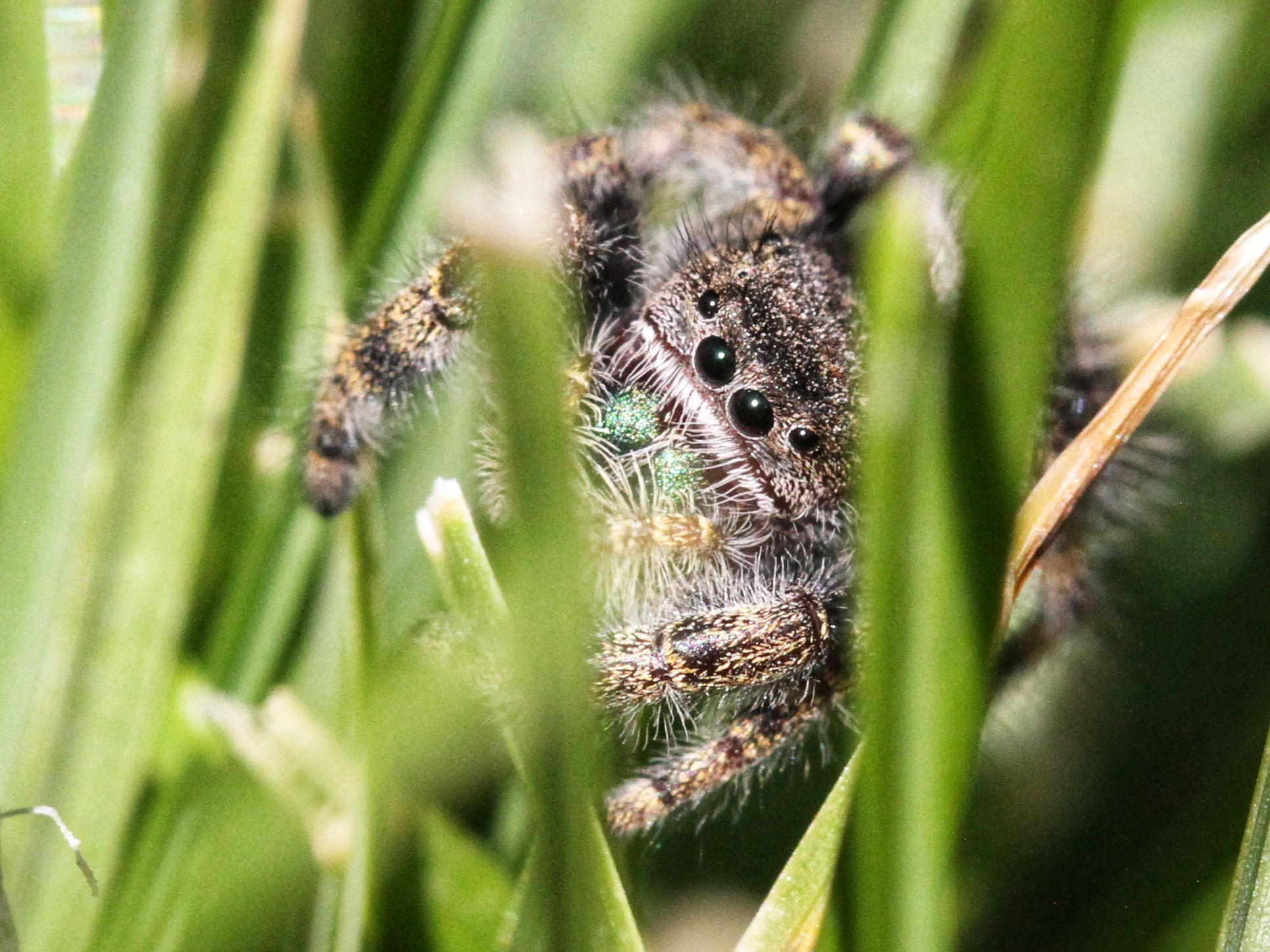
However, for those who really want to devote time to yard work this month, there is a way to make “No Mow May” even more impactful: replacing turf with pollinator gardens full of native plants! These gardens provide more varied food and shelter resources while saving water and maintenance costs. Even in these landscapes, letting the landscape rest through the early spring is preferable to wholesale “spring cleaning”. Consider a stepwise approach, cutting down last year’s perennials once new growth has appeared and leaving some stems standing over the summer if possible. In a world where we are all told to do more, it is refreshing to have an opportunity to do less and still benefit the planet and ourselves. By not “cleaning up” our gardens too much or too early and by delaying mowing, we provide shelter and food for beneficial invertebrates such as bumble bees, lady beetles, and early butterflies. “No Mow May” is more than just postponing lawn mowing for a month. It’s a way of managing our landscapes as habitat for the creatures that keep our food systems and ecosystems running.
Pollinator populations are declining.
Are Colorado’s bees in trouble?
The Colorado State Beekeepers Association (CSBA) represents over 3,000 beekeepers throughout the state; many of which report extreme colony losses in recent months. The CSBA sent a letter to state legislators, asking for awareness and potential solutions to this decline. There was a colony collapse in 2007-2008, which is still being studied for a more thorough understanding of the factors that contribute to high losses; it is predicted that 2024-2025 commercial losses are as high as 62%. Fewer honeybee colony numbers not only affect the honey industry, but it could have severe impacts on food security and crop pollination throughout the United States. This local issue is representative of a much larger ecological concern: pollinator populations are in decline due to habitat loss, pesticide use, climate change, and competition from non-native species.
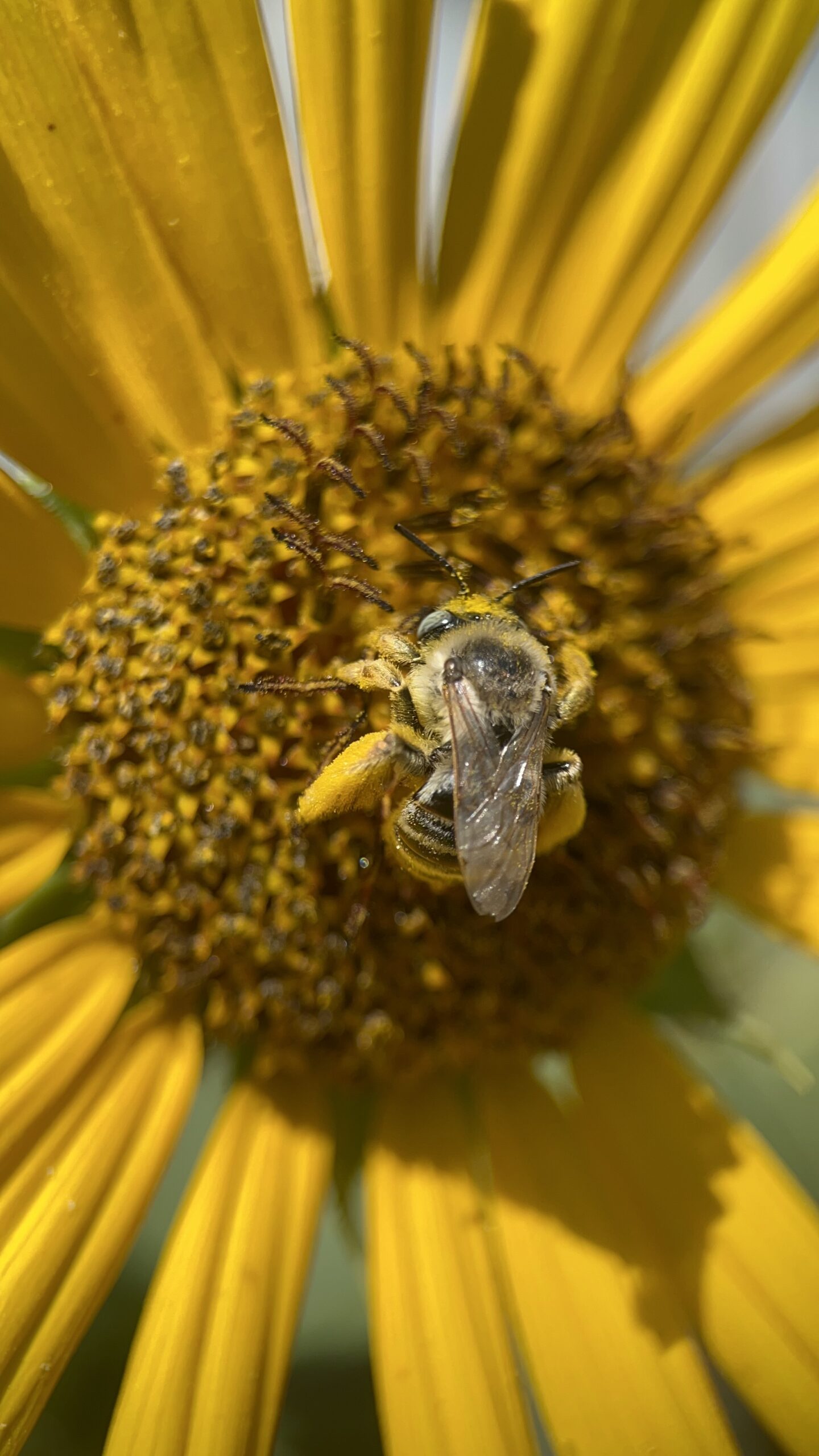
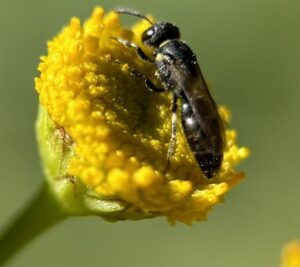
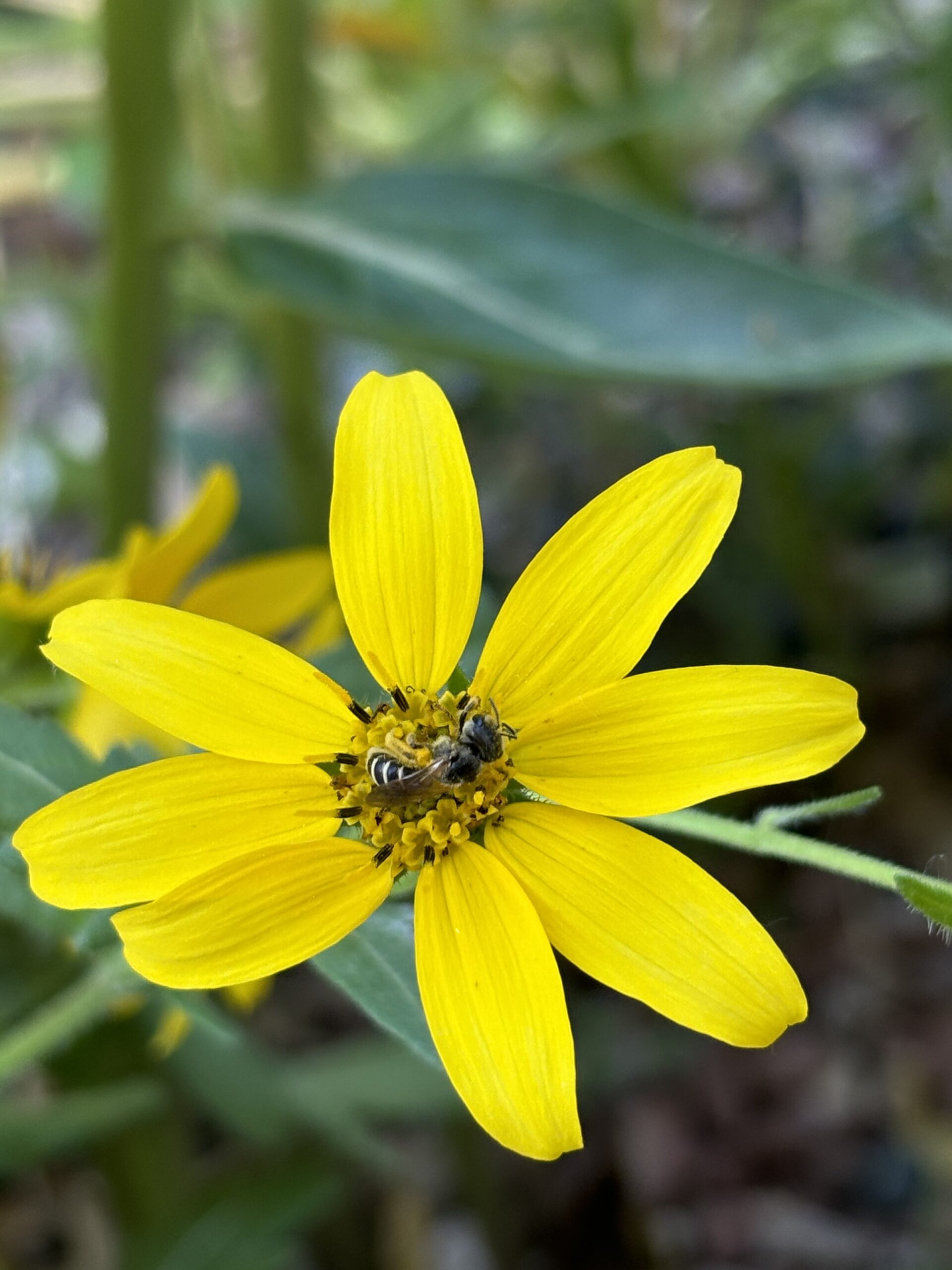
It is important to highlight here that honeybees are not native to North America. Colorado is home to over a thousand different species of native bees, which don’t have a social hive system or produce honey. Bumble bees are the only exception, as they create colonies and store honey in their hives; however, these colonies die every year in winter and the honey they produce is minimal and cannot be used for human consumption. The rest of native bees are relatively solitary and do not sting defensively. In fact, roughly 70% of them nest underground. Some native bees are also specialists, meaning that they rely on specific plant groups to survive. If the host plant disappears, so do they, and vice versa. Ecosystem disturbances have cascading effects as a result. As pollinators, native bees help pollinate flowers and agricultural crops, supporting in the production of tomatoes, peppers, berries, peaches, and many other crops. They play a crucial role in the food supply system throughout the United States and the world in general. The co-evolution of native bees and native plants means that when one is threatened, the other feels the impact just as sharply. There are still large gaps in scientific knowledge about native bee species, especially because they are still being discovered at a meteoric rate. It can be difficult to protect a species if we don’t know about its existence. Similarly, very few native pollinators – aside from bumblebees and butterflies – have been assessed for extinction risk.
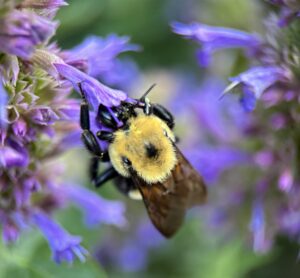
Many research organizations have recently highlighted that pesticides are one of the largest threats to native bees, due in part to the slow pace and limited scope of regulatory processes. The Environmental Protection Agency conducts all their testing on honey bees to ensure that approved chemicals do no harm to pollinators. However, these species are not native to North America and their social colony structure is far from representative of the thousands of native bee species, not to mention other pollinators like butterflies, moths, and beetles. Milkweed, which is an essential plant for monarch butterflies, is particularly susceptible to harmful chemicals. In the Central Valley of California, 100% of the milkweed that was tested was contaminated with some kind of pesticide, and not every found chemical had been researched. Honey bees are poor surrogates for the rest of the bee species, and even worse for other pollinators like butterflies and moths. The narrow focus on pesticide impacts represents a large-scale failure to consider the biodiversity that makes up the pollination process.
Native bees are essential pollinators and fascinating invertebrates, and Butterfly Pavilion maintains a strong commitment to teaching community members how to help keep their numbers as high as possible. One of the most helpful steps is to plant a garden full of native plants; not only does this sustain native pollinators, but it also contributes to local biodiversity. Managing local threats with small gardens and practices aimed at aiding the pollination process can help mitigate large-scale climate change. Beekeeping Bootcamp, pollinator workshops, and several community science programs are aimed at empowering individuals to take action in the fight to save our native pollinators for generations to come.
Written by: Rachel Zing; Photos by: Alex Han
Meet ‘Morph,’ The Monarch Butterfly Sculpture
Peeking out from behind the green foliage in Butterfly Pavilion’s Wings Over the Tropics exhibit, a new butterfly is pausing to rest its wings before starting its final journey. But this one stands out – it looks quite different from the butterflies usually seen at our zoo. Instead of delicate scales, this butterfly’s wings are made of metal grates, and its antennae are old railroad spikes. Meet ‘Morph,’ a stunning five-foot-tall monarch butterfly sculpture crafted from found objects and repurposed materials. Created by Grand Junction based artist, Ken Cable, Morph is a symbol for transformation, conservation, and renewal – messages that parallel the goals, conservation, restoration, legacies of both Butterfly Pavilion and our collaborator, the Downtown Denver Partnership.
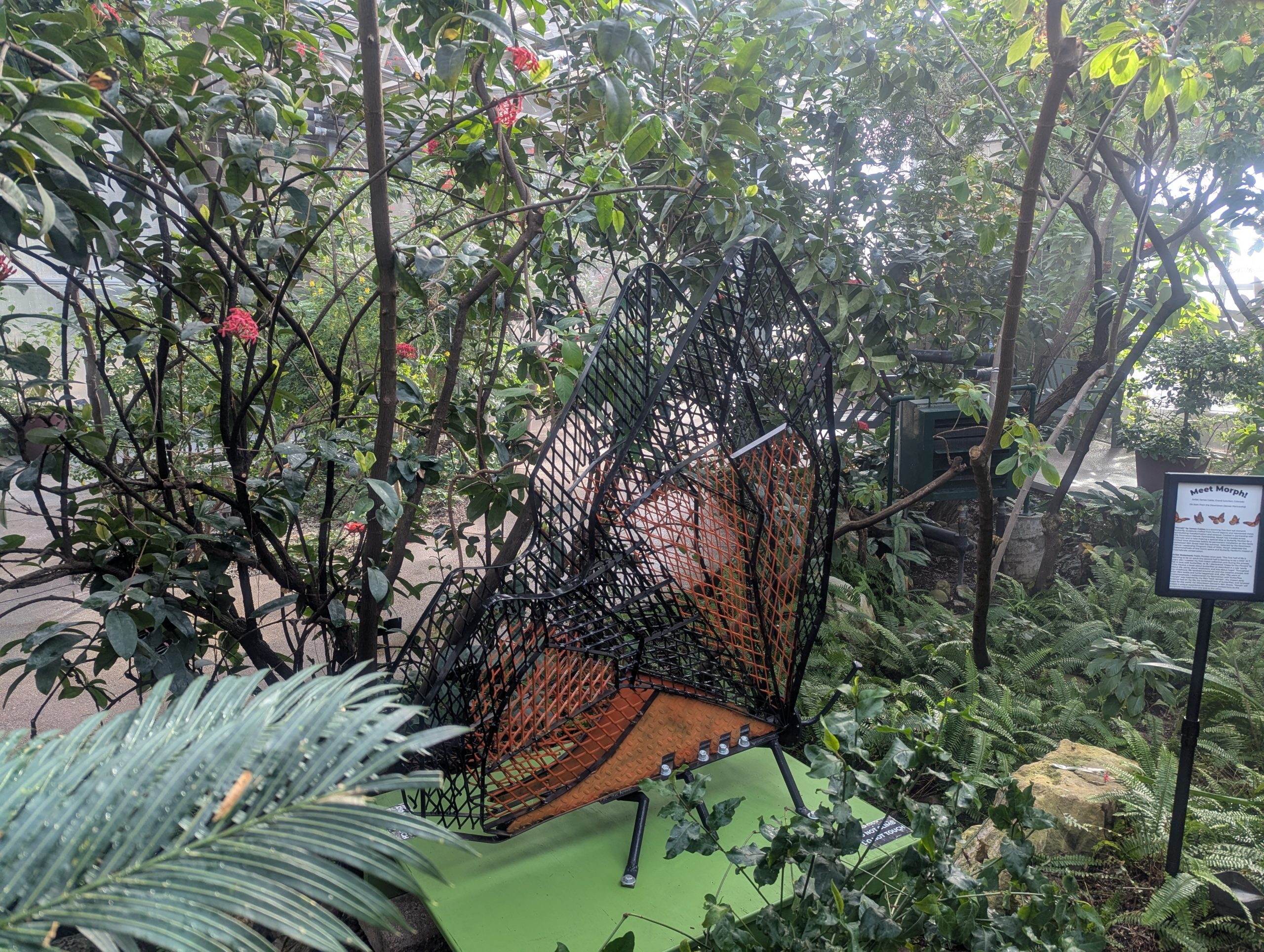
Cable was inspired to create Morph from his early love and education about butterflies and science. While his artwork is featured throughout Colorado, Morph holds special significance as a representation of hope and renewal for both the natural world and Denver’s evolving urban landscape. Morph is especially significant to Butterfly Pavilion as the Monarch butterfly was placed on the U.S. Fish and Wildlife Service’s threatened species list just last year after a population decline of 80% in the past 20 years. Additionally, Butterfly Pavilion recently partnered with the Government of Mexico in leading a critical effort to safeguard monarchs and their migration by restoring their wintering ground in Mexico’s Butterfly Biosphere Reserve. Before migrating to its permanent home on the newly revitalized 16th Street Mall, Morph will be on display at Butterfly Pavilion through the summer of 2025. Guests can visit Morph and experience its message of sustainability and metamorphosis firsthand. *Please note that in adherence to Butterfly Pavilion’s commitment to conservation and sustainable husbandry, all the monarch butterflies found inside the Wings Over the Tropic exhibit are sustainably sourced from ethical butterfly farms and not taken from the wild.
Written by Bailey Craig
Migrating Monarch Conservation Gardening
This past winter, the U.S. Fish and Wildlife Service proposed a rule to list Monarch butterflies as threatened under the Endangered Species Act. The iconic migration along the east side of the Rocky Mountains sees Monarchs flying from as far north as Canada, down to the Oyamel forests in Mexico. Most of these butterflies travel through the Great Plains Region of the United States, with the Front Range being the western boundary of the migratory pathway. Starting in March, the Monarchs begin their journey north again, reproducing and laying eggs as they go. The Monarchs continue north over multiple generations, limited by the availability of milkweed host plants and nectar sources for adult butterflies. This continues throughout the summer until late August, when the migration south begins again. In December of 2024, the overwintering populations occupied 4.42 acres of forest in Mexico, nearly double what was recorded in December of 2023 (2.22 acres). While this population jump is exciting news, 2024 still marked the second lowest year of overwintering Monarchs in the past decade. This information, along with the proposed conservation status, highlights the importance of conservation efforts for these magnificent butterflies.
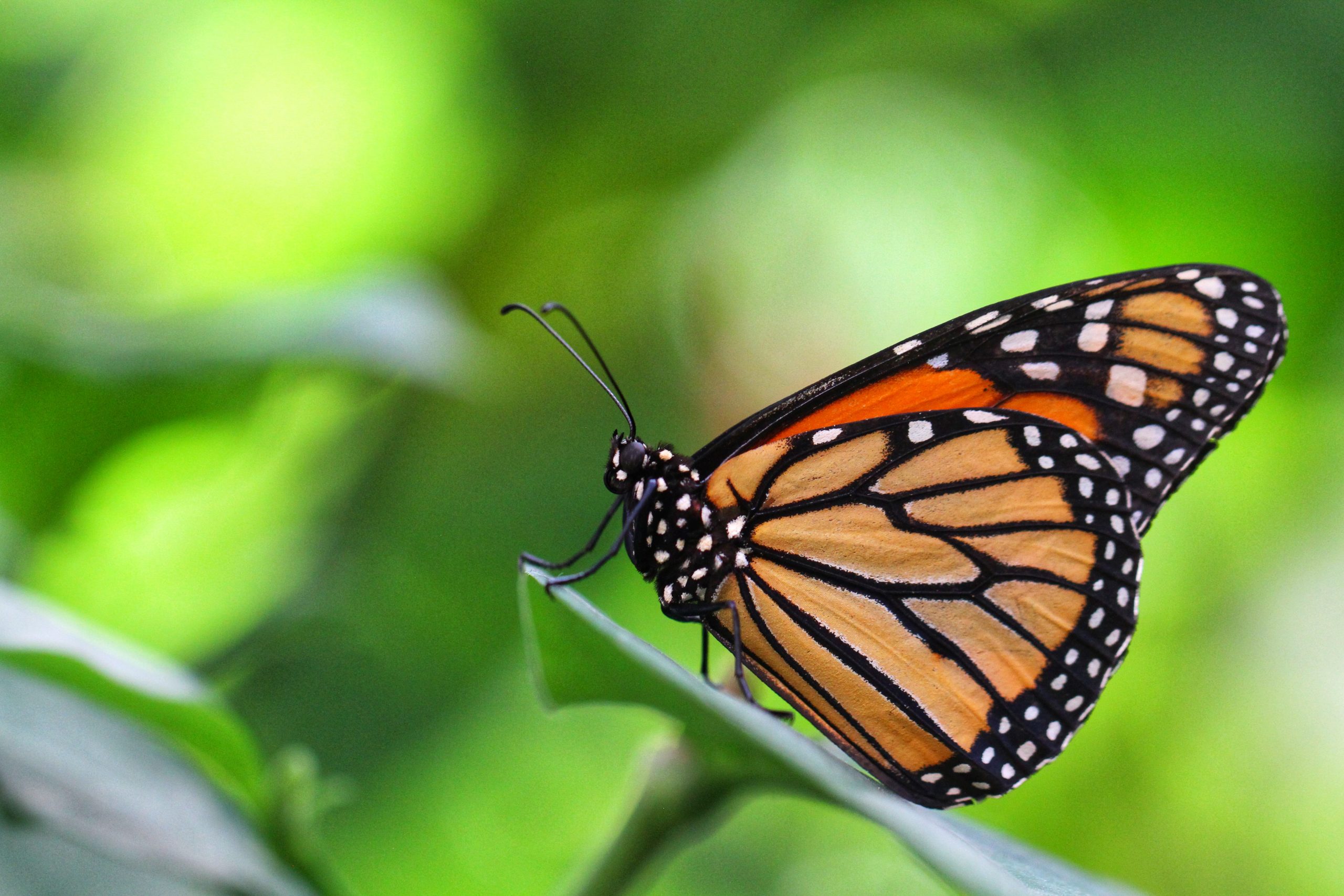
Gardeners in Northern Colorado can help support monarch populations by creating habitat in their own gardens. In addition to planting milkweed, having preferred nectar sources can attract not only Monarchs, but all kinds of native pollinators. Determining which plants are best for your garden can be overwhelming. We’ve composed a list of suggested plant species to support Monarchs, based off the most recent scientific findings.
Click the link to discover Preferred Nectar Sources for Monarch Butterflies in the Great Plains Region
Sources:
(Spaeth et al, https://esajournals.onlinelibrary.wiley.com/doi/full/10.1002/ecs2.70085), (MonarchWatch.org), (Xerces Society: https://www.xerces.org/sites/default/files/publications/19-019.pdf).
Early spring can be frustrating for gardeners. The weather can veer from heavenly to horrid in an hour. We begin to see green shoots but it’s too early to do much in the garden. So, to allay your frustrations, I will share with you a big garden project. It’s the perfect time to think about soil! Soil is the foundation of terrestrial habitats, and yet most of us know so little about it. We might think of it just as something to walk upon, or something that gets our hands dirty. But soil is a living ecosystem and for our above-ground ecosystems to be healthy, we also must care for the ecosystem under our feet. Soil is made up of organic material (decomposing vegetation and animals, roots, live fungi, live animals, bacteria) and inorganic material (minerals). All of these living things form a community that cycles nutrients and makes them available for plants, which in turn, make the planet habitable for us.
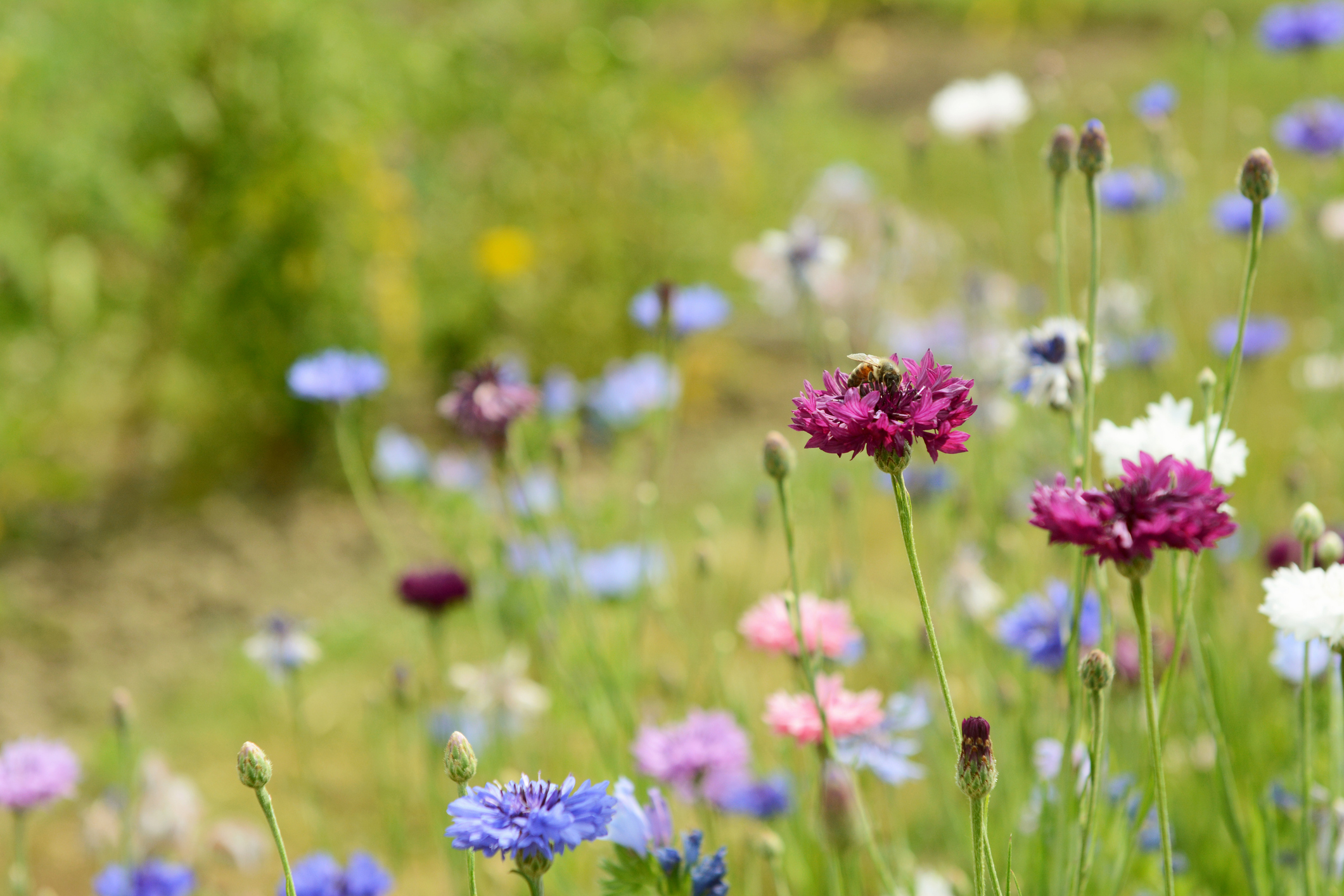
The texture and structure of soil varies depending on where you live, the result of eons of geological and biological activity. The soil where you live is affected by wetting/drying cycles, freezing/thawing cycles, root penetration, microbiology and animal activity, and interactions between elements in the soil. Complaining about soil is a gardener’s favorite pastime, but there are pros and cons to every type. Sand tends to have better water and air infiltration than clay, but clay holds nutrients better than sand. It is beneficial to have a balance of all soil textures in soil for both water and air infiltration, and nutrient absorption. All these characteristics influence how easy it is for a plant to grow, and you may find that you must amend your soil to be successful.
So, what are the top things you should do to have healthy soil in your habitat?
- Test your soil – It’s tempting to move forward with garden preparation before knowing exactly what kind of soil you have, but having a full diagnosis of soil texture and chemistry could save you money and effort over the long term. Most county extension agents offer soil testing for a reasonable rate, and their results are going to be the most reliable.
- Amend mindfully – Depending on what you are trying to grow (a pollinator garden vs. sweet corn, for example), you may not have to amend your soil much. Base your amendment strategy on your soil test results. Adding organic compost from a reputable source is usually a good tactic to improve porosity and nutrients, but I recommend a moderate approach. Too much at once may put too much salt in the soil or give you an exuberant crop of weeds.
- Minimize disturbance – We may all want to get in the garden right now, but especially when the soil is wet, the best course is to limit traffic. Every footstep compresses the soil which may make it more difficult for water to percolate or roots to grow. Instead, create pathways that allow you to maintain your garden without compacting gentle roots. Over-tilling can also lead to future compaction and loss of soil structure.
- Highlight native plants – Not only do our native plants offer resources to pollinators and birds, but they also have adapted to thrive in our challenging conditions. By including more native plants in our gardens, we have to do less adjusting of our soil and other features.
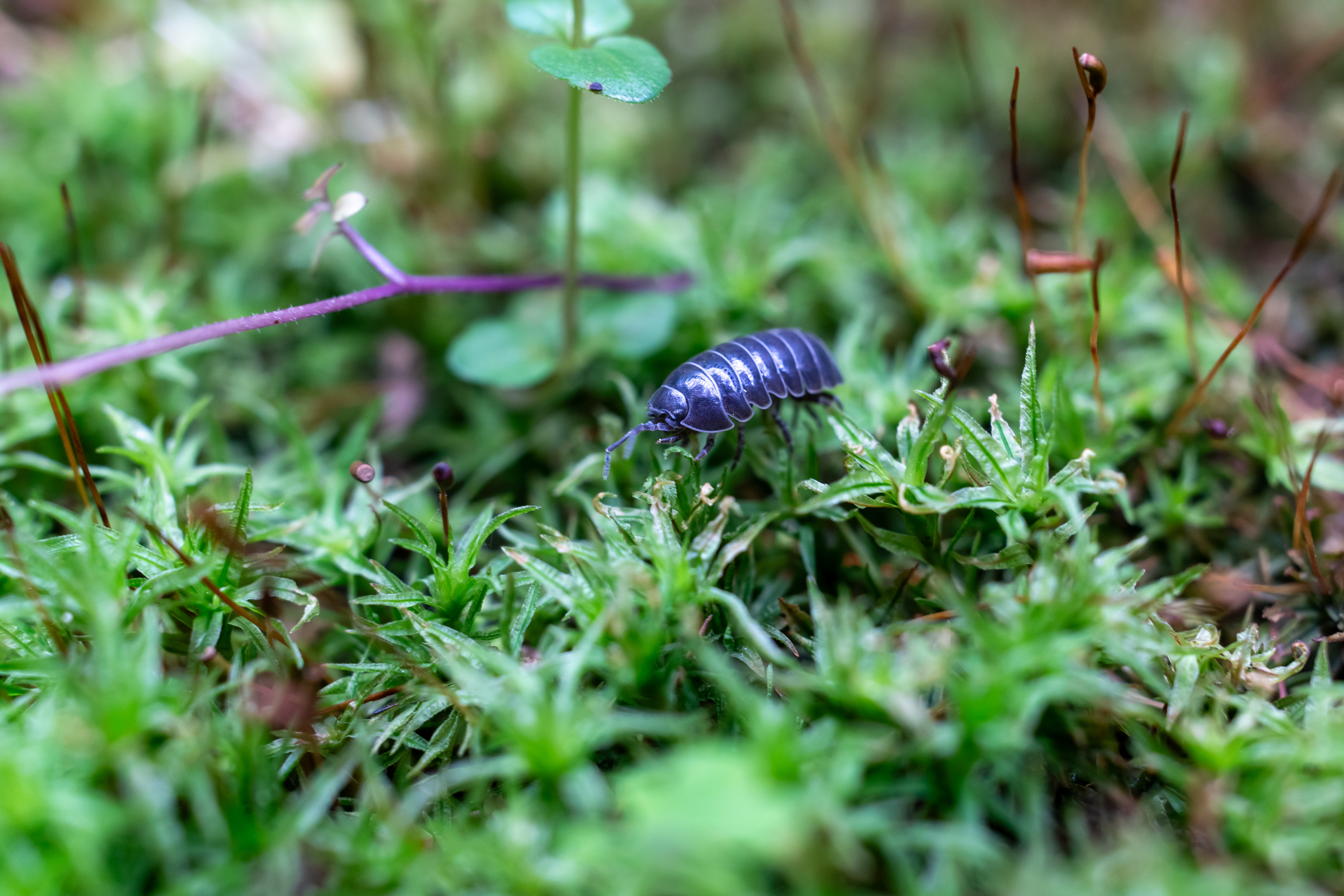
- Celebrate our soil invertebrates – When was the last time you were glad to see a roly poly or springtail? They may not be the size or color of a bumble bee or butterfly, but these creatures ensure that nutrients are available for the plants we’re trying to grow. Not only should we appreciate them in our garden, but we should also make sure they can thrive. Avoiding landscape fabric is a powerful way to promote biodiversity in your garden – helping your garden and the planet.
Written by Amy Yarger, Senior Director of Horticulture