
By Leanne Marguerite Deschenes, Registration Coordinator at Butterfly Pavilion
Fall is in the air. The sun is retreating earlier, casting that tell-tale pink haze over the mountainous horizon. In our own backyard, among the crinkling cottonwoods, we hear a cricket’s song slowing down. No longer a jazz riff, but a steady waltz. Monarchs hear the beat and begin their incredible journey to an Oyamel fir grove in central Mexico. Painted ladies drag their paintbrushes across the American southwest, finding their winter shelter in California. Could this be why some of what is found in-between is called the Painted Desert?
For many, these changes mean bringing the sweaters out of storage, jumping in giant piles of leaves, and apple cider. Here at Butterfly Pavilion, our educators have one big thing on their minds: back to school! This means more learners at Butterfly Pavilion. It also means more educators visiting students at their schools to turn classrooms and assembly halls into safaris, story times, and even ballet recitals through outreach programs! When we partner with terrific teachers, passionate paraprofessionals, and astute students in their own environments, the possibilities for learning become endless.
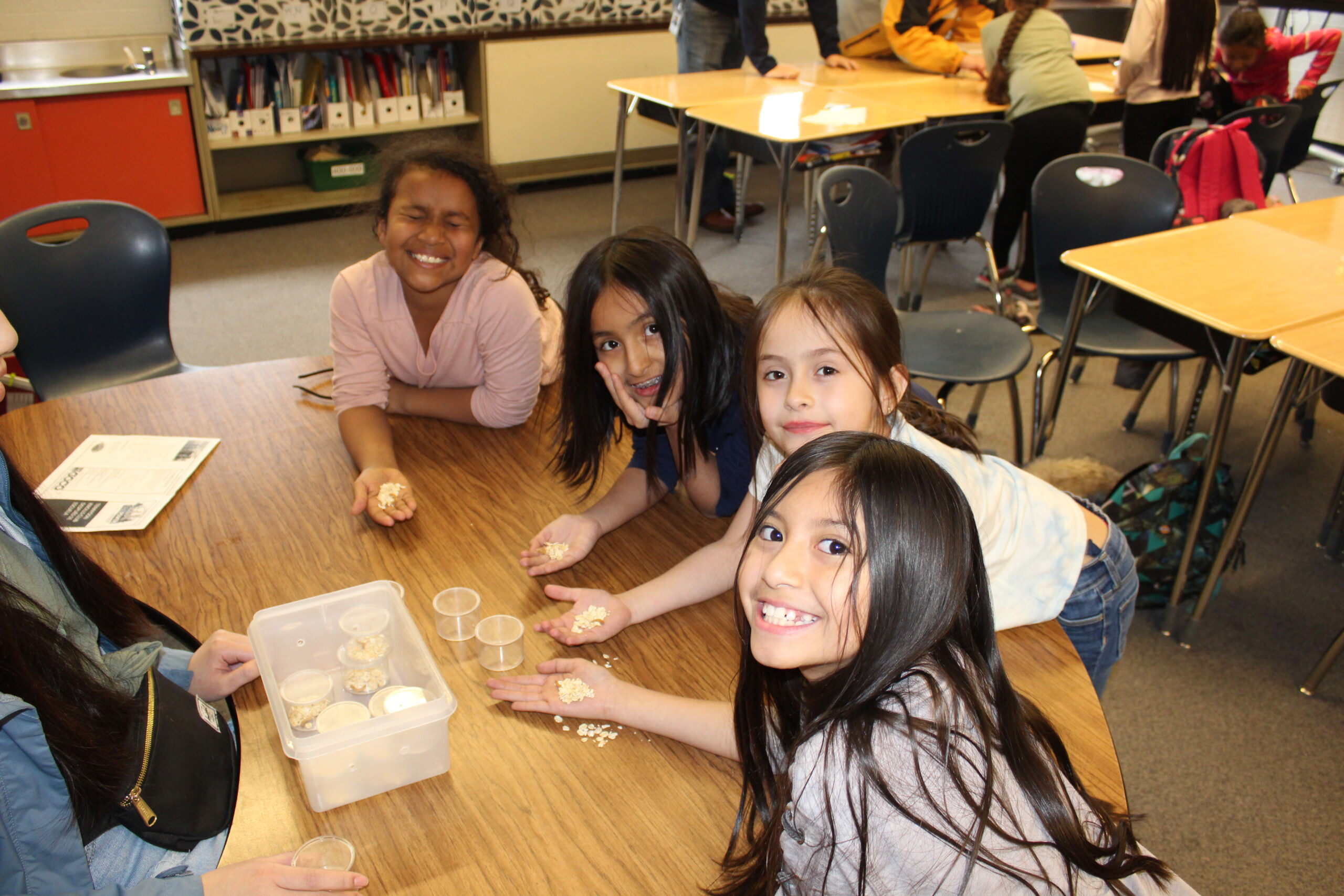
Our outreach programs are curriculum-aligned, so you can find a theme that suits your academic framework. We also have multiple options for each age group, from pre-K to adult. Do you have a crowd representing many ages? No problem! Bug Safari, which suits up to 60 participants from age three to adult, is a popular choice because it includes a variety of live animals. For even larger groups, I recommend either Radical Rainforests or booking back-to-back sessions. After booking one, each identical session is 15% off!
If you’re looking to get your students out of their seats, I recommend Metamorphosis Moves, a unique program in which Butterfly Pavilion partners with the Colorado Ballet to make metamorphosis come alive through dance. If you’re not leaping for the idea, Flutterby and Pollination Pals explore related themes but with different approaches.
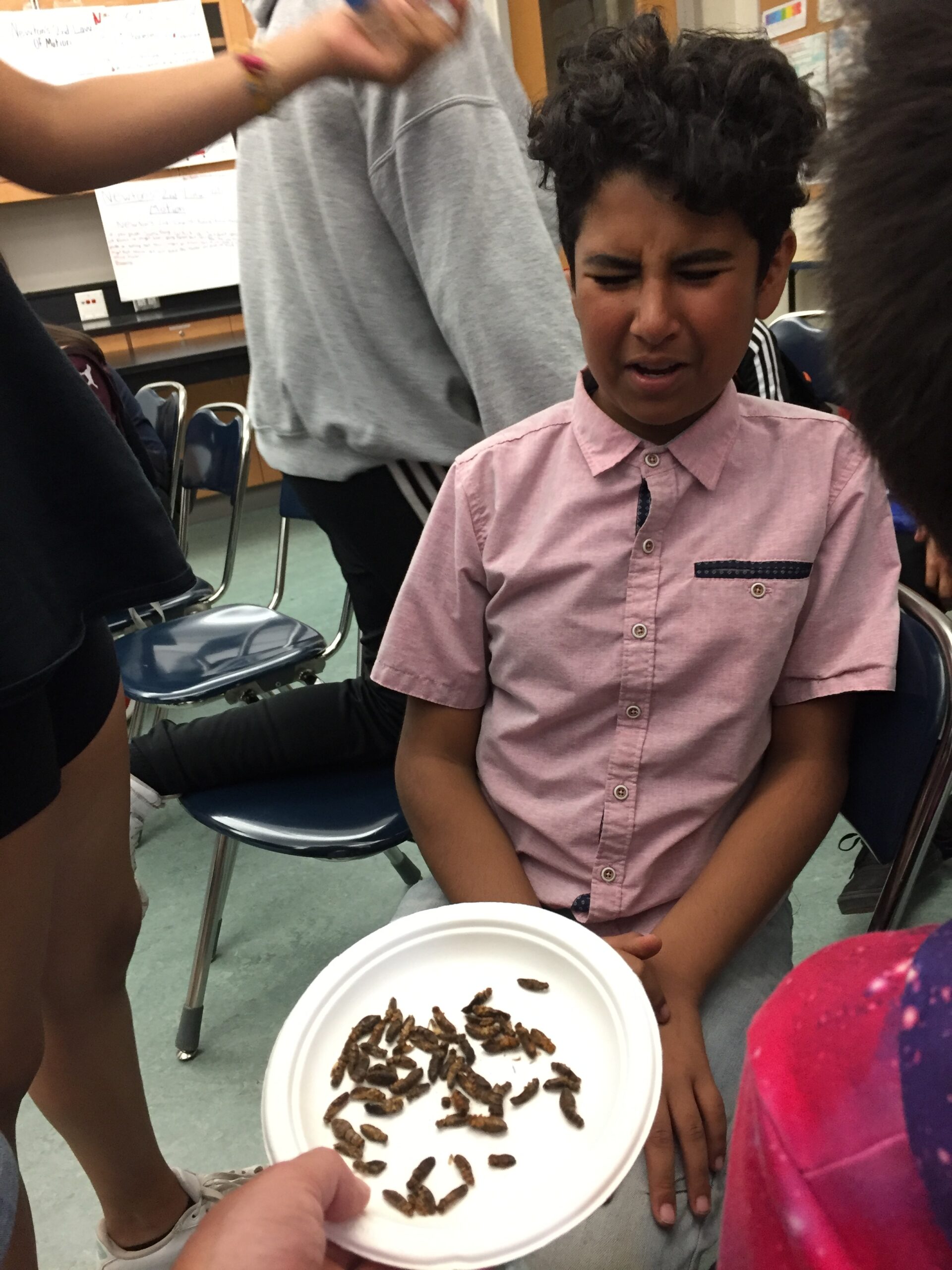
Bug Bites, a highly interactive program, allows students to learn about different cultures and even taste insects that star in global cuisine. One teacher who recently reserved Bug Bites testified, “(The students) had so much fun eating and learning about bugs! It was so cool to see them step out of their comfort zones and eat bugs! It is thanks to partnerships like yours that our program is able to offer students engaging, educational, and exciting field trips and presentations. Thank you for helping enrich our program!”
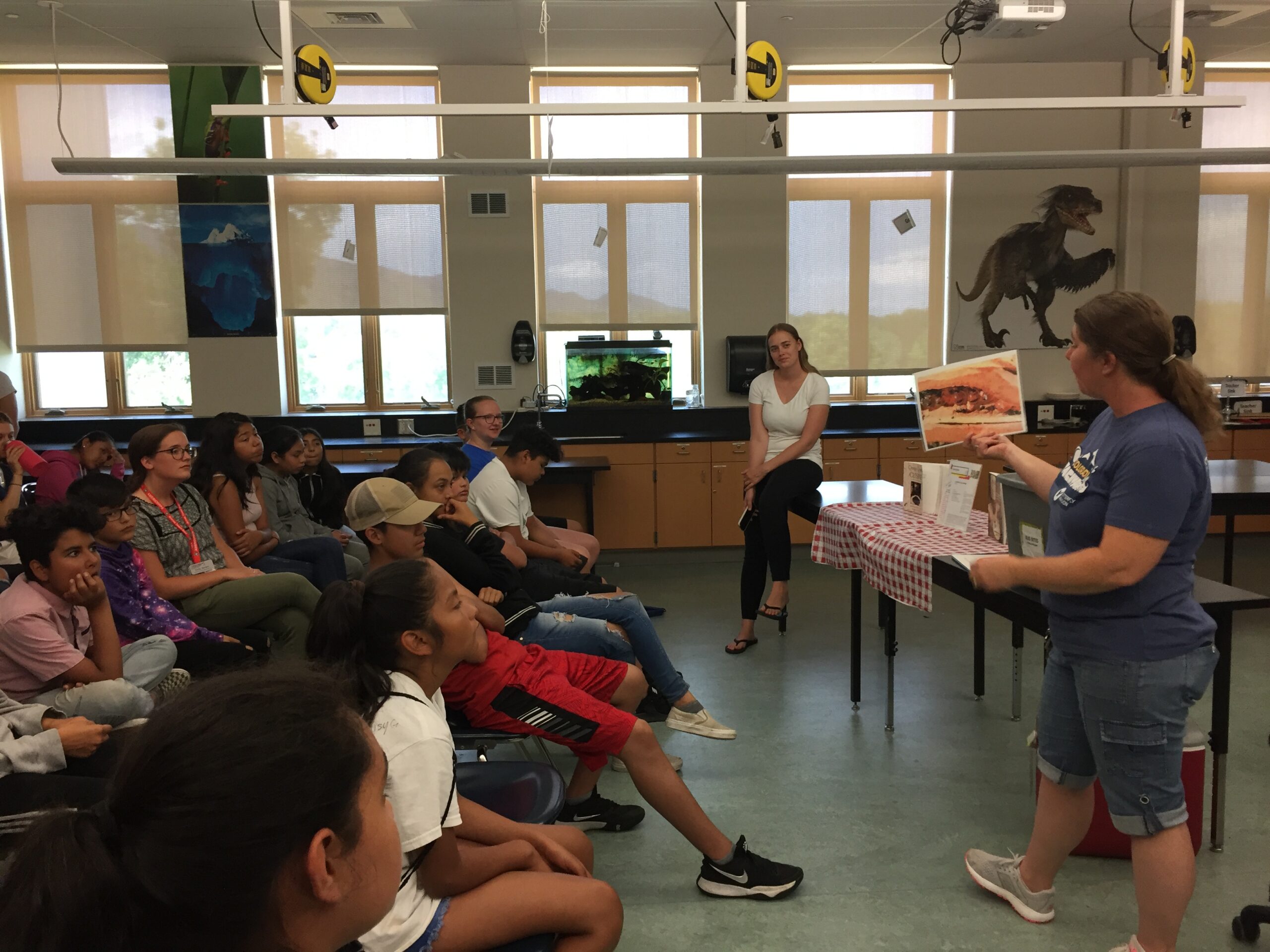
Our talented educators bring their rich backgrounds in formal and experiential education, field biology, creative arts and travel, while also adding their own unique touch to each class. They are well-qualified to serve participants from preschool to adult, and are trained in equitable and inclusive education to reach each diverse audience. According to our Education Coordinator, Claire Buckley, “Our educators are exceptional at creating fun, engaging, and impactful learning experiences. They bring their joy for teaching, vast invertebrate knowledge, and commitment to connecting with all learners to each program they deliver.” Don’t just take our word for it – book an outreach program today and see for yourself.
This fall, whether you are hunkering down with hot cocoa or hiking the high peaks, connect with us at Butterfly Pavilion – there are so many reasons to book an outreach session.
For more information you can call the Registration Coordinator, Leanne Deschenes (that’s me!) at 720-974-1861, or view our offerings and make your request online at butterflies.local/learn. We look forward to hearing from you, and wish you the best for back to school!
By Amy Yarger, Butterfly Pavilion Horticulture Director
If you live in Colorado, I can almost guarantee that you won’t see a polar bear or humpback whale moseying across your backyard. But I can guarantee that you will come in contact with another important and imperiled group of animals – Pollinators.
Pollinators are animals that play cupid for flowering plants, carrying pollen from one plant to another. We rely on pollinators, such as bees and flies, for many of our favorite foods, but we also have pollinators to thank for some of our favorite Colorado landscapes, from mountain meadows to prairies and wetlands. Recent reports, such as the National Research Council’s Status of Pollinators in North America, have documented declines in some pollinator populations due to many factors, including loss of healthy habitats.
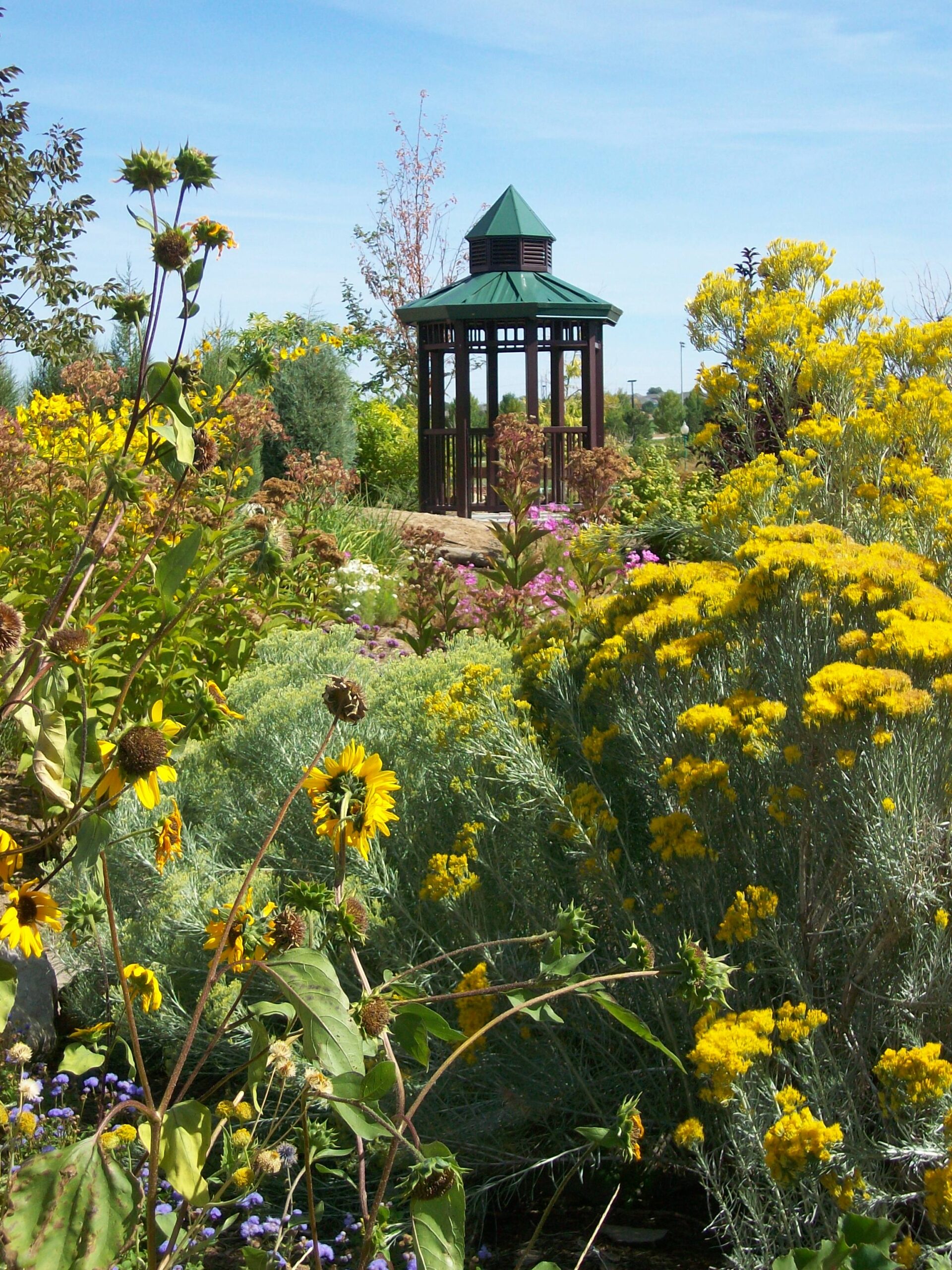
The good news is that everyone, no matter where they live, can improve this situation for pollinators. Pollinators are diverse, and found in every terrestrial ecosystem. Even if you live in a city, you’ll see bees, butterflies and other insects visiting park flower beds or hanging baskets. If you want to create your own pollinator sanctuary, all you need is some close observation, a little planning and the right plants.
Assess What You Have
The first step is to understand what pollinators are already in your area and what kinds of resources your personal habitat can provide for them. Walk around your neighborhood: are there many flowering plants in your neighborhood? If there is not very much outdoor space, do you have the opportunity to plant window boxes or pots with blooming plants? Are there community gardens in your neighborhood? Even if you aren’t an avid gardener, you can get some inspiration about easy changes you can make to your space. Look closely to identify what sorts of insects frequent your area. If a particular planting seems to have a lot of activity from bees and butterflies, ask around to find out where the plants are from. Finally, just as with any planting, get information about your local conditions: sunlight, access to water and soil, and base your plant selections upon what will do well in that situation.
Add Resources
When you begin to look at your surroundings through the eyes of a pollinator, you might notice that food and shelter can be hard to find in many urban and suburban landscapes. Although not the only part, blooming plants for pollen and nectar are a big part of any pollinator sanctuary. The overall goal is to add complexity and diversity to the landscape, instead of a monoculture (a single crop) of lawn surrounded by pavement. Ideally, your pollinator sanctuary would feature native plants: shrubs, perennials, grasses and annuals, to provide a buffet of flowers from early spring to late fall. If these blooms vary in height, shape, size and color, you will be able to serve up nourishment to everything from the tiniest sweat bee to the biggest swallowtail butterfly.
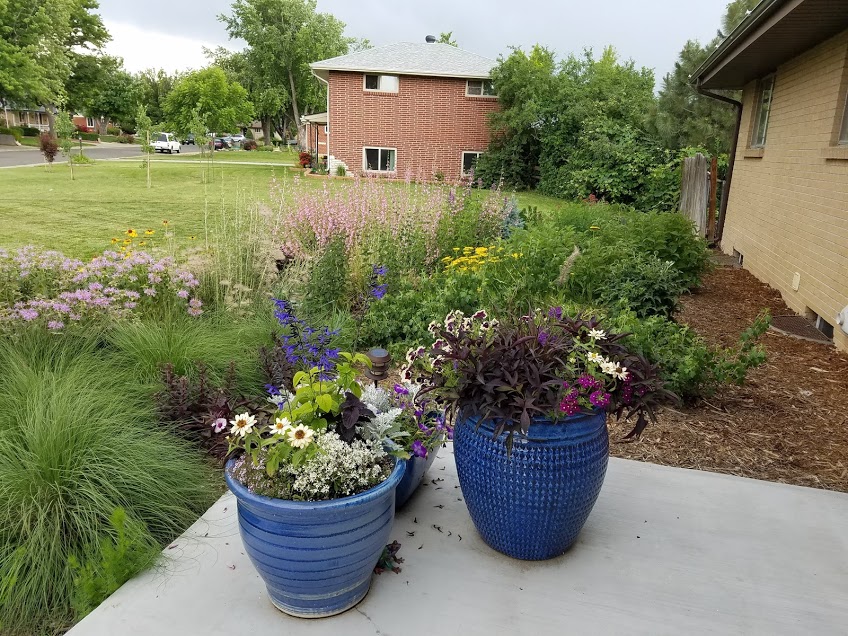
Beyond food for adult pollinators, though, there are many other resources pollinators need to thrive. A few well-placed trees, shrubs and vines can provide shelter from weather and hungry predators. The occasional boulder provides a warm-up spot on cool mornings for these flying creatures. For longer pollinator visits, encourage them to provide for the next generation of insects by installing nest boxes, planting larval food plants for caterpillars or even just leaving some bare earth for ground-nesting bees. If you are in a small space, don’t fear; even a few planters or window boxes will provide a “pit stop” for pollinators, connecting them from habitat to habitat.
Avoid Pesticides
A drive for absolute perfection isn’t healthy for anyone, and that includes pollinators. A pollinator sanctuary has different maintenance expectations than a putting green. Instead of focusing on the total eradication of every dandelion or slug, pollinator protectors choose an approach that maximizes the health of the plants in their habitats. By choosing tough, resilient plants that are well-suited to the environment, and then making sure they have the moisture, nutrients and light they need, less effort is needed to manage pests and weeds. When pests and weeds do threaten the health of your pollinator sanctuary, you still have effective tools in your toolbox, from physical barriers to beneficial predators.
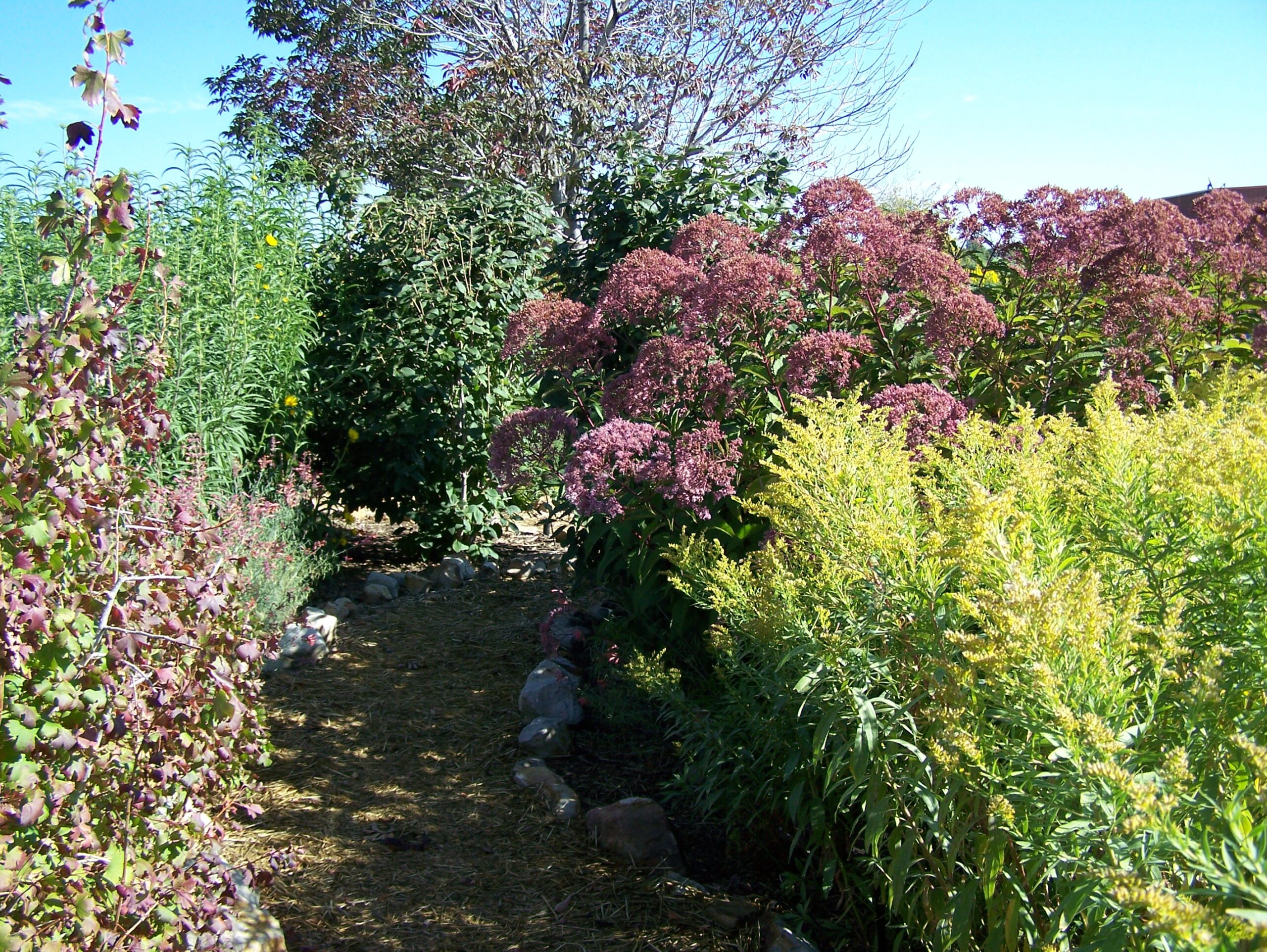
A few flowerpots on the stoop or acres of restored prairie can each make a difference for pollinators. All together, these sanctuaries create a habitat network transforming sterile landscaping to productive, lively and appealing places where we can connect with nature. Not only is this vital for butterflies and bees, it is beneficial for humans as well. The researcher Stephen Kaplan has noted that spending time outdoors, among plants and animals, measurably improves physical, mental and social well-being. For this reason, Butterfly Pavilion is working with MCWHINNEY to create the first-ever Pollinator District in Broomfield. A Pollinator District is a development, including businesses, schools, public facilities and parks, designed, constructed and maintained in such a way that pollinator habitat demonstrates a net gain over the footprint of development. This is an exciting opportunity to engage all of the people who live, work and play in the Pollinator District in this vital conservation work. In doing this work together, we can all think of ourselves as vital resources who become citizen scientists, beekeepers, gardeners and stewards of the land.
By Amy Yarger, Horticulture Director at Butterfly Pavilion
One of the best feelings is to venture out in the morning after rain and breathe in the fresh, moist air. In Butterfly Pavilion’s outdoor gardens, there’s not only the fragrance of moist leaves and soil this time of year, but a multitude of blooming plants competing for attention. Late spring and early summer feature some of our most perfumed plants in our outdoor gardens, so this is a great time to enjoy them.
The sweet honey smell of alyssum or the sophisticated aroma of an heirloom rose is actually a complex chemical signal plants send their pollinators, promising rewards and enticing them to carry pollen from one flower to another. As pleasant as some of these messages are to our noses, we must remember that plants adapt to their specific pollinating “cupids”. Fly-pollinated plants may come off as rather funky (or at least that’s the nice way to put it), while moth-pollinated plants put forth their fragrance during the evening. There’s something for everyone in the flower fragrance world!
Our blooms at Butterfly Pavilion are about two to three weeks later than usual, so we still are enjoying some of the late spring fragrances, as well those of early summer. Here are some to keep your eye (or your nose) on right now:
Showy milkweed (Asclepias speciosa) – Many people don’t realize that this native monarch host plant has a delicious, almost vanilla-like scent. Large stands of this plant will perfume the air all around them.

Chocolate flower (Berlandiera lyrata) – If you close your eyes and sniff, you may get notes of cocoa powder, nuts, vanilla and/or honey from this southwestern wildflower. I find that people always say it smells like chocolate… when you tell them the name ahead of time.

Silver fountain butterfly bush (Buddleia alternifolia) – Unlike Buddleia davidii, B. alternifolia is a “one and done” bloomer, but it goes gangbusters when it does, filling the air with a sugary fragrance. Swallowtail butterflies invariably find it and make it part of their daily route.

‘Ruby Voodoo’ Rose (Rosa ‘Ruby Voodoo’) – Many popular roses have been bred for specific colors or longer-lasting blooms, reducing that intoxicating rose fragrance. This PlantSelect selection has vivid dark pink petals, but the true magic is the aroma, which combines sweetness with almost a wine-y tang.

Mock orange (Philadephus lewisii) – This native shrub can thrive in Colorado’s unpredictable climate and still be as sweet and fresh as a bridal bouquet every May-June.

By Calais Thomas, Programs and Evaluation Lead at Butterfly Pavilion
When you hear the phrase “Toxic Terrors,” what is the first thing that comes to mind? Spiders? Cockroaches? In the United States, many of us have been taught to fear these animals from a very young age. However, here at Butterfly Pavilion, our goal as educators is to help people discover just how fantastic – and not terrifying – these animals actually are and inspire a respect and admiration for their contributions to our world. It’s incredibly important that we do so to ensure a healthy planet for future generations. Here’s an inside look at how the magic happens at our zoo.
When interacting with learners of all ages, we work to be approachable and patient. We never pressure anyone into an experience that will make them uncomfortable – gentle nudges only! The goal is for people to leave their invertebrate encounters with positive feelings, even if they didn’t directly interact with the animal. By creating comfortable and encouraging experiences, we can show invertebrates in the best light possible and begin to build more positive associations with these animals.
Through one-on-one conversations with guests, we address the preconceived notions people have about invertebrates and ask them to see the world through eyes of the animal. For example, when working with our well-known ambassador, Rosie the tarantula, the communication goes something like this: “No, Rosie is not out to harm any one of us; at most she wants to feel safe and well-fed. Isn’t that something we all want?” It turns out we have much more in common with invertebrates than we may initially realize. Highlighting this fact builds empathy and appreciation for these critical animals.
If you’re familiar with Butterfly Pavilion’s work, you may recognize the theme “Toxic Terrors” from last year’s Bugtober, our month long Halloween-themed celebration. Every year, during the month of October, our exhibits transform to celebrate the fascinating and mysterious world of invertebrates that we may traditionally see as “creepy” or “crawly.”
When we selected the “Toxic Terrors” theme, it wasn’t to incite fear. Like our other programming, the goal of Bugtober is to develop an appreciation for these animals, beyond what one may assume from their appearance. We highlight common misconceptions about animals that pose no threat to humans, as well as just how awesome their abilities really are. For example, we are often afraid of poison and venom, however, these toxins produced by some invertebrate animals not only allow them to expertly survive in their environment, but also have benefits to humans. Chilean Rose Hair tarantulas, like Rosie, have venom that has been used in medical research seeking to prevent irregular heartbeats. Though she has venom, Rosie is one of the most docile species of tarantula out there and safe to hold. But even if she did bite, her venom would affect a human about a third as much as a bee sting. Not so scary after all!
But you don’t have to take my word for it. Guests gave their feedback during Bugtober, which revealed how their view of “Toxic Terrors” changed after visiting our exhibits. Before they explored this themed experience, we asked guests what words or phrases they associated with the phrase “Toxic Terrors.” Then, we asked them again after they explored our exhibits. Both sets of responses are shown in the word clouds below.
Left: Responses to “Before coming today, what is one word you would have associated with the phrase ‘Toxic Terrors’?”
Right: Responses to “After coming today, what is one word you will associate with the phrase ‘Toxic Terror’?”

As you can see, the most popular answer for both was spiders, but the words surrounding them changed. Before interacting with our exhibits and educators, guests may have thought that spiders were truly dangerous and associated them with words like “death” and “scary”. Afterwards, they are still recognized for being toxic at times, but were instead associated with words like “amazing” and “interesting”.
At Butterfly Pavilion this is our mission in action. We transform the way people think about invertebrates and facilitate conversations with our invertebrate experts that help our guests better understand and appreciate these tiny giants. Every staff member at Butterfly Pavilion loves and respects these animals, and every day we are incredibly excited to help our guests to feel the same way. Visit our exhibits to explore, discover and appreciate these animals with us!
There’s no need to worry. Butterfly Pavilion is here to tell you all you need to know to stay in harmony with these invertebrates!
It’s summer! Time for camping, hiking, rafting, climbing and all the other incredible outdoor activities us Coloradans know and love. However, we’re not the only ones that enjoy the delightful conditions of this season. As we all know, mosquitos and ticks also share our spaces with us in the great outdoors. But there’s no need to worry. Butterfly Pavilion is here to tell you all you need to know to stay in harmony with these invertebrates!
There are several reasons why mosquitos and ticks enjoy this time of year. They get their heat from the outside in, so it’s easier for them to be active and function in warm conditions. Also, most of their food sources – both plant and animal – die during the winter, so summer months provide more opportunities to get a good meal. In addition, mosquitos have a resting stage in the winter, emerging as adults in spring. They then breed and leave behind newly-produced offspring that live for the rest of the summer.
Though it may be tempting to write them off as only a nuisance, mosquitos do serve many purposes. They are food for other animals like bats, insects, birds and lizards. Without mosquito larvae, for example, hundreds of species of fish would have to adapt to another food source. Also, mosquito larvae feed on decaying organic material and other microorganisms, producing detritus, or organic material that adds nutrients to the soil. Many adult mosquitos also depend on plant nectar for energy, serving as pollinators for thousands of plant species.
Ticks also contribute to ecosystems. They serve as food for many reptiles, birds and amphibians. Ticks are also known for spreading disease, which has contributed to their negative reputation. However, disease spread by ticks in the wild can actually help control wildlife populations. Ticks also help us track the health of ecosystems. If a surge in tick numbers occurs, it may indicate a problem with animal populations higher up the food chain.
But even with all this in mind, the main question on our minds is still “how do we avoid being bitten?” Here are a few tips and tricks for a happy summer!
- Avoid standing water. It’s mosquito breeding ground! Remove any receptacles from your backyard that may gather water and keep an eye on your surroundings while enjoying the outdoors.
- Use insect repellant. As a natural option, the Center for Disease Control (CDC) recommends the oil of lemon eucalyptus. Studies have shown it to be just as effective and long-lasting as chemical products. Check out this video to make your own spray at home.
- Wear protective clothing. In areas with more mosquitos or ticks, it’s a good idea to wear long pants, long-sleeved shirts and closed-toed, sturdy shoes with socks. Many outdoor clothing companies offer breathable options for hotter days.
- Check for ticks after you’ve been outside. It’s important to check yourself and your pets, just in case. WebMD provides step-by-step instructions for safe removal.
Visit Butterfly Pavilion to learn more about invertebrate animals living right in our backyard and around the world. There’s so much to discover!
Butterflies at Chatfield Farms
By Mary Ann Colley, Vice President of Science and Conservation at Butterfly Pavilion
Spring has arrived and (when it’s not raining) plants and flowers are blooming everywhere in our gardens, parks and open spaces. With this spring bloom marks the opening of Butterflies at Chatfield Farms; our seasonal butterfly house home to hundreds of native Colorado butterflies such as Monarchs, Queens, Painted Ladies, Black Swallowtails, Red Admirals, and Clouded Sulphurs. There more than 50 indigenous plant species in this garden. The rest of the plants (about 20 species) were chosen for the nectar production for butterfly food and are not native species in Colorado. Butterflies at Chatfield Farms is presented through a partnership between Denver Botanic Gardens and Butterfly Pavilion and is now open for its sixth the season!
Butterflies at Chatfield Farms is a great collaboration between two Scientific Cultural Facilities District (SCFD) members. Each year, Butterfly Pavilion constructs a seasonal house at Denver Botanic Garden’s Chatfield Farms, a 700-acre native plant refuge and working farm located along the banks of Deer Creek in southern Jefferson County. While we put up the house, Chatfield Farms creates an immersive experience – planting local and tropical plants, creating a unique and beautiful habitat. Once the plants are settled, we release butterflies into their new home.
This house is in many ways is just like the butterfly house here at Butterfly Pavilion. We are regulated by the United States Department of Agriculture USDA and must ensure that we are meeting all containment guidelines for animal and habitat welfare. What sets Butterflies at Chatfield Farms apart is its intimate and local feel. The house is surrounded by Chatfield Farm’s lush gardens and sits alongside their large lavender garden, where there are 19 varieties and over 2,000 lavender plants.
For a change of pace, travel south and visit Butterflies at Chatfield Farms. It is a truly unique experience where Butterfly Pavilion and Denver Botanic Gardens meet to create a fun and educational experience.
8500 W Deer Creek Canyon Road
Littleton, CO 80128
May 25 – Sept. 2, 2019
9 a.m. – 3 p.m.

Red Admiral on Verbena.

Family admiring a Red Admiral butterfly.

Julia Longwing on grass.

Zebra Longwing on Verbena.

Red Admiral butterfly landing on a guest.

Monarch on Pothos.

Mourning Cloak on Alyssum.
By Mindy Wagner, Interpretation Manager at Butterfly Pavilion
It’s hard to believe that World Oceans Day is almost here! Every June 8th people all over the world, including folks here in “landlocked” Colorado, gather to celebrate our oceans and the wonders of life found within them. Here at Butterfly Pavilion, we celebrate the aquatic diversity of invertebrates throughout the year in our Water’s Edge exhibit, and World Oceans Day is no exception—it is one of our favorite days of the summer!
As a native Coloradan (yes, it’s Coloradan and not Coloradoan), my heart belongs to the mountains. I grew up hiking through muddy trails in the spring and cheering on the Broncos with two blue and orange braided pigtails. I decided early on that I was going to help protect the animals and plants that call our state home. It wasn’t until I started working at Butterfly Pavilion that I grew to appreciate oceans as an immense resource, discovering just how connected to it we are, despite being thousands of miles away and a mile high above sea level.
The beautiful snow that falls in our mountains every year provides epic snowboarding and skiing opportunities, as well as thrilling white water rafting. With the Continental Divide running through our majestic mountains just west of Denver, the water in Colorado’s creeks, streams and rivers will eventually find its way to the Gulf of Mexico and the Gulf of California. Here in Colorado, we have an important responsibility to keep our waterways free of trash and other pollutants to ensure a clean water supply for our oceans. It all starts with us.
Now, I know that helping to protect the water in our oceans seems like a very big and somewhat overwhelming task. However, individual action has a powerful impact. So how can we help?
Use less plastic products. Bring reusable water bottles with you wherever you go and use reusable cloth bags at the grocery store. On top of my grocery list, I always write “GRAB REUSABLE BAGS,” so I don’t forget.
Purchase sustainable seafood. At Butterfly Pavilion, we provide Seafood Watch Guides © to help us all purchase seafood that is caught or farmed in environmentally friendly ways. You can also download the app on your Apple or Android device.
Don’t litter. This is something we’ve all heard since elementary school, but it still rings true to this day. Putting our waste in the proper trash, recycle or compost bin can keep pollution out of our waterways and prevent them from becoming harmful microplastics. Microplastics are small plastic pieces less than five millimeters long, about the size of a sesame seed, which can be harmful to our oceans and the animals that live there (NOAA 2019).
Reduce your carbon footprint – Drive less. Walk, bike, take the bus or light rail and carpool more!
We all want our world, and the amazing opportunities it provides, to be healthy for our children, grandchildren and beyond. I hope you will join Butterfly Pavilion in taking small actions to protect our water here in Colorado, ultimately protecting the health of our oceans. Visit Butterfly Pavilion on World Oceans Day on June 8th to get inspired through live animal feedings in Water’s Edge, sustainable giveaways, art and crafts and more!
An outdoor movie, nature walks, crafts, giveaways and more, in honor of pollinators.
- Outdoor Movie Night will take place outside on the front lawn of the invertebrate zoo in Westminster on June 21.
- Rice’s Honey® is a proud sponsor of the Butterfly Pavilion and its global PACE initiative to increase awareness of the importance of pollinators.
- Butterflies at Chatfield Farms opens tomorrow!
Media note: Photos, video and other editorial material is available by request. Rosie the Tarantula, other invertebrates and scientific experts are available for media appearances and interviews. Contact kstewart@butterflies.org
Westminster, CO – May 24, 2019– Colorado’s Butterfly Pavilion, the world’s only stand-alone Association of Zoos and Aquariums-accredited invertebrate zoo, is rolling out the red carpet to celebrate National Pollinator Week with a FREE outdoor movie night featuring Bee Movie, June 21, 2019, presented by Rice’s Honey. The 2007 Golden Globe-nominated CGI-animated film was created by Jerry Seinfeld, and stars Jerry Seinfeld, Renée Zellweger, Matthew Broderick, John Goodman, Patrick Warburton, and Chris Rock.
National Pollinator Week is a time to celebrate pollinators and spread the word about the critical role they play in our ecosystem, as well as address the urgent issue of declining pollinator populations.
“At the Butterfly Pavilion, we will observe this week in our signature style – by combining science, education and fun for the entire family,” said Butterfly Pavilion President and CEO, Patrick Tennyson. “It is also a perfect time to raise awareness about our PACE program and the crucial research done at Butterfly Pavilion to protect invertebrate pollinators.”
Pollinator Awareness through Conservation and Education (PACE) is Butterfly Pavilion’s global initiative to increase awareness of pollinators and promote habitat and species conservation and restoration. Through a combination of conservation and education programs, PACE works to create a better world for pollinators, making a better world for all of us. https://www.butterflies.local/
“Rice’s Honey® has always been committed to providing natural, delicious, U.S. only raw & unfiltered honey, while also supporting local American beekeepers and promoting the importance of pollinators,” noted Tony Landretti, Chief Executive Officer of Rice’s Honey®. “We believe our continued commitment to Butterfly Pavilion by supporting PACE and other fun, family events like this is an important way to champion pollinators now and for generations to come.”
Before Bee Movie takes center stage, kids and adults of all ages can enjoy a fun evening of arts and crafts, guided nature walks, a ladybug release, special give-a-ways and more. Local food trucks iPIE and Ba-Nom-a-Nom Nice Cream will be on site with food and dessert for purchase. Doors open at 6:00 p.m., and activities begin at 6:30 p.m. Bee Movie begins at sundown. While the outdoor movie night is free, limited space means tickets are required. They are available starting June 1, 2019 at butterflies.local
Butterflies at Chatfield Farms opens Saturday
Memorial Day Weekend is the perfect time to visit the Butterflies at Chatfield Farms, which opens to the public on Saturday. This seasonal habitat at Denver Botanic Gardens Chatfield Farms is home to hundreds of native Colorado butterflies such as swallowtails, monarchs, mourning cloaks and painted ladies. Butterflies at Chatfield is a partnership between Denver Botanic Gardens and Butterfly Pavilion. The habitat is open daily through Labor Day. Learn more at butterflies.local under the “exhibits” tab.
Now Open – Colorado Backyard
Butterfly Pavilion’s newest interactive exhibit connects guests to the rich and diverse life that surrounds us in the Centennial State, with a goal of inspiring greater commitment to conserve our natural treasures in Colorado and beyond. Colorado Backyard features live animals, indoor play structures, an immersive exploration station, a rotating exhibit area and invertebrate photography by talented individuals from the community. The exhibit also hopes to equip visitors to take small, but impactful, actions every day that can ensure these hidden heroes are protected for the future. Colorado Backyard is included in general admission.
Summer Events
Summer at Butterfly Pavilion comes alive with pollinators and pollinator events. This summer’s events include Nature Nerds Family Club workshops (starting June 1), the Zoo Snooze Overnight Adventure (June 28) and much more. Learn more at butterflies.local/Events
Butterfly Pavilion is open 9:00 a.m. to 5:00 p.m. daily at 6252 West 104th Avenue in Westminster. Learn more about Butterfly Pavilion on Facebook or by visiting butterflies.local.
# # #
About Butterfly Pavilion:
Butterfly Pavilion is the world’s only stand-alone, Association of Zoos and Aquariums-accredited invertebrate zoo dedicated to transforming the way people think about the small but mighty animals that are the hidden heroes of the animal kingdom. As the leader in invertebrate knowledge, inspiration and connection, and as a member institution of the Scientific and Cultural Facilities District, Butterfly Pavilion works to foster an appreciation of these critical animals by educating the public about the need to protect and care for threatened habitats globally, while conducting research for solutions in invertebrate conservation. Whether it is providing unique, hands-on learning experiences in our exhibits and educational programs, conducting new research that sets the standard for zoos across the country or building innovative solutions for species and habitat conservation in countries around the world, Butterfly Pavilion is leading the way in ensuring invertebrates are protected for the future. Learn more at butterflies.local.
About Rice’s Honey®:
L.R. Rice founded Rice’s Honey®, headquartered in Greeley, Colorado, in 1924. The company remains committed to its founder’s mission of being the leading producer of high quality, raw & unfiltered honey sourced exclusively from local beekeepers throughout the US. The Rice’s Honey®, brand, Local Hive™, can be found across grocery retailers nationwide, and features 16 varietals of local, American, raw & unfiltered honey that are exclusively sourced in the US. For a full list of products, and locations visit: https://localhivehoney.com/find-a-store
The Rice’s Honey® partnership with PACE, the Butterfly Pavilion’s global initiative to increase awareness of pollinators through public engagement, education and restoration/conservation programs will help inform consumers about the importance of pollination. One of every three bites of food eaten worldwide depends on pollinators. Without them, there would be no fruits, nuts, vegetables, oils or most flowers and they contribute more than $24 billion to the United States economy.
Butterfly Pavilion Media Contacts:
Kristen Petitt Stewart, kstewart@butterflies.org or 970-389-1561
Russ Pecoraro, Vice President of Marketing and Communications, rpecoraro@butterflies.org or 720.375.9984
By Diane Metzger, Brand Manager
Last year on World Oceans Day, Butterfly Pavilion partnered with Whole Foods to provide the community with free canvas bags to encourage the reduction of single use plastic. More than 8 million tons of plastic are dumped into our oceans every year, 50% of which was manufactured for single use.
This waste is catastrophic for ocean animals and habitat, entangling marine life and contributing to the destruction of coral reefs. Here at Butterfly Pavilion, we believe in the power of small actions to make a big impact. By giving out reusable bags we saw an opportunity to educate the community on the ways in which each of us can conserve the ocean every day, even from our land-locked state of Colorado.
But upon delivery to our zoo – we couldn’t believe it – all 700 bags included our name, but it was misspelled.
Not wanting to showcase the mistake, while also not wanting to throw them away, we left the bags to hibernate in a storage closet. A year went by and it seemed as though they would never be put to good use. When planning this year’s World Oceans Day celebration, the question of what do with the bags came up again. After some brainstorming, we realized that all we needed to do was look to our very own message to find the answer. Reduce waste, conserve our world.
Rather than throwing these bags away, we saw an opportunity to tell the story of our mistake and help the community re-imagine the use of items one would usually call “trash.” We’re all human. We’re not perfect. But we do have the power to make choices that are small, but impactful, for our community and the planet. This World Oceans Day, we’ll be handing out those canvas bags – misspelled name and all – to tell the story of how we’re walking-the-talk of conservation. These sustainably-made bags can still serve the purpose for which they were intended, helping us to limit the amount of waste we produce.
In the future, we’ll still giggle about the marketing faux pas, but we’ll feel good knowing that we shared something sturdy, useful and sustainable with our community. Visit us on June 8th from 9 am – 5 pm to grab your very own misspelled Butterfly Pavilion canvas bag and take action to conserve our oceans! Enjoy activities, live animals, special presentations and more, all included with General Admission.
Have questions? Email us at marketing@butterflies.org.
By Julie Ann Barowski, Volunteer Program Manager at Butterfly Pavilion
Chances are if you’ve visited Butterfly Pavilion, you’ve engaged with many wonderful volunteers. Whether you’re digging for worms in the Dugout, asking questions about the thousands of butterflies in Wings of the Tropics, or feeling the texture of a horseshoe crab or sea star, your experience was undoubtedly made richer thanks to the knowledge, dedication, and inspiration of our volunteers.
Currently, more than 600 volunteers and interns generously donate their time to Butterfly Pavilion each year.
Each and every volunteer works hard to ensure our exhibits are well kept, our animals receive exceptional care and each guest walking through our doors has a meaningful experience. As our CEO Patrick Tennyson puts it “Over the years I have come to intricately depend on the amazing contribution of our volunteer team. These individuals have shaped the impact and influence of this organization for 24 years now. From our dedicated animal care and floor interpreters to garden and office support to our Board of Directors, they are an amazing attribute and asset to our business operations.”
Outside of exhibits, volunteers also play a crucial role out in the field on Butterfly Pavilion conservation projects, doing everything from restoring open space to collecting essential data on butterflies and dragonflies that inform future conservation decisions. They truly make our critical work in invertebrate research, conservation and education possible.

In celebration of National Volunteer Week on April 7th – 13th, we asked Butterfly Pavilion staff members to tell us what they appreciate most about working with our volunteers. Here are some of the highlights from our diverse departments:
“We wouldn’t bloom without our committed, enthusiastic horticulture volunteers. They put in hundreds of hours a year to plant, weed, water, and trim our conservatory and gardens. Restoration Master Volunteers are the backbone of our habitat restoration projects in the area. Their hard work and expertise make our urban open spaces a true jewel of the community!” – Amy Yarger, Horticulture Director
“Gary Clarke was a very important part of the installation of Colorado Backyard and continues to be a valuable team member for the Exhibits Department. One recent example is the above-and-beyond job of refurbishing the habitat for sunshine the turtle in Wings of the Tropics.”
-Ken Hoke, Exhibits Director
“Georgina did an exceptional job a few weeks ago, stepping up for an ESL class (English as a Second Language) and translating the majority of the class from English to Spanish!”
– Colleen Farrell, Educator
“Our volunteers’ commitment and dedication to Butterfly Pavilion enriches our guests’ experiences and those of our staff, both professionally and personally. We just wouldn’t be able to create so many memorable experiences without them!”
– Mindy Wagner, Interpretation Manager
“Rita is an amazing volunteer! She dedicates hours every week helping Guest Services, Membership, Education and Volunteers by answering phones, making calls to schools, entering membership information and recording volunteer hours. She is an absolute joy to work with and everyone loves her. She has even chosen to become president of the volunteer network that helps support our volunteers. We are so lucky to have Rita helping us out!”
– Julie Webster, Guest Experience Manager
“We are so lucky to have such talented and passionate volunteers helping us tell the Butterfly Pavilion story. In exhibits, at community fairs, in their social circles and more, volunteers educate the community on what we’re doing and why it matters. We also have Social Media Interns, like Breann, who bring outstanding creativity and energy, taking our digital communications to the next level. We couldn’t do it without you all!”
– Diane Metzger, Brand Manager
“I love our volunteers & would not be as successful or as happy without them! They are the reason why Butterfly Pavilion feels like a family. I love seeing our volunteers participating and having a great time in our programs – they are some of my biggest supporters! They really live the mission. Here is a picture of me & Norma in Mexico.”
– Marissa Copan, Community Programs Manager

Here are a few great ways for you and your family to join the National Volunteer Week celebration:
Thank a volunteer in person at Butterfly Pavilion! The simplest acts can often be the most meaningful! You can spot our volunteers throughout the facility wearing green uniforms.
Join the team and volunteer with Butterfly Pavilion. Visit our website to learn more about working alongside other fantastic volunteers as a core exhibit volunteer or by supporting a citizen science project.
Help us spread the word. Do you know a great teen looking for a summer volunteer opportunity or have a friend with a passion for gardening? If so, encourage them to check out the wide variety of opportunities at Butterfly Pavilion.