Butterfly Pavilion and Bureau of Land Management Colorado Collaborate to Research and Conserve Invertebrates
June 17, 2024 · Blog
Butterfly Pavilion is partnering with the Bureau of Land Management Colorado (BLM CO) to estimate the diversity and relative abundance of daytime pollinators on BLM CO-managed land. This project will examine several habitats that represent the more than 8.3 million acres of public land in Colorado. Butterfly Pavilion and BLM CO scientists will provide baseline survey data on invertebrates across the western half of the state. These efforts will help inform conservation of these species, including those proposed for listing under the Endangered Species Act, such as monarch butterflies (Danaus plexippus) and western bumblebees (Bombus occidentalis).
These animals make up 97% of all species on earth. Invertebrates have no backbone, yet they are the backbone of all life on earth. They are the basis of most food webs, pollinate the vast majority of flowering plants, decompose waste, aerate the soil, and improve water quality. Life on our planet would collapse without them. Conserving these vital animals means conserving life as we know it.
Baseline data is needed for public land to properly implement management strategies that preserve biodiversity and protect invertebrate species. In the last four decades, conservation biologists have estimated a 45% decline in invertebrate populations worldwide.
Butterfly Pavilion entomologists and researchers have already surveyed over 60 locations across the west. Locations are co-selected with the BLM and represent major ecosystem types in Colorado including sagebrush regions, grasslands, arid deserts, forest, and alpine regions. Survey locations span across the four major watersheds in Colorado (Upper Colorado, Rio Grande, Arkansas-White-Red, and Missouri Rivers).
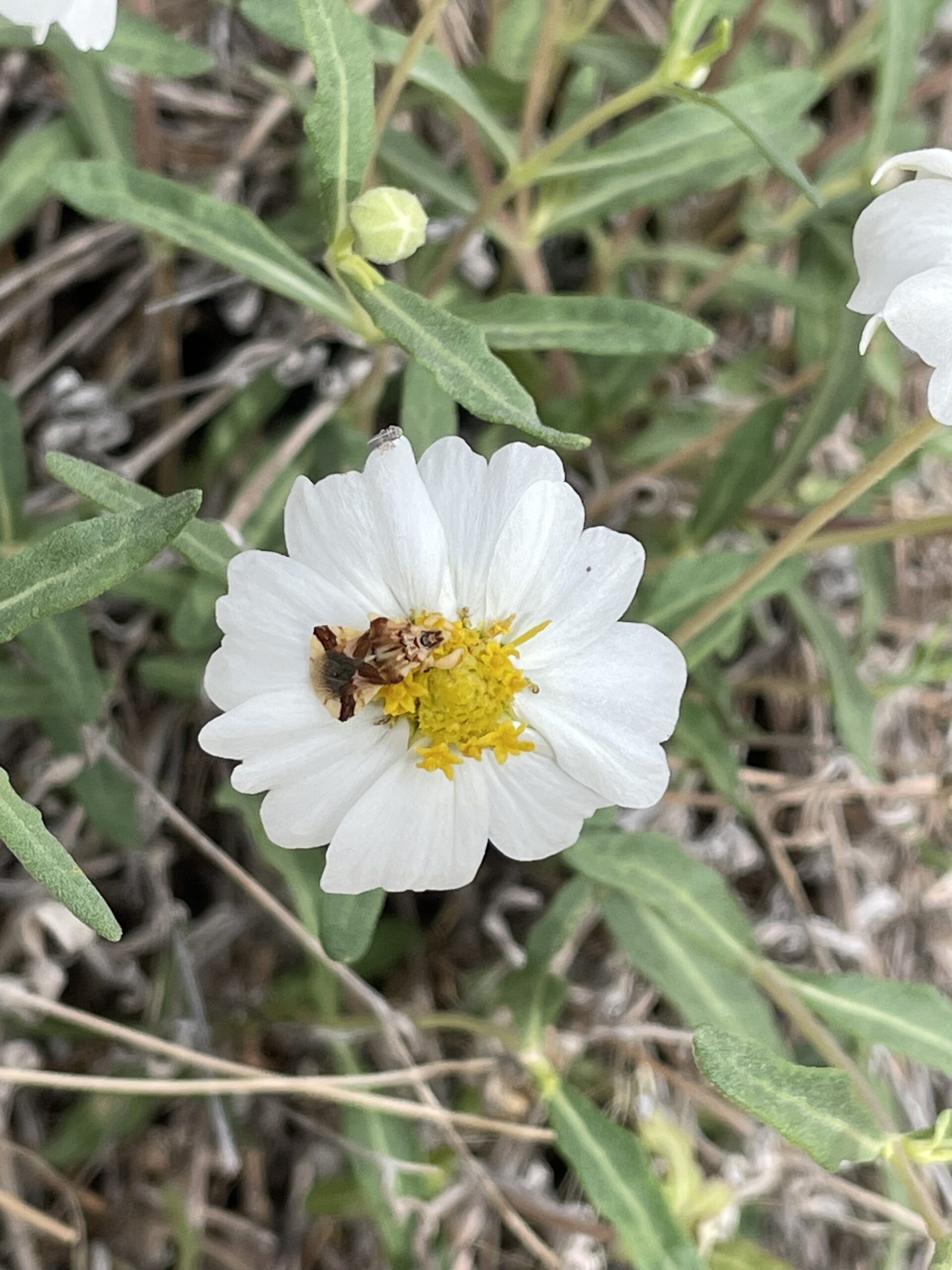
During these surveys, researchers record which species are present, how many of each species are present, and what flowers they are visiting. Each morning, traps are set at sample sites, and specimens are collected at the end of the day. During the wait, researchers use net to collect invertebrates on flowers. Peak hours for most invertebrates are mid-to-late mornings to early afternoons when it is warmest.
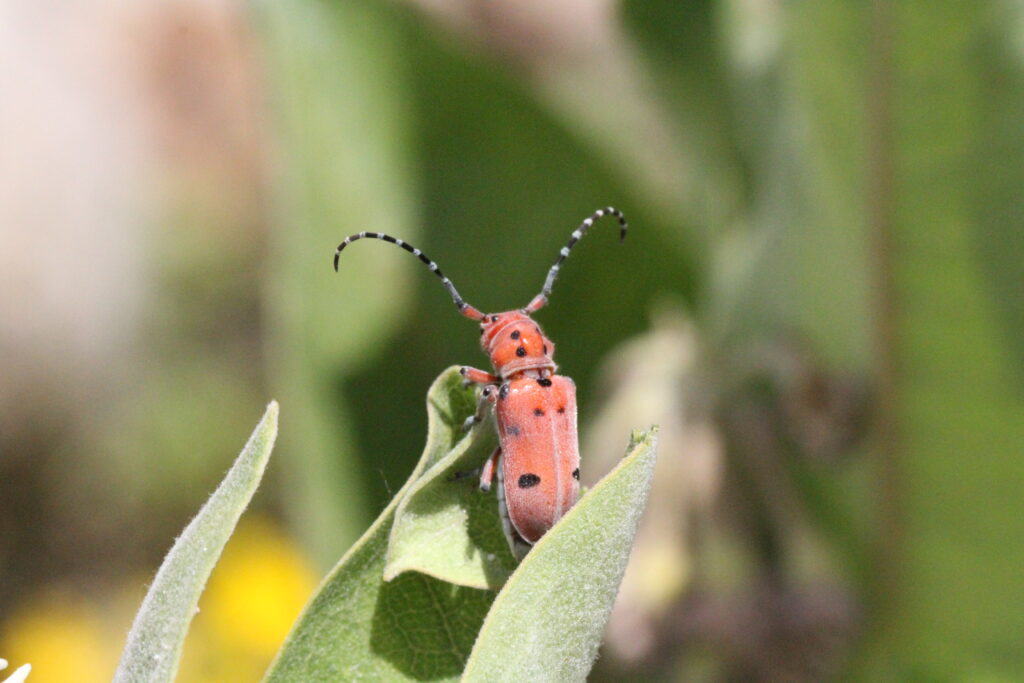
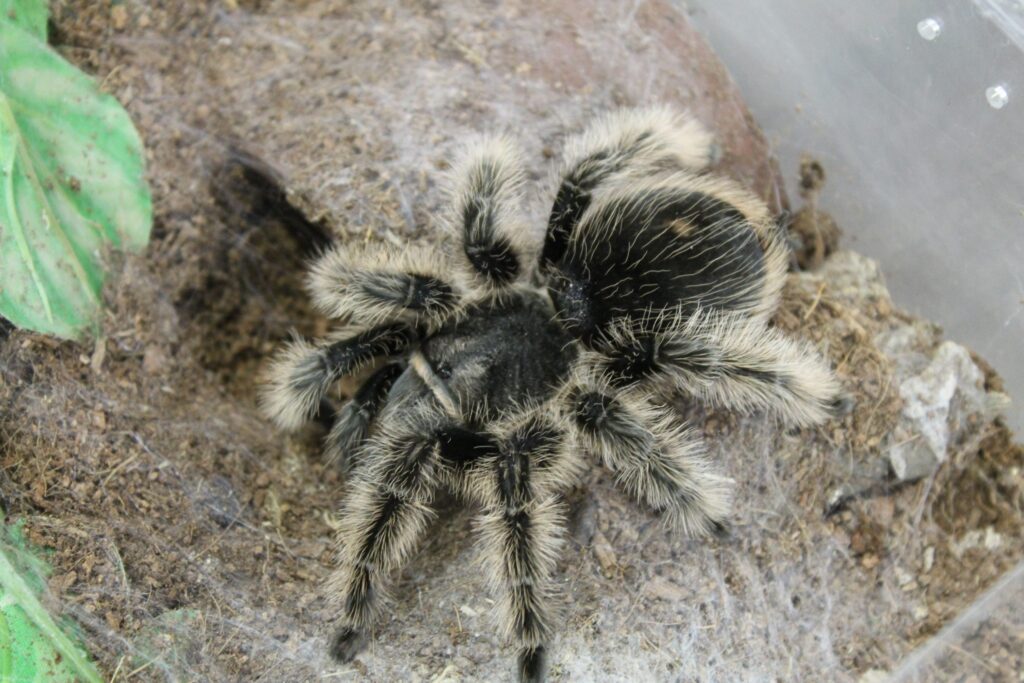
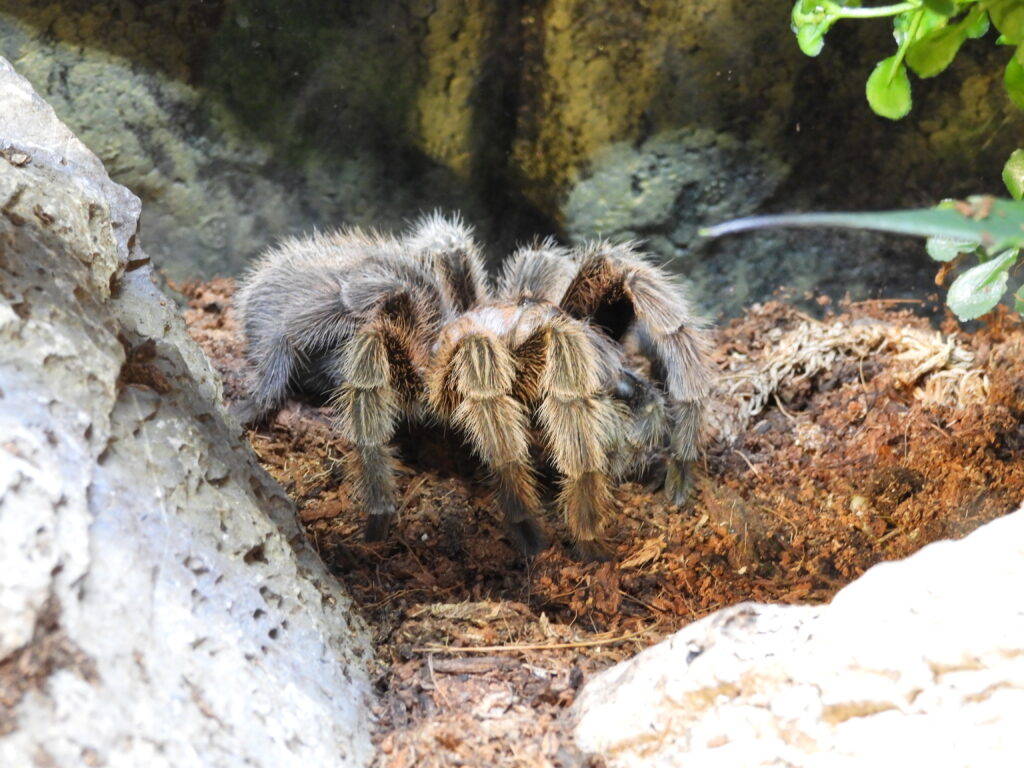
However, this is not always the case. Andrew Draper, the project coordinator for pollinator research, recalls a stormy day that prompted multiple velvet ants to emerge from the ground. ,“Flying invertebrates such as bees thrive in warmer weather, while velvet ants burrow to escape the heat. As soon as cloud cover appeared, so did the velvet ants..” Our researchers have seen many different invertebrates in the field, such as swallowtail butterflies, bumblebees, beetles, wolf spiders, and many more. Butterfly Pavilion researchers work diligently in the field, so much so that friendly sweat bees often land on them to collect their perspiration as they survey the areas!
The data and samples collected from this project will help inform future land management decisions, better describe pollinator species in the area, and understand their conservation needs. Scientists are examining species abundance and diversity between sites to best inform our scientific conservation and education recommendations. The data, including flower association, is also used to update our pollinator gardening and Environmental and Ecological Services recommendations. All findings will be submitted to the BLM to support the Endangered and Threatened Species Program working to protect sensitive populations in Colorado