Butterfly Pavilion Continues to Help Lead Bioblitz with Colorado State University
October 7, 2021 · Blog
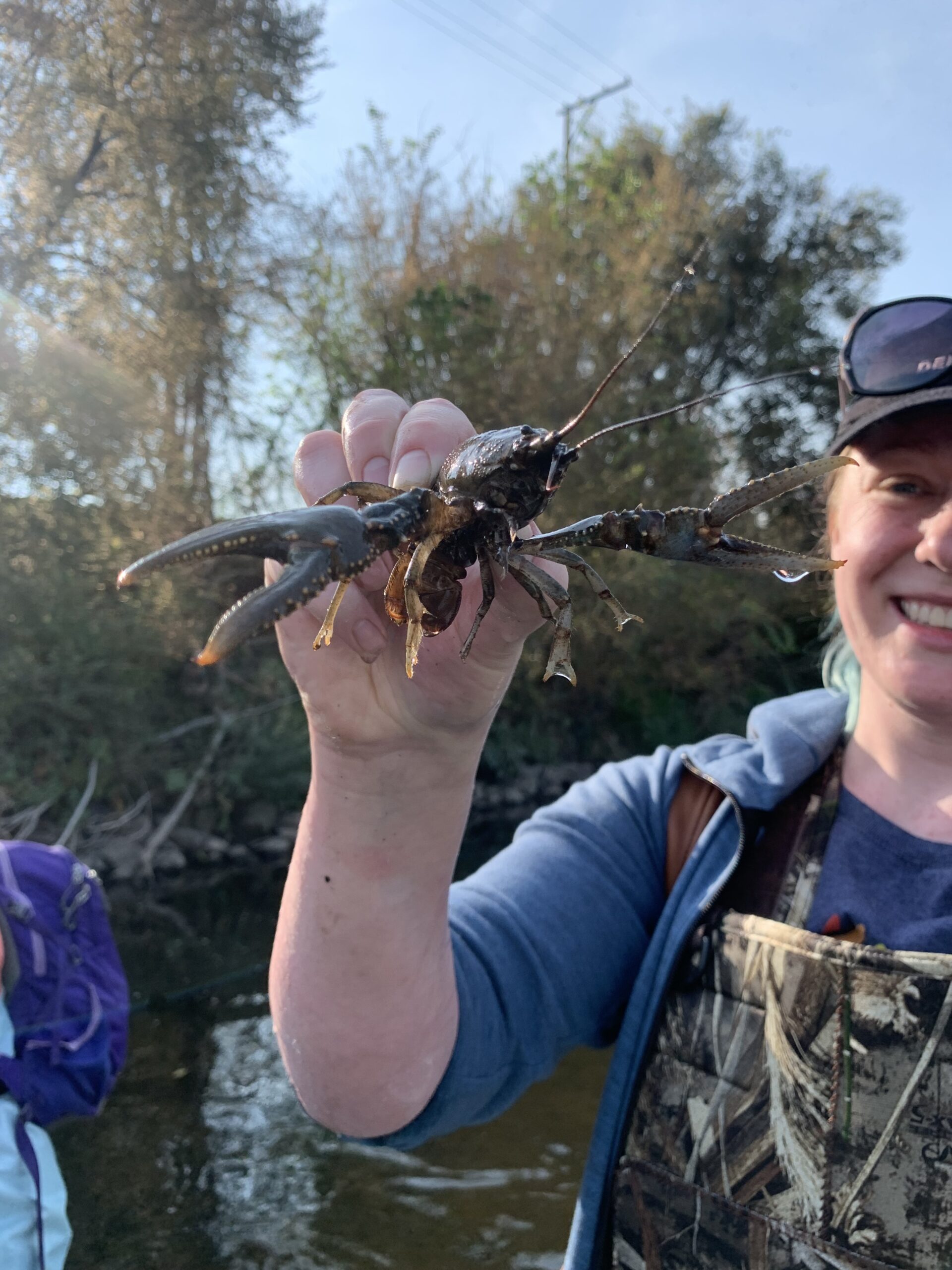
Butterfly Pavilion was at the forefront of the Colorado State University’s (CSU) BioBlitz when the project was first initiated in 2017. The BioBlitz will assess the plants and animals around three buildings CSU is constructing for their new Spur campus along the South Platte River. The SPUR campus forms part of the 250-acre re-development of the National Western Stock Show site. The first survey fieldwork for the project was conducted in 2019.
A bioblitz is a rapid, intensive period of biological surveying in which teams of scientists, students, teachers, and other community members work together to find, identify, and record all living species within a specific area. Coordinated by CSU, the survey data will help build a biological baseline of species as development transforms the city. The goal for the bioblitz is to track changes in the ecosystem and biodiversity of this area and eventually open it to the public as a community science event.
According to Rich Reading, Director of Research and Conservation, Butterfly Pavilion, who has been involved in the project from the beginning, “We became involved because of our expertise in invertebrates and are helping CSU assess the potentially beneficial impacts of their work to create pollinator habitat on their SPUR campus.”
The BioBlitz will also hopefully help local people understand the importance of restoring nature in general and especially pollinators. On September 23, to help foster community engagement, Rich and Lorna McCallister, Target Species Manager at Butterfly Pavilion, led a group of student volunteers from the Community College of Denver with bioblitz surveying in and along the South Platte River.
The group wore waders to walk in the water to ten sampling locations along the river’s edge. At each site, five collection methods were used to survey for aquatic and terrestrial invertebrates, including:
- Seine nets were placed in the water to capture invertebrates that team members kickup in the riverbed, including crayfish, freshwater clams, leeches, and stonefly and dragonfly larvae.
- Mesh aerial nets targeted and caught flying insects, such as cabbage white butterflies and grasshoppers.
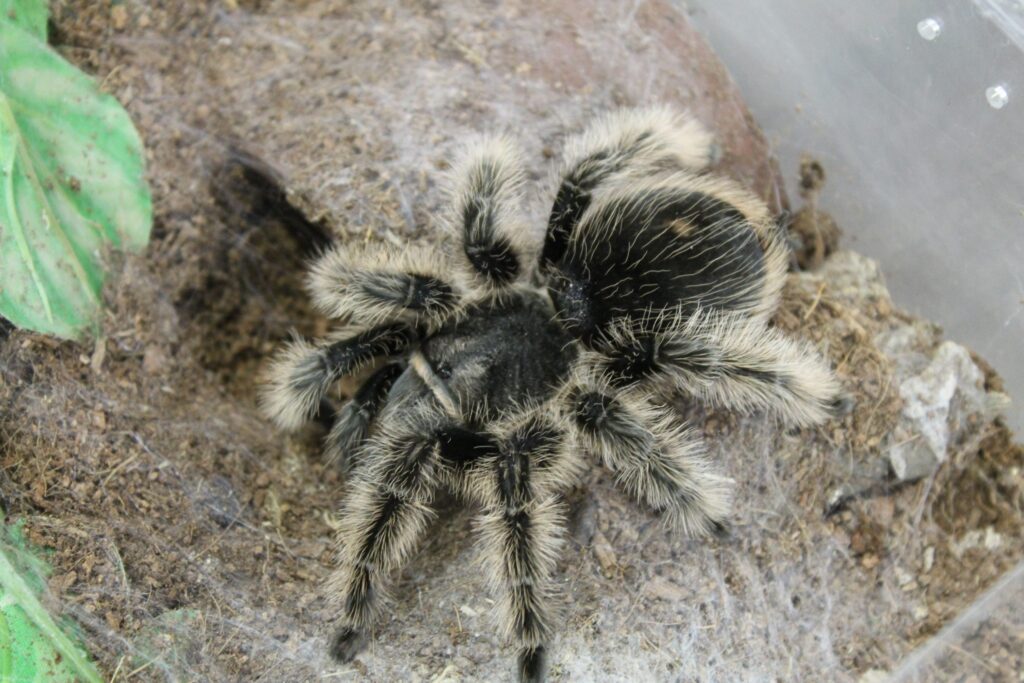
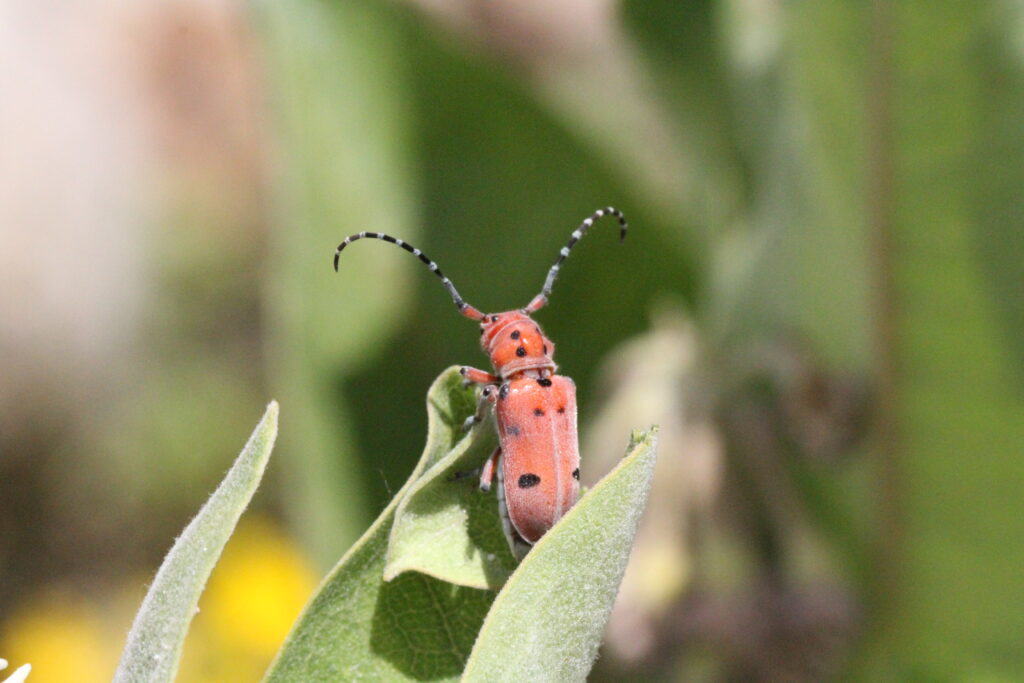
- Hardier sweep nets swept through the brush to collect invertebrates, such as bees, wasps, ants, beetles, spiders, and others from plants.
- White, yellow, and blue water pan traps were placed at each site to collect small insects such as wasps, bees, flies, and beetles. The pan traps are shallow bowls filled with water and soap (to break the water tension). The different colors attract different types of insects.
- And lastly, pitfall traps, a cup with a funnel dug into the ground, were placed at each location to catch crawling insects, such as ground beetles and ants, which inadvertently fall inside the trap.
“With this recent bioblitz, joined by volunteer students, we are already involving the local community, but hope to increase this participation in the future,” said. “Restoring pollinator habitat and pollinator populations will help the local community by restoring the beneficial aspects of nature in an urban environment.”
Following the river visit, aquatic samples were taken back to the Butterfly Pavilion lab to be identified by Sara Stevens, Aquatics Manager where she discovered the clams collected were an invasive Asian clam, Corbicula fluminea, which had not been reported in this area before. The next day, Shiran Hershcovich, Lepidopterist Manager, and Lorna returned to the river to collect the pan and pitfall traps after they sat out overnight. The first few sets of traps did not collect many invertebrates. However, as they moved slightly further from human disturbance to sites with more vegetation, they noticed a higher abundance of ground beetles caught in the traps. Butterfly Pavilion staff at the Gardens at Spring Creek in Fort Collins are pinning and preserving these specimens. Once they have been preserved, Butterfly Pavilion will identify the specimens and analyze the data to investigate how the invertebrate biodiversity around CSU’s Spur campus has changed over the past few years.