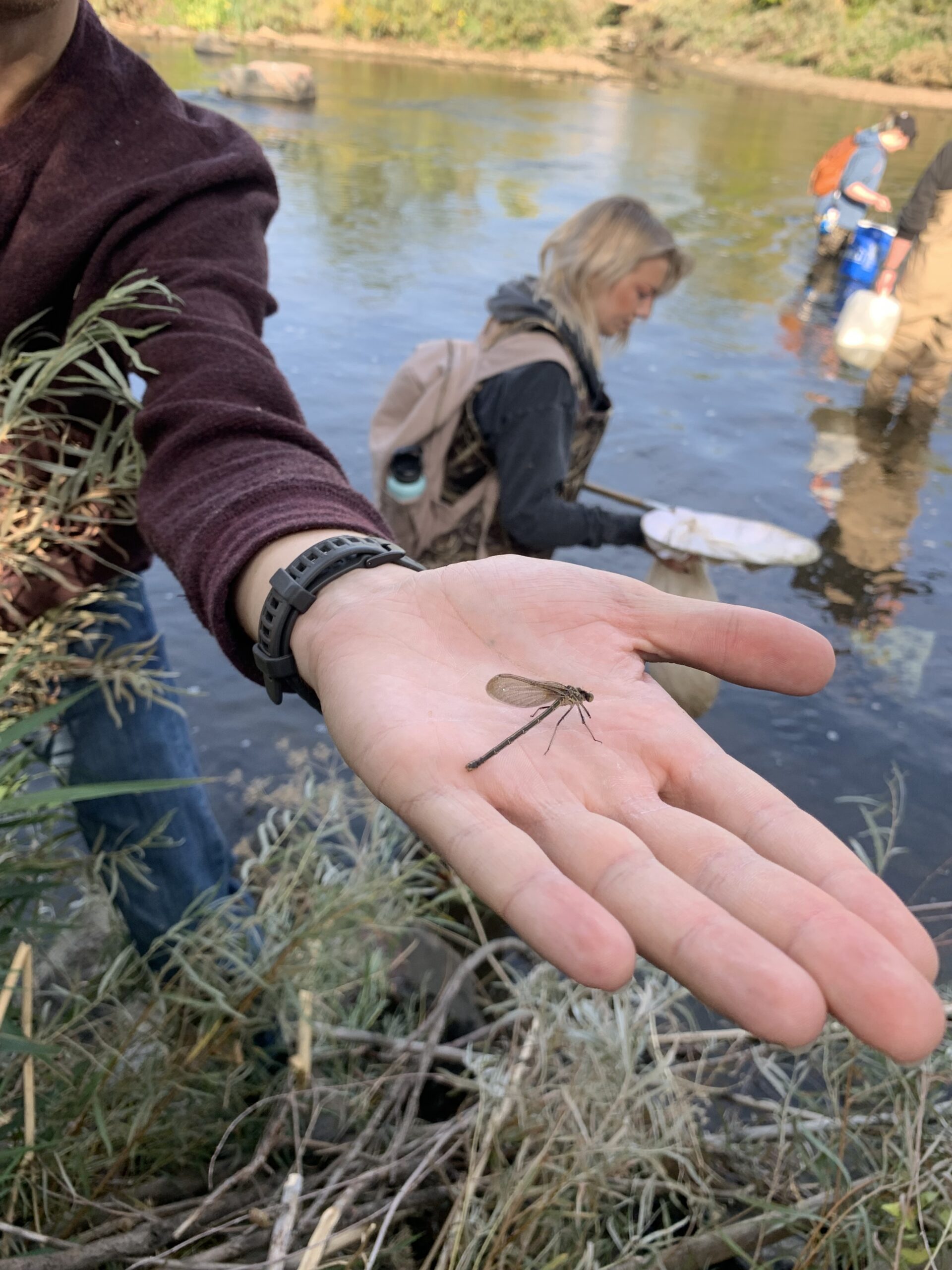
Ketambe Butterfly Project in Sumatra
Butterfly Pavilion, Wildlife Protection Solutions (WPS) and the Forum Konservasi Leuser (FKL) have collaborated to create the Ketambe Butterfly Project – a visionary effort to sell butterflies to protect Sumatra’s biodiversity while empowering local communities.
The majestic and ancient Leuser Ecosystem on the Indonesian island of Sumatra is recognized as one of the world’s richest and most diverse expanses of tropical rainforest. Home to 201 mammal species and 580 bird species, it is the last place on earth where Sumatran orangutans, rhinos, elephants and tigers coexist in the wild. In the last 25 years, over half of it has been lost, threatening the animal species that live there.
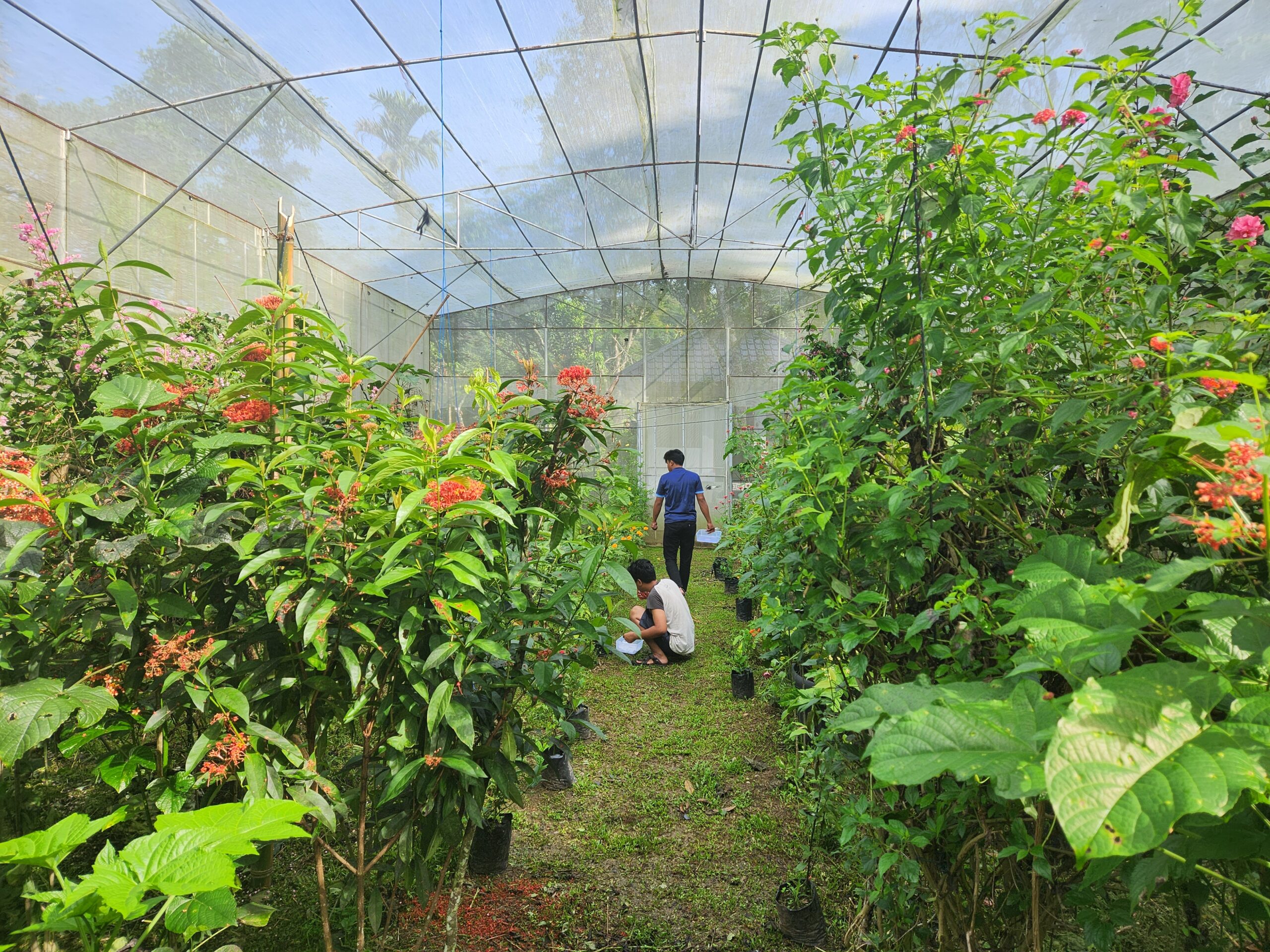
In 2019, Butterfly Pavilion launched the Ketambe Butterfly Project in the small city of Ketambe, Indonesia. More than ten years in the making, this project is moving to protect endangered species, protect Sumatra’s ecosystems, and support local culture. The Ketambe Butterfly Project is a local, sustainable butterfly farm creating jobs, providing butterflies for Association of Zoos & Aquariums-accredited zoos, conserving habitat in the Leuser Ecosystem, and protecting the endangered Sumatran Rhino. A portion of the proceeds from the sales of these butterflies goes directly to on-the-ground conservation, hiring FKL rangers to collect data on wildlife presence, assist wildlife surveys, dismantle snares, and protect the forest. Sales of the butterflies also provides zoos with the ability to create new exhibits by featuring native Sumatran butterfly species. These conservation ambassadors will spread their wings around the world while developing a new economic model of support.
With your support, we are on the front lines, protecting habitat and wildlife, while creating a sustainable local economy incentivizing conservation over exploitation. When you support the Ketambe Butterfly Project, you’re leading the fight against habitat degradation by putting more front-line protectors in the national forest and creating jobs and opportunities for the local communities.
In recent years, Butterfly Pavilion team members regularly visit the Ketambe Butterfly Farm to help maintain the farm and train employees, specifically in butterfly breeding and research. This ensures that the butterflies raised there are healthy and promotes overall welfare and sound science at the farm. Just this year, Shiran Hershcovich, Butterfly Pavilion’s Lepidopterist Manager was leaving the butterfly farm, and as she walked down the road saw one of the endangered orangutans. Orangutans spend most of their lives in trees to avoid predation, and their diet consists of invertebrates, fruit, and vegetation. Invertebrates pollinate most of the fruit and vegetation that orangutans use as shelter and sustenance. In turn, orangutans disperse the seeds of any vegetation they eat, which eventually grow to become food and shelter for invertebrates.
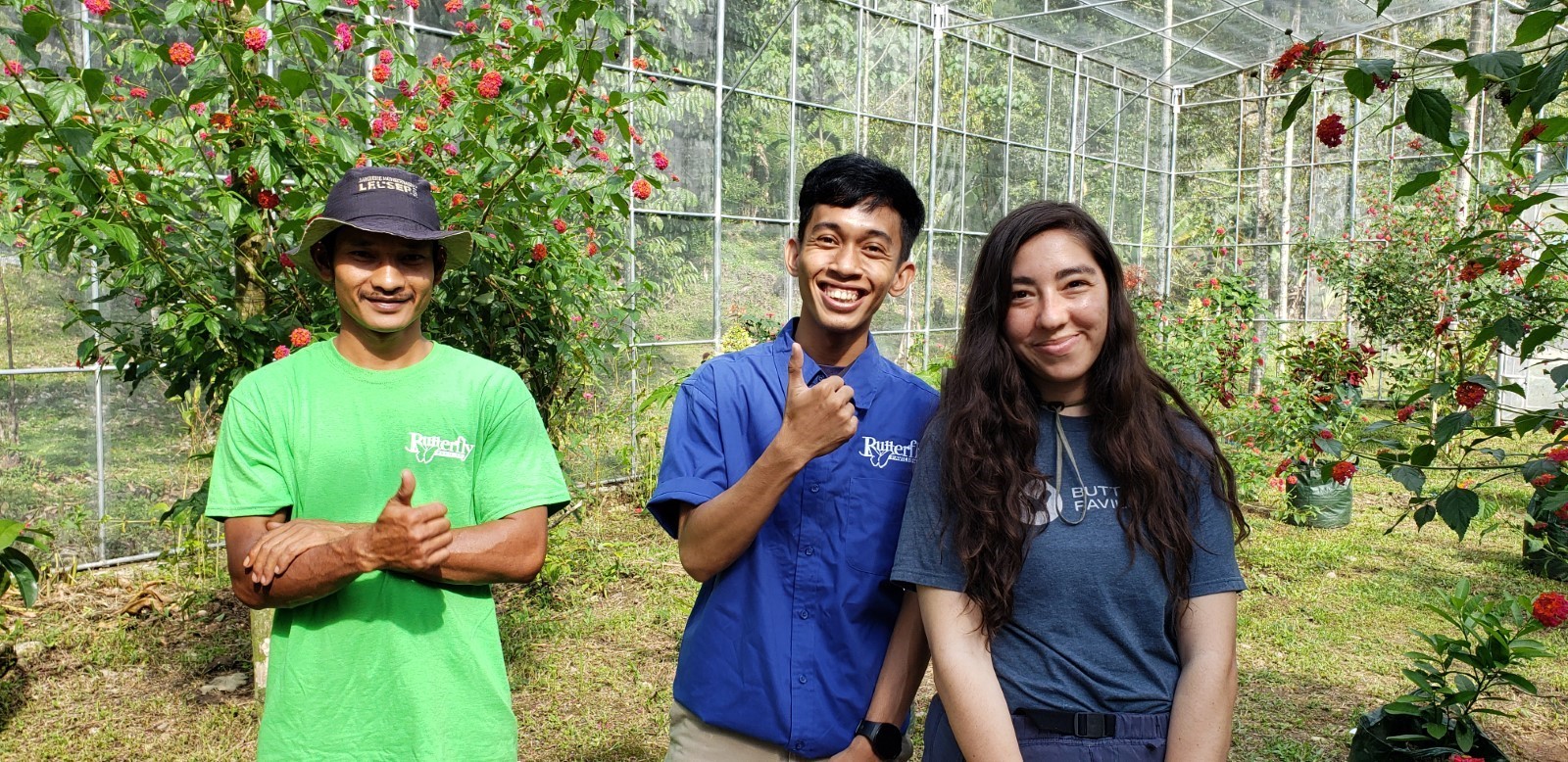
Butterflies from the farm in Ketambe are being reared for conservation so that endangered species can be restocked in the wild. Additionally, these butterflies are shipped to AZA–accredited zoos around the world, including right here at Wings of the Tropics! Butterfly Pavilion received the first shipment of chrysalises from the Ketambe butterfly farm in August of 2023. This continued collaboration will ensure the preservation of vibrant and essential invertebrate species.
The Ketambe Butterfly Project is using innovative methods to generate its own revenue, establishing a self-sustaining model for conservation. This fuels the triple bottom line of People, Planet, and Promise. Not only for the people and organizations supporting the project, but for the Sumatran communities experiencing the loss of biodiversity. Every butterfly we sell carries with it the hope of inspiring change in how we value the natural resources upon which we all depend. That hope rides on the wings spread around the world.
The Urban Prairies Project (UPP) improves the ecological health of urban and suburban open spaces along the Front Range and beyond by connecting community members with habitat conservation for pollinators and other wildlife.
UPP recognizes the strong connection between healthy green spaces and human well-being, and works with municipal and community partners to make nature close to home healthier for all.
Over the last century, the shortgrass prairie ecosystem that once dominated Colorado’s Front Range has declined to less than one-fifth of its original area. Alongside this loss, we’ve seen significant declines in native plant and animal species, key ecosystem processes, and access to nature that supports human health.
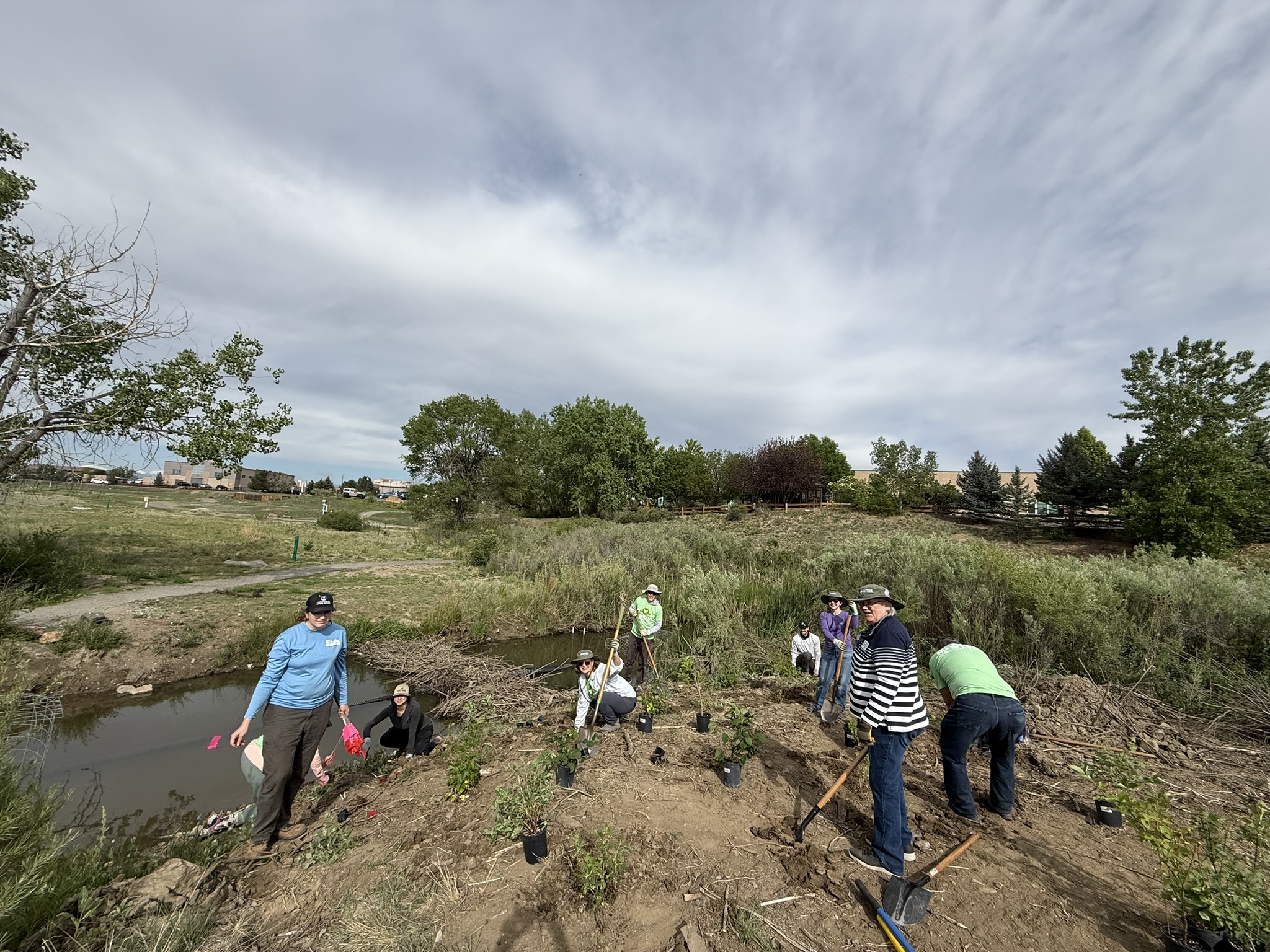
The Urban Prairies Project provides opportunities to directly counteract these losses—whether through one-time volunteer projects near home or through deeper engagement as a trained Restoration Master Volunteer.
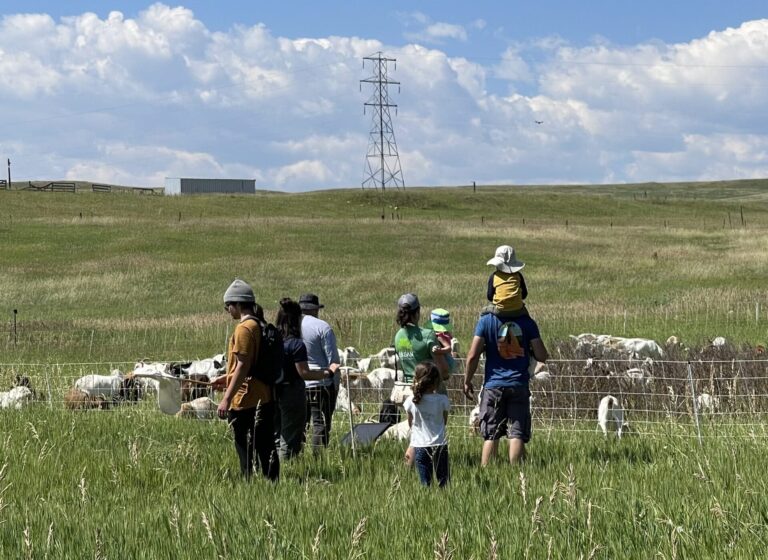
Restoration Master Volunteer Program
Restoration Master Volunteers (RMVs) complete a core training in restoration principles and techniques, native ecosystems, crew leadership, and community outreach.
After training, volunteers can choose how they want to get involved:
- Habitat Restoration: planting projects, invasive species removal, seed collection
- Monitoring & Data Collection: tracking pollinators, plants, soil health, wildlife, and more
- Community Outreach: leading nature walks, attending events, writing articles, and educating others
Volunteers are encouraged to participate in one—or all—of these opportunities based on their interests.
No experience is necessary. Everyone is welcome!
How to Get Involved
- Attend an Urban Prairies Project community event to get started.
- Become a Restoration Master Volunteer:
- Submit a volunteer interest form
- Attend a Restoration Master Volunteer training session
- Join the RMV community and receive updates on projects, monitoring programs, and additional training opportunities
- Participate in restoration projects, data collection, and community outreach
Training Information
Restoration Master Volunteer trainings are typically offered twice per year (Spring and Fall). Trainings include multiple sessions covering core restoration topics and hands-on learning.
For more information or to get involved, contact: awhite@butterflies.org
BioBlitz
A BioBlitz is a short, intense biological survey that aims to record as many species in a specific area as possible. Butterfly Pavilion researchers are experienced in surveying for invertebrates and we often work with partners to perform BioBlitzes around Colorado.
Invertebrate BioBlitzes usually consist of one day of intense fieldwork and weeks to months of specimen preservation and identification. Butterfly Pavilion experts lead these BioBlitzes then identify and analyze the invertebrates sampled so that we have an inventory of our native invertebrates and can monitor changes to these communities before and after restoration efforts.
Upcoming Bioblitz’s:
Community Bioblitz at Kneebone Open Space – Sunday, June 14, 2026