
Ketambe Butterfly Project in Sumatra
Butterfly Pavilion, Wildlife Protection Solutions (WPS) and the Forum Konservasi Leuser (FKL) have collaborated to create the Ketambe Butterfly Project – a visionary effort to sell butterflies to protect Sumatra’s biodiversity while empowering local communities.
The majestic and ancient Leuser Ecosystem on the Indonesian island of Sumatra is recognized as one of the world’s richest and most diverse expanses of tropical rainforest. Home to 201 mammal species and 580 bird species, it is the last place on earth where Sumatran orangutans, rhinos, elephants and tigers coexist in the wild. In the last 25 years, over half of it has been lost, threatening the animal species that live there.
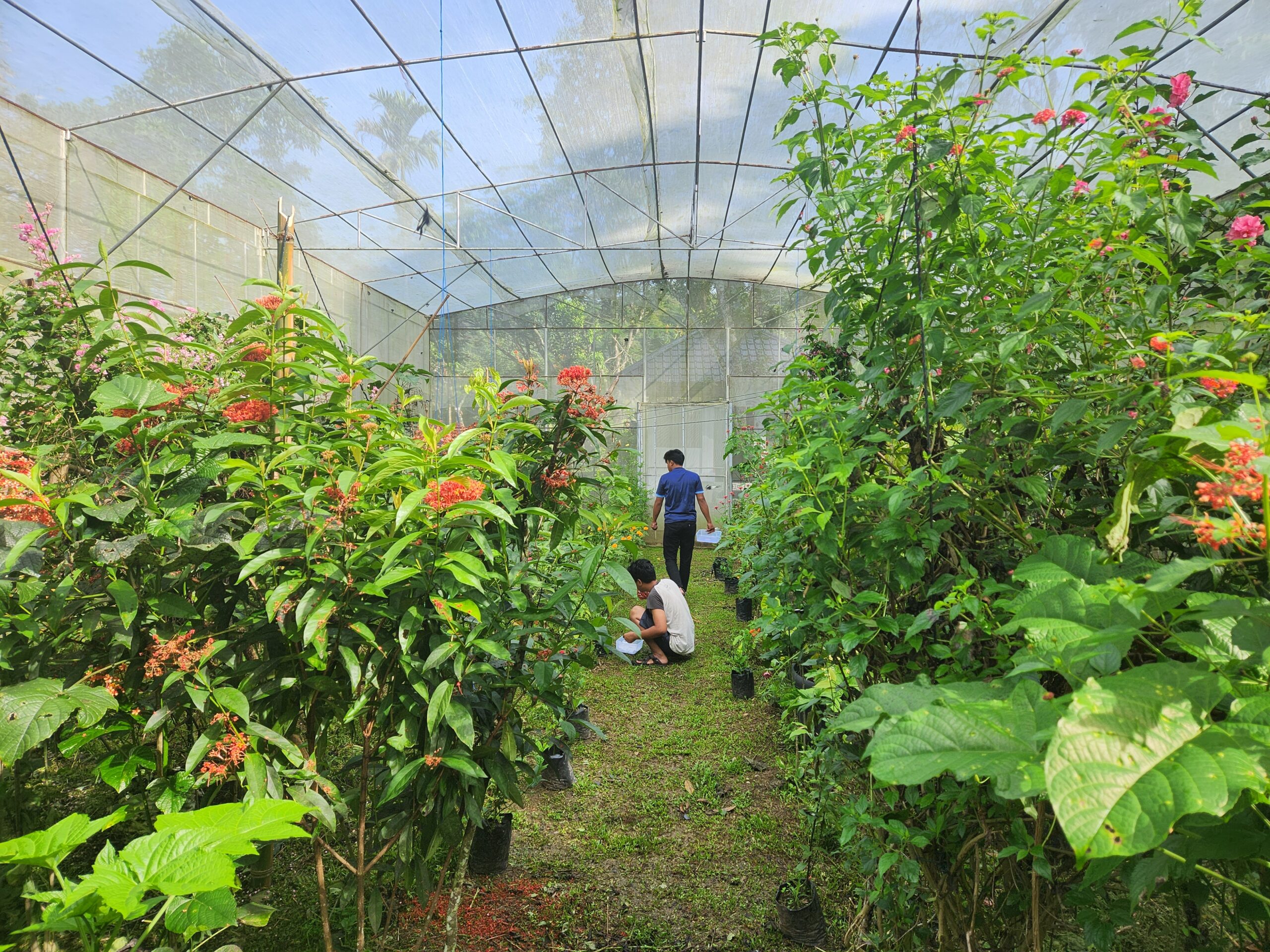
In 2019, Butterfly Pavilion launched the Ketambe Butterfly Project in the small city of Ketambe, Indonesia. More than ten years in the making, this project is moving to protect endangered species, protect Sumatra’s ecosystems, and support local culture. The Ketambe Butterfly Project is a local, sustainable butterfly farm creating jobs, providing butterflies for Association of Zoos & Aquariums-accredited zoos, conserving habitat in the Leuser Ecosystem, and protecting the endangered Sumatran Rhino. A portion of the proceeds from the sales of these butterflies goes directly to on-the-ground conservation, hiring FKL rangers to collect data on wildlife presence, assist wildlife surveys, dismantle snares, and protect the forest. Sales of the butterflies also provides zoos with the ability to create new exhibits by featuring native Sumatran butterfly species. These conservation ambassadors will spread their wings around the world while developing a new economic model of support.
With your support, we are on the front lines, protecting habitat and wildlife, while creating a sustainable local economy incentivizing conservation over exploitation. When you support the Ketambe Butterfly Project, you’re leading the fight against habitat degradation by putting more front-line protectors in the national forest and creating jobs and opportunities for the local communities.
In recent years, Butterfly Pavilion team members regularly visit the Ketambe Butterfly Farm to help maintain the farm and train employees, specifically in butterfly breeding and research. This ensures that the butterflies raised there are healthy and promotes overall welfare and sound science at the farm. Just this year, Shiran Hershcovich, Butterfly Pavilion’s Lepidopterist Manager was leaving the butterfly farm, and as she walked down the road saw one of the endangered orangutans. Orangutans spend most of their lives in trees to avoid predation, and their diet consists of invertebrates, fruit, and vegetation. Invertebrates pollinate most of the fruit and vegetation that orangutans use as shelter and sustenance. In turn, orangutans disperse the seeds of any vegetation they eat, which eventually grow to become food and shelter for invertebrates.
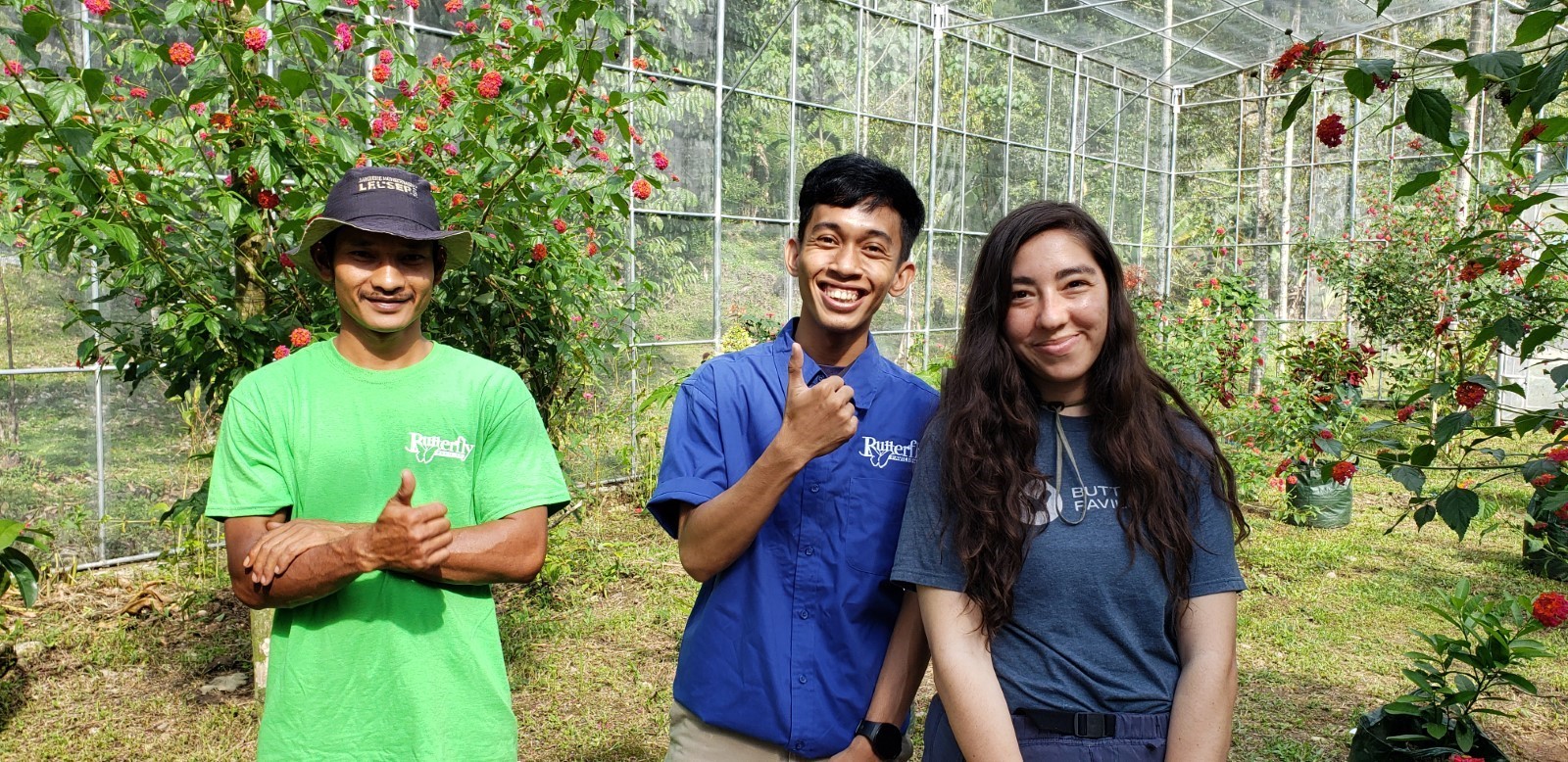
Butterflies from the farm in Ketambe are being reared for conservation so that endangered species can be restocked in the wild. Additionally, these butterflies are shipped to AZA–accredited zoos around the world, including right here at Wings of the Tropics! Butterfly Pavilion received the first shipment of chrysalises from the Ketambe butterfly farm in August of 2023. This continued collaboration will ensure the preservation of vibrant and essential invertebrate species.
The Ketambe Butterfly Project is using innovative methods to generate its own revenue, establishing a self-sustaining model for conservation. This fuels the triple bottom line of People, Planet, and Promise. Not only for the people and organizations supporting the project, but for the Sumatran communities experiencing the loss of biodiversity. Every butterfly we sell carries with it the hope of inspiring change in how we value the natural resources upon which we all depend. That hope rides on the wings spread around the world.
Protecting Pollinators, Forests, and Indigenous Knowledge in the Amazon
Butterfly Pavilion is partnering with Waorani and Kichwa First Nation communities in the Ecuadorian Amazon, alongside local collaborators to protect stingless bees.
Protecting Pollinators, Forests, and Indigenous Knowledge in the Amazon
Butterfly Pavilion is partnering with Waorani and Kichwa First Nation communities in the Ecuadorian Amazon, alongside local collaborators to protect stingless bees through community-led conservation, sustainable meliponiculture (stingless beekeeping), environmental education, and long-term stewardship of rainforest ecosystems.
Stingless bees are among the most important pollinators in tropical ecosystems and play a critical role in supporting rainforest biodiversity, ecological connectivity, and forest regeneration. Ecuador lies within one of the world’s richest regions for stingless bee diversity (with hundreds of document species in the region), yet these native pollinators face growing threats from deforestation, habitat fragmentation, climate change, and pesticide exposure among others. Protecting stingless bees means protecting the forests, wildlife, and communities that depend on them.
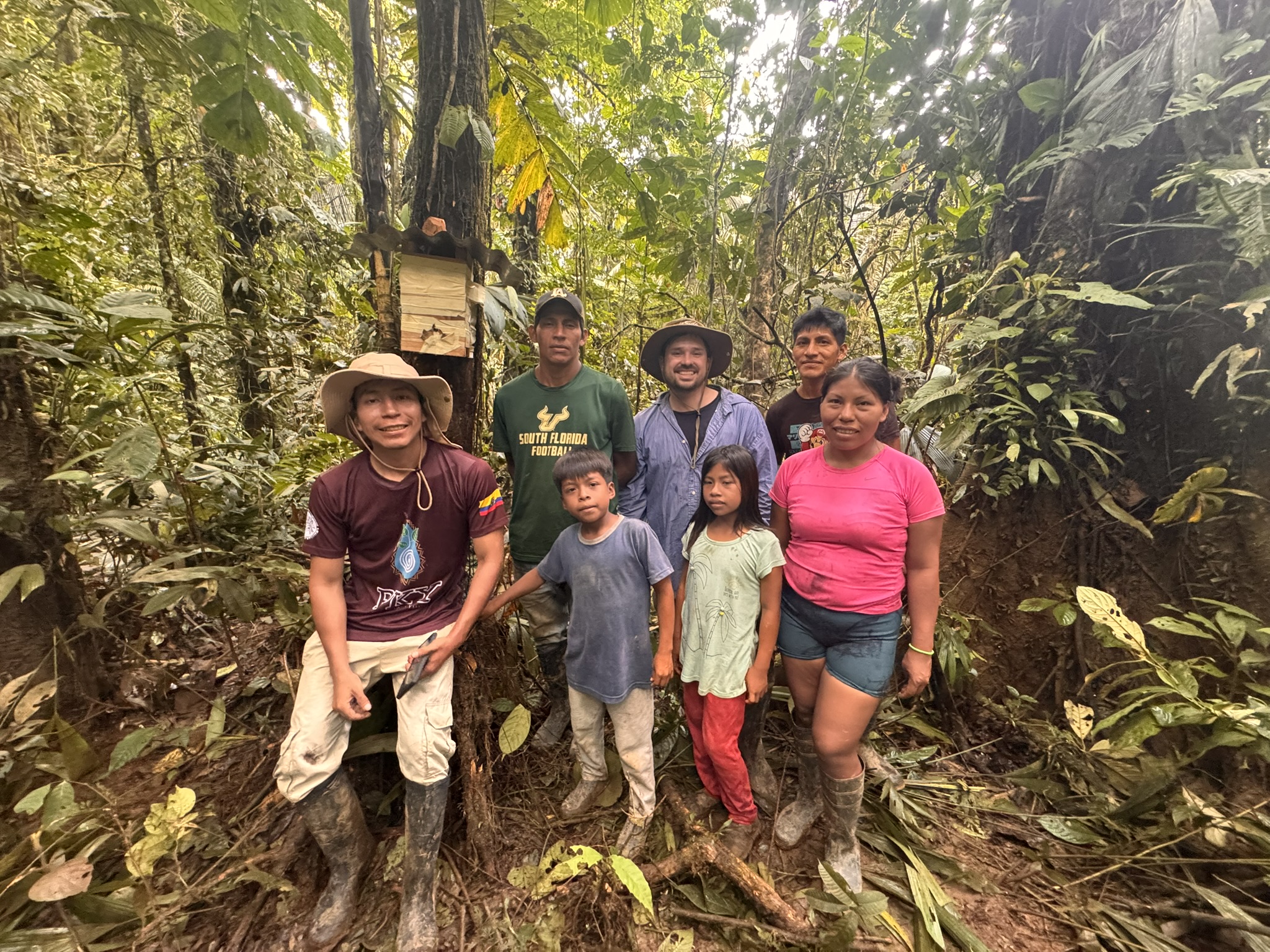
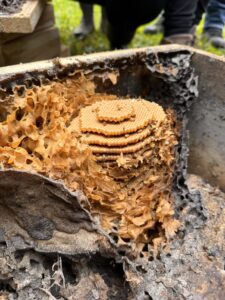
This initiative combines Indigenous ecological knowledge with scientific research and conservation action. Working directly with local communities in tropical forests of Ecuador, Butterfly Pavilion supports the rescue and transfer of stingless bee colonies threatened by logging, construction, or fallen trees into sustainable wooden hive systems that allow colonies to survive and reproduce long term. Traditionally, honey extraction often involved opening trees or ground nests and leaving colonies exposed to parasites and environmental stress. Through hands-on workshops, capacity building, and field training, communities are expanding into new approaches that allow honey collection while also protecting and managing colonies for the future.
The project also focuses heavily on environmental education and cultural exchange. Community members, youth, and students participate in workshops covering bee biology, pollination, biodiversity, sustainable hive management, and rainforest conservation. Educational activities include storytelling, participatory learning, art, fieldwork, and Indigenous knowledge sharing related to pollinators and forest ecosystems.
The ecological importance of this work extends beyond bees. In Ecuador’s cloud forests, the project also explores the relationship between stingless bees and the pollination of fruiting trees important to the endangered Andean bear, including aguacatillo trees that support bear populations and other wildlife throughout the region. Protecting pollinators ultimately strengthens entire ecosystems and helps conserve the biodiversity of both the Amazon and Andean cloud forests.
Timeline
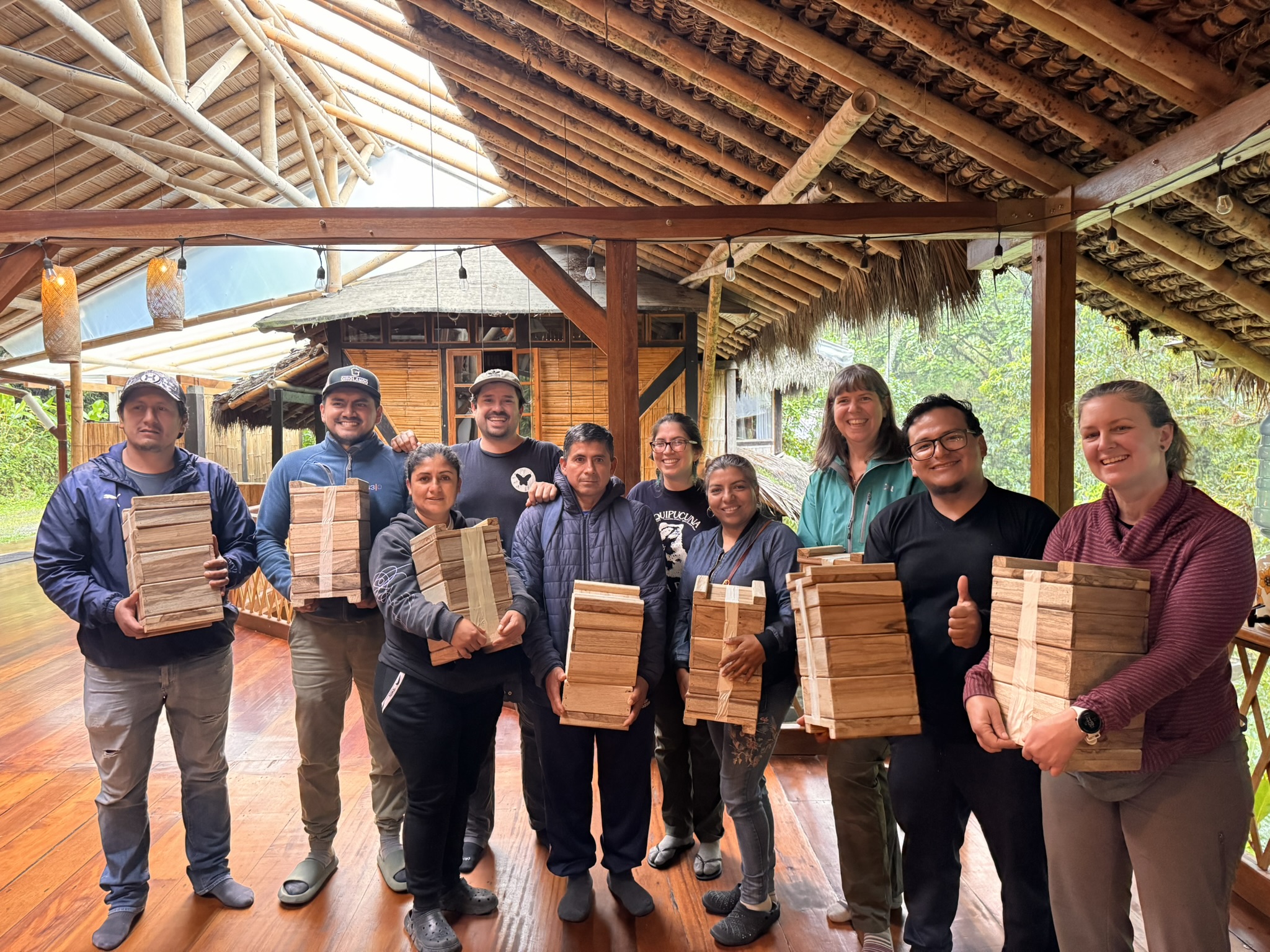
Since launching in 2024, the project has mapped 26 stingless bee colonies across the Amazon and cloud forests of Ecuador, identified 8 genera of stingless bees, documented more than 30 bee morphotypes, and trained community members in colony rescue, hive management, and pollinator conservation. During the first phase of the project, three wild colonies were successfully transferred into managed hive systems in the Amazon while two colony splits were completed in the cloud forest reserve. More than 100 children and adults participated in environmental education workshops and pollinator conservation activities across participating communities.
In 2025, Butterfly Pavilion expanded the program by delivering additional hive boxes, educational modules, science journals, and pollinator materials to participating communities. Multiple additional colony transfers involving 2 different stingless bees species were conducted, while community members increasingly took active leadership roles in locating nests, monitoring colonies, and supporting conservation activities.
Looking ahead, the long-term goal is to establish a scalable Indigenous-led conservation model that protects pollinators, strengthens ecological connectivity, supports sustainable livelihoods, and empowers communities as long-term stewards of Amazonian biodiversity. Future phases of the project aim to expand conservation and meliponiculture programs into additional communities throughout the Ecuadorian Amazon, increase the number of rescued and sustainably managed colonies, strengthen Indigenous leadership through advanced training and community exchanges, and continue developing sustainable honey production and forest-compatible enterprises that support local livelihoods while reinforcing long-term forest conservation.
With continued support, Butterfly Pavilion and its partners hope to expand this model throughout the Amazon basin while advancing research on stingless bee ecology, pollination biology, and biodiversity conservation. By combining science, education, and Indigenous stewardship, the project seeks to protect some of the world’s most important tropical ecosystems and the communities that have safeguarded them for generations.
Tarantula Breeding and Rearing
Butterfly Pavilion leads the breeding program of Chilean rose hair tarantulas to maintain a sustainable population of vulnerable arthropods.
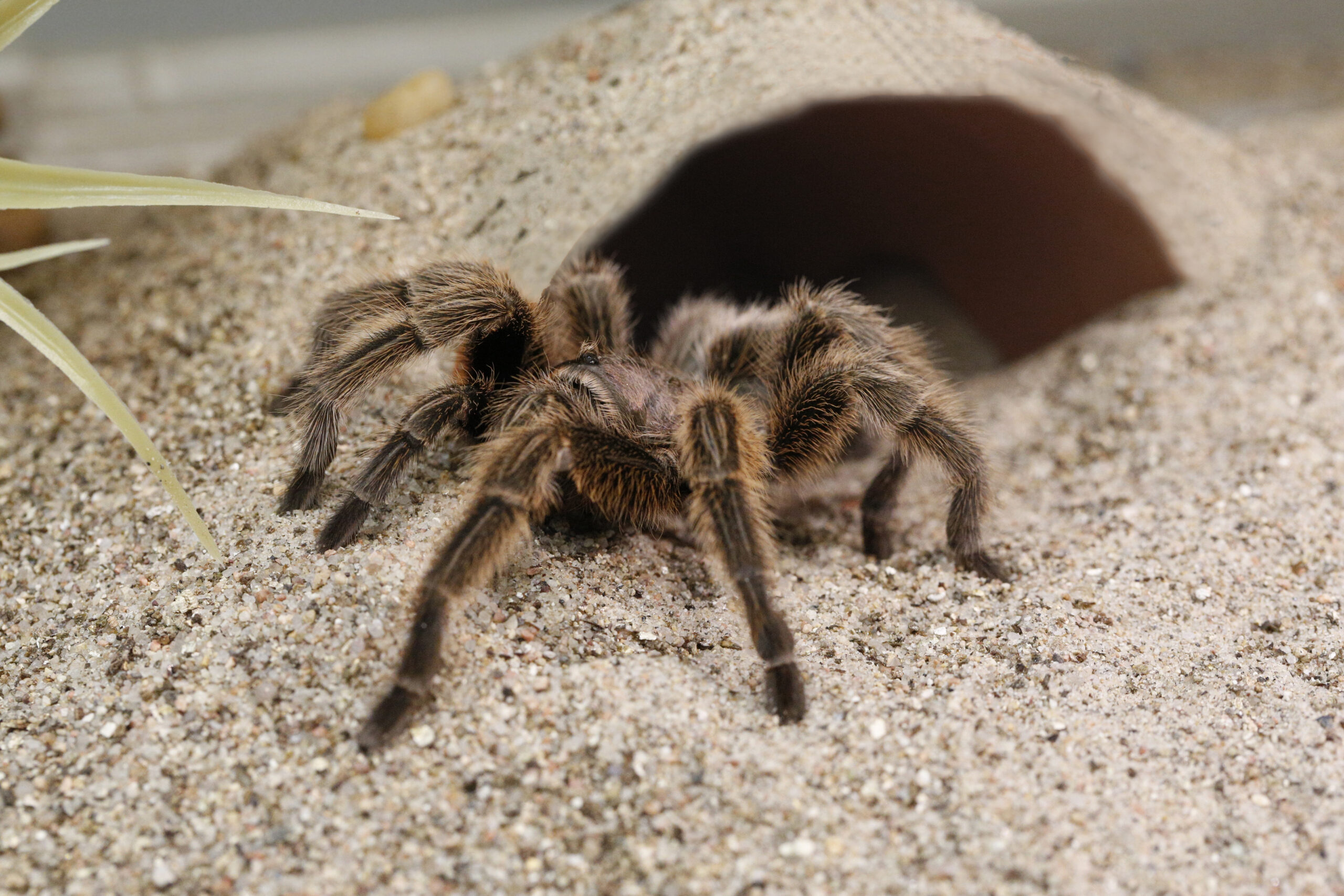
Butterfly Pavilion leads the Association of Zoos and Aquariums (AZA) Safety Web for Arthropod Reproduction and Management (SWARM) program in the maintenance of sustainable populations for the Chilean rose hair tarantulas, Grammostola rosea (Rosie). This strategy will ensure that species under human care will not disappear from North American zoo collections and reduce collection of wild tarantulas.
SWARM is a program sanctioned by the Association of Zoos and Aquariums (AZA) Terrestrial Invertebrate Taxon Advisory Group (TITAG). This program focuses on keeping vulnerable arthropods (invertebrates like insects, spiders and crustaceans) in zoo collections by breeding and refraining from wild collection.
If you have ever been to Butterfly Pavilion, you have probably had an up close experience with one of our most important ambassador animals: Rosie the tarantula and she is the focus of the SWARM that Butterfly Pavilion holds.
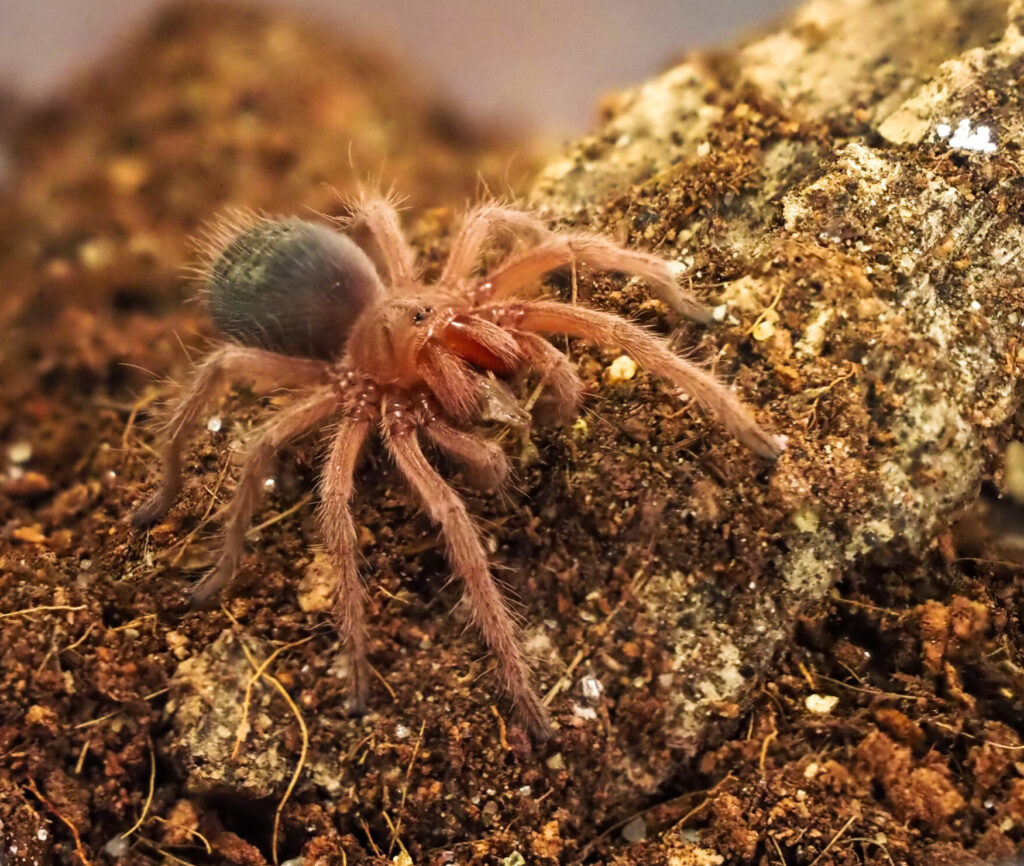
Our large collection of Rosie tarantulas (also called the Chilean rose hair, Grammostola rosea) allows us to communicate with other zoos about breeding, husbandry, welfare and conservation of this important species.
Butterfly Pavilion believes that an up close interaction with animals such as Rosie can provide an invaluable experience to all of our guests, which helps them understand more about the importance of invertebrates to humans and the world at large.
This is why we continue to work on keeping these magnificent animals in zoos and protect their habitats around the world.
Guardians of the Steppe: Saving Mongolia’s Endangered Butterflies
Imagine a land where rolling hills meet sky, where ancient traditions blend with modern conservation efforts. This is Mongolia, home to some of the world’s most beautiful and endangered butterflies. Among them are the Parnassius butterflies, delicate creatures that have graced these steppes for millennia. But their future hangs in the balance.
The Challenge
Five species of Parnassius butterflies in Mongolia are now threatened and at risk of disappearing forever. The culprits? Overzealous hay harvesting, excessive grazing, climate change, and even the passionate but misguided efforts of collectors from across the globe. But there’s hope. And it starts with you.
Our Mission: Empowering the Next Generation
At Butterfly Pavilion, we believe the key to saving these incredible butterflies lies in the hearts and minds of Mongolia’s youth. That’s why we’ve launched an ambitious program turning students into community scientists, armed with cutting-edge technology and a burning passion for conservation.
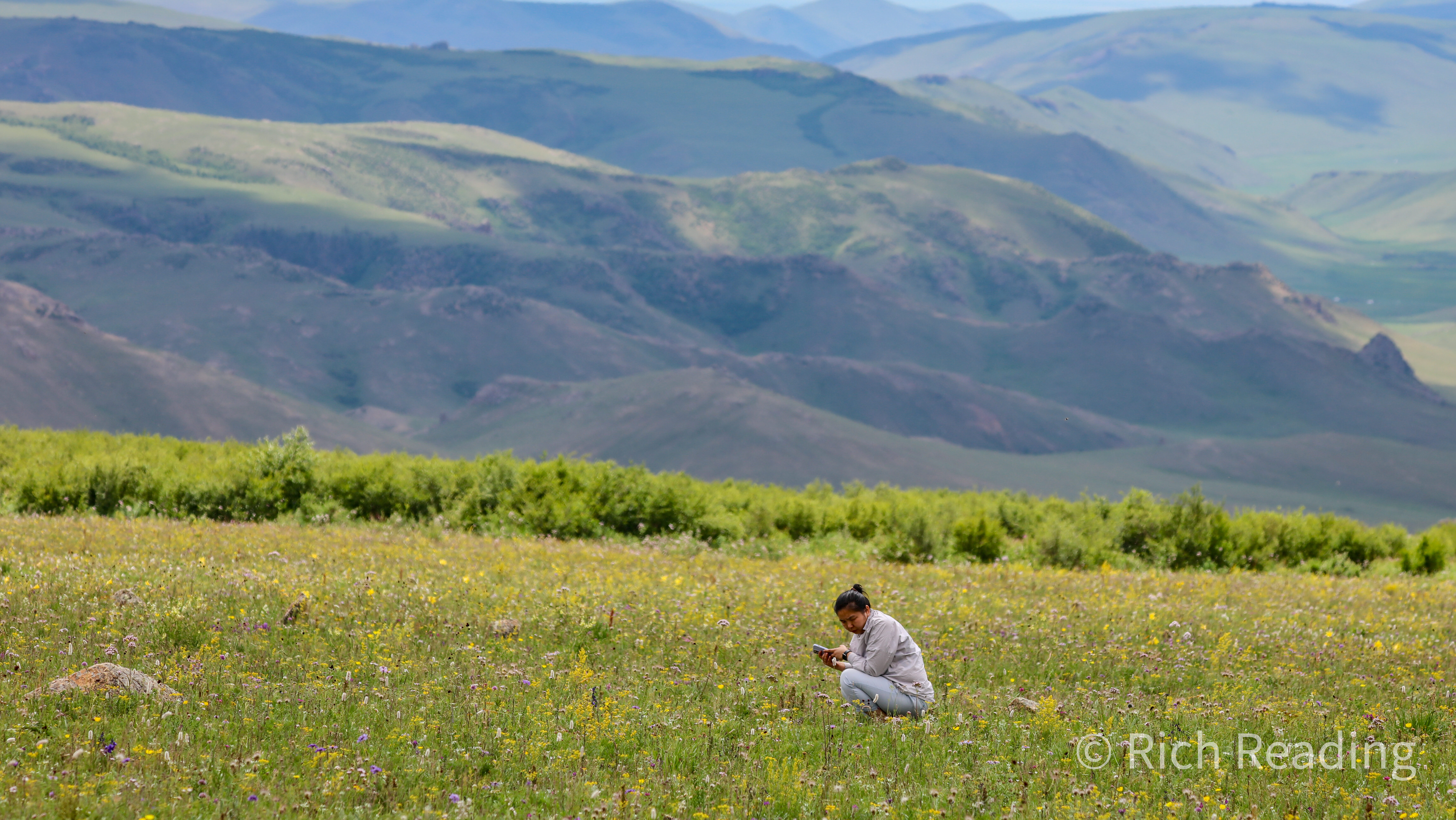
Picture this: A young Mongolian girl, eyes wide with wonder, as she spots a rare Apollo butterfly fluttering nearby. With trembling fingers, she reaches for her smartphone, not to capture a fleeting Instagram moment, but to record vital data that could help save an entire species. This isn’t just a dream. It’s happening right now, thanks to supporters like you.
The Impact of Your Donation
Your generosity doesn’t just buy equipment or fund research trips. It ignites a spark in the next generation of environmental stewards. Here’s what your donation can achieve:
- Empower Students: Equip young Mongolians with the tools and knowledge to become guardians of their natural heritage or support a Mongolian undergraduate or graduate student.
- Train Teachers: Provide local educators with the skills to inspire a lifelong love of conservation in their students.
- Protect Endangered Species: Support crucial research on three threatened Parnassius butterfly species: Apollo, Eversmann’s, and Stubbendorf’s.
- Influence Policy: Help inform government decisions and improve conservation strategies based on our findings.
- Create a Lasting Legacy: Build a sustainable future for Mongolia’s unique ecosystem and the communities that depend on it.
A Journey of Discovery
From the windswept plains of Uliastai to the pristine forests of Khentey, our team has traversed 11 sites across six provinces. We’ve braved harsh conditions, forged partnerships with local scientists, and witnessed moments of breathtaking beauty.
But the most inspiring sight of all? The faces of young Mongolians as they realize the power they hold to change the future.
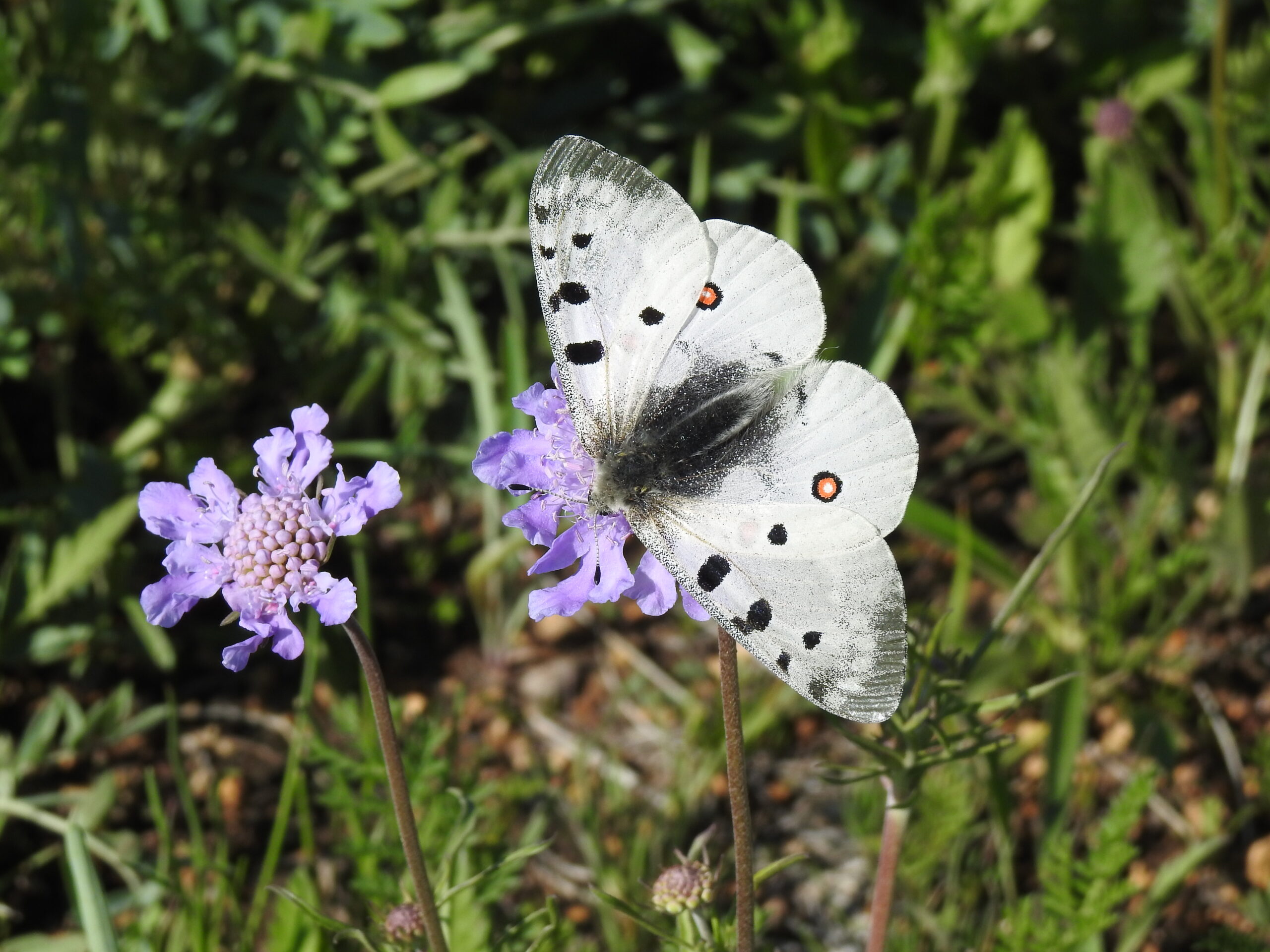
Recent Triumphs
In 2024, we launched the Invertebrate Trunks program in Dadal, Mongolia, bringing hands-on conservation education to eager young minds.
From 2019 to 2024 our research has led to groundbreaking publications, shedding new light on Parnassian butterfly habitats.
We’ve built lasting partnerships with the Mongolian Academy of Sciences, universities, and local conservation groups, ensuring our work will have a lasting impact.
Timeline
In 2020, we published our second paper on the Parnassian butterfly habitat and partnered with the University of Colorado-Denver and Digital Global to analyze data critical to the conservation of these species.
In 2022, Butterfly Pavilion continued to support monitoring of Mongolia’s Parnassian butterflies and training of Mongolian conservationists to develop long-term sustainable research, conservation, and management policies for Mongolia. Our work ensures the long-term conservation of Mongolia’s Parnassius butterflies by training Mongolian conservationists and scientists in state-of-the-art research, conservation, and management techniques. Given their understanding of their nation’s resources, culture, and history, Mongolian specialists are the most qualified individuals for developing and implementing these long-term policies for their nation. Our work encompassed 11 sites in six provinces (Uliastai, Khovsgol, Tov, Ulaanbaatar, Khentey, and Dornod Provinces) across northern Mongolia. Our goal is to provide them with added improvement and success through our knowledge and expertise.
In the Summer of 2023, our team eagerly traveled to Mongolia to collaborate with local schools and communities on vital research and conservation efforts aimed at protecting the threatened Parnassius butterfly. Through educational outreach programs and hands-on fieldwork, we aimed to raise awareness about the importance of these beautiful species and their fragile habitat.
In 2024, the Invertebrate Trunks program was piloted in Dadal, Mongolia, aimed at protecting Mongolia’s endangered Parnassius butterflies through education in partnership with Nomadic Nature Conservation, the Mongolian Academy of Science, and local Mongolian educators and community members. The program was delivered through two core activities: Classification and Pollination.
The pilot involved 10 students ranging from 6th to 10th grade, along with two teachers. The Pollination Activity was highly successful in terms of student engagement and learning outcomes. Teachers found the activity rewarding, noting benefits in both personal growth and student impact.
Through this program, we aim to continue educating others on the importance of invertebrates and our ecosystems, the threats facing Parnassius butterflies, and the actions we can take to ensure their survival. It’s inspiring to see the next generation of environmental stewards in action, working to preserve Mongolia’s unique ecosystem and document local biodiversity. Their enthusiasm and dedication give hope for a sustainable future for Mongolia’s natural heritage.
Butterfly Pavilion continues to elevate our efforts with the Mongolian Academy of Sciences, Mongolian National University, Mongolian Conservation Coalition, Round River Conservation Studies, Nomadic Nature Conservation, local Mongolian educators and other potential partners to explore opportunities for expanding future work to include education, outreach, and conservation.
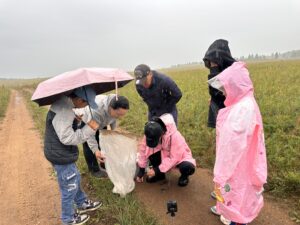
Join the Movement
The story of Mongolia’s butterflies is still being written. And you have the power to shape its ending. Will you stand with us as a guardian of the steppe? Will you help us ensure future generations can witness the delicate dance of Parnassius butterflies across Mongolia’s vast horizons?
Your donation, no matter the size, is a testament to hope. It’s a declaration that beauty matters, that being has value, and that together, we can create a world where nature thrives.
Donate now and become part of this incredible journey. Let’s write a future where the skies of Mongolia are filled with the flutter of countless butterfly wings, and where the children can grow up knowing the power of conservation. Together, we can turn the page on extinction and open a new chapter of hope for Mongolia’s butterflies.
Butterfly Pavilion is studying how tarantulas interact with their environment to better understand the conservation needs of our native species.
Did you know that tarantulas live right here in Colorado? In the southern prairies and western steppes, species like the Texas brown (Aphonopelma hentzi) and Grand Canyon black (Aphonopelma marxi) build underground burrows and wait for unsuspecting insects to pass by.
These fascinating spiders play an important role in local ecosystems—both as predators that help control insect populations and as prey for other wildlife. Understanding where and why tarantulas live in certain areas is essential for protecting their habitats.
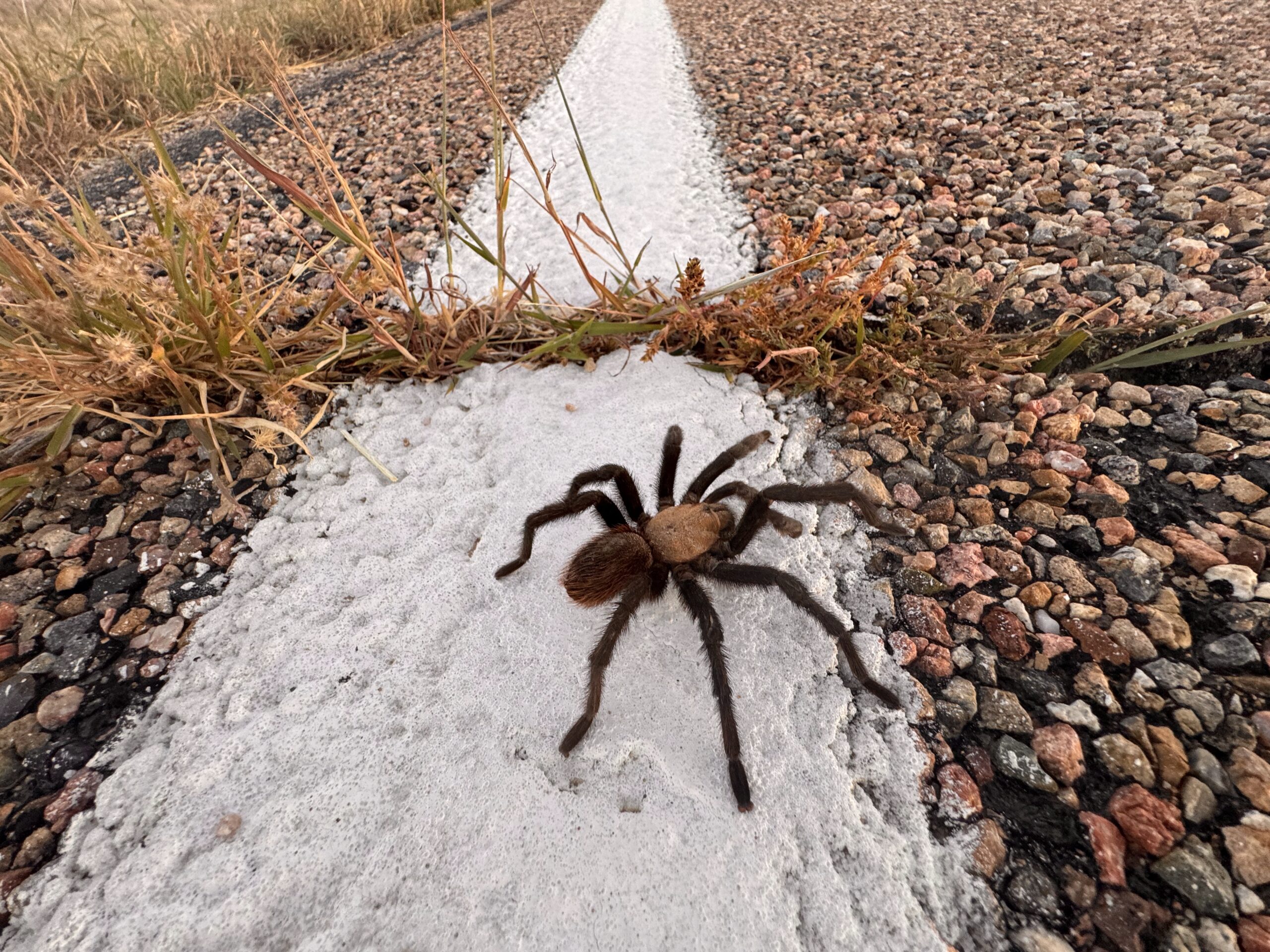
Current Research
Under the supervision of Butterfly Pavilion’s research and conservation team, a PhD candidate from Colorado State University is studying tarantula ecology in southeastern Colorado. Researchers are surveying tarantula burrows to better understand what factors influence where these spiders live.
Key questions include:
- Does surrounding vegetation impact where tarantulas build burrows?
- How does cattle grazing affect their habitat?
- What role do predators like tarantula hawk wasps play?
This research will help scientists determine how to conserve habitats that support healthy tarantula populations and broader prairie ecosystems.
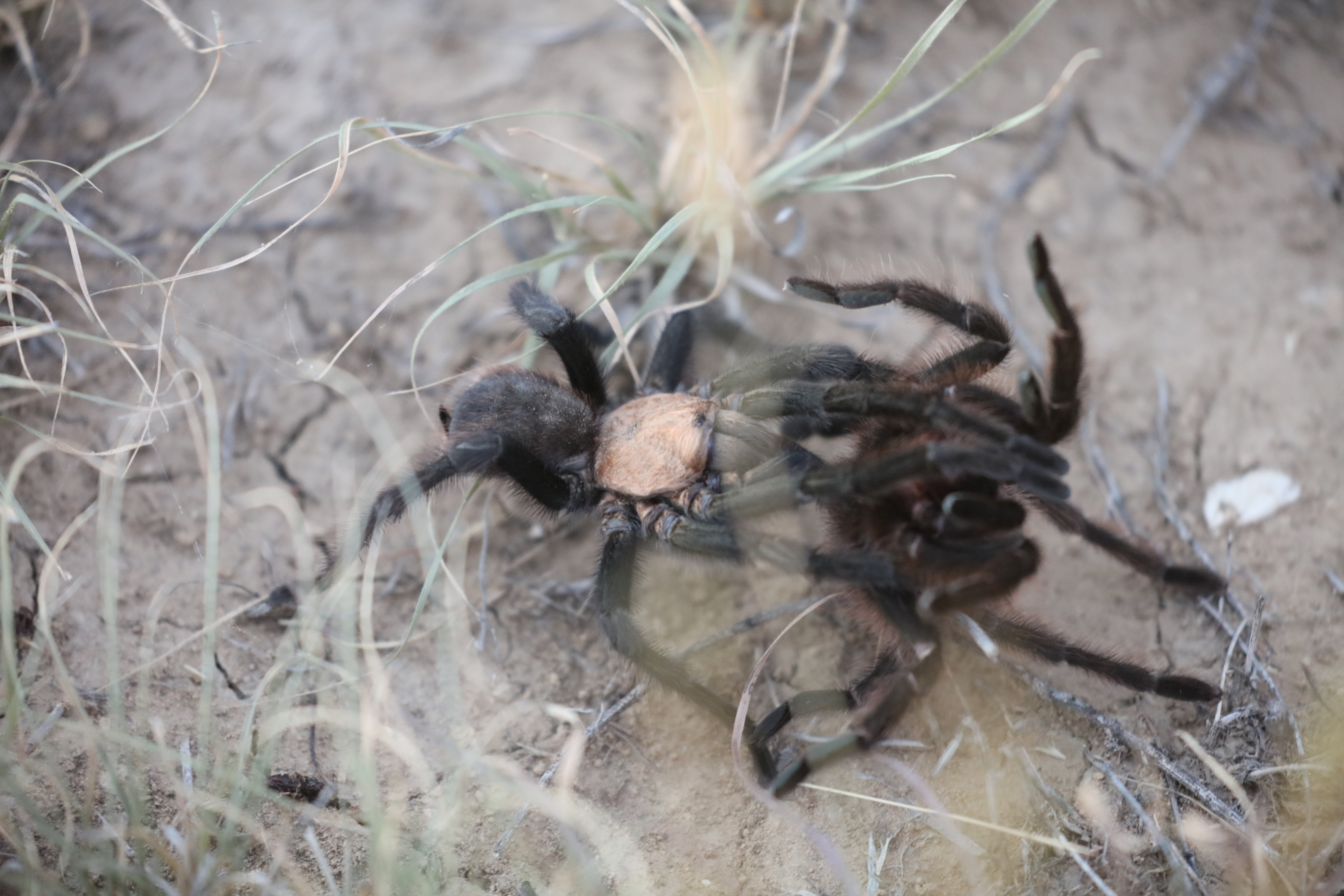
Why It Matters
Studying tarantulas gives us insight into the health of prairie ecosystems and helps guide conservation strategies for native species. These often-misunderstood animals are a vital part of Colorado’s biodiversity and deserve protection.
In addition to field research, Butterfly Pavilion is also exploring how education and interaction can shift public perception and increase appreciation for invertebrates.
Colorado Fireflies
Did you know that Colorado has native fireflies? Most people are unaware of this due to light pollution and development destroying their habitat. Learn about Butterfly Pavilion’s initiative to conserve these small yet mighty animals and how you can do your part!
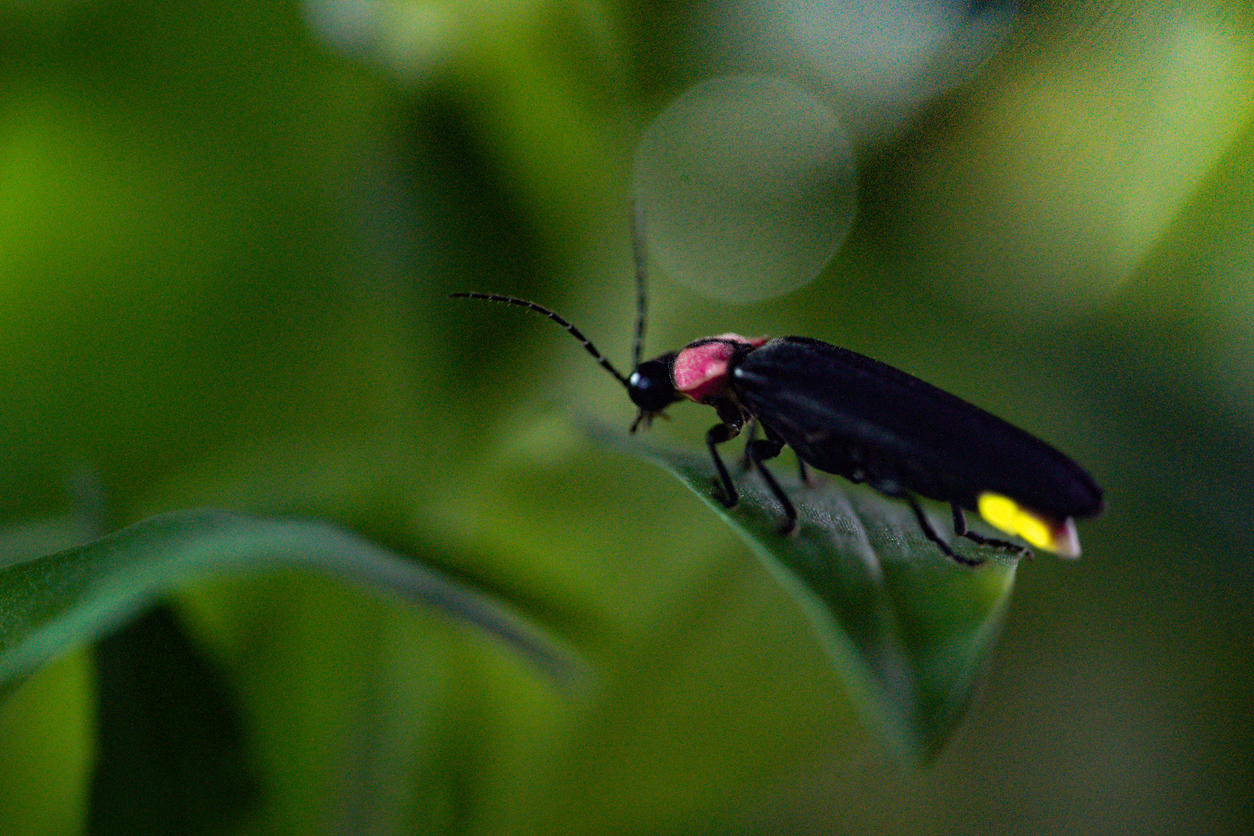
As firefly populations decline at alarming rates, Butterfly Pavilion is working to understand how to rear and conserve native fireflies through its Firefly Lifecycle Project.
Fireflies—bioluminescent beetles found in small, localized wetland habitats across Colorado—play an important role in their ecosystems. They act as predators of invertebrates like snails and earthworms and serve as prey for birds, reptiles, and amphibians. Their presence is also an important indicator of healthy wetland environments.
However, firefly populations are under threat due to habitat loss, water pollution, and increasing light pollution. To better protect these species, Butterfly Pavilion researchers have been studying their lifecycle and environmental needs since 2017.
Research & Rearing Efforts
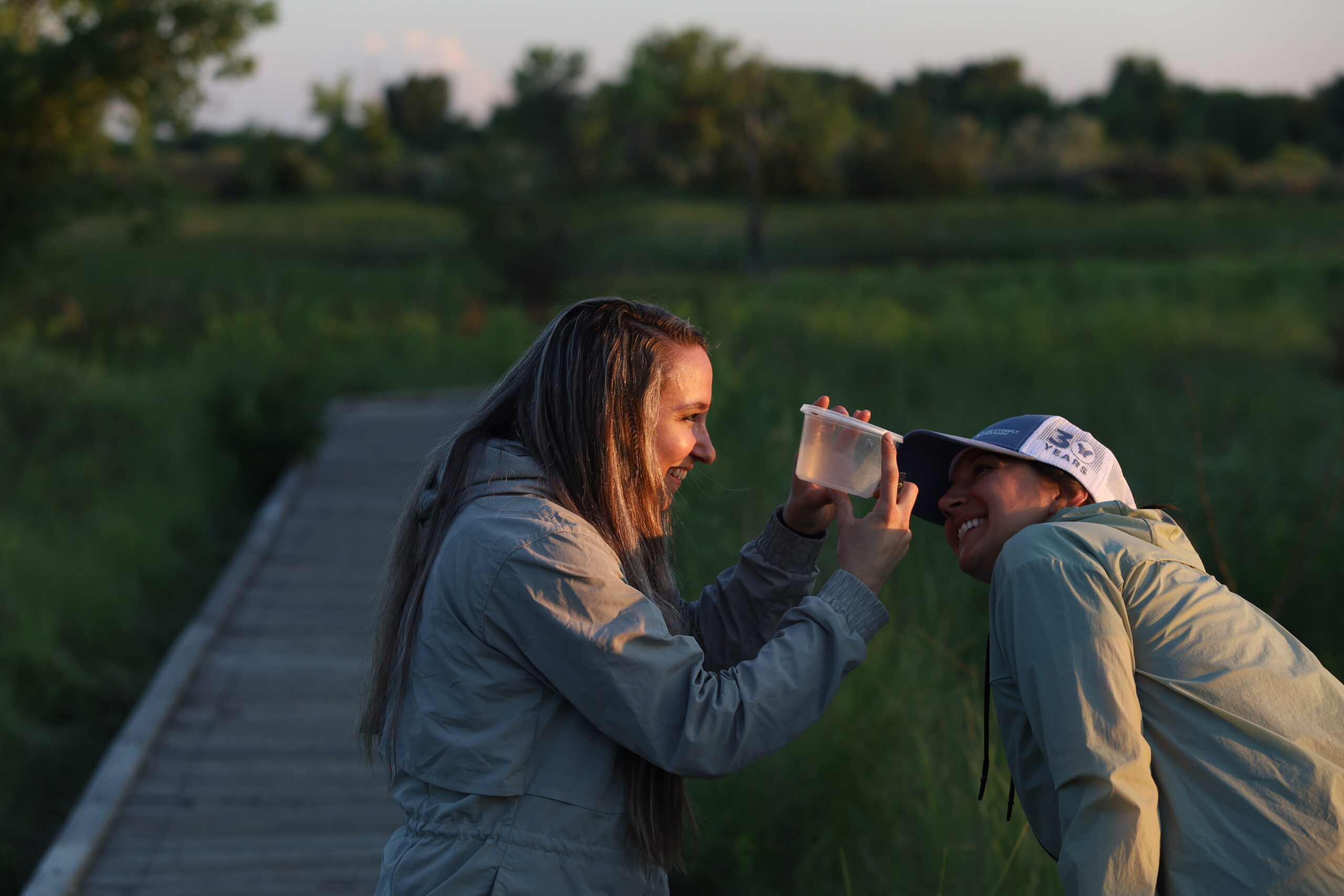
Each summer, researchers collect a small number of adult fireflies under permit from wild populations in Colorado. These adults are brought back to Butterfly Pavilion, where they are carefully bred and monitored in controlled conditions.
Their eggs develop into larvae, which are raised in specialized lab environments. Researchers closely manage factors like moisture, food, and habitat conditions to better understand what triggers development from larva to pupa and ultimately to adult fireflies.
This process is incredibly complex—breeding fireflies under human care has only rarely been accomplished in the United States and remains a major scientific challenge.
Key Milestones
- Fireflies can take 2–3 years to develop from egg to adult.
- Butterfly Pavilion successfully raised multiple adult fireflies from lab-reared larvae.
- Researchers achieved a major breakthrough by completing the full lifecycle—egg, larva, pupa, and adult—under human care.
- Lab-reared adults have successfully mated and produced viable offspring.
These milestones represent a critical step forward in understanding and conserving native firefly species in Colorado and beyond.
Why It Matters
Fireflies are more than just a magical part of summer nights—they are a key indicator species for wetland health. Their survival reflects the overall condition of ecosystems, including water quality and biodiversity.
By studying and successfully rearing fireflies, researchers can better understand their full life history and develop science-based conservation strategies. This work may eventually support restoring populations and protecting critical wetland habitats.
Butterfly Pavilion’s long-term goal is to establish sustainable, genetically diverse populations and contribute to large-scale restoration efforts, while also educating communities on how to protect firefly habitats—such as reducing light pollution and limiting pesticide use near wetlands.
Become a Community Scientist!
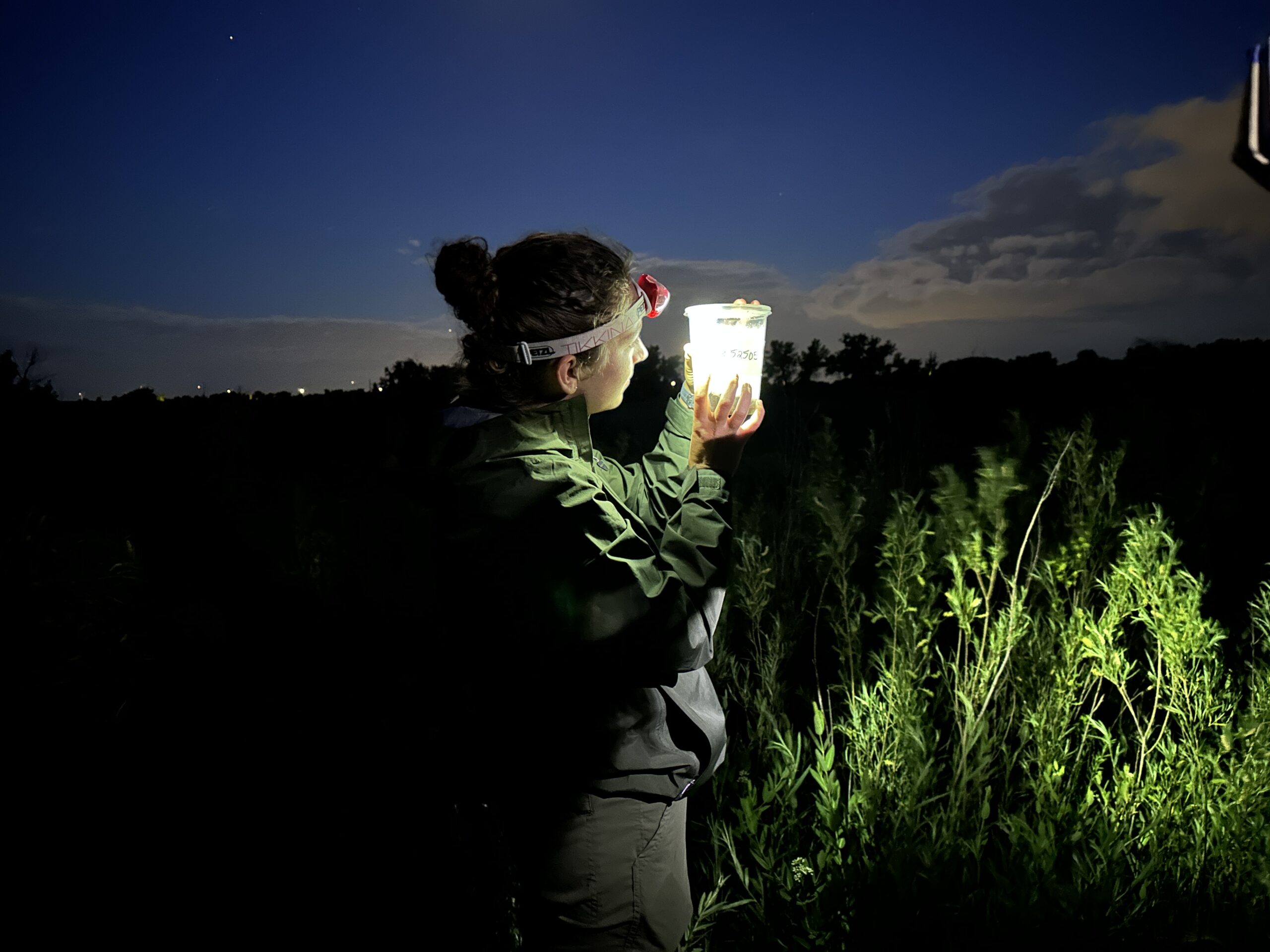
There is a lack of scientific research about fireflies, so we need your help! Become a community scientist and help Butterfly Pavilion track firefly populations around Colorado. Download and print out this datasheet and take it out into the field with you to collect sighting information.
Have you seen fireflies in Colorado? We want to know where! Submit your sighting below!
Public Locations for Firefly Viewing
Some parks are not open late enough for visitors to see fireflies during public hours, however, they may host guided walks to view fireflies after hours. Please respect the posted hours of all parks and check with them in advance.
- Riverbend Ponds Natural Area in Fort Collins, CO
Open until 11 pm
Fireflies flash along the boardwalk in the northeastern side of the natural area
Fort Collins Natural Area volunteers lead guided firefly walks in June and July - Morey Wildlife Reserve in Loveland, CO
Open from dawn to dusk
The City of Loveland hosts Fireflies in the Meadows walks in June and July
Bicycles and dogs are prohibited - Sawhill Ponds Open Space, Boulder, CO
Open until 11 pm
Fireflies have been spotted on the south side of the open space near the railroad tracks - Fountain Creek Regional Park in Fountain, CO
Open until 9 pm
The Fountain Creek Nature Center offers firefly hikes in June and July - Filoha Meadows Nature Preserve in Redstone, CO
No access in the evenings
Roaring Fork Conservancy leads guided firefly walks in July
Frequently Asked Questions
Firefly Facts
What are fireflies and why do they flash?
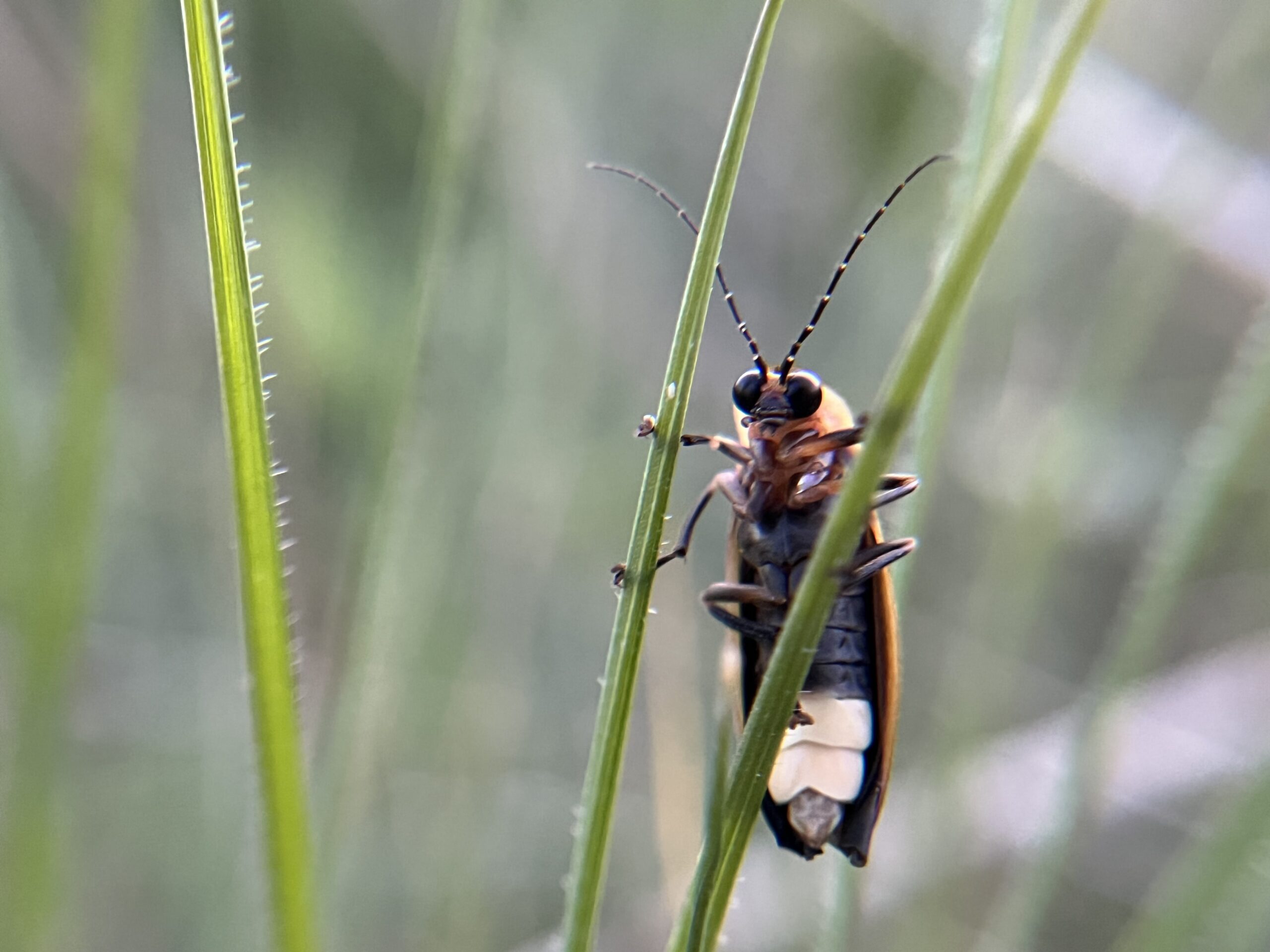
Fireflies are beetles in the family Lampyridae. Like other beetles, fireflies have six legs, two eyes, two antennae, a pair of wings, and a hard exoskeleton to protect their body. There are over 2,000 species of fireflies across the world. However, in Colorado fireflies exist in small populations dispersed throughout the state. Fireflies flash to find mates. Flashes are like a language for fireflies. Species have their own unique flashing patterns to recognize each other.
How do they flash?
Fireflies flash using bioluminescence. A chemical reaction takes place inside their light-producing organs. When oxygen is exposed to certain chemical compounds inside the organs, the reaction produces light. Not all fireflies flash as adults. There are three types of fireflies: flashing fireflies, diurnal fireflies, and glowworms. The diurnal (active during the day) fireflies do not flash as adults, though they may emit some light. Glowworms may flash or emit a constant glow. The fireflies that we refer to as “lightning bugs” are the nocturnal flashing fireflies.
What is their habitat?
Fireflies live near fresh water. They are often found near creeks, ponds, rivers, lakes, marshes, and even hot springs. They are commonly seen in forests, fields, and meadows near these sources of water. During the mating season, flashing females tend to wait on vegetation while the males fly, so wetland areas with low vegetation are popular.
What do they eat?
Larvae eat a variety of prey items, though some specifically eat soft bodied invertebrates such as earthworms, slugs, and snails. Some species don’t eat at all as adults, while others are predaceous. Females in the Photuris genus even mimic the flashing patterns of females in the Photinus genus to draw in males to eat them. Some adults consume nectar from plants and may act as pollinators.
How do they survive in winter?
Fireflies hatch from eggs in July through August then develop into larvae. The larvae are voracious predators and develop through multiple instars (stages of development). They protect themselves from freezing winter temperatures by sheltering in the ground or under tree bark.
Fireflies in Colorado
Which species are in Colorado?
We truly aren’t sure! A handful of species have been positively identified in Colorado; however, we lack scientific research about the exact species for many of the population. More research is needed to identify the firefly species in Colorado and their ranges.
Where can you see fireflies in Colorado?
Firefly sightings have been reported across the Front Range and in Western and Southeastern Colorado. Look for open spaces with wetlands. The flashing fireflies can be seen around late June through July when the nights in Colorado begin to warm up. They typically start flashing after 9:00pm.
Support
Why are fireflies important?
Fireflies are beloved for their unique light shows, but they also serve important ecological roles. They act as pest control for their prey species such as snails and slugs. They act as food for wildlife such as toads, frogs, newts, birds, and spiders. Some species which eat nectar and pollen may even act as pollinators.
How can we protect fireflies?
Fireflies are threatened by habitat loss, pesticide use and light pollution. You can protect firefly habitat by:
- Supporting land conservation and habitat restoration.
- Staying on designated paths when visiting natural areas to avoid damaging their habitat.
- Enjoying fireflies in the wild and not catching them.
- Turning off unnecessary lights near their habitats in June through August.
How can I get involved?
Become a community scientist and help Butterfly Pavilion track firefly populations around Colorado.