Protecting Pollinators, Forests, and Indigenous Knowledge in the Amazon
Butterfly Pavilion is partnering with Waorani and Kichwa First Nation communities in the Ecuadorian Amazon, alongside local collaborators to protect stingless bees.
Protecting Pollinators, Forests, and Indigenous Knowledge in the Amazon
Butterfly Pavilion is partnering with Waorani and Kichwa First Nation communities in the Ecuadorian Amazon, alongside local collaborators to protect stingless bees through community-led conservation, sustainable meliponiculture (stingless beekeeping), environmental education, and long-term stewardship of rainforest ecosystems.
Stingless bees are among the most important pollinators in tropical ecosystems and play a critical role in supporting rainforest biodiversity, ecological connectivity, and forest regeneration. Ecuador lies within one of the world’s richest regions for stingless bee diversity (with hundreds of document species in the region), yet these native pollinators face growing threats from deforestation, habitat fragmentation, climate change, and pesticide exposure among others. Protecting stingless bees means protecting the forests, wildlife, and communities that depend on them.
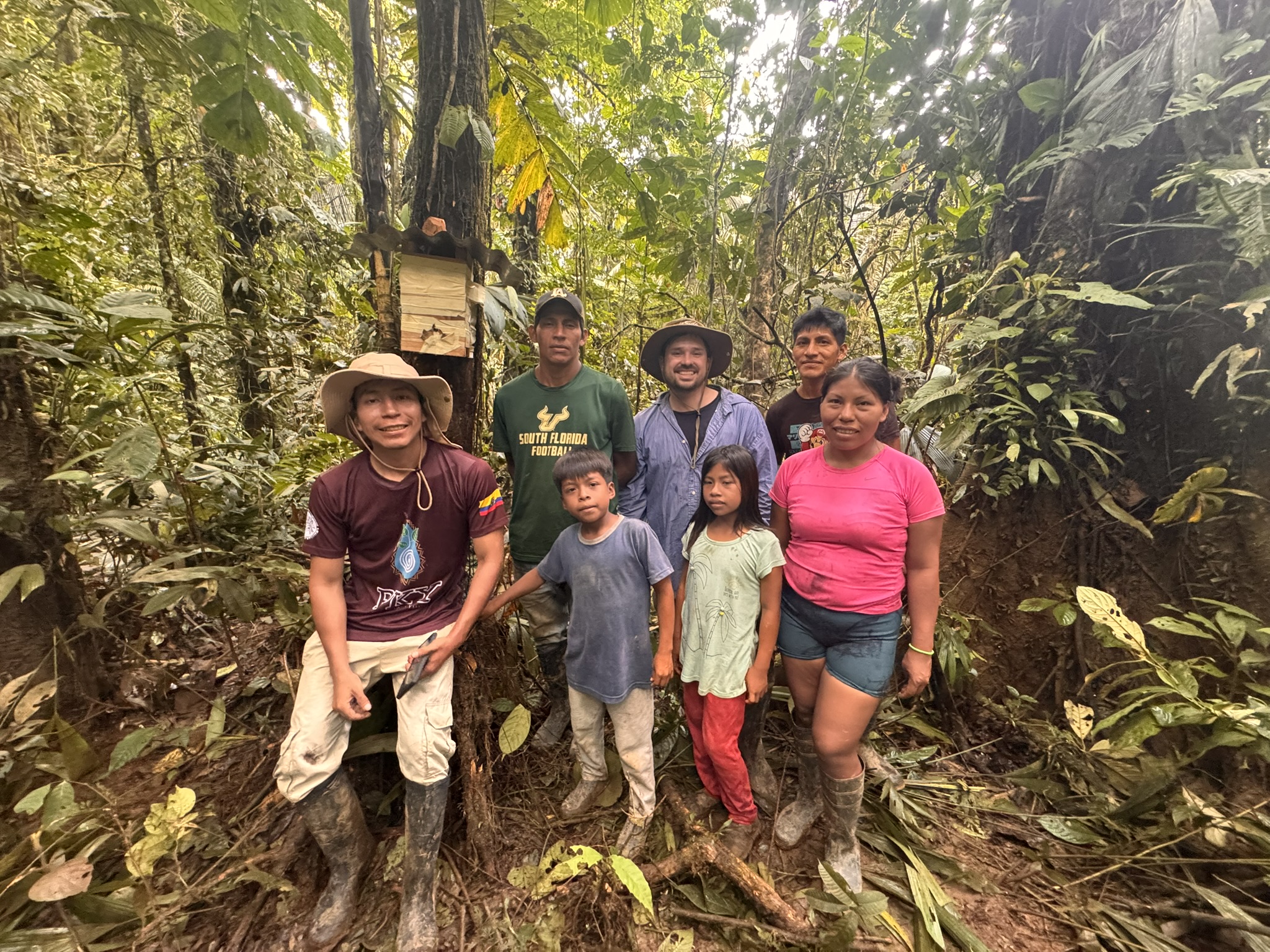
This initiative combines Indigenous ecological knowledge with scientific research and conservation action. Working directly with local communities in tropical forests of Ecuador, Butterfly Pavilion supports the rescue and transfer of stingless bee colonies threatened by logging, construction, or fallen trees into sustainable wooden hive systems that allow colonies to survive and reproduce long term. Traditionally, honey extraction often involved opening trees or ground nests and leaving colonies exposed to parasites and environmental stress. Through hands-on workshops, capacity building, and field training, communities are expanding into new approaches that allow honey collection while also protecting and managing colonies for the future.
The project also focuses heavily on environmental education and cultural exchange. Community members, youth, and students participate in workshops covering bee biology, pollination, biodiversity, sustainable hive management, and rainforest conservation. Educational activities include storytelling, participatory learning, art, fieldwork, and Indigenous knowledge sharing related to pollinators and forest ecosystems.
The ecological importance of this work extends beyond bees. In Ecuador’s cloud forests, the project also explores the relationship between stingless bees and the pollination of fruiting trees important to the endangered Andean bear, including aguacatillo trees that support bear populations and other wildlife throughout the region. Protecting pollinators ultimately strengthens entire ecosystems and helps conserve the biodiversity of both the Amazon and Andean cloud forests.
Timeline
Since launching in 2024, the project has mapped 26 stingless bee colonies across the Amazon and cloud forests of Ecuador, identified 8 genera of stingless bees, documented more than 30 bee morphotypes, and trained community members in colony rescue, hive management, and pollinator conservation. During the first phase of the project, three wild colonies were successfully transferred into managed hive systems in the Amazon while two colony splits were completed in the cloud forest reserve. More than 100 children and adults participated in environmental education workshops and pollinator conservation activities across participating communities.
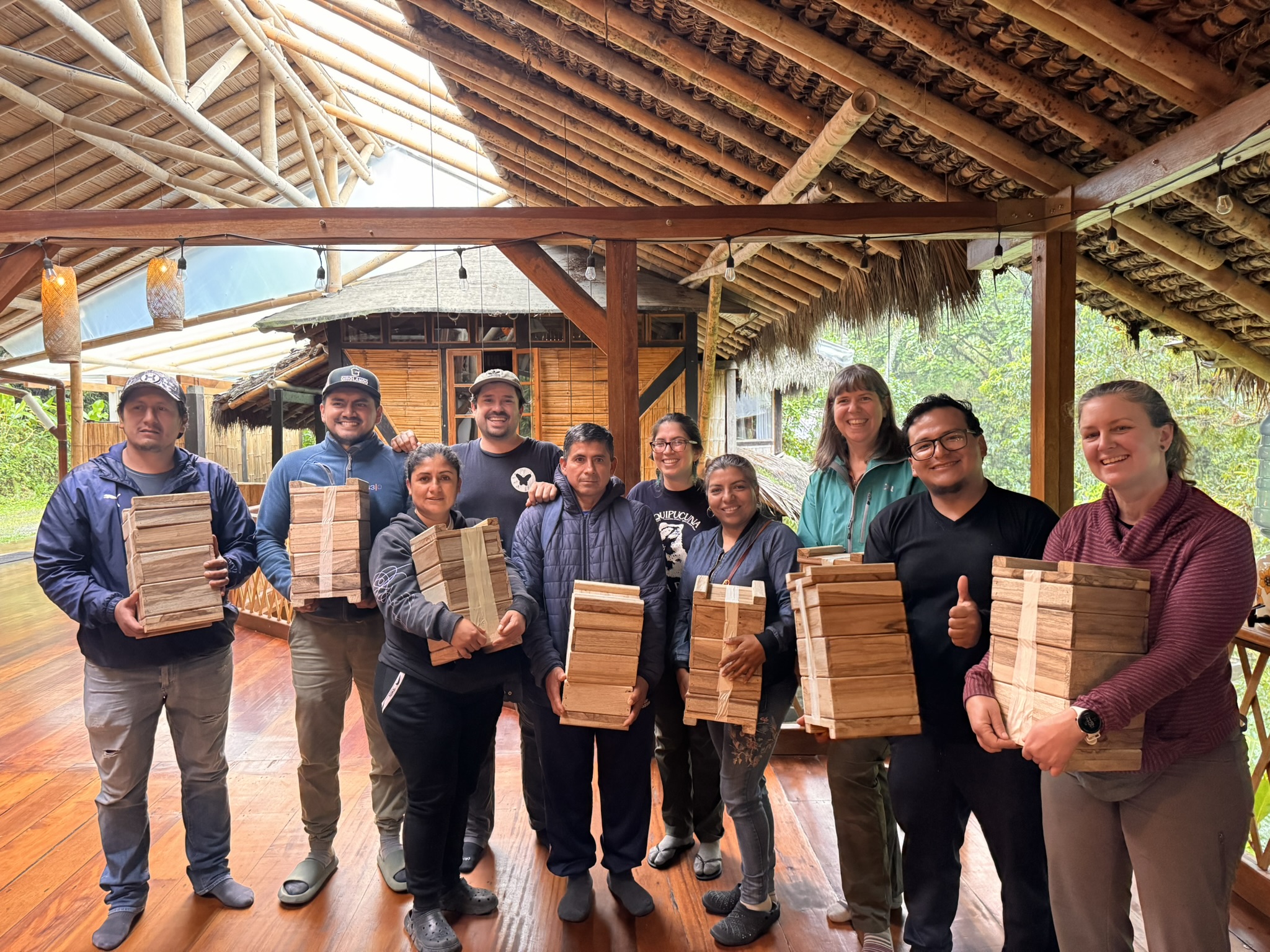
In 2025, Butterfly Pavilion expanded the program by delivering additional hive boxes, educational modules, science journals, and pollinator materials to participating communities. Multiple additional colony transfers involving 2 different stingless bees species were conducted, while community members increasingly took active leadership roles in locating nests, monitoring colonies, and supporting conservation activities.
Looking ahead, the long-term goal is to establish a scalable Indigenous-led conservation model that protects pollinators, strengthens ecological connectivity, supports sustainable livelihoods, and empowers communities as long-term stewards of Amazonian biodiversity. Future phases of the project aim to expand conservation and meliponiculture programs into additional communities throughout the Ecuadorian Amazon, increase the number of rescued and sustainably managed colonies, strengthen Indigenous leadership through advanced training and community exchanges, and continue developing sustainable honey production and forest-compatible enterprises that support local livelihoods while reinforcing long-term forest conservation.
With continued support, Butterfly Pavilion and its partners hope to expand this model throughout the Amazon basin while advancing research on stingless bee ecology, pollination biology, and biodiversity conservation. By combining science, education, and Indigenous stewardship, the project seeks to protect some of the world’s most important tropical ecosystems and the communities that have safeguarded them for generations.
The Urban Prairies Project (UPP) improves the ecological health of urban and suburban open spaces along the Front Range and beyond by connecting community members with habitat conservation for pollinators and other wildlife.
UPP recognizes the strong connection between healthy green spaces and human well-being, and works with municipal and community partners to make nature close to home healthier for all.
Over the last century, the shortgrass prairie ecosystem that once dominated Colorado’s Front Range has declined to less than one-fifth of its original area. Alongside this loss, we’ve seen significant declines in native plant and animal species, key ecosystem processes, and access to nature that supports human health.
The Urban Prairies Project provides opportunities to directly counteract these losses—whether through one-time volunteer projects near home or through deeper engagement as a trained Restoration Master Volunteer.
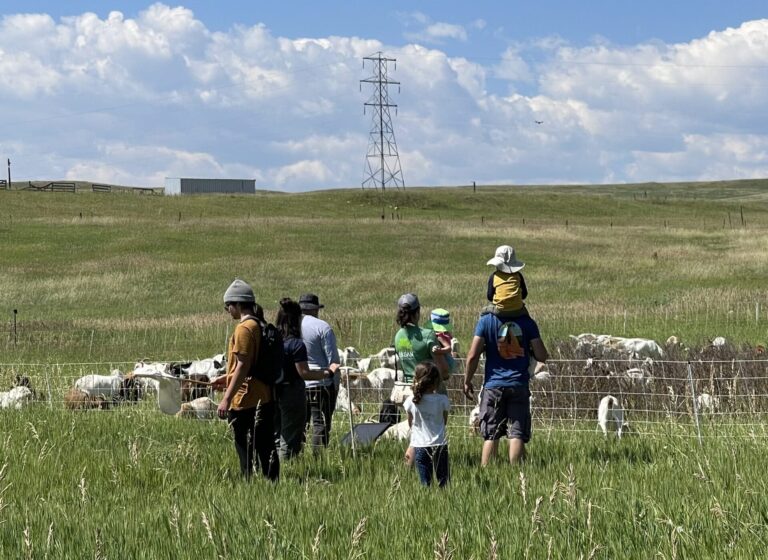
Restoration Master Volunteer Program
Restoration Master Volunteers (RMVs) complete a core training in restoration principles and techniques, native ecosystems, crew leadership, and community outreach.
After training, volunteers can choose how they want to get involved:
- Habitat Restoration: planting projects, invasive species removal, seed collection
- Monitoring & Data Collection: tracking pollinators, plants, soil health, wildlife, and more
- Community Outreach: leading nature walks, attending events, writing articles, and educating others
Volunteers are encouraged to participate in one—or all—of these opportunities based on their interests.
No experience is necessary. Everyone is welcome!
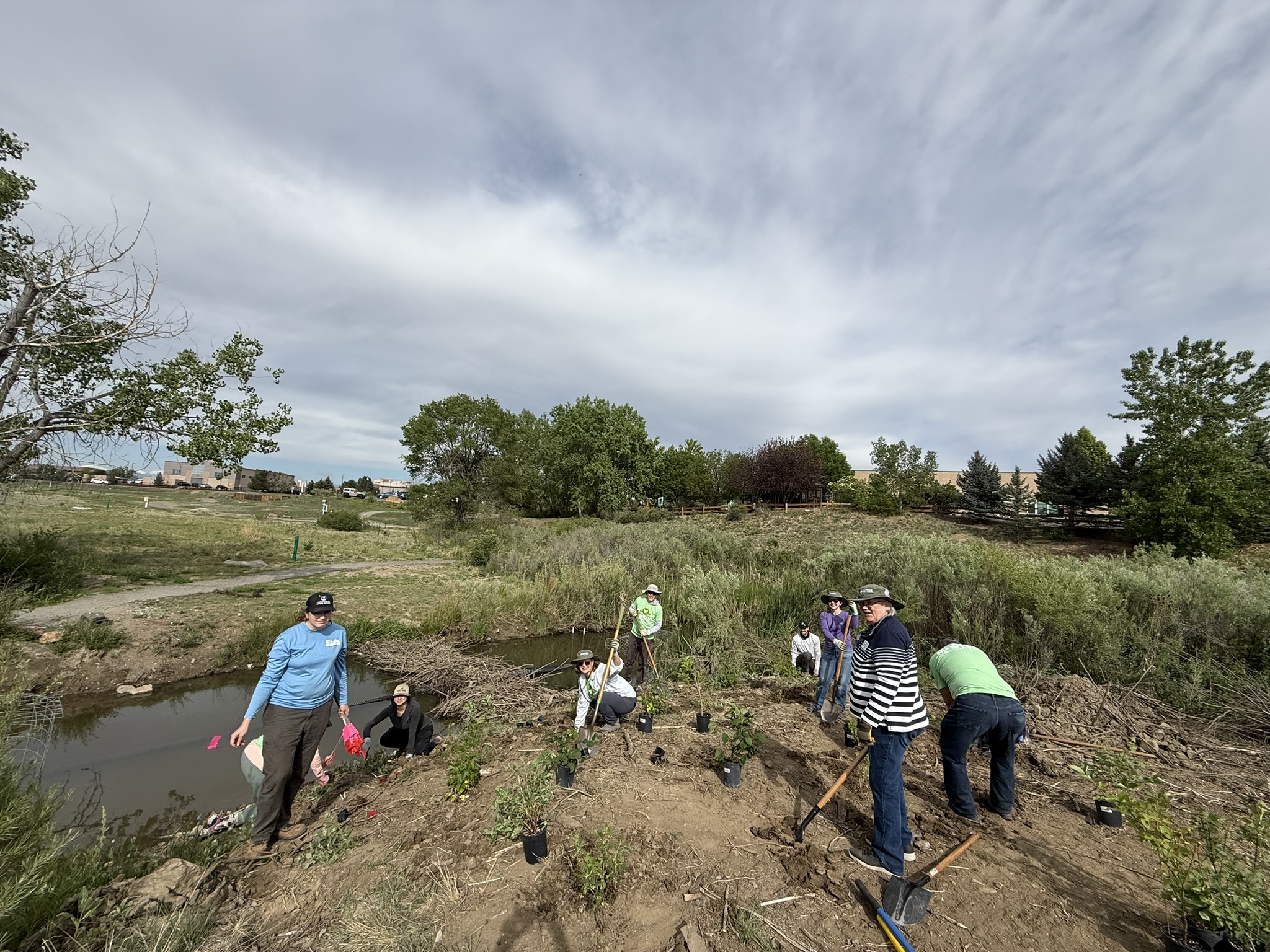
How to Get Involved
- Attend an Urban Prairies Project community event to get started.
- Become a Restoration Master Volunteer:
- Submit a volunteer interest form
- Attend a Restoration Master Volunteer training session
- Join the RMV community and receive updates on projects, monitoring programs, and additional training opportunities
- Participate in restoration projects, data collection, and community outreach
Training Information
Restoration Master Volunteer trainings are typically offered twice per year (Spring and Fall). Trainings include multiple sessions covering core restoration topics and hands-on learning.
For more information or to get involved, contact: awhite@butterflies.org
BioBlitz
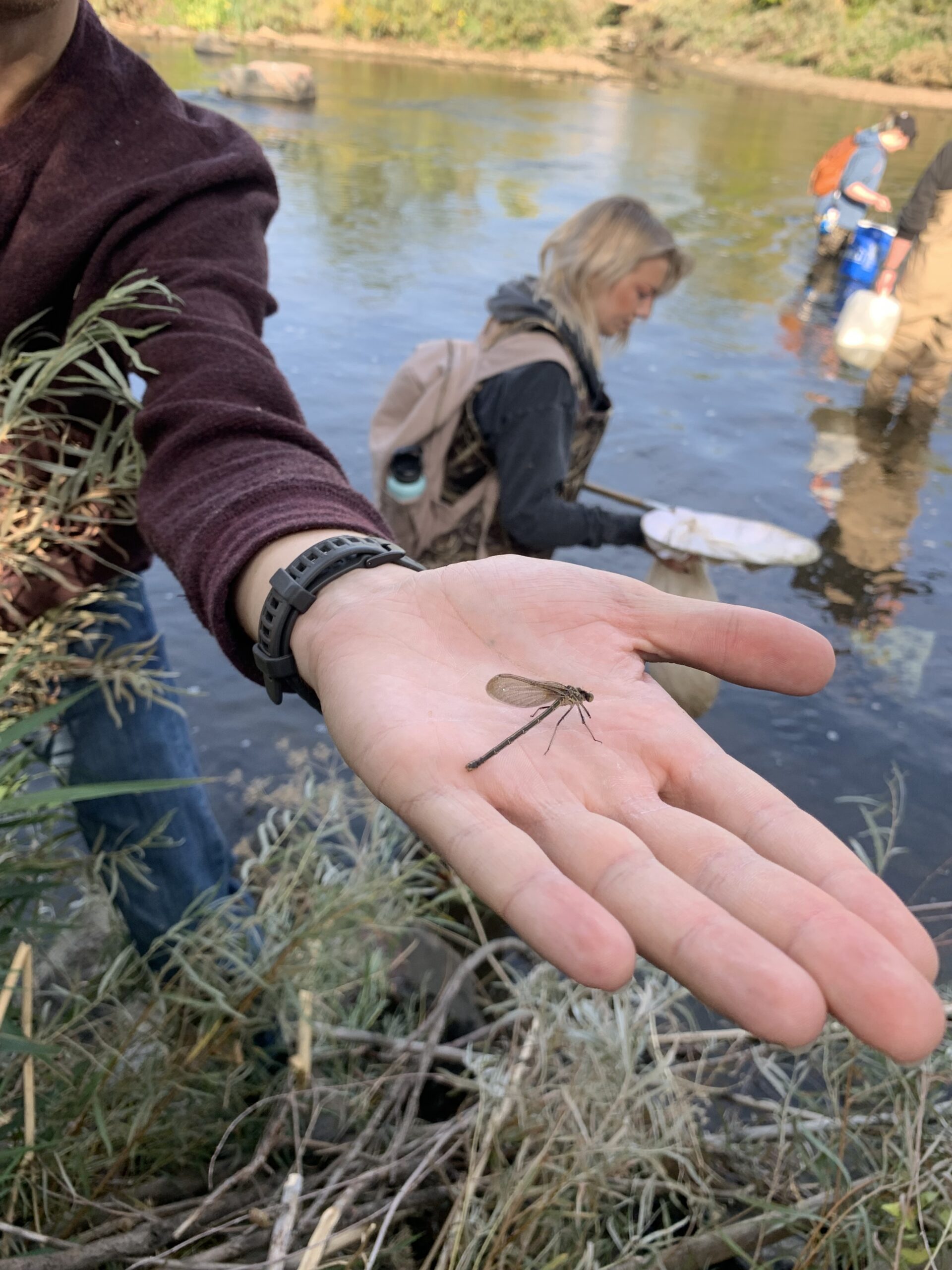
A BioBlitz is a short, intense biological survey that aims to record as many species in a specific area as possible. Butterfly Pavilion researchers are experienced in surveying for invertebrates and we often work with partners to perform BioBlitzes around Colorado.
Invertebrate BioBlitzes usually consist of one day of intense fieldwork and weeks to months of specimen preservation and identification. Butterfly Pavilion experts lead these BioBlitzes then identify and analyze the invertebrates sampled so that we have an inventory of our native invertebrates and can monitor changes to these communities before and after restoration efforts.
Upcoming Bioblitz’s:
Community Bioblitz at Kneebone Open Space – Sunday, June 14, 2026