Protecting Pollinators, Forests, and Indigenous Knowledge in the Amazon
Butterfly Pavilion is partnering with Waorani and Kichwa First Nation communities in the Ecuadorian Amazon, alongside local collaborators to protect stingless bees.
Protecting Pollinators, Forests, and Indigenous Knowledge in the Amazon
Butterfly Pavilion is partnering with Waorani and Kichwa First Nation communities in the Ecuadorian Amazon, alongside local collaborators to protect stingless bees through community-led conservation, sustainable meliponiculture (stingless beekeeping), environmental education, and long-term stewardship of rainforest ecosystems.
Stingless bees are among the most important pollinators in tropical ecosystems and play a critical role in supporting rainforest biodiversity, ecological connectivity, and forest regeneration. Ecuador lies within one of the world’s richest regions for stingless bee diversity (with hundreds of document species in the region), yet these native pollinators face growing threats from deforestation, habitat fragmentation, climate change, and pesticide exposure among others. Protecting stingless bees means protecting the forests, wildlife, and communities that depend on them.
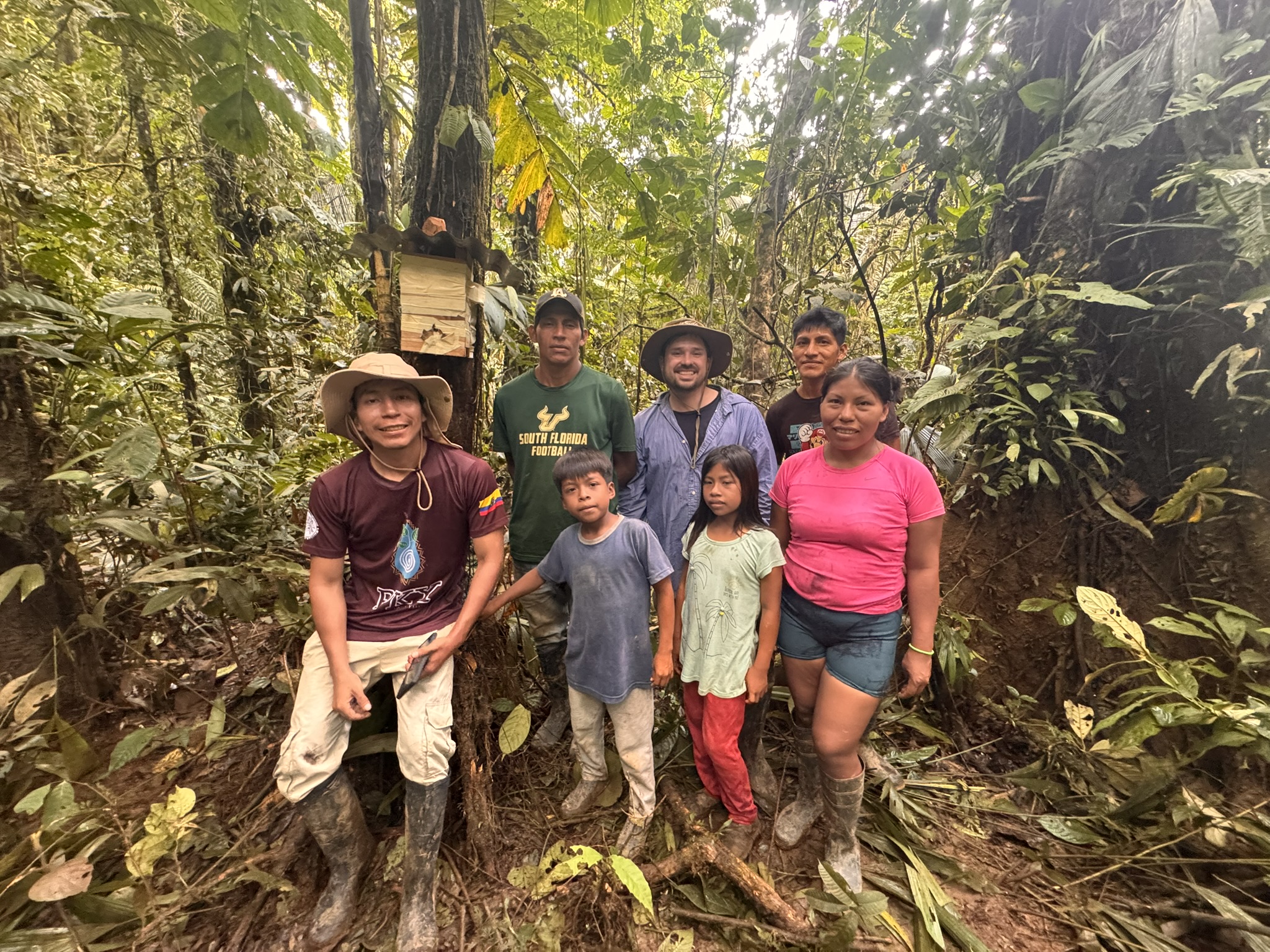
This initiative combines Indigenous ecological knowledge with scientific research and conservation action. Working directly with local communities in tropical forests of Ecuador, Butterfly Pavilion supports the rescue and transfer of stingless bee colonies threatened by logging, construction, or fallen trees into sustainable wooden hive systems that allow colonies to survive and reproduce long term. Traditionally, honey extraction often involved opening trees or ground nests and leaving colonies exposed to parasites and environmental stress. Through hands-on workshops, capacity building, and field training, communities are expanding into new approaches that allow honey collection while also protecting and managing colonies for the future.
The project also focuses heavily on environmental education and cultural exchange. Community members, youth, and students participate in workshops covering bee biology, pollination, biodiversity, sustainable hive management, and rainforest conservation. Educational activities include storytelling, participatory learning, art, fieldwork, and Indigenous knowledge sharing related to pollinators and forest ecosystems.
The ecological importance of this work extends beyond bees. In Ecuador’s cloud forests, the project also explores the relationship between stingless bees and the pollination of fruiting trees important to the endangered Andean bear, including aguacatillo trees that support bear populations and other wildlife throughout the region. Protecting pollinators ultimately strengthens entire ecosystems and helps conserve the biodiversity of both the Amazon and Andean cloud forests.
Timeline
Since launching in 2024, the project has mapped 26 stingless bee colonies across the Amazon and cloud forests of Ecuador, identified 8 genera of stingless bees, documented more than 30 bee morphotypes, and trained community members in colony rescue, hive management, and pollinator conservation. During the first phase of the project, three wild colonies were successfully transferred into managed hive systems in the Amazon while two colony splits were completed in the cloud forest reserve. More than 100 children and adults participated in environmental education workshops and pollinator conservation activities across participating communities.
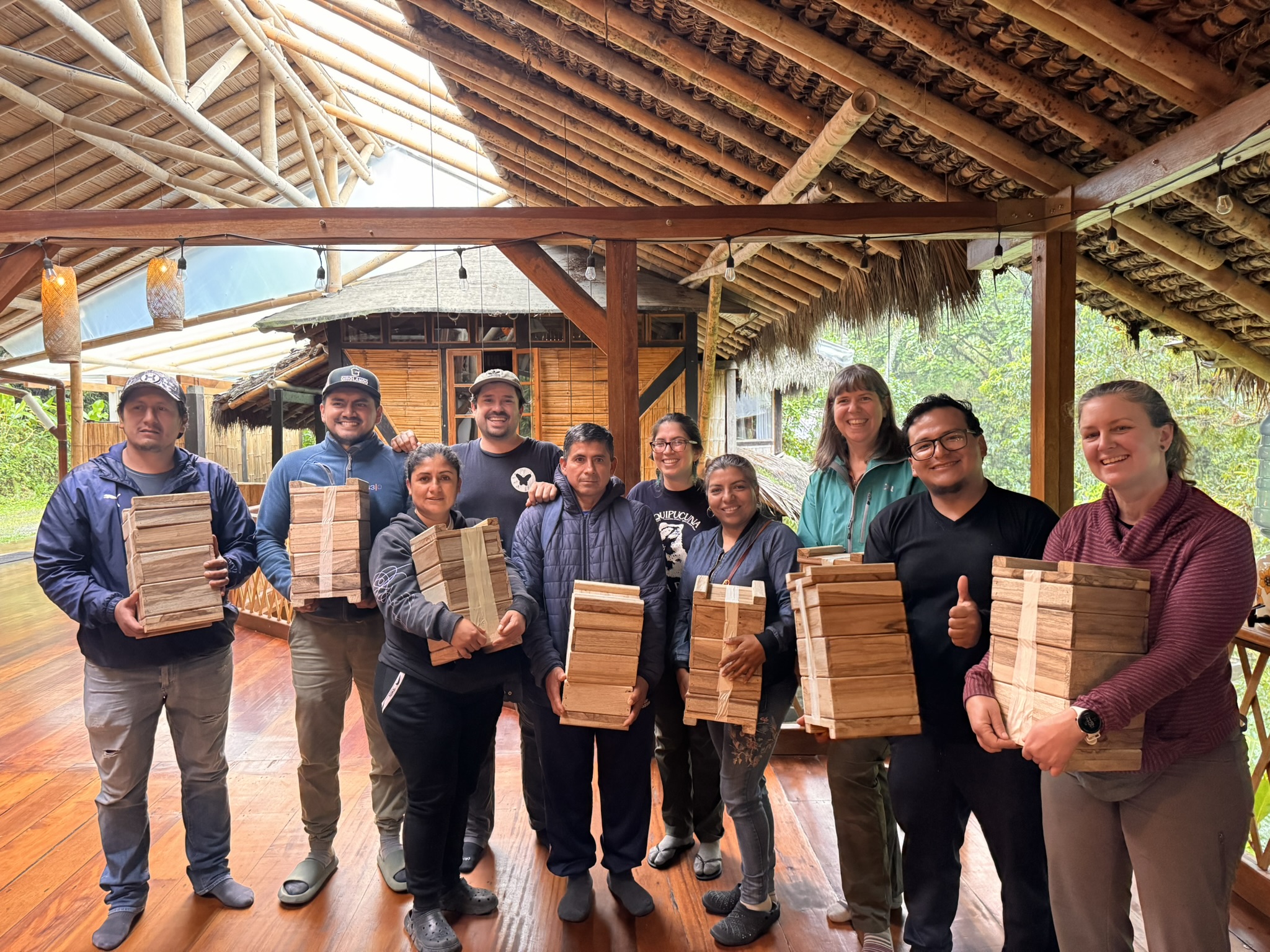
In 2025, Butterfly Pavilion expanded the program by delivering additional hive boxes, educational modules, science journals, and pollinator materials to participating communities. Multiple additional colony transfers involving 2 different stingless bees species were conducted, while community members increasingly took active leadership roles in locating nests, monitoring colonies, and supporting conservation activities.
Looking ahead, the long-term goal is to establish a scalable Indigenous-led conservation model that protects pollinators, strengthens ecological connectivity, supports sustainable livelihoods, and empowers communities as long-term stewards of Amazonian biodiversity. Future phases of the project aim to expand conservation and meliponiculture programs into additional communities throughout the Ecuadorian Amazon, increase the number of rescued and sustainably managed colonies, strengthen Indigenous leadership through advanced training and community exchanges, and continue developing sustainable honey production and forest-compatible enterprises that support local livelihoods while reinforcing long-term forest conservation.
With continued support, Butterfly Pavilion and its partners hope to expand this model throughout the Amazon basin while advancing research on stingless bee ecology, pollination biology, and biodiversity conservation. By combining science, education, and Indigenous stewardship, the project seeks to protect some of the world’s most important tropical ecosystems and the communities that have safeguarded them for generations.
Bee Fencing Project
Butterfly Pavilion supports the spread of beehive fencing to new communities in Africa to mitigate human-elephant conflict.
The Bees for Elephants project is transforming the way rural communities coexist with wildlife. For generations, farmers living near National parks or elephant corridors have struggled with a devastating challenge: elephants raiding their crops and water sources. These massive animals, while majestic and vital to the ecosystem, can destroy water systems or an entire season’s harvest in a single night, leaving families without fresh water, food, or income for months. In extreme cases, these encounters can even turn deadly for both the people and the elephants, as frightened farmers attempt to defend their livelihoods. With limited resources and few alternatives, many villages have faced the heartbreaking choice between survival and conservation.
Elephant deterrent methods such as electrical fences, thorn barriers, loud noises, fire, and gunshots have been used in an attempt to mitigate human-elephant conflict. However, these methods are often difficult to sustain in the long-term and elephants quickly find ways around them.
Invertebrates to the Rescue
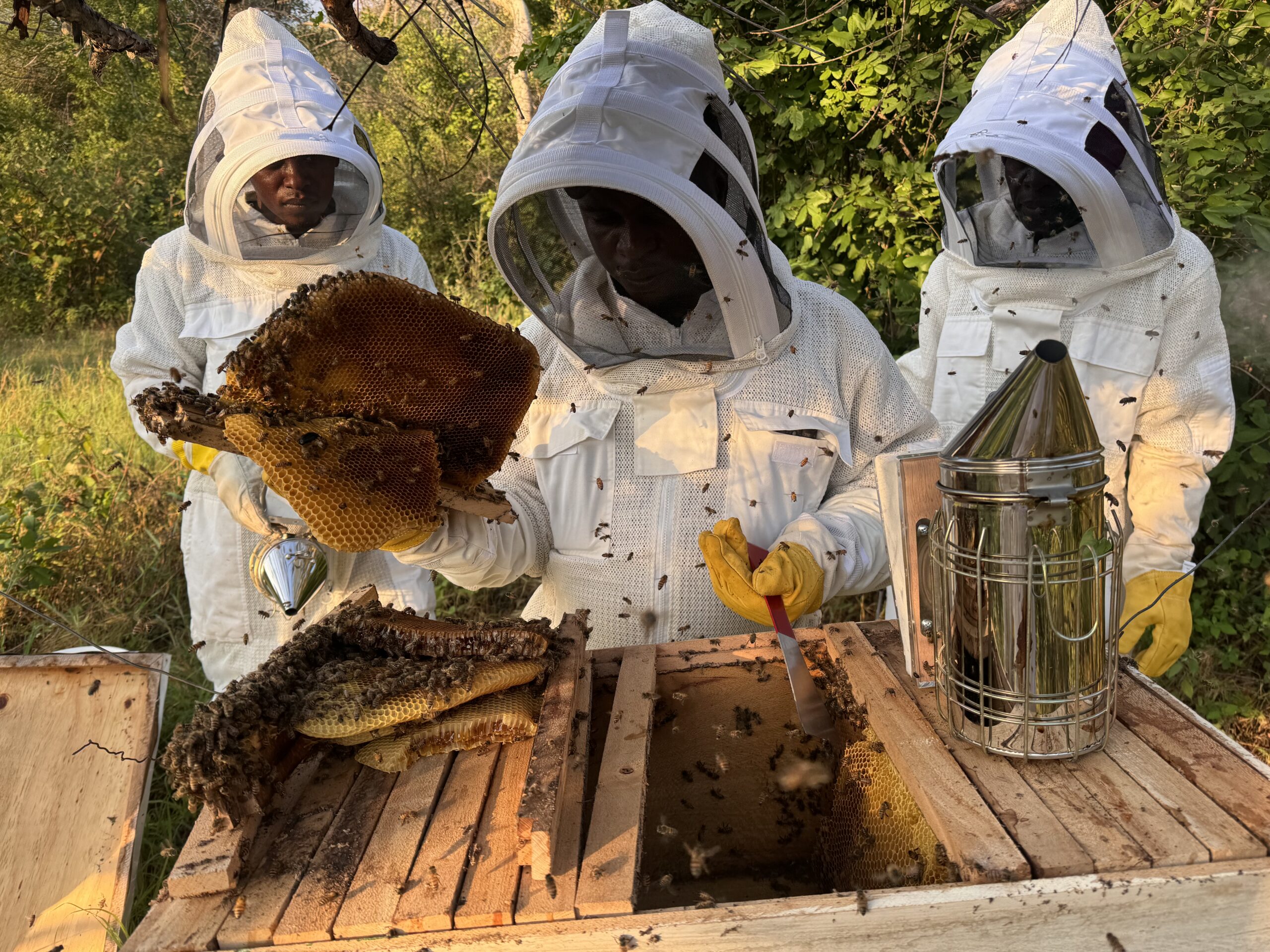
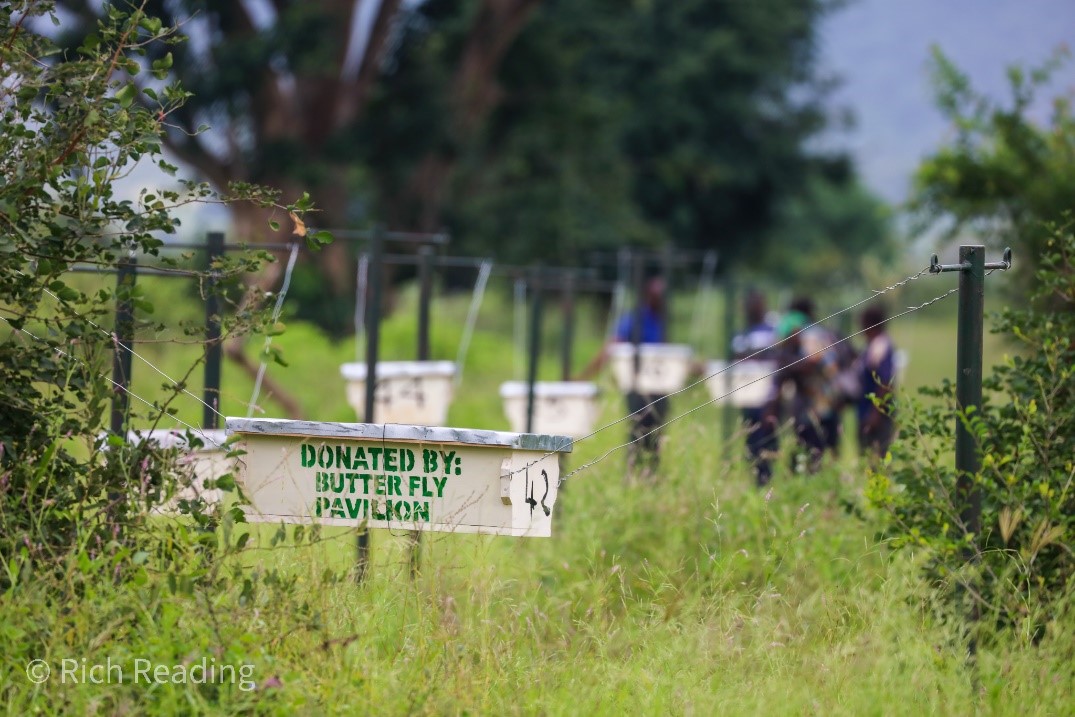
A simple yet powerful solution is changing everything, thanks to the African honeybees (Apis mellifera scutellata). Bee hives represent a natural human-elephant conflict mitigation tool that has been proven successful and sustainable in the form of beehive fencing. Beehive fencing (developed by Dr. Lucy King of Save the Elephants) uses hanging beehives around crops and homes to deter elephants from entering areas.
But how do bee fences work?
Basically, the bees are acting as nature’s peacekeepers in this conflict. Elephants have an instinctive fear of bees, avoiding them to avoid painful stings in sensitive areas like up their trunks, eyes, and ears. The Bees for Elephants project leverages this natural deterrent by installing beehive fences, a series of connected hives that create a living, aggressive and buzzing barrier around farmlands. When elephants approach and disturb them, the bees emerge, encouraging the elephants to go away before damage is done. African honeybees will readily send thousands of worker bees out to sting intruders. Even the sound of bees swarming causes elephants to run away and, overtime, they learn to avoid these bee-fenced areas and teach their family groups to do the same.
This nature-based solution is not only effective but also provides life-changing benefits for the local people and ecosystems involved.
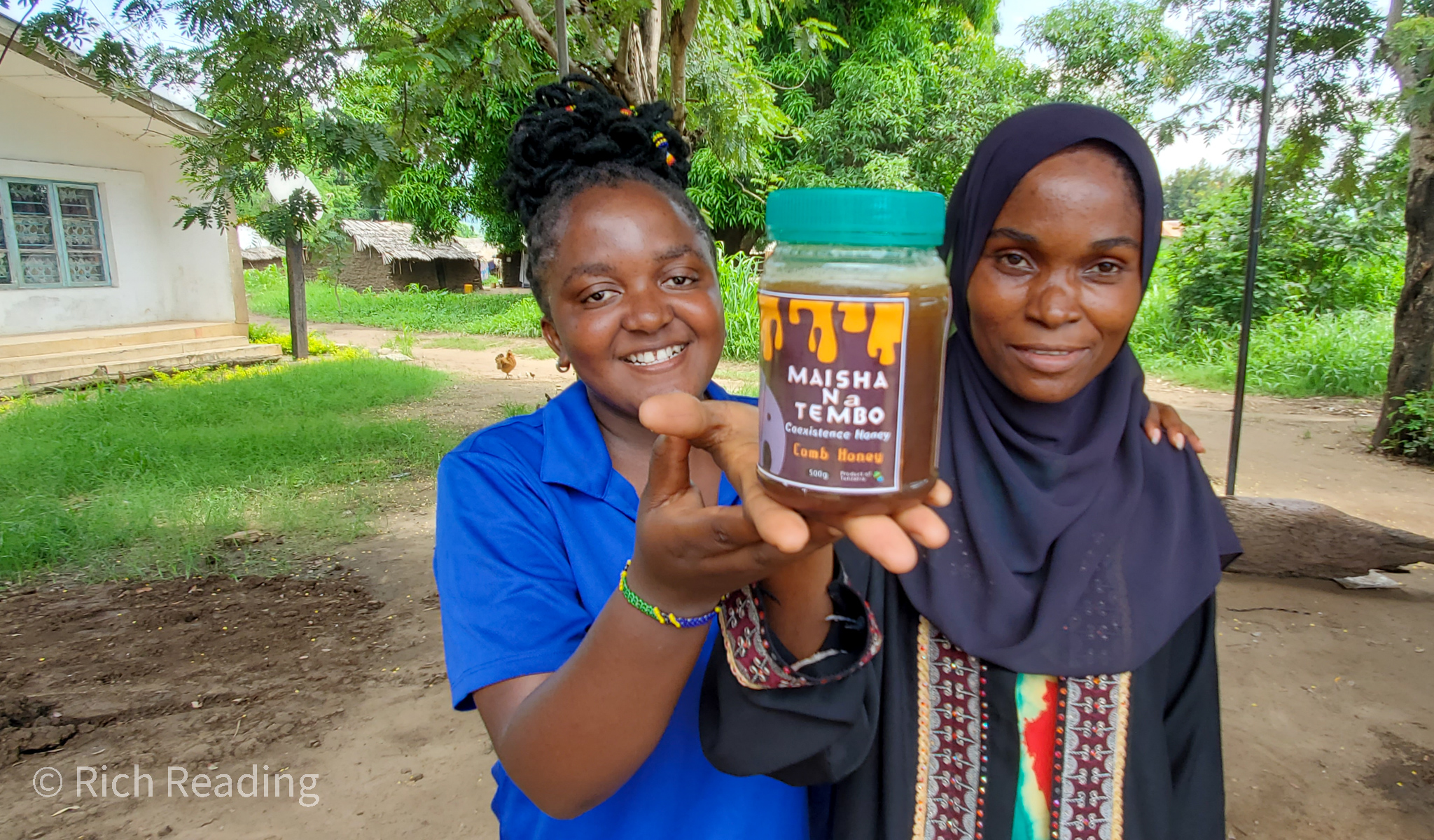
Besides defending against elephants, beehive fences provide the benefits of being easily managed by people within the community, involving locally available materials, providing pollination to crops, and providing a supplemental income to farmers through the sale of wax and honey. As such, maintaining hives provides an opportunity for local livelihood enhancement. It is estimated that, within three years of fence construction, communities become self-sufficient in maintaining the fences and selling the honey, propolis, and wax harvested from the hives.
Timeline
In 2018, Butterfly Pavilion launched the Bee Fencing Project in collaboration with the Katie Adamson Conservation Fund (KACF), Denver Zoo, and the Health and Environmental Management Society (HEMS) in Nepal. Butterfly Pavilion traveled to a community just outside of Nepalgunj, Nepal, adjacent to Bardia National Park to establish beehives. Butterfly Pavilion experts trained community members in beekeeping techniques.
In 2019, Butterfly Pavilion expanded our Bee Fencing Project to Tanzania. Butterfly Pavilion experts traveled to Lamadi, Tanzania, near Serengeti National Park, to donate beekeeping equipment, build hives, and train community members in beekeeping.
Between 2021 and 2024, we began planning with the Tanzanian Elephant Foundation to expand our Bees for Elephants Program to communities outside of Nyerere National Park in southern Tanzania and Mkomazi National Park in northern Tanzania. In 2022, we started a 4.5-kilometer beehive fence in Kisiwani, Tanzania to protect crop fields from elephants entering the community from Mkomazi National Park. Wild honeybee colonies occupied the hives within only just hours of hanging them! We also added new hives to a beehive fence in Kisemo and pulled honey frames from a beehive fence in Kisaki. We supported beekeeping training in these three communities and donated beekeeping equipment to Kisiwani so that they can safely manage their fence and hives.
In 2025, we acheived a major accomplishment of completing the installation of Africa’s largest bee fence, spanning more than 6 kilometers across the village of Kisiwani, Tanzania! With this expansion, we’re celebrating what’s possible when conservation, community, and creativity come together, and helping the world see the incredible impact of invertebrates.
Currently, we work with five villages, where beehive fences range from 1 km to 6 km in length, protecting farms and providing economic opportunities through the production of beekeeping products, such as honey, wax, and propolis. To date, we have installed 990 hives with 254 occupied with bees. As a result, conflicts have dropped by well over 80% and honey production has soared, with over 600 kg of honey harvested so far, creating new financial stability for families. Additionally, through training programs, we empower local beekeepers, equipping them with skills in hive management, honey production, and product diversification, further strengthening economic resilience.
Last but not least: A Model for Conservation Success
Butterfly Pavilion saw the great potential of beehive fencing to not only protect elephants, but also promote the conservation of native honey bee species and pollinator habitat in communities in Africa.
This initiative is proving that people, pollinators, and wildlife can thrive together. By reducing human-elephant conflict, we are preventing elephant deaths caused by retaliation while fostering a culture of coexistence. At the same time, our work is promoting pollinator conservation—critical for maintaining healthy ecosystems and agricultural success. This model has the potential to expand across Africa, offering a replicable blueprint for other communities facing similar challenges.
African honeybees are native to Tanzania, and by fostering love, care and respect for them we accomplish one of our most important missions at Butterfly Pavilion. Enhancing the future of these small feisty but vital pollinators in Africa.
By investing in bee fences, we are not just protecting crops. we are securing livelihoods, conserving pollinators, and ensuring the future of one of Earth’s most iconic species.
Your support can help expand our impact, bringing this innovative solution to more villages and ensuring a future where elephants and communities can thrive together.
Want to learn more about our Bee’s For Elephants Project? Check out some of our articles on Bee Fencing below.
Q&A with Rich Reading About Bees for Elephants – Feb 1, 2024
Butterfly Pavilion’s Trip to Tanzania – Oct 3, 2022
Bees For Elephants Program: A Tanzania Project Summary – March 22, 2022
Bees For Elephants – March 4, 2022
Bee Fencing Project: A Global Impact – Sept 22, 2021
The Best Defense is a Good Bee Fence – July 31, 2019
Bee Fencing to Protect People and Elephants – Dec 18, 2018
The Urban Prairies Project (UPP) improves the ecological health of urban and suburban open spaces along the Front Range and beyond by connecting community members with habitat conservation for pollinators and other wildlife.
UPP recognizes the strong connection between healthy green spaces and human well-being, and works with municipal and community partners to make nature close to home healthier for all.
Over the last century, the shortgrass prairie ecosystem that once dominated Colorado’s Front Range has declined to less than one-fifth of its original area. Alongside this loss, we’ve seen significant declines in native plant and animal species, key ecosystem processes, and access to nature that supports human health.
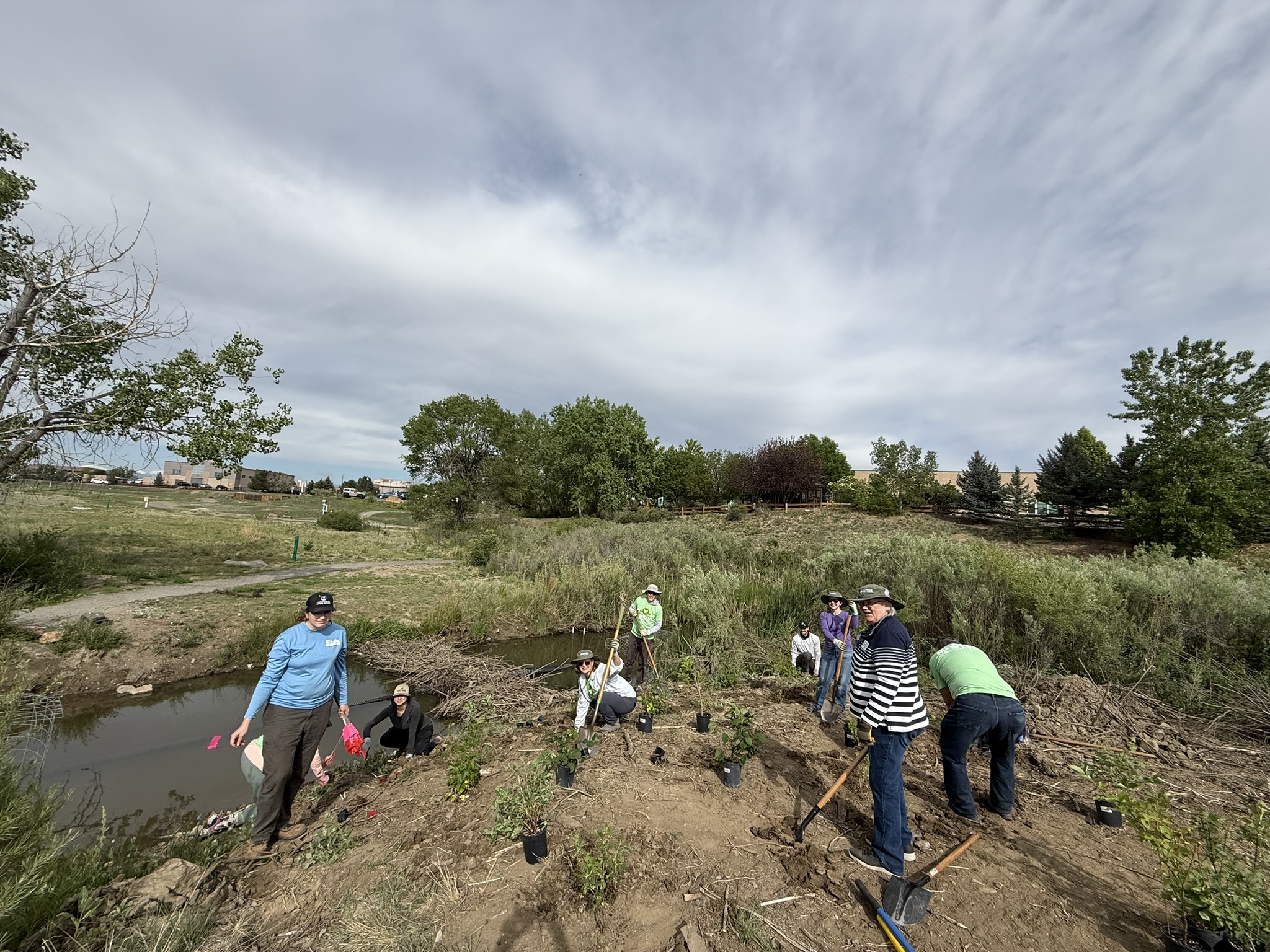
The Urban Prairies Project provides opportunities to directly counteract these losses—whether through one-time volunteer projects near home or through deeper engagement as a trained Restoration Master Volunteer.
Restoration Master Volunteer Program
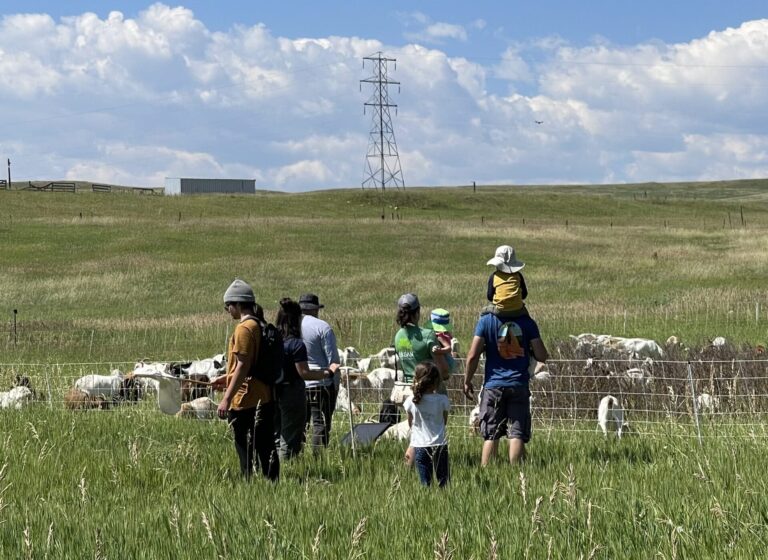
Restoration Master Volunteers (RMVs) complete a core training in restoration principles and techniques, native ecosystems, crew leadership, and community outreach.
After training, volunteers can choose how they want to get involved:
- Habitat Restoration: planting projects, invasive species removal, seed collection
- Monitoring & Data Collection: tracking pollinators, plants, soil health, wildlife, and more
- Community Outreach: leading nature walks, attending events, writing articles, and educating others
Volunteers are encouraged to participate in one—or all—of these opportunities based on their interests.
No experience is necessary. Everyone is welcome!
How to Get Involved
- Attend an Urban Prairies Project community event to get started.
- Become a Restoration Master Volunteer:
- Submit a volunteer interest form
- Attend a Restoration Master Volunteer training session
- Join the RMV community and receive updates on projects, monitoring programs, and additional training opportunities
- Participate in restoration projects, data collection, and community outreach
Training Information
Restoration Master Volunteer trainings are typically offered twice per year (Spring and Fall). Trainings include multiple sessions covering core restoration topics and hands-on learning.
For more information or to get involved, contact: awhite@butterflies.org
BioBlitz
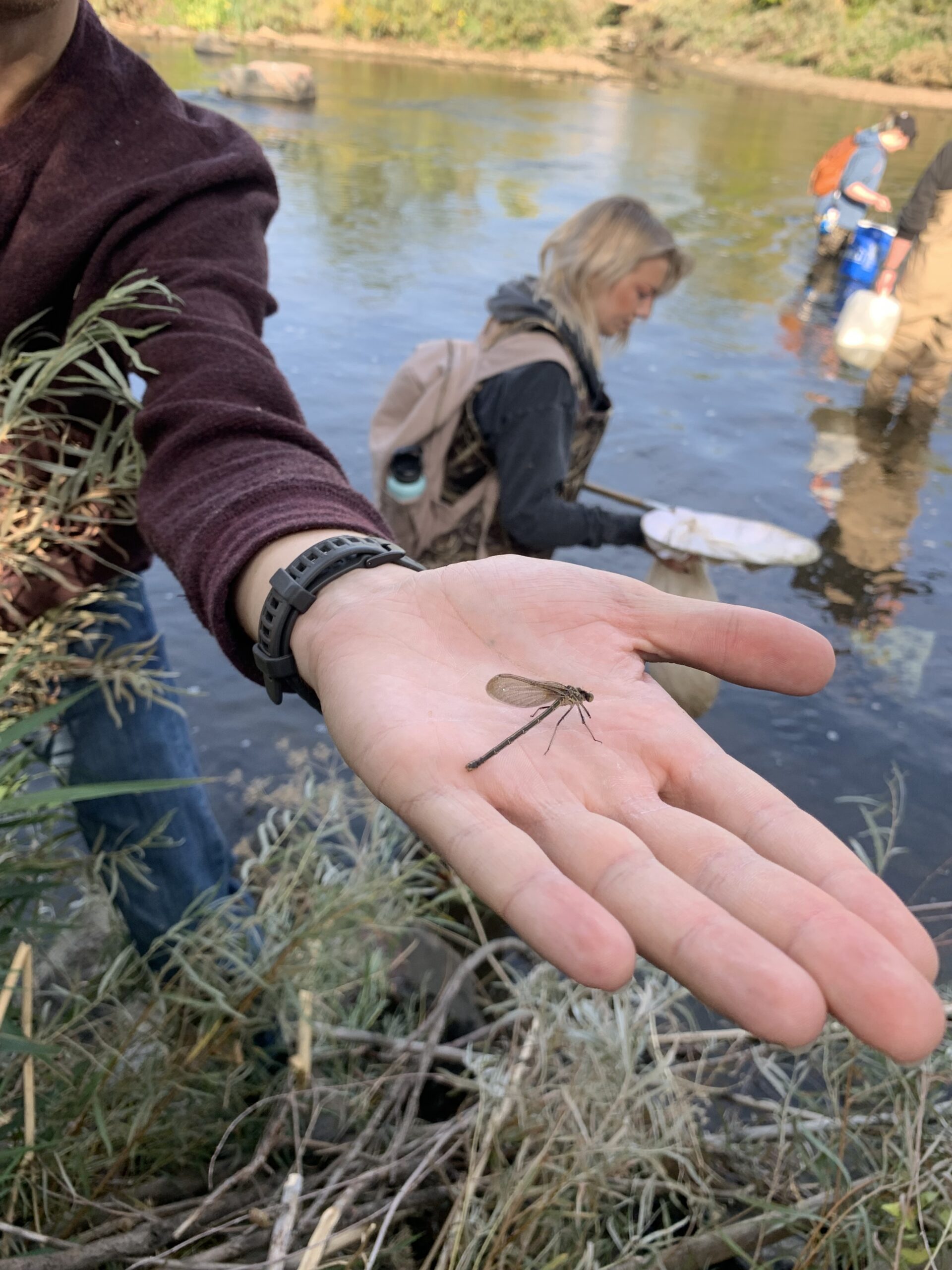
A BioBlitz is a short, intense biological survey that aims to record as many species in a specific area as possible. Butterfly Pavilion researchers are experienced in surveying for invertebrates and we often work with partners to perform BioBlitzes around Colorado.
Invertebrate BioBlitzes usually consist of one day of intense fieldwork and weeks to months of specimen preservation and identification. Butterfly Pavilion experts lead these BioBlitzes then identify and analyze the invertebrates sampled so that we have an inventory of our native invertebrates and can monitor changes to these communities before and after restoration efforts.
Upcoming Bioblitz’s:
Community Bioblitz at Kneebone Open Space – Sunday, June 14, 2026