
Tarantula Breeding and Rearing
Butterfly Pavilion leads the breeding program of Chilean rose hair tarantulas to maintain a sustainable population of vulnerable arthropods.
Butterfly Pavilion leads the Association of Zoos and Aquariums (AZA) Safety Web for Arthropod Reproduction and Management (SWARM) program in the maintenance of sustainable populations for the Chilean rose hair tarantulas, Grammostola rosea (Rosie). This strategy will ensure that species under human care will not disappear from North American zoo collections and reduce collection of wild tarantulas.
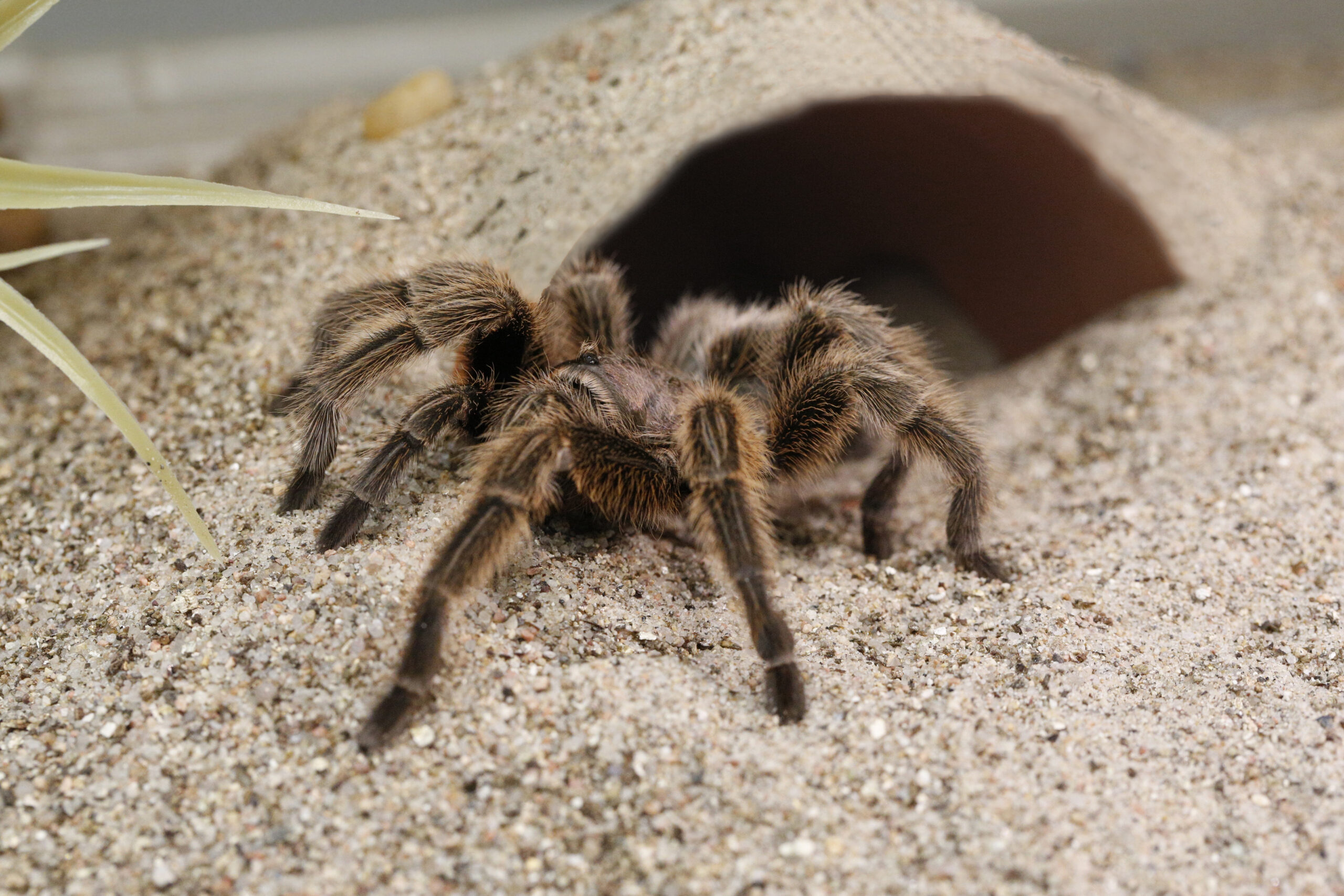
SWARM is a program sanctioned by the Association of Zoos and Aquariums (AZA) Terrestrial Invertebrate Taxon Advisory Group (TITAG). This program focuses on keeping vulnerable arthropods (invertebrates like insects, spiders and crustaceans) in zoo collections by breeding and refraining from wild collection.
If you have ever been to Butterfly Pavilion, you have probably had an up close experience with one of our most important ambassador animals: Rosie the tarantula and she is the focus of the SWARM that Butterfly Pavilion holds.
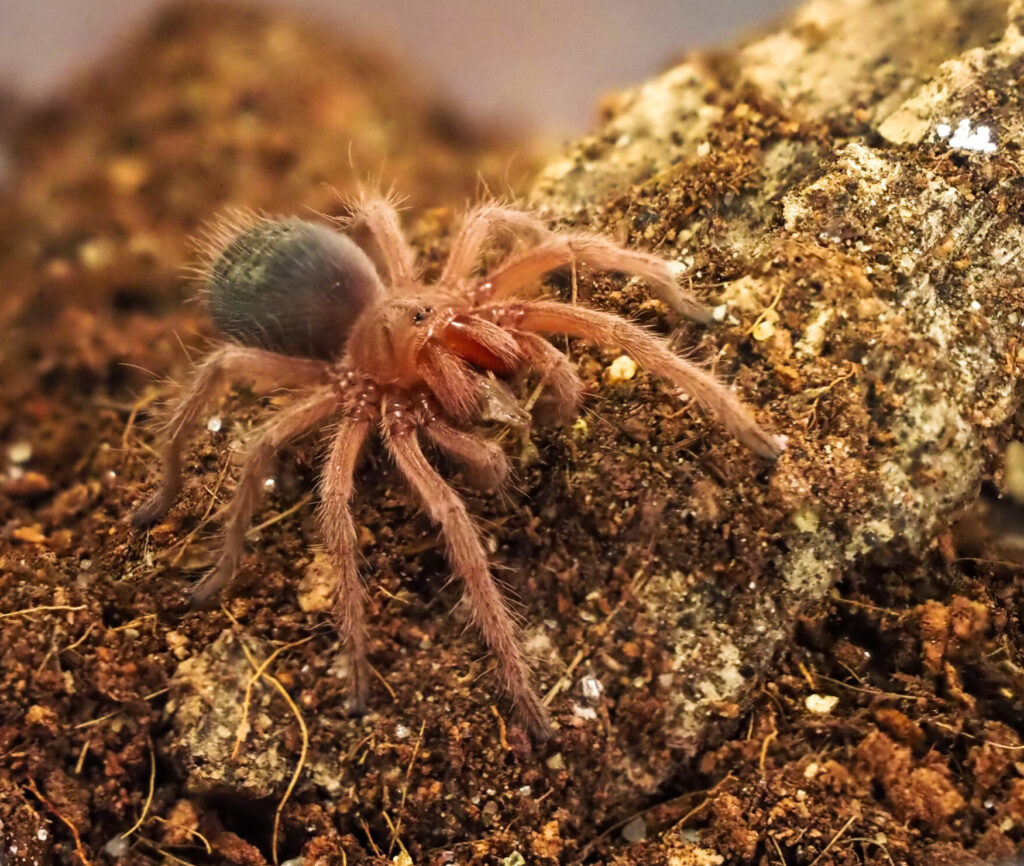
Our large collection of Rosie tarantulas (also called the Chilean rose hair, Grammostola rosea) allows us to communicate with other zoos about breeding, husbandry, welfare and conservation of this important species.
Butterfly Pavilion believes that an up close interaction with animals such as Rosie can provide an invaluable experience to all of our guests, which helps them understand more about the importance of invertebrates to humans and the world at large.
This is why we continue to work on keeping these magnificent animals in zoos and protect their habitats around the world.
Butterfly Pavilion is studying how tarantulas interact with their environment to better understand the conservation needs of our native species.
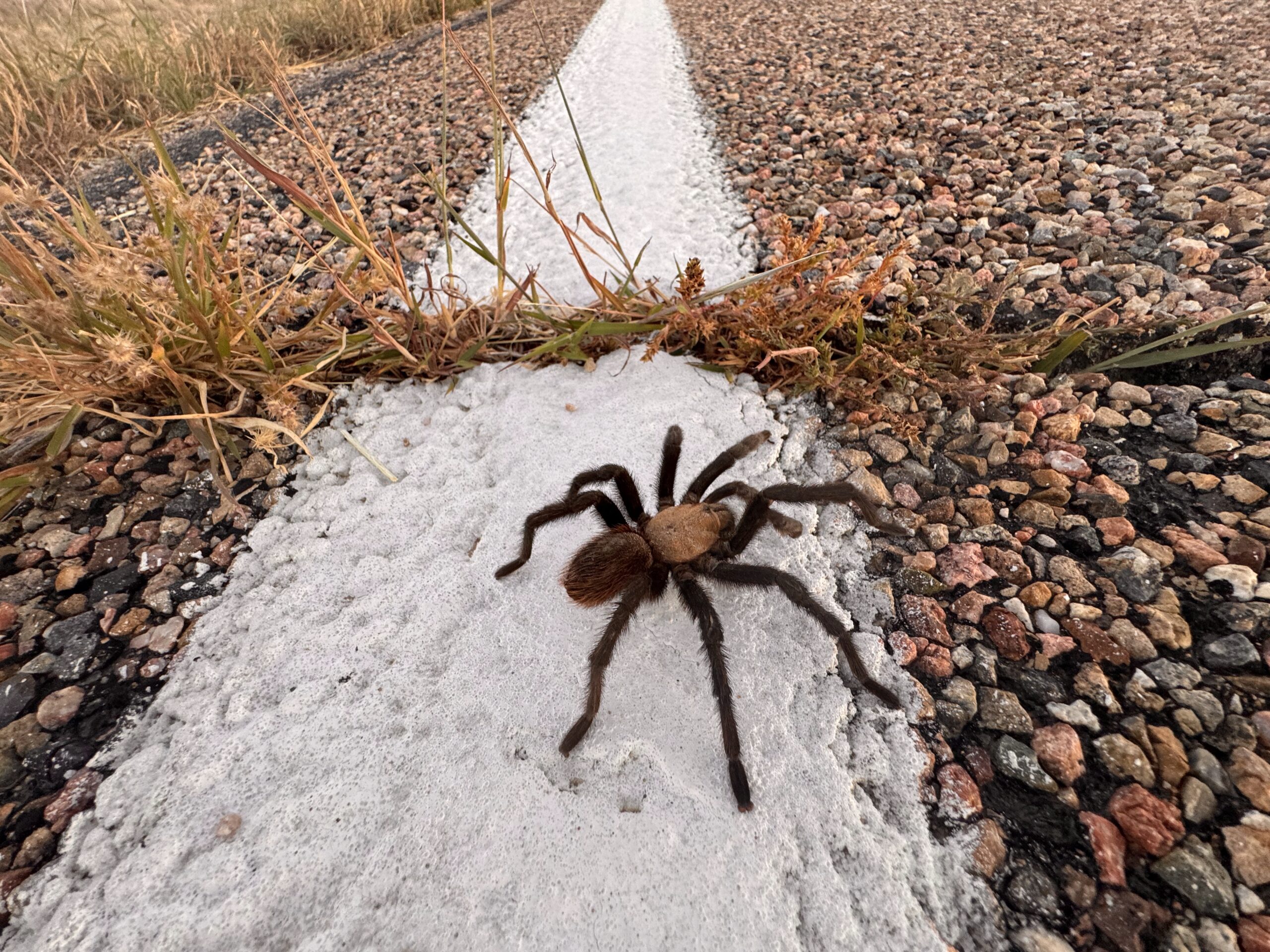
Did you know that tarantulas live right here in Colorado? In the southern prairies and western steppes, species like the Texas brown (Aphonopelma hentzi) and Grand Canyon black (Aphonopelma marxi) build underground burrows and wait for unsuspecting insects to pass by.
These fascinating spiders play an important role in local ecosystems—both as predators that help control insect populations and as prey for other wildlife. Understanding where and why tarantulas live in certain areas is essential for protecting their habitats.
Current Research
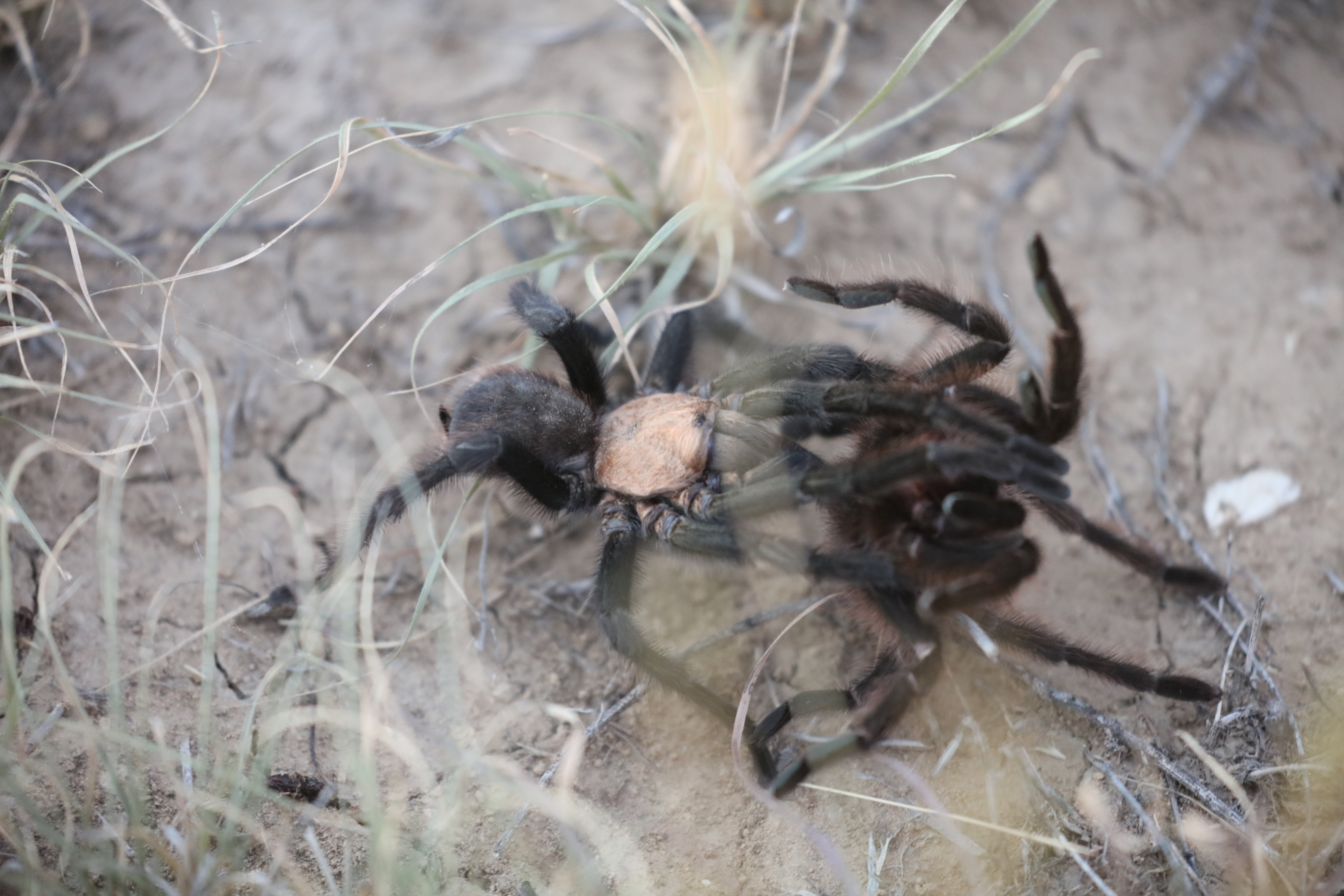
Under the supervision of Butterfly Pavilion’s research and conservation team, a PhD candidate from Colorado State University is studying tarantula ecology in southeastern Colorado. Researchers are surveying tarantula burrows to better understand what factors influence where these spiders live.
Key questions include:
- Does surrounding vegetation impact where tarantulas build burrows?
- How does cattle grazing affect their habitat?
- What role do predators like tarantula hawk wasps play?
This research will help scientists determine how to conserve habitats that support healthy tarantula populations and broader prairie ecosystems.
Why It Matters
Studying tarantulas gives us insight into the health of prairie ecosystems and helps guide conservation strategies for native species. These often-misunderstood animals are a vital part of Colorado’s biodiversity and deserve protection.
In addition to field research, Butterfly Pavilion is also exploring how education and interaction can shift public perception and increase appreciation for invertebrates.