
Tarantula Breeding and Rearing
Butterfly Pavilion leads the breeding program of Chilean rose hair tarantulas to maintain a sustainable population of vulnerable arthropods.
Butterfly Pavilion leads the Association of Zoos and Aquariums (AZA) Safety Web for Arthropod Reproduction and Management (SWARM) program in the maintenance of sustainable populations for the Chilean rose hair tarantulas, Grammostola rosea (Rosie). This strategy will ensure that species under human care will not disappear from North American zoo collections and reduce collection of wild tarantulas.
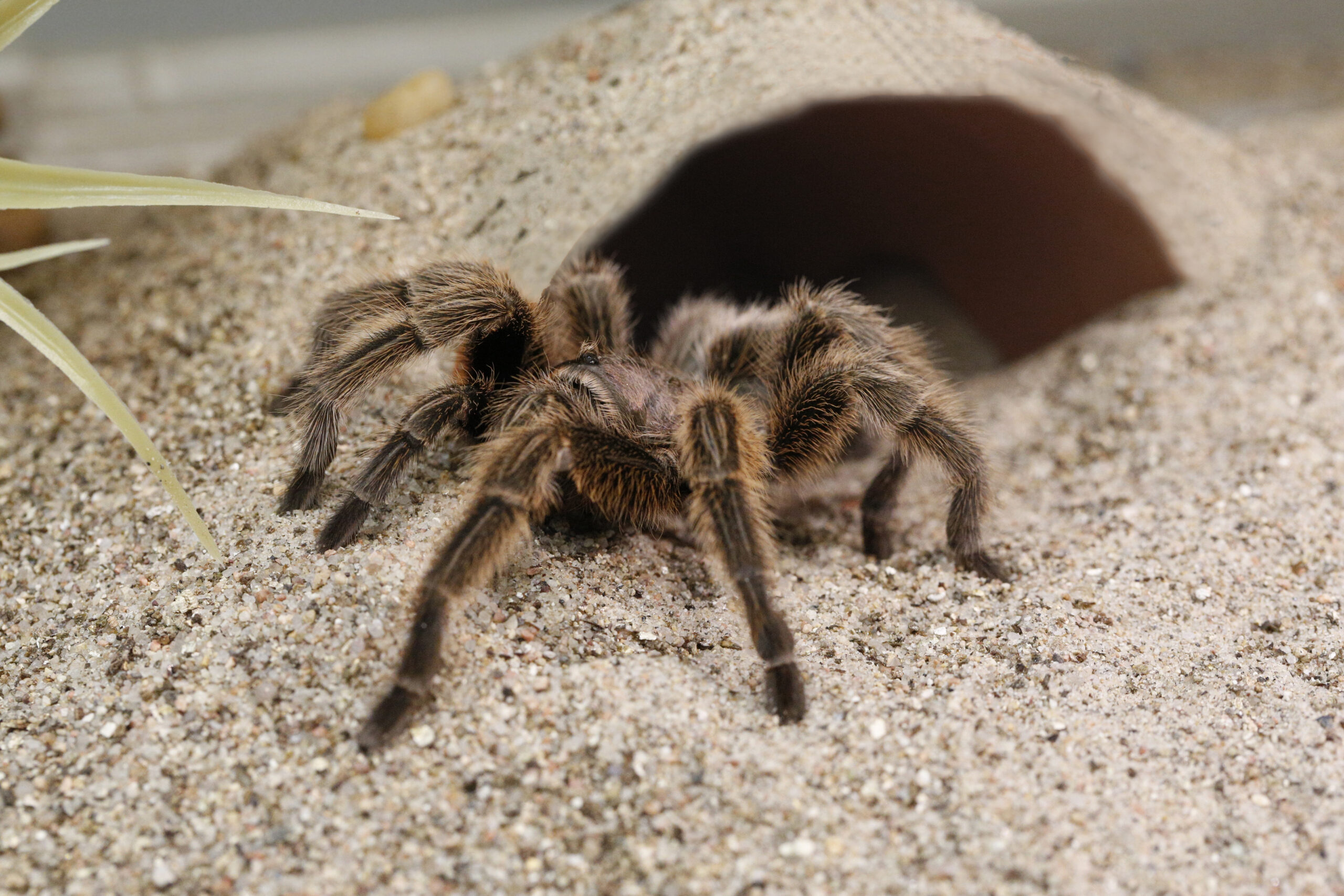
SWARM is a program sanctioned by the Association of Zoos and Aquariums (AZA) Terrestrial Invertebrate Taxon Advisory Group (TITAG). This program focuses on keeping vulnerable arthropods (invertebrates like insects, spiders and crustaceans) in zoo collections by breeding and refraining from wild collection.
If you have ever been to Butterfly Pavilion, you have probably had an up close experience with one of our most important ambassador animals: Rosie the tarantula and she is the focus of the SWARM that Butterfly Pavilion holds.
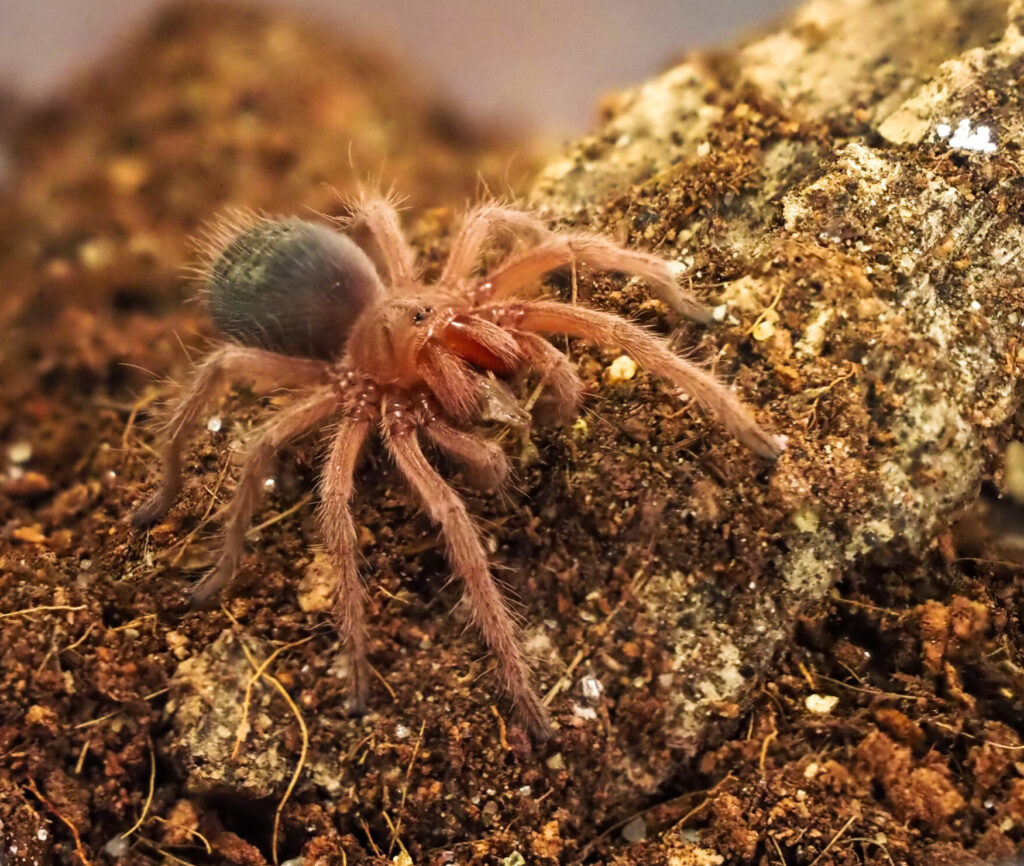
Our large collection of Rosie tarantulas (also called the Chilean rose hair, Grammostola rosea) allows us to communicate with other zoos about breeding, husbandry, welfare and conservation of this important species.
Butterfly Pavilion believes that an up close interaction with animals such as Rosie can provide an invaluable experience to all of our guests, which helps them understand more about the importance of invertebrates to humans and the world at large.
This is why we continue to work on keeping these magnificent animals in zoos and protect their habitats around the world.
Florida Reef Tract Rescue Project
Butterfly Pavilion houses corals for the Florida Reef Tract Rescue Project to maintain genetic diversity necessary for wild coral restoration efforts.
The Florida reef tract is a 360-mile stretch of coral reef ecosystems forming the third largest barrier reef in the world, and the only living barrier reef in North America. It is America’s barrier reef. Barrier reefs serve important ecological functions as nurseries for fish and storm barriers for coastal habitats.
Coral reefs are delicately balanced and when the corals themselves die the consequences are often huge. Like a rainforest without trees, the other animals are forced to move on now that they are unable to support themselves in the barren landscape of coral skeletons.
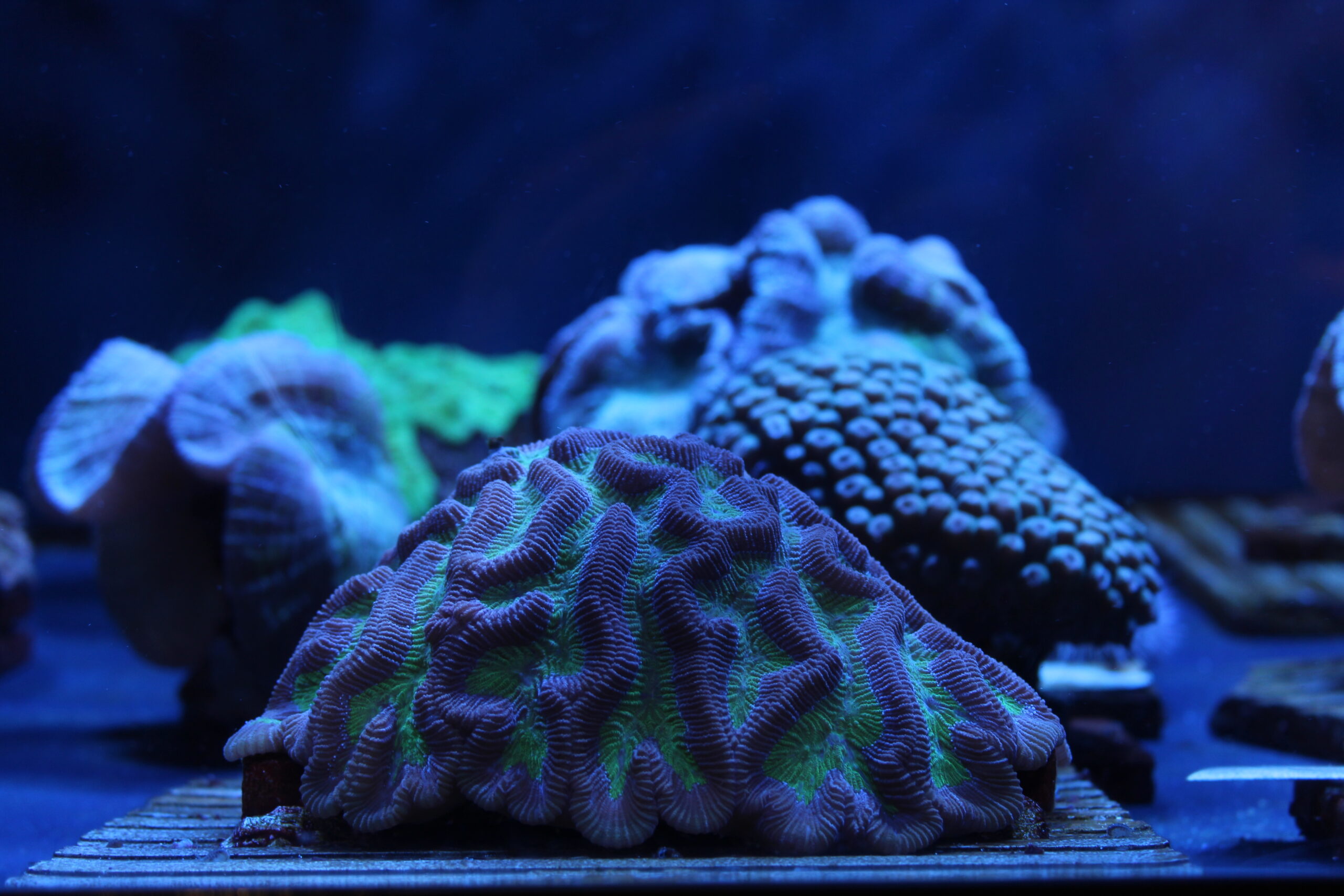
Stony Coral Tissue Loss Disease
In 2014, the northernmost tip of the Florida reef tract located off the coast of Port St. Lucie, FL, experienced a small outbreak of a new and unknown disease. This disease, now called Stony Coral Tissue Loss Disease (SCTLD), was quick to spread throughout the different coral species along the reef.
As it spread it was found that once a coral was infected it had almost a 100% chance of dying. Global issues like climate change, pollution, and other factors take a heavy toll, weakening habitats and making corals more susceptible to infection.
In four years the SCTLD disease has spread over a 100 miles southward, impacting over 20 different species of reef building corals and reducing their abundance by 50-90%.
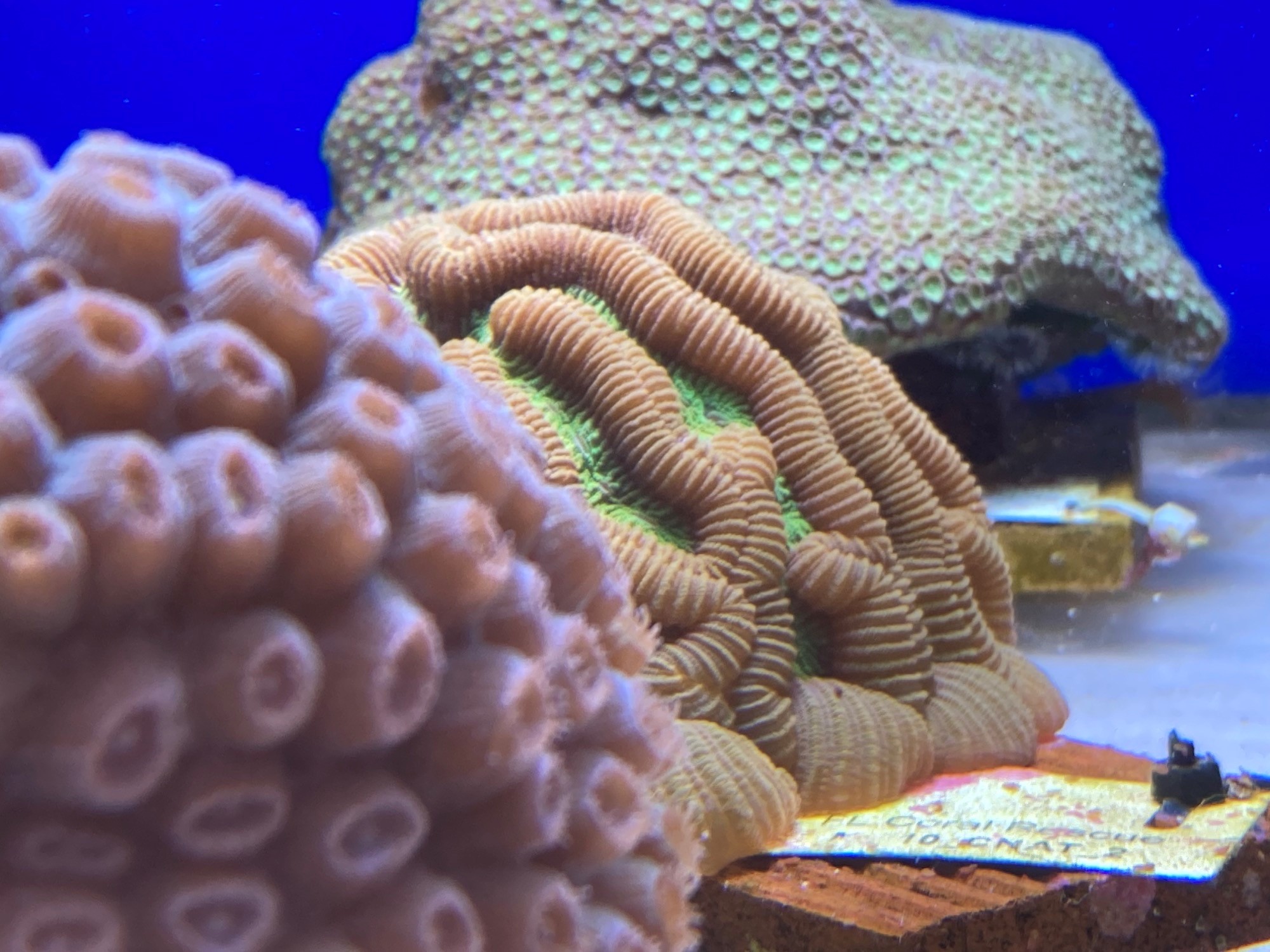
The Coral Rescue Effort
In response to the disease crisis, multiple government agencies came together to form the Florida Coral Rescue Team. This team went on to develop a revolutionary Coral Rescue Plan.
The plan required the removal of healthy coral specimen, lovingly dubbed ‘reef-ugees’, of the most susceptible species from places still untouched by the disease and placing them in land-based ‘arks’. The goal was to save as many ‘reef-ugees’ as possible to ensure these species wouldn’t be brought to the brink of extinction.
In 2018, the Association of Zoos and Aquariums (AZA) was invited to support this rescue operation. Of the 236 zoos and aquariums accredited by AZA, only 22 facilities have been accepted as coral holders. Butterfly Pavilion, having the necessary invertebrate expertise, is one of those facilities accepted as a holder for the project.
Butterfly Pavilion’s Role
In early 2019, Butterfly Pavilion committed to having a system ready to receive coral by early 2020. Since then, we have created an exhibit capable of supporting these essential animals.
As the only facility in Colorado currently committed to holding coral, we are excited to house these ‘reef-uges’ at our facility and tell their story to our guests and members!
Butterfly Lifespan Study
Butterfly Pavilion monitors some of the butterflies in our conservatories to study the lifespans of species in our care.
How long do butterflies live? That’s a common question asked at Butterfly Pavilion! The answer is that the lifespan of a butterfly depends on many factors, such as their diet, environment, and species.
At Butterfly Pavilion, we are studying the lifespan of butterflies in both our Wings of the Tropics exhibit in Westminster and at the butterfly house at the Gardens on Spring Creek in Fort Collins.
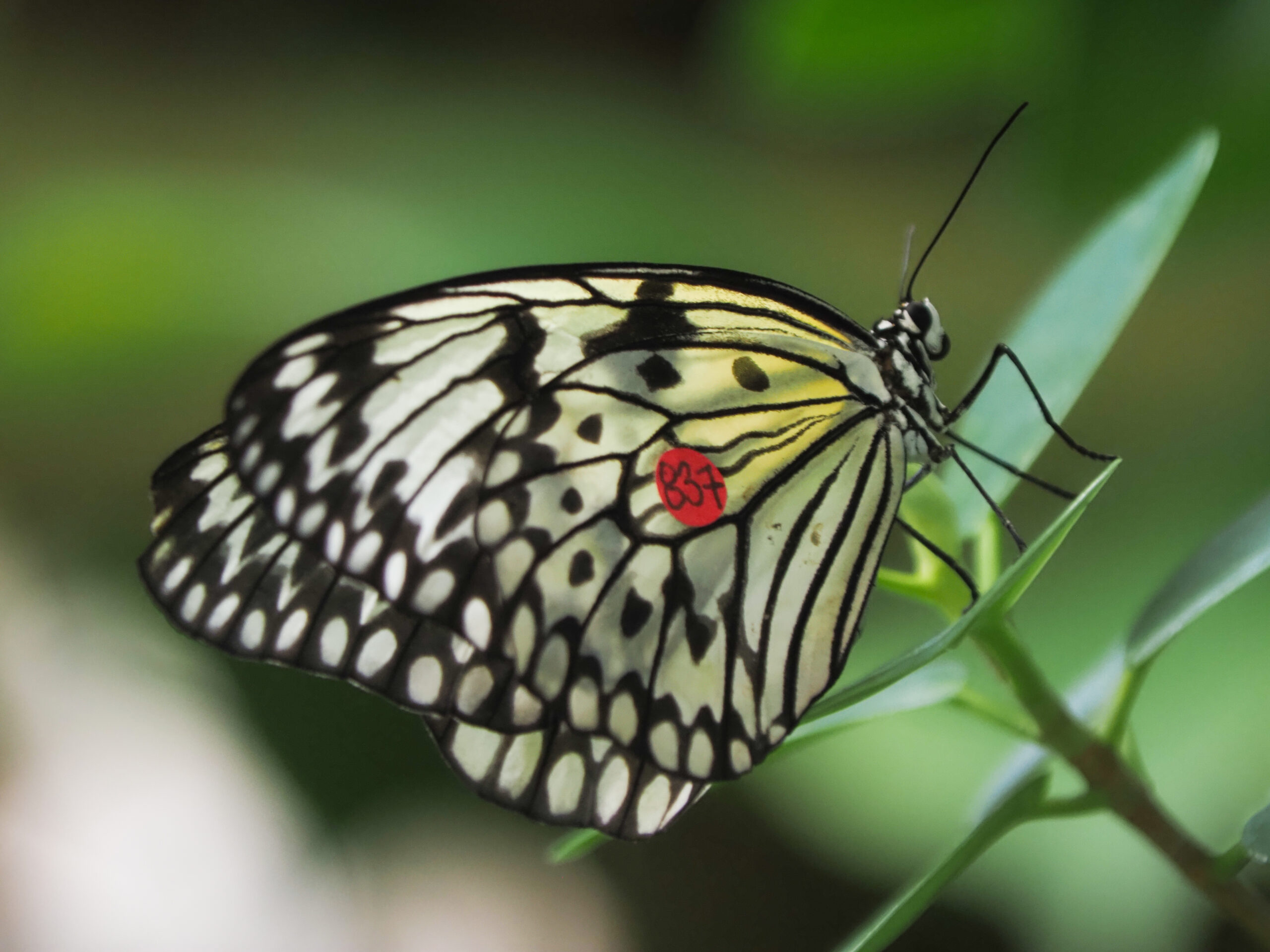
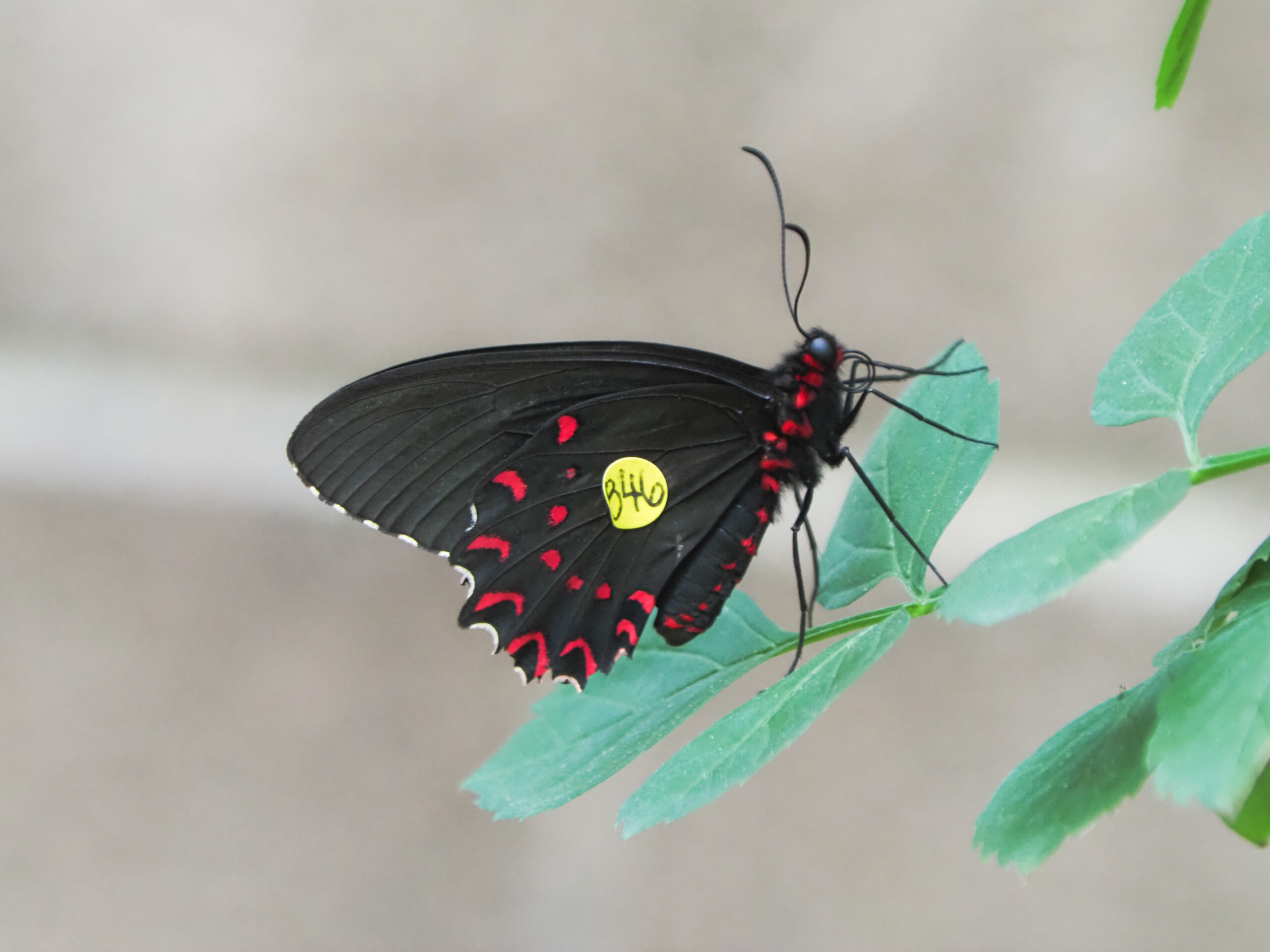
Our Lepidopterist Manager leads staff and volunteers in tagging butterflies with small colored stickers with identifying numbers, then releasing them into the exhibits. As staff work in the exhibits, they record when they observe tagged butterflies, allowing us to track the lifespan of individual butterflies and estimate the average longevity of the different butterfly species in our care.
We’ve found some butterflies living over six months in our exhibits!
The data collected on butterfly behavior and longevity helps us improve our care and welfare practices in the conservatory, and make sure our butterflies are as happy and healthy as possible.
Butterfly Quest
Butterfly Pavilion’s Butterfly Quest is a unique opportunity to assist with Butterfly Pavilion’s Butterfly lifespan research, while exploring the world of animal behavior. Help observe tagged butterflies, record meaningful data, and share your discoveries — all on your phone. By participating in Butterfly Quest, you are helping our scientists shape animal welfare here and in zoos around the world!
Butterfly houses, like our Wings of The Tropics, offer a unique opportunity to understand and observe the lifespan of different butterfly species. We are always looking for new ways to improve animal care. To do this with our butterflies, we need to know how long they live and how they behave while under our care.
To collect this data, we tag some butterflies upon emergence from their chrysalides. We can then track individuals and truly understand how our butterflies spend their time in their home.
This is where YOU come in! Your contributions to Butterfly Quest help us expand our knowledge of butterflies.
Receive 10% discount on items in Butterfly Pavilion’s gift shop by completing a quest, submitting a form, and taking a survey!
Fun facts about Butterfly Quest
- In 2022, guests submitted more than 2,000 observations
- The longest butterfly lifespan recorded in Butterfly Pavilion’s conservatory was 10 months and 23 days (almost 11 months!).
- The most tagged butterflies were common morphos, followed by common giant owls, and paper kites. In 2022, over 2,200 butterflies were tagged!
- Little is scientifically known about invertebrates, even for butterflies. Butterfly Quest helps inform the latest science on butterfly biology and expands our understanding of tropical insects.
- Butterfly Quest is a community science program, a people-driven way of collecting data and welcoming everyone into taking a hands-on approach to science.
Colorado Fireflies
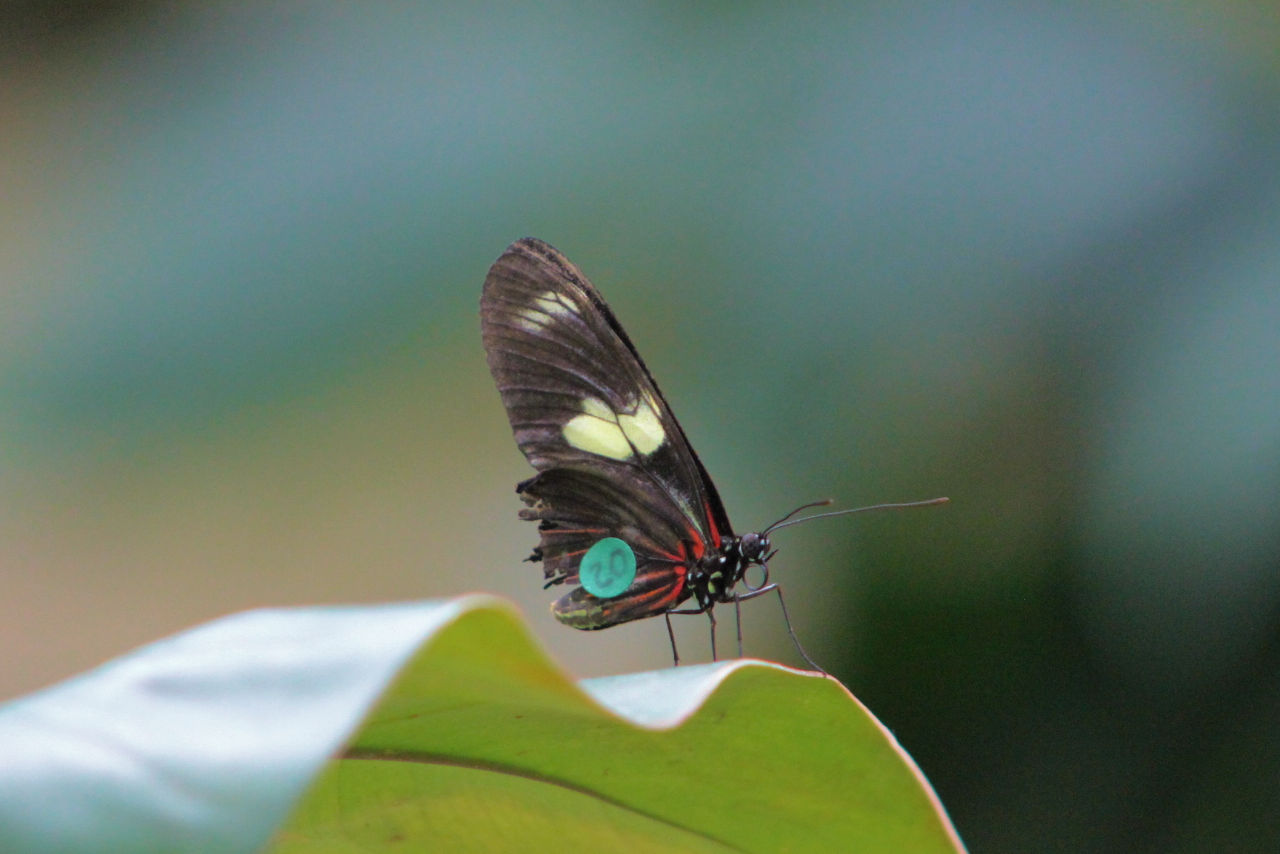
Did you know that Colorado has native fireflies? Most people are unaware of this due to light pollution and development destroying their habitat. Learn about Butterfly Pavilion’s initiative to conserve these small yet mighty animals and how you can do your part!
As firefly populations decline at alarming rates, Butterfly Pavilion is working to understand how to rear and conserve native fireflies through its Firefly Lifecycle Project.
Fireflies—bioluminescent beetles found in small, localized wetland habitats across Colorado—play an important role in their ecosystems. They act as predators of invertebrates like snails and earthworms and serve as prey for birds, reptiles, and amphibians. Their presence is also an important indicator of healthy wetland environments.
However, firefly populations are under threat due to habitat loss, water pollution, and increasing light pollution. To better protect these species, Butterfly Pavilion researchers have been studying their lifecycle and environmental needs since 2017.
Research & Rearing Efforts
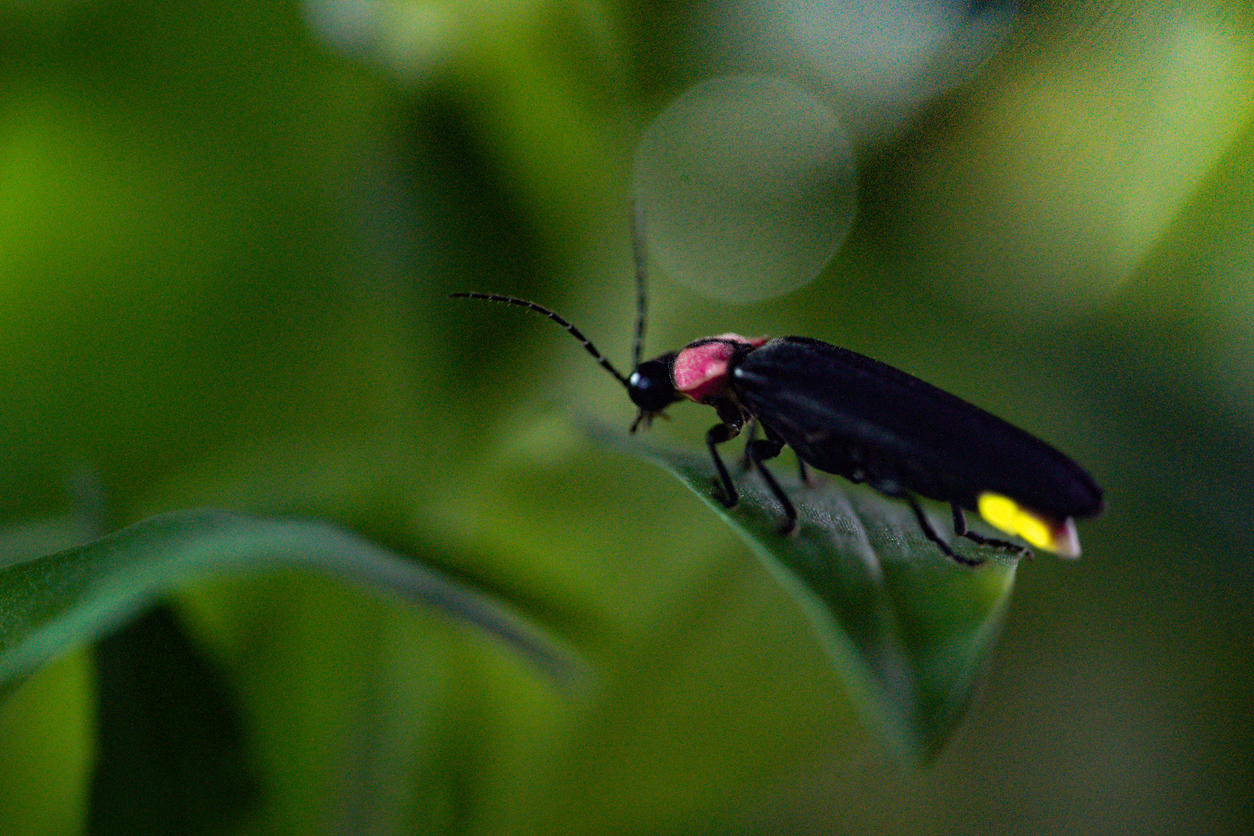
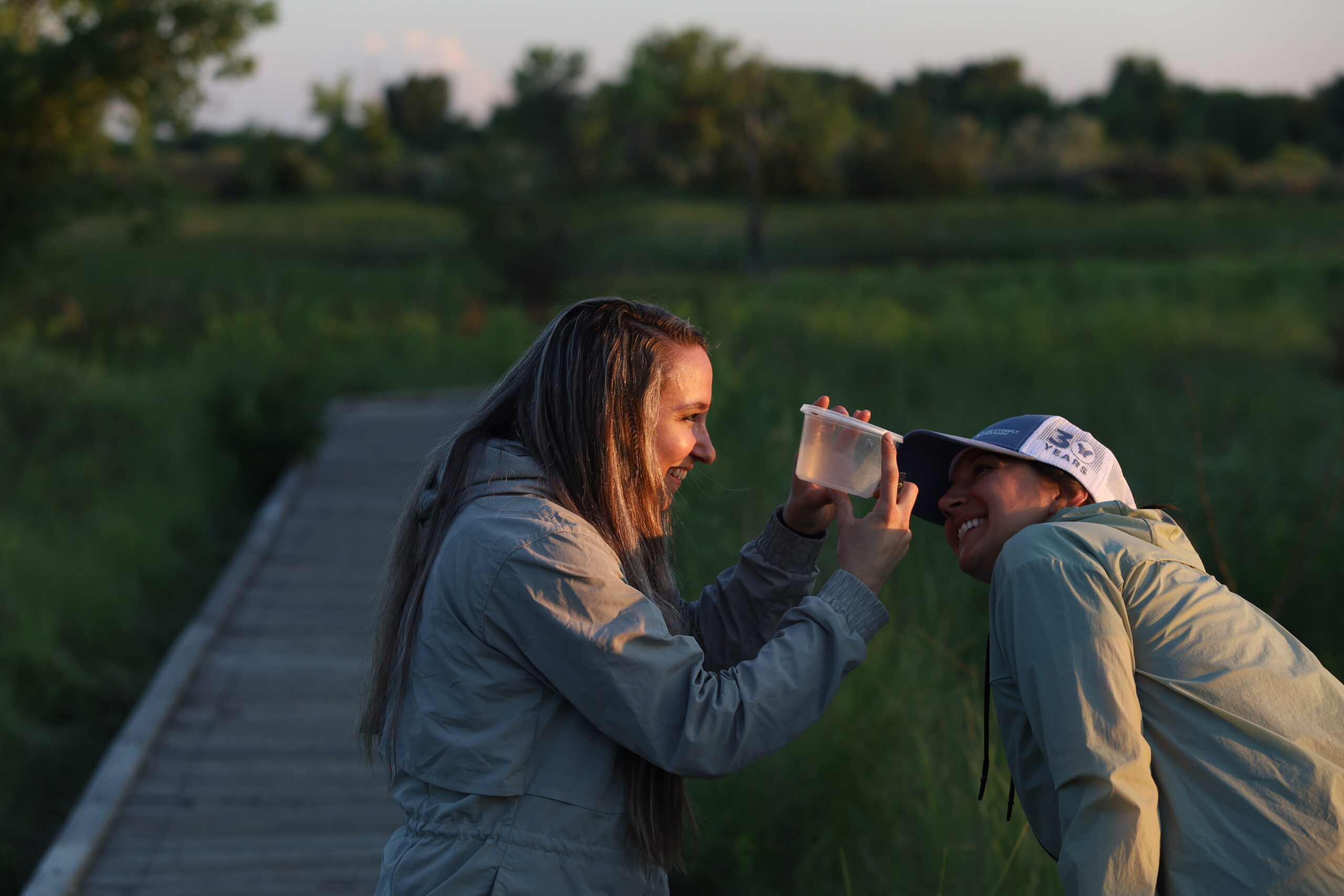
Each summer, researchers collect a small number of adult fireflies under permit from wild populations in Colorado. These adults are brought back to Butterfly Pavilion, where they are carefully bred and monitored in controlled conditions.
Their eggs develop into larvae, which are raised in specialized lab environments. Researchers closely manage factors like moisture, food, and habitat conditions to better understand what triggers development from larva to pupa and ultimately to adult fireflies.
This process is incredibly complex—breeding fireflies under human care has only rarely been accomplished in the United States and remains a major scientific challenge.
Key Milestones
- Fireflies can take 2–3 years to develop from egg to adult.
- Butterfly Pavilion successfully raised multiple adult fireflies from lab-reared larvae.
- Researchers achieved a major breakthrough by completing the full lifecycle—egg, larva, pupa, and adult—under human care.
- Lab-reared adults have successfully mated and produced viable offspring.
These milestones represent a critical step forward in understanding and conserving native firefly species in Colorado and beyond.
Why It Matters
Fireflies are more than just a magical part of summer nights—they are a key indicator species for wetland health. Their survival reflects the overall condition of ecosystems, including water quality and biodiversity.
By studying and successfully rearing fireflies, researchers can better understand their full life history and develop science-based conservation strategies. This work may eventually support restoring populations and protecting critical wetland habitats.
Butterfly Pavilion’s long-term goal is to establish sustainable, genetically diverse populations and contribute to large-scale restoration efforts, while also educating communities on how to protect firefly habitats—such as reducing light pollution and limiting pesticide use near wetlands.
Become a Community Scientist!
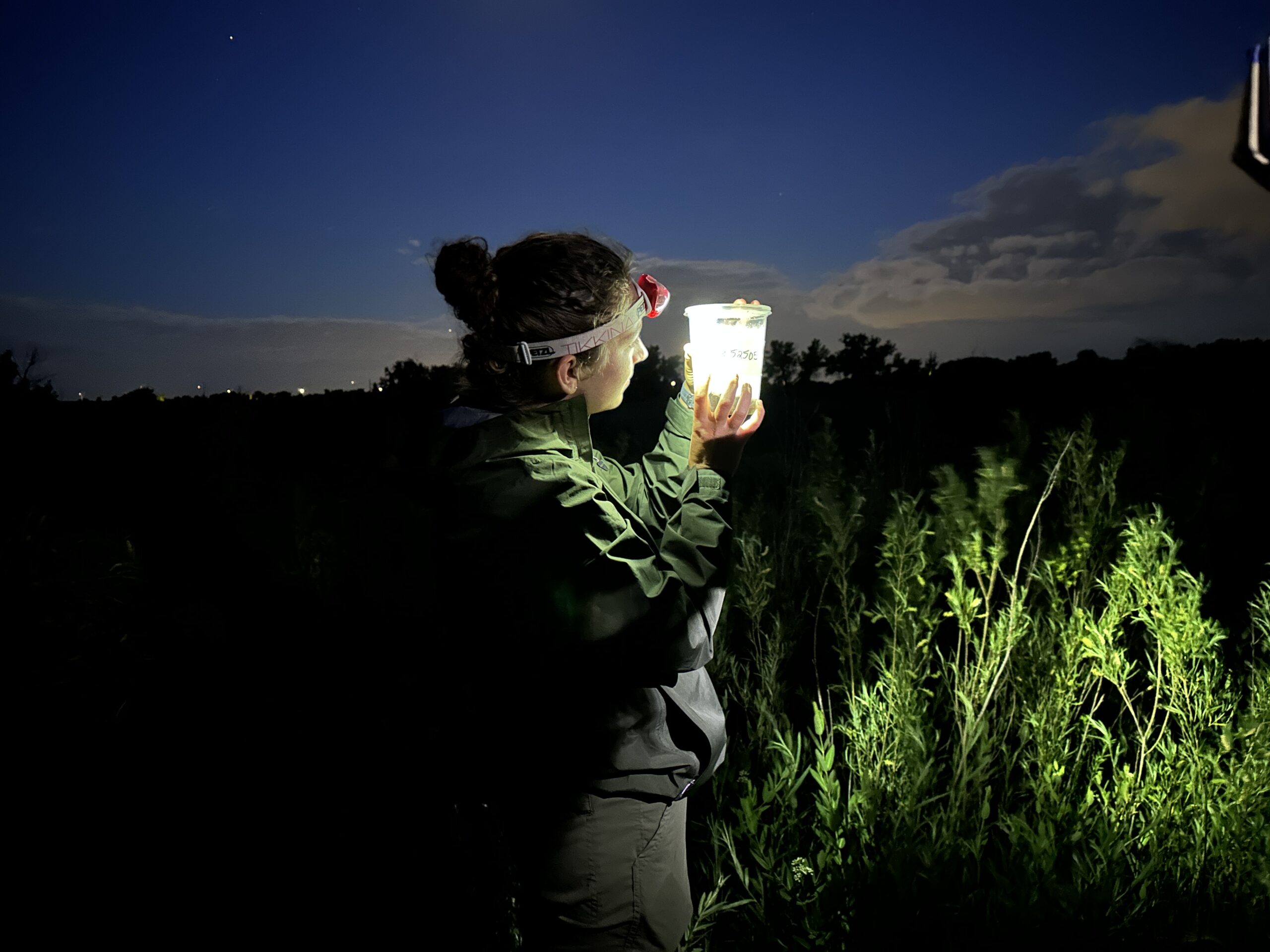
There is a lack of scientific research about fireflies, so we need your help! Become a community scientist and help Butterfly Pavilion track firefly populations around Colorado. Download and print out this datasheet and take it out into the field with you to collect sighting information.
Have you seen fireflies in Colorado? We want to know where! Submit your sighting below!
Public Locations for Firefly Viewing
Some parks are not open late enough for visitors to see fireflies during public hours, however, they may host guided walks to view fireflies after hours. Please respect the posted hours of all parks and check with them in advance.
- Riverbend Ponds Natural Area in Fort Collins, CO
Open until 11 pm
Fireflies flash along the boardwalk in the northeastern side of the natural area
Fort Collins Natural Area volunteers lead guided firefly walks in June and July - Morey Wildlife Reserve in Loveland, CO
Open from dawn to dusk
The City of Loveland hosts Fireflies in the Meadows walks in June and July
Bicycles and dogs are prohibited - Sawhill Ponds Open Space, Boulder, CO
Open until 11 pm
Fireflies have been spotted on the south side of the open space near the railroad tracks - Fountain Creek Regional Park in Fountain, CO
Open until 9 pm
The Fountain Creek Nature Center offers firefly hikes in June and July - Filoha Meadows Nature Preserve in Redstone, CO
No access in the evenings
Roaring Fork Conservancy leads guided firefly walks in July
Frequently Asked Questions
Firefly Facts
What are fireflies and why do they flash?
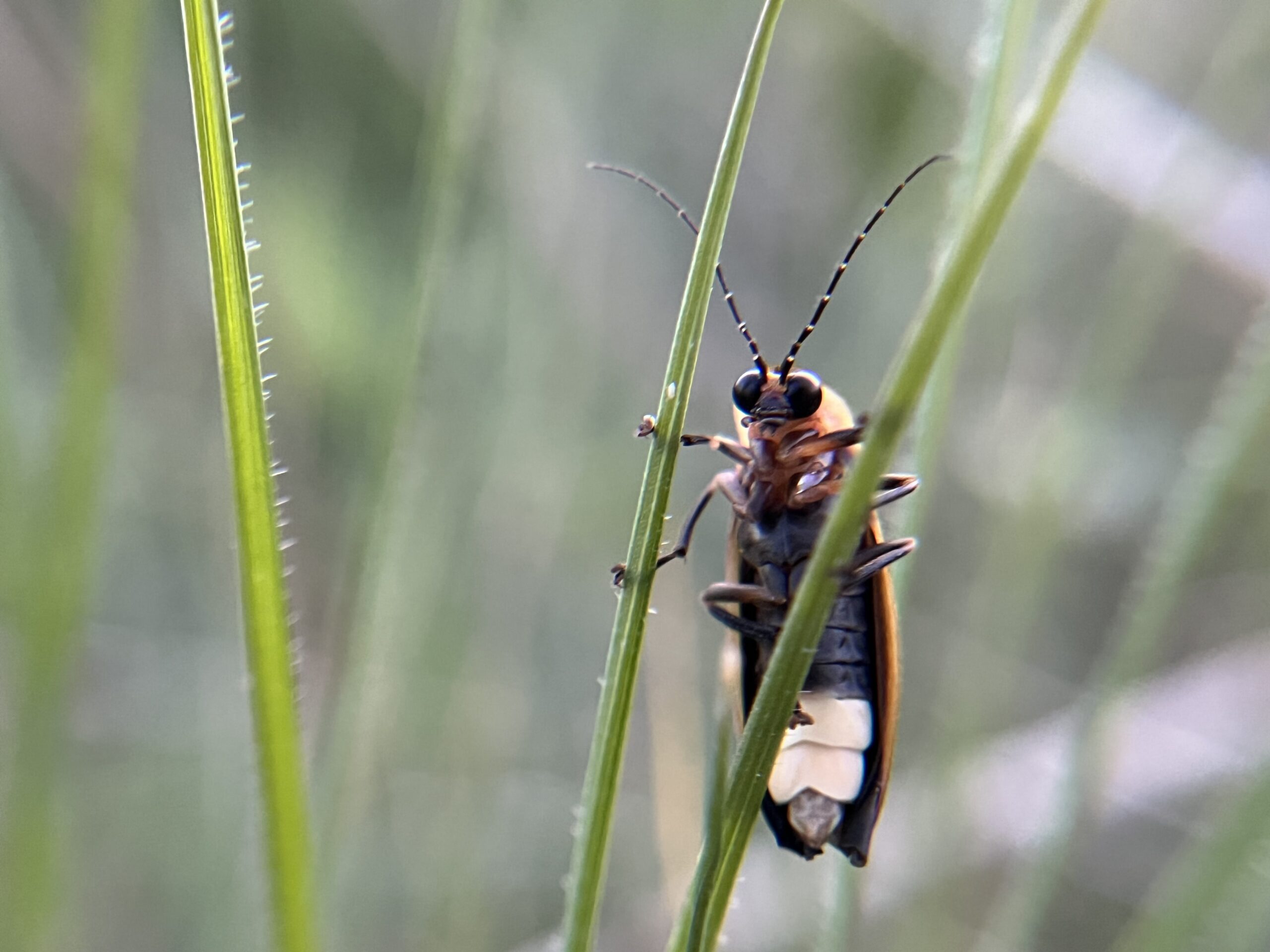
Fireflies are beetles in the family Lampyridae. Like other beetles, fireflies have six legs, two eyes, two antennae, a pair of wings, and a hard exoskeleton to protect their body. There are over 2,000 species of fireflies across the world. However, in Colorado fireflies exist in small populations dispersed throughout the state. Fireflies flash to find mates. Flashes are like a language for fireflies. Species have their own unique flashing patterns to recognize each other.
How do they flash?
Fireflies flash using bioluminescence. A chemical reaction takes place inside their light-producing organs. When oxygen is exposed to certain chemical compounds inside the organs, the reaction produces light. Not all fireflies flash as adults. There are three types of fireflies: flashing fireflies, diurnal fireflies, and glowworms. The diurnal (active during the day) fireflies do not flash as adults, though they may emit some light. Glowworms may flash or emit a constant glow. The fireflies that we refer to as “lightning bugs” are the nocturnal flashing fireflies.
What is their habitat?
Fireflies live near fresh water. They are often found near creeks, ponds, rivers, lakes, marshes, and even hot springs. They are commonly seen in forests, fields, and meadows near these sources of water. During the mating season, flashing females tend to wait on vegetation while the males fly, so wetland areas with low vegetation are popular.
What do they eat?
Larvae eat a variety of prey items, though some specifically eat soft bodied invertebrates such as earthworms, slugs, and snails. Some species don’t eat at all as adults, while others are predaceous. Females in the Photuris genus even mimic the flashing patterns of females in the Photinus genus to draw in males to eat them. Some adults consume nectar from plants and may act as pollinators.
How do they survive in winter?
Fireflies hatch from eggs in July through August then develop into larvae. The larvae are voracious predators and develop through multiple instars (stages of development). They protect themselves from freezing winter temperatures by sheltering in the ground or under tree bark.
Fireflies in Colorado
Which species are in Colorado?
We truly aren’t sure! A handful of species have been positively identified in Colorado; however, we lack scientific research about the exact species for many of the population. More research is needed to identify the firefly species in Colorado and their ranges.
Where can you see fireflies in Colorado?
Firefly sightings have been reported across the Front Range and in Western and Southeastern Colorado. Look for open spaces with wetlands. The flashing fireflies can be seen around late June through July when the nights in Colorado begin to warm up. They typically start flashing after 9:00pm.
Support
Why are fireflies important?
Fireflies are beloved for their unique light shows, but they also serve important ecological roles. They act as pest control for their prey species such as snails and slugs. They act as food for wildlife such as toads, frogs, newts, birds, and spiders. Some species which eat nectar and pollen may even act as pollinators.
How can we protect fireflies?
Fireflies are threatened by habitat loss, pesticide use and light pollution. You can protect firefly habitat by:
- Supporting land conservation and habitat restoration.
- Staying on designated paths when visiting natural areas to avoid damaging their habitat.
- Enjoying fireflies in the wild and not catching them.
- Turning off unnecessary lights near their habitats in June through August.
How can I get involved?
Become a community scientist and help Butterfly Pavilion track firefly populations around Colorado.