From the Ground Up
March 25, 2025 · Uncategorized
Early spring can be frustrating for gardeners. The weather can veer from heavenly to horrid in an hour. We begin to see green shoots but it’s too early to do much in the garden. So, to allay your frustrations, I will share with you a big garden project. It’s the perfect time to think about soil! Soil is the foundation of terrestrial habitats, and yet most of us know so little about it. We might think of it just as something to walk upon, or something that gets our hands dirty. But soil is a living ecosystem and for our above-ground ecosystems to be healthy, we also must care for the ecosystem under our feet. Soil is made up of organic material (decomposing vegetation and animals, roots, live fungi, live animals, bacteria) and inorganic material (minerals). All of these living things form a community that cycles nutrients and makes them available for plants, which in turn, make the planet habitable for us.
The texture and structure of soil varies depending on where you live, the result of eons of geological and biological activity. The soil where you live is affected by wetting/drying cycles, freezing/thawing cycles, root penetration, microbiology and animal activity, and interactions between elements in the soil. Complaining about soil is a gardener’s favorite pastime, but there are pros and cons to every type. Sand tends to have better water and air infiltration than clay, but clay holds nutrients better than sand. It is beneficial to have a balance of all soil textures in soil for both water and air infiltration, and nutrient absorption. All these characteristics influence how easy it is for a plant to grow, and you may find that you must amend your soil to be successful.
So, what are the top things you should do to have healthy soil in your habitat?
- Test your soil – It’s tempting to move forward with garden preparation before knowing exactly what kind of soil you have, but having a full diagnosis of soil texture and chemistry could save you money and effort over the long term. Most county extension agents offer soil testing for a reasonable rate, and their results are going to be the most reliable.
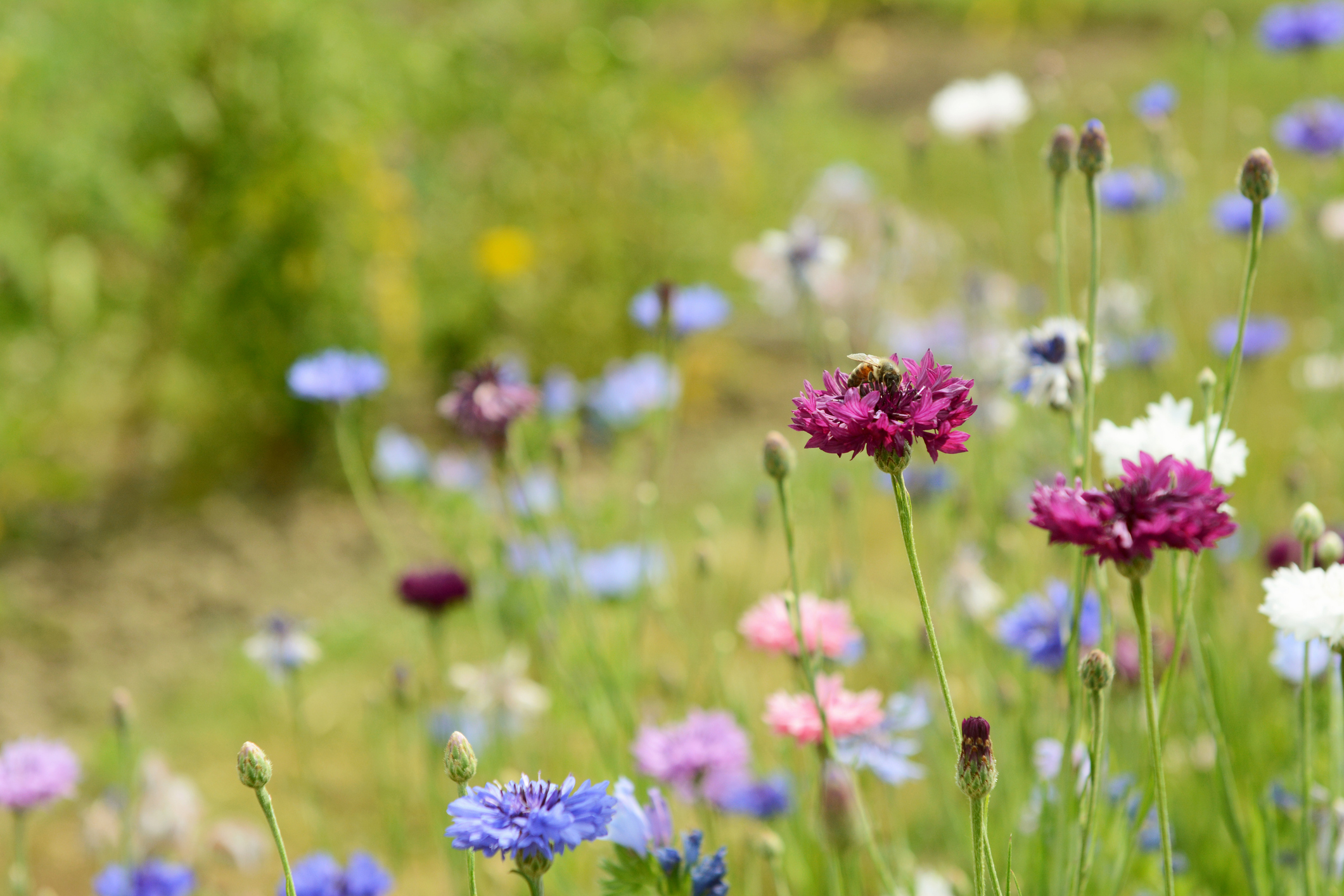
- Amend mindfully – Depending on what you are trying to grow (a pollinator garden vs. sweet corn, for example), you may not have to amend your soil much. Base your amendment strategy on your soil test results. Adding organic compost from a reputable source is usually a good tactic to improve porosity and nutrients, but I recommend a moderate approach. Too much at once may put too much salt in the soil or give you an exuberant crop of weeds.
- Minimize disturbance – We may all want to get in the garden right now, but especially when the soil is wet, the best course is to limit traffic. Every footstep compresses the soil which may make it more difficult for water to percolate or roots to grow. Instead, create pathways that allow you to maintain your garden without compacting gentle roots. Over-tilling can also lead to future compaction and loss of soil structure.
- Highlight native plants – Not only do our native plants offer resources to pollinators and birds, but they also have adapted to thrive in our challenging conditions. By including more native plants in our gardens, we have to do less adjusting of our soil and other features.
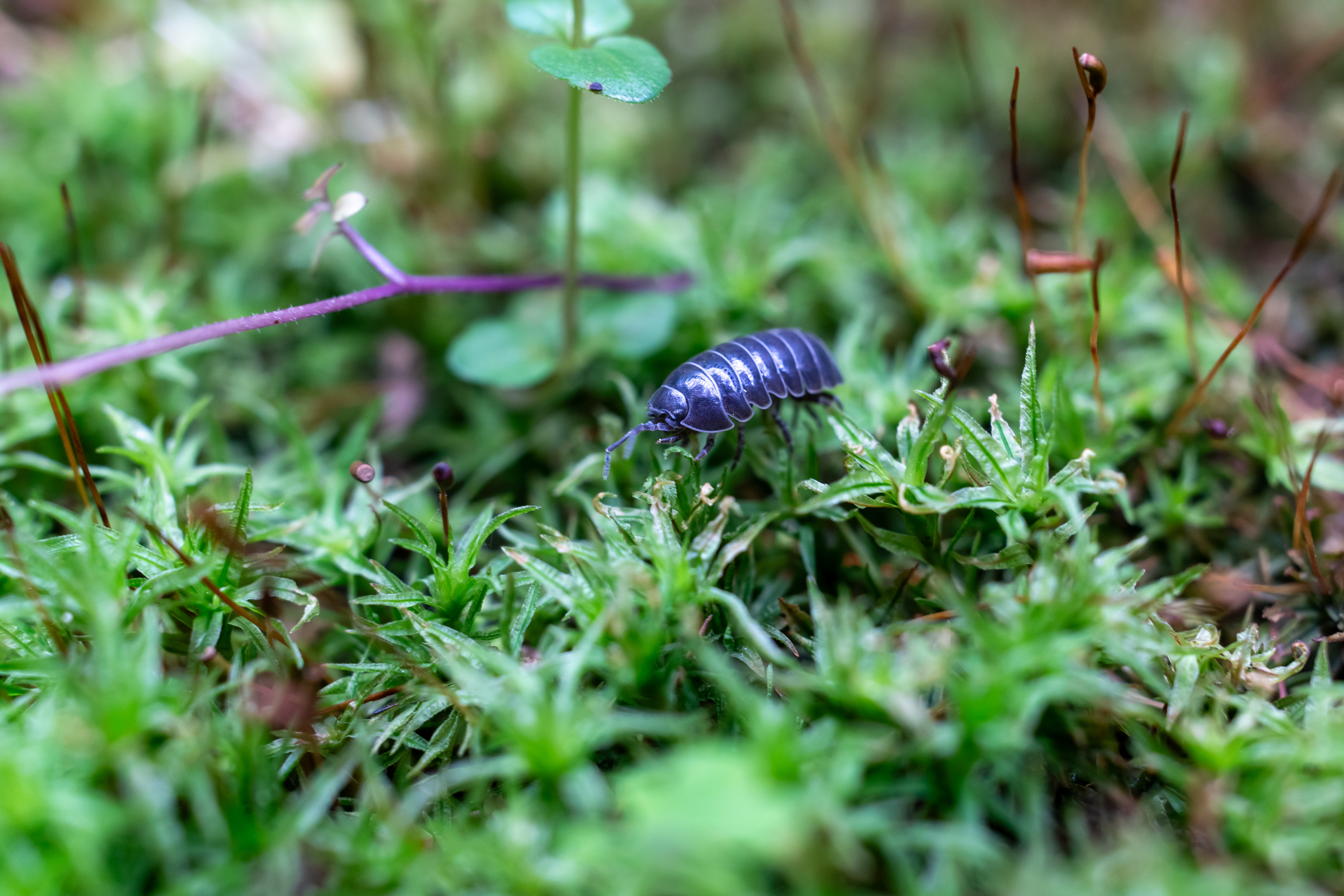
- Celebrate our soil invertebrates – When was the last time you were glad to see a roly poly or springtail? They may not be the size or color of a bumble bee or butterfly, but these creatures ensure that nutrients are available for the plants we’re trying to grow. Not only should we appreciate them in our garden, but we should also make sure they can thrive. Avoiding landscape fabric is a powerful way to promote biodiversity in your garden – helping your garden and the planet.
Written by Amy Yarger, Senior Director of Horticulture