Masters of Mimicry
May 30, 2025 · Uncategorized
Imitation is the sincerest form of flattery. Sometimes, it’s a survival strategy too.
Animal mimicry occurs when one species evolves to resemble another, regardless of their actual relationship or similarities, in order to gain survival advantages and deceive both predators and prey.
There are two main types of mimicry: mullerian and batesian. Mullerian mimicry is when two or more harmful species mimic each other’s distinctive qualities, which teaches predators to avoid all species with those qualities because of their potential for harm. Batesian mimicry, however, is deceptive; when a harmless species mimics a harmful one, it teaches the predator to avoid both species, even though only one of them will actually cause harm. Batesian mimicry is also imperfect, because the harmless animal’s population must be less than that of the species being mimicked. Otherwise, the predator might learn the wrong lesson by preying on the harmless species so often it begins to go after harmful animals too. Jackie Billotte, a doctoral candidate at Colorado State University, works with Dr. Rich Reading, Vice President of Science and Conservation, at Butterfly Pavilion and studies mimicry involving spiders, ants, and mimicry rings. She works to identify mimicry complexes involving many different species who work with the same mimics- and one of the most distinct and common is mimics of velvet ants.
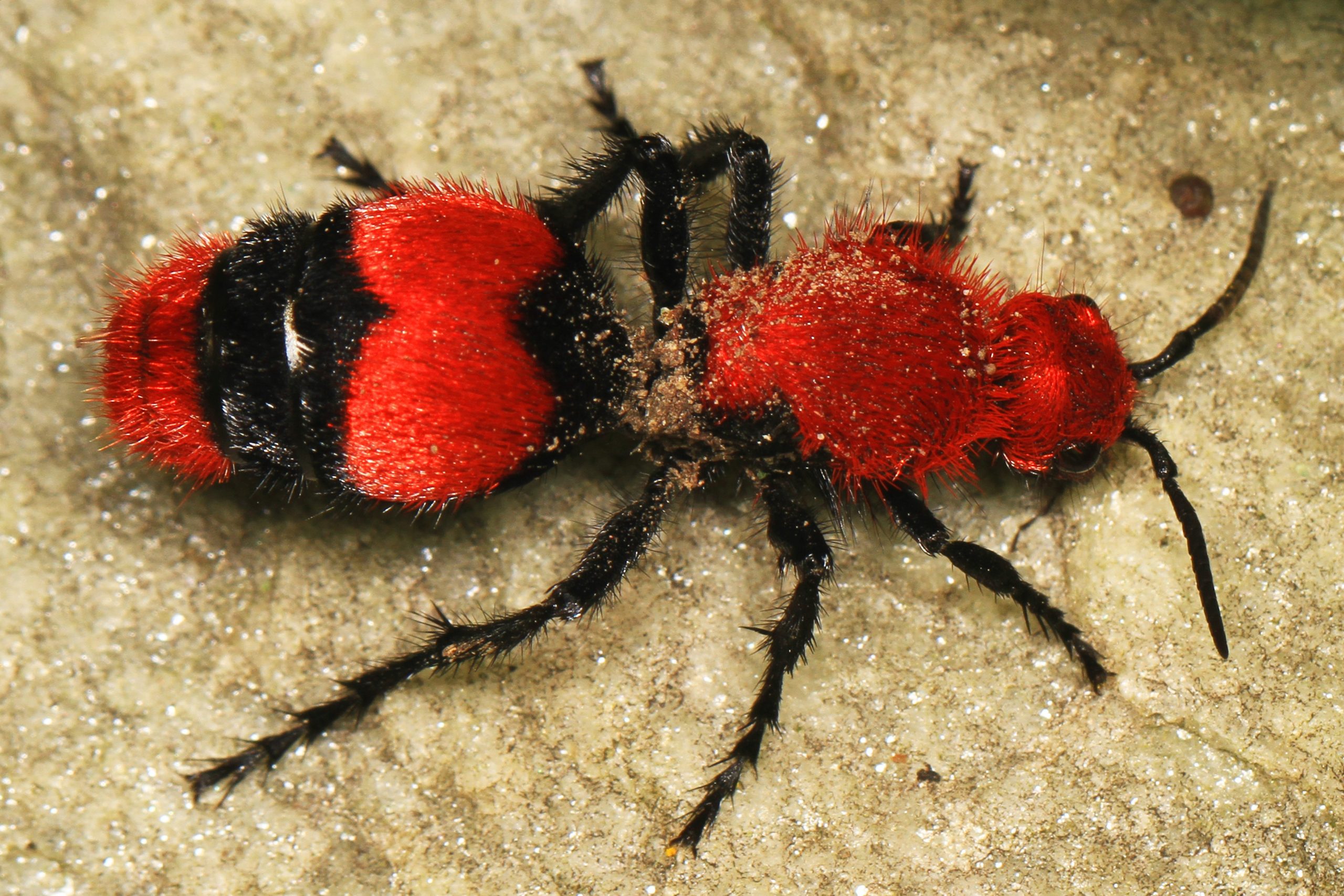
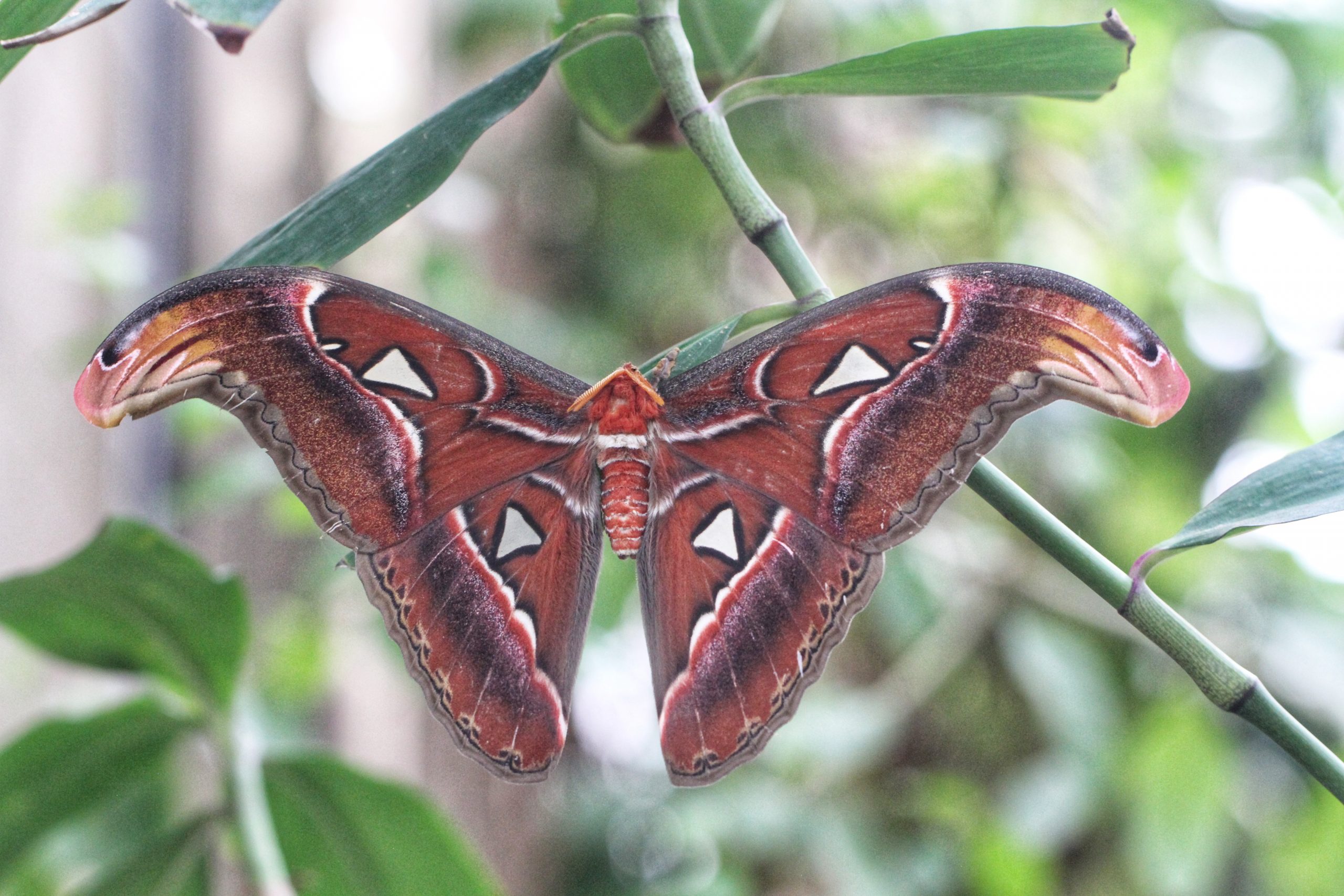
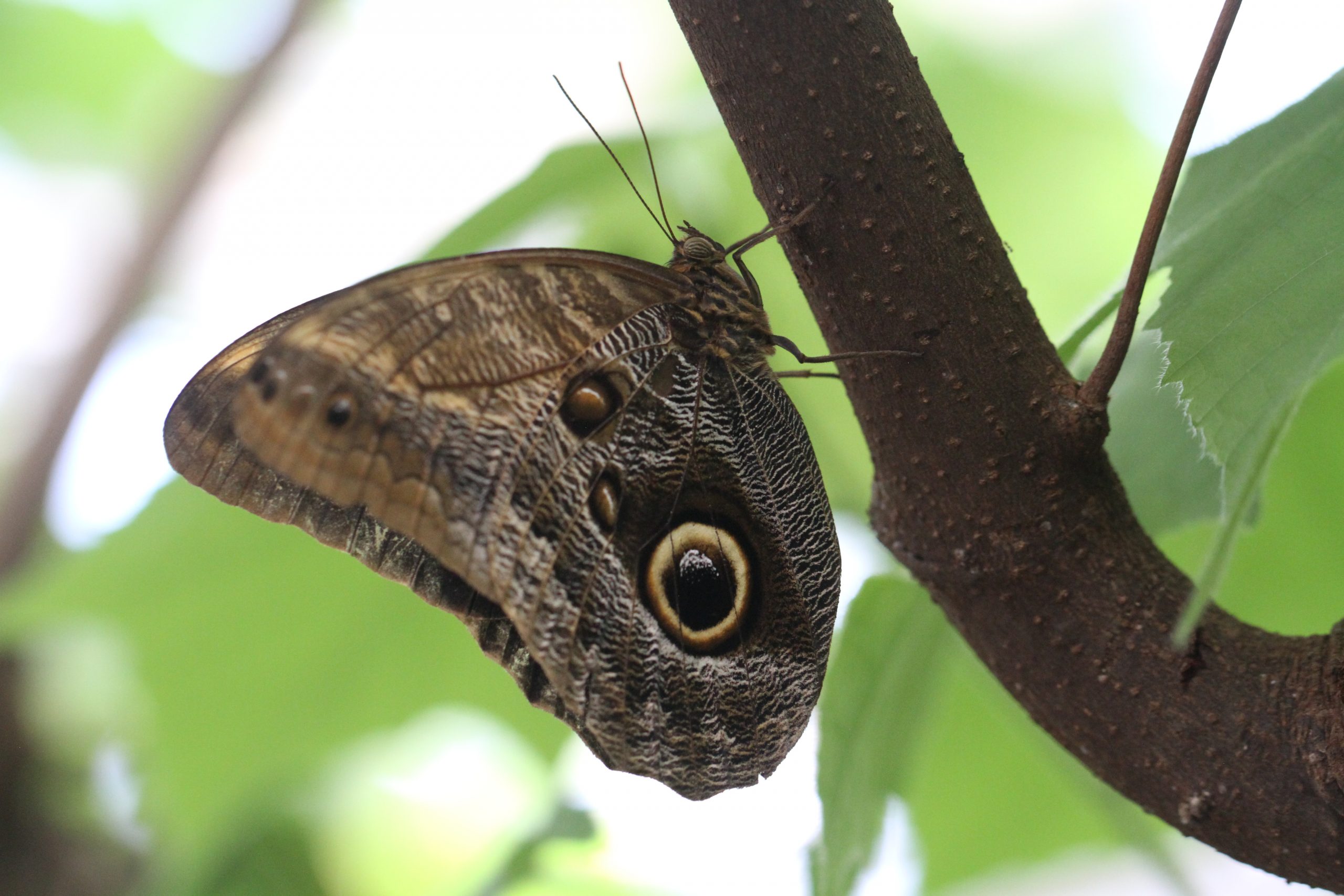
Velvet ants are very, very poisonous and extremely unappealing to predators. There is an entire genus of ant mimics, in general, because of this. A single ant is nothing, but a colony of ants is dangerous, so if a spider can kill one ant and puppet its body parts to blend in with the rest of the ant colony, it will be very well protected. In the same way that animals mimic each other, humans have been taking effective animal adaptations and applying them to our cities, economies, and aesthetics. One example is the Populus hotel in downtown Denver, modeled after the appearance of a birch tree trunk and designed to add a more natural feeling to the inner city. Flora and fauna alike can inspire practical solutions and aesthetic choices that we make. Here at Butterfly Pavilion, animal mimicry can be seen in every exhibit. Atlas moths, sometimes seen flying round in Wings of the Tropics, have snake head mimics on the tips of their wings, meant to deter birds from trying to feed on the moths. Similarly, eye spots on owl butterflies are mimicking, too.
Many examples of animal mimicry involve appearances, but there can also be behavioral and pheromone mimics. Baby tarantulas walk in a line like ants, because they have no other defenses, and some species of predatory fireflies will attract male fireflies of other species to feed one by flashing like a female that is ready to mate. Viceroy butterflies, which are non-poisonous, have markings that are incredibly like Monarch butterflies, which are poisonous. With the exception of a few small black markings, the two species are practically indistinguishable with just a glance. This goes to show that mimics don’t have to be perfect, they just must sell it long enough to trick the intended animal. It is important that mimicry operates within an entire population, not with just a few individuals. The populations involved train the predator at the cost of a few individuals in the hopes that the greater numbers will be left alone. This is where mimicry complexes come in handy- more populations mean fewer individuals from each. These developments are the result of millions of years of evolution. Mimicry is not a learned skill; it becomes an inherent part of a species’ appearance and behavior. All that matters is the species’ ability to mimic well enough to fool predators and prey.
Written by Rachel Zing