Mosquito and Tick Season Survival Guide
June 19, 2019 · Blog
There’s no need to worry. Butterfly Pavilion is here to tell you all you need to know to stay in harmony with these invertebrates!
It’s summer! Time for camping, hiking, rafting, climbing and all the other incredible outdoor activities us Coloradans know and love. However, we’re not the only ones that enjoy the delightful conditions of this season. As we all know, mosquitos and ticks also share our spaces with us in the great outdoors. But there’s no need to worry. Butterfly Pavilion is here to tell you all you need to know to stay in harmony with these invertebrates!
There are several reasons why mosquitos and ticks enjoy this time of year. They get their heat from the outside in, so it’s easier for them to be active and function in warm conditions. Also, most of their food sources – both plant and animal – die during the winter, so summer months provide more opportunities to get a good meal. In addition, mosquitos have a resting stage in the winter, emerging as adults in spring. They then breed and leave behind newly-produced offspring that live for the rest of the summer.
Though it may be tempting to write them off as only a nuisance, mosquitos do serve many purposes. They are food for other animals like bats, insects, birds and lizards. Without mosquito larvae, for example, hundreds of species of fish would have to adapt to another food source. Also, mosquito larvae feed on decaying organic material and other microorganisms, producing detritus, or organic material that adds nutrients to the soil. Many adult mosquitos also depend on plant nectar for energy, serving as pollinators for thousands of plant species.
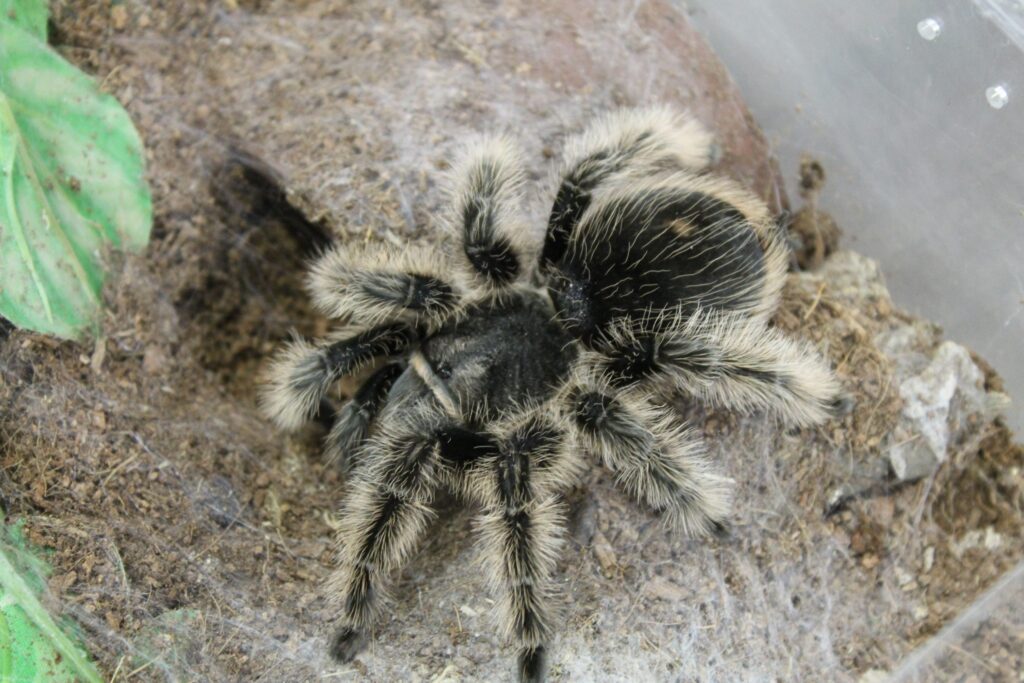
Ticks also contribute to ecosystems. They serve as food for many reptiles, birds and amphibians. Ticks are also known for spreading disease, which has contributed to their negative reputation. However, disease spread by ticks in the wild can actually help control wildlife populations. Ticks also help us track the health of ecosystems. If a surge in tick numbers occurs, it may indicate a problem with animal populations higher up the food chain.
But even with all this in mind, the main question on our minds is still “how do we avoid being bitten?” Here are a few tips and tricks for a happy summer!
- Avoid standing water. It’s mosquito breeding ground! Remove any receptacles from your backyard that may gather water and keep an eye on your surroundings while enjoying the outdoors.
- Use insect repellant. As a natural option, the Center for Disease Control (CDC) recommends the oil of lemon eucalyptus. Studies have shown it to be just as effective and long-lasting as chemical products. Check out this video to make your own spray at home.
- Wear protective clothing. In areas with more mosquitos or ticks, it’s a good idea to wear long pants, long-sleeved shirts and closed-toed, sturdy shoes with socks. Many outdoor clothing companies offer breathable options for hotter days.
- Check for ticks after you’ve been outside. It’s important to check yourself and your pets, just in case. WebMD provides step-by-step instructions for safe removal.
Visit Butterfly Pavilion to learn more about invertebrate animals living right in our backyard and around the world. There’s so much to discover!