Dancing in the Moonlight: Nighttime Activities of Moths
July 17, 2024 · Blog
Researchers from around the world have found that moths have adopted different behaviors to survive, many of which sound strange and unusual.
Most Moths species are nocturnal, meaning that they are active during the nighttime. Unfortunately, this makes them perfect prey for insectivorous bats, who are also primarily nocturnal. In addition to using their eyes, bats use echolocation to navigate toward their prey.
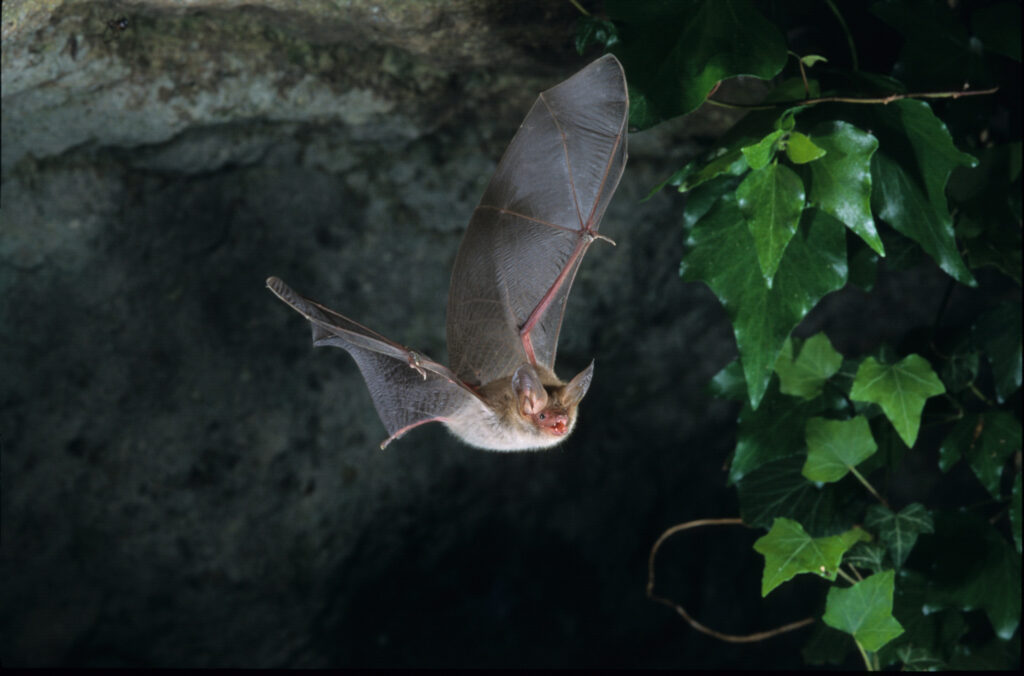
Bechstein’s bat (Myotis bechsteinii)
To evade capture, some moths have adapted to deflect this acoustic radar of bats. Luna Moths, large silk moths native to Eastern North America, spin the long tails of their wings to confuse their auditory signal. A relative of the Luna Moth, the African Moon Moth, employs the same technique in a different part of the world to avoid bats, as well. Researchers have found that, the longer the tails on a moth’s wings are, the more protected they are from bat attacks. This is because their tails create another target for the bats and lead them away from the moth’s vulnerable center.
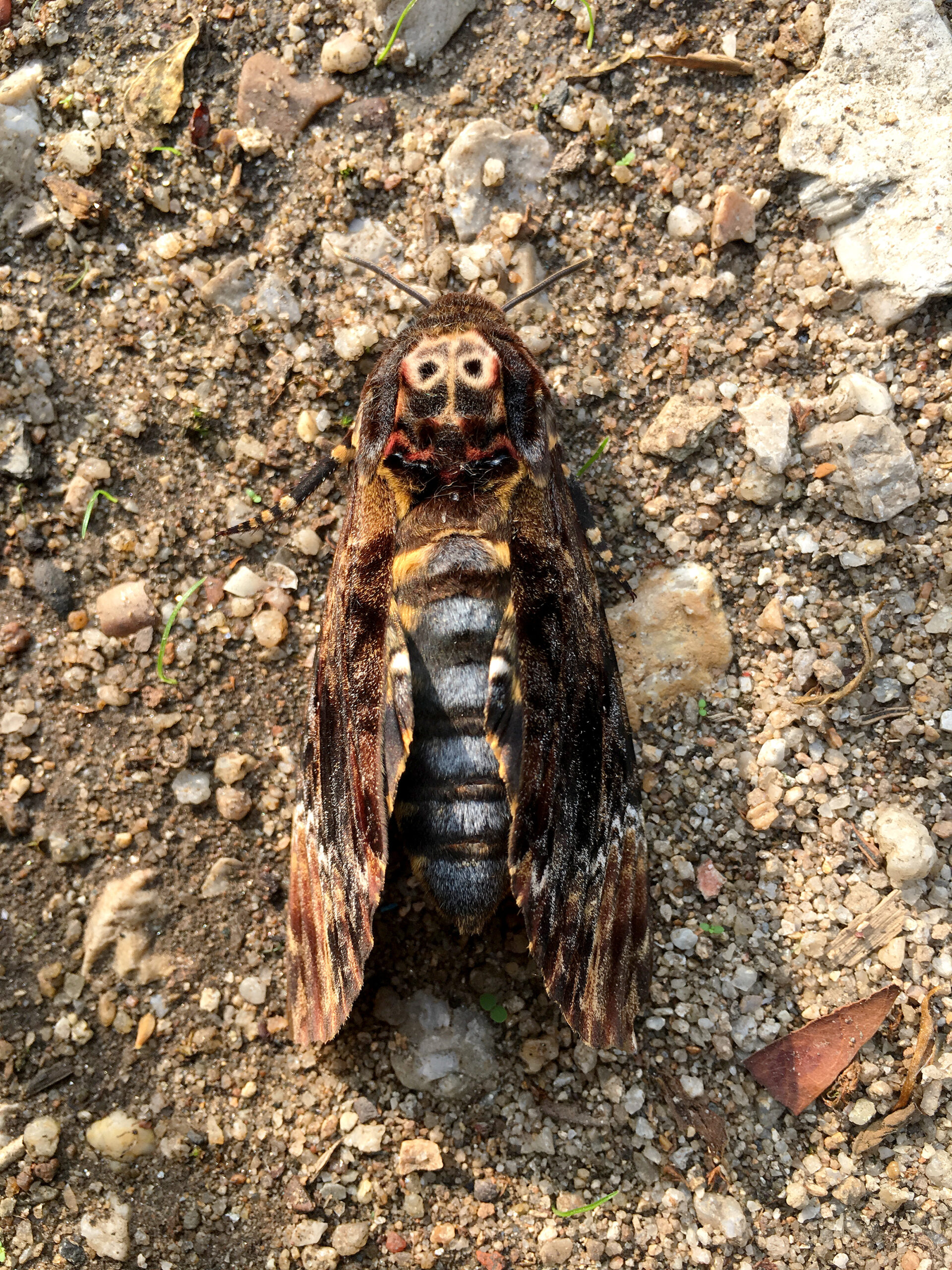
Greater death’s head hawkmoth (Acherontia lachesis)
Some moths like to keep up their neighbors. Despite their fearsome name and reputation, the Death’s-head Hawkmoth will squeak when they’re scared, using a flap in their throat as a defense mechanism. The Death’s-head Hawkmoth has a less cute habit of vibrating its genitals generating an ultrasonic frequency that wards off bats. Like Luna Moths, this strange technique acts as an echolocation disturbance in a bat’s radar.
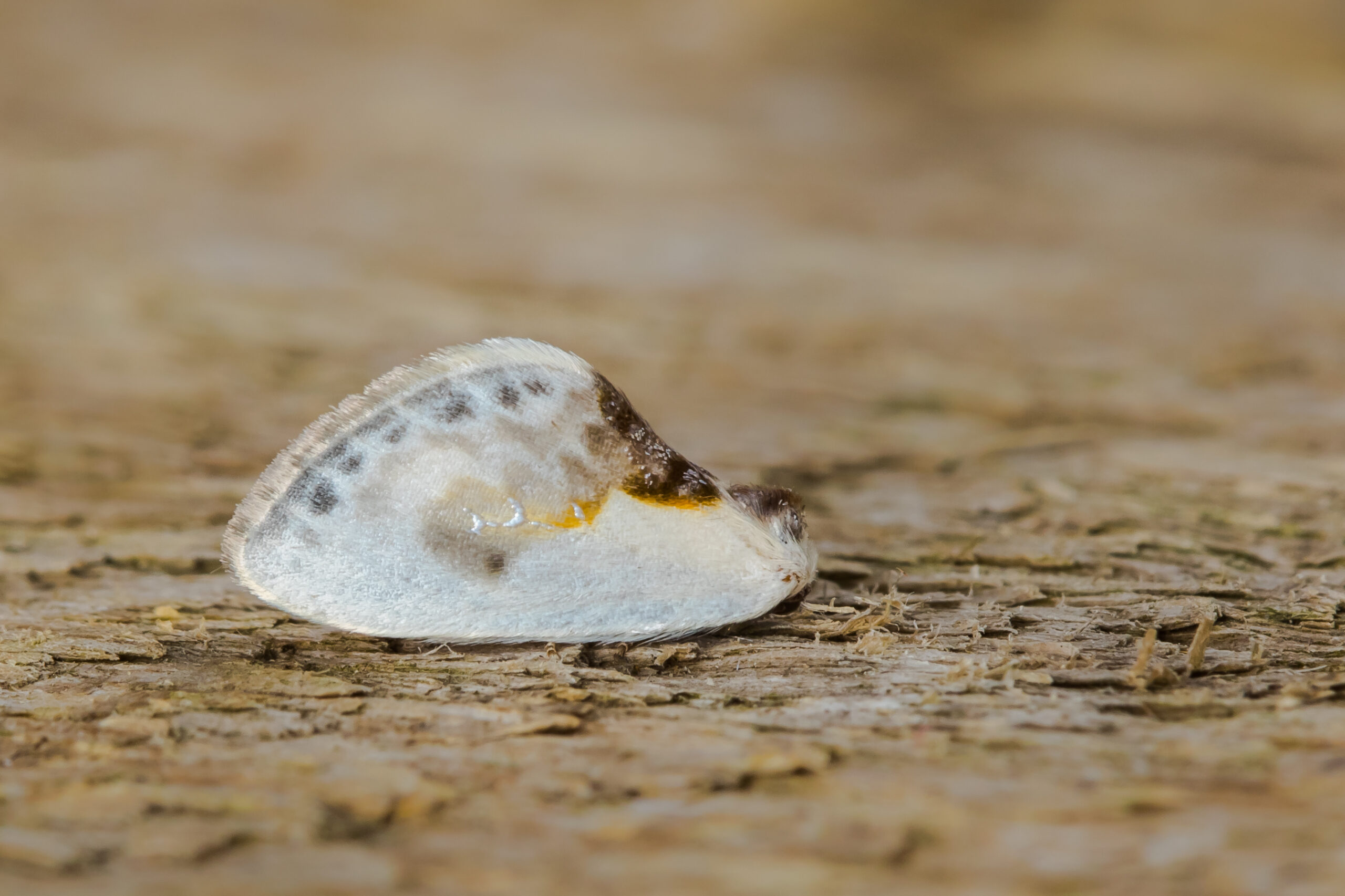
Chinese character moth (Cilix glaucata) disguised as a bird dropping
Moths can be vibrant as well as masters of camouflage, disguising themselves as bark, leaves, and broken twigs. Some moths, however, are a little more peculiar. The Chinese Character moth, for example, uses visual mimicry to disguise itself as bird poop. This repelling costume protects it from potential predators that don’t find avian feces appetizing.
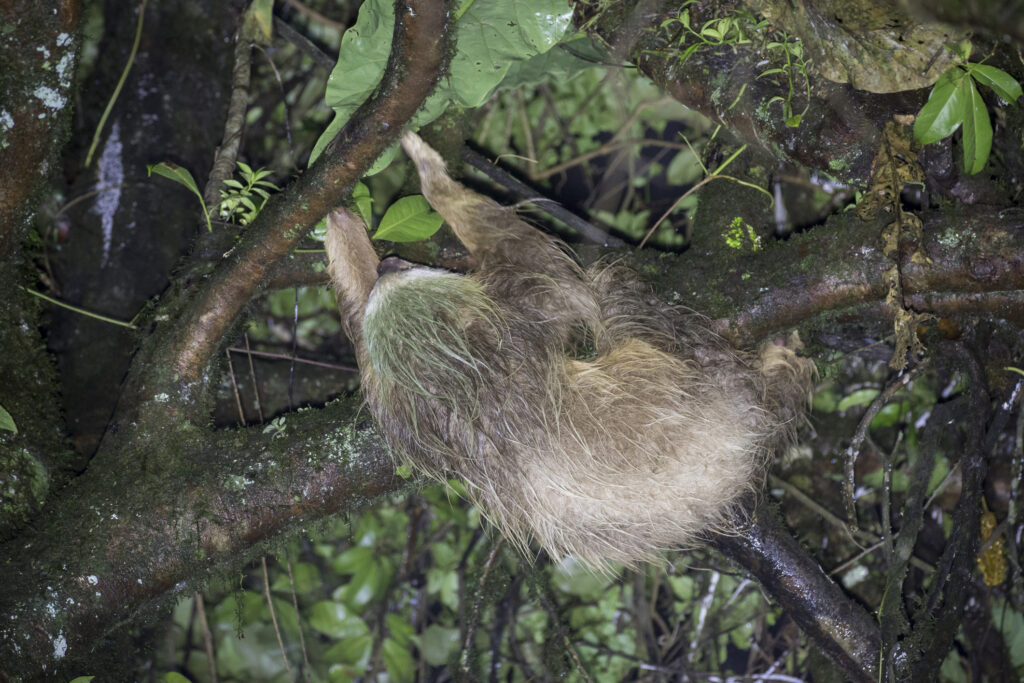
Hoffmann’s two-toed sloth
Some moths have forged unusual relationships with other animals. Cryptoses moths have developed a symbiotic relationship with both sloths and algae, meaning that they all mutually benefit from one other. Also known as the “sloth moth,” they live exclusively on the fur of sloths, feeding on the algae that also live there. There have been up to 120 of these moths found living on one sloth at a time! The eggs of sloth moths are laid in sloth dung, which a sloth will descend to the forest floor to deposit every week or so. When the eggs hatch into larvae, they will feed on the dung until they mature into adult moths and begin to live on sloth fur. This relationship is important because the moths provide essential nutrients for the algae to grow, which scientists believe that the sloth then eats and uses as a green camouflage.
Occasionally, moths have been spotted drinking the tears of sleeping animals, such as birds, turtles, or even crocodiles! Researchers believe that this behavior is due to the salt content of tears. Often, moths (as well as butterflies) will seek out salty substances in addition to their typical diet of nectar to supplement essential nutrients.
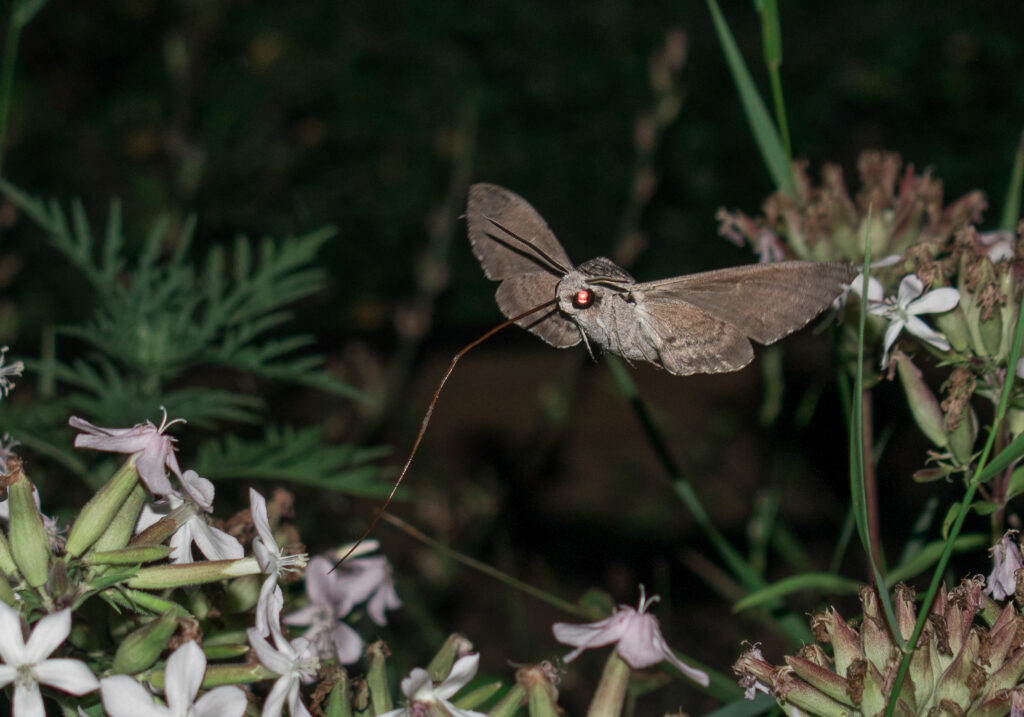
Sphinx moth feeds on flower nectar in the night
As nocturnal insects, moths love midnight snacks, flitting from flower to flower in search of nectar in the dark. This nighttime activity has made them expert pollinators, putting them up on the pollinator podium with bees. Researchers have found that moths are even more effective at pollinating at night when compared to bees in the daytime. Though they have less hours due to the shorter summer nights, they are diligent in their work. Thank moths for pulling the night shift on the world’s pollinating work!
Though peculiar, these nocturnal habits of moths are what allow them to thrive in the nighttime wilderness. Moths are incredibly important to our ecosystems, making it important for us to understand these strange behaviors so that we can better protect and conserve them.
Written by Kenzie Claflin