Urban Prairies Project
Restoring native prairie habitat in urban areas to support pollinator populations and increase ecosystem resilience.
The Urban Prairies Project (UPP) improves the ecological health of urban and suburban open spaces along the Front Range and beyond by connecting community members with habitat conservation for pollinators and other wildlife.
Interest in joining UPP as a volunteer? Fill out the form here.
UPP recognizes the strong connection between healthy green spaces and human well-being, and works with municipal and community partners to make nature close to home healthier for all.
Over the last century, the shortgrass prairie ecosystem that once dominated Colorado’s Front Range has declined to less than one-fifth of its original area. Alongside this loss, we’ve seen significant declines in native plant and animal species, key ecosystem processes, and access to nature that supports human health.
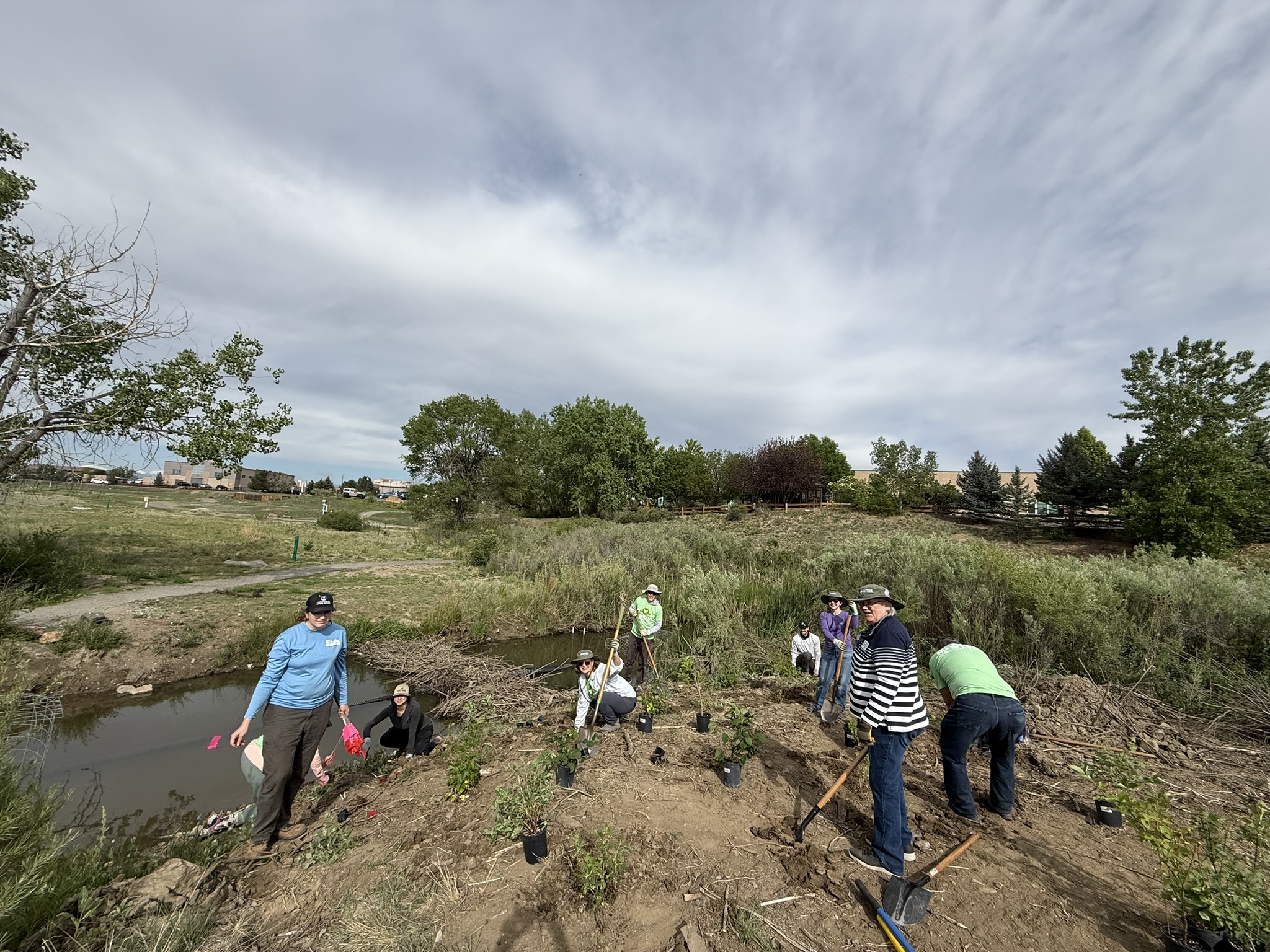
The Urban Prairies Project provides opportunities to directly counteract these losses—whether through one-time volunteer projects near home or through deeper engagement as a trained Restoration Master Volunteer.
Interest in joining UPP as a volunteer? Fill out the form here.
Restoration Master Volunteer Program
Restoration Master Volunteers (RMVs) complete a core training in restoration principles and techniques, native ecosystems, crew leadership, and community outreach.
After training, volunteers can choose how they want to get involved:
- Habitat Restoration: planting projects, invasive species removal, seed collection
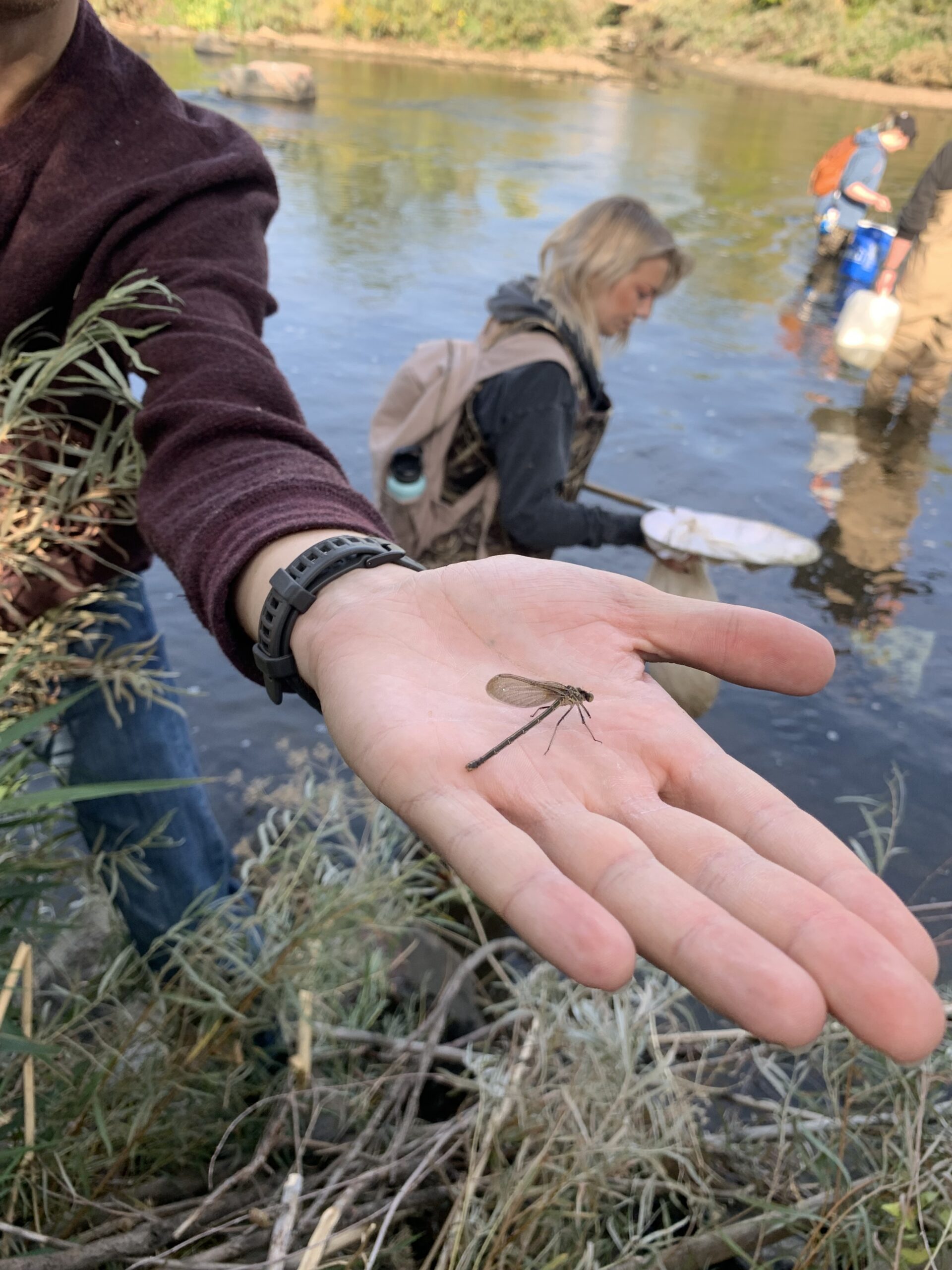
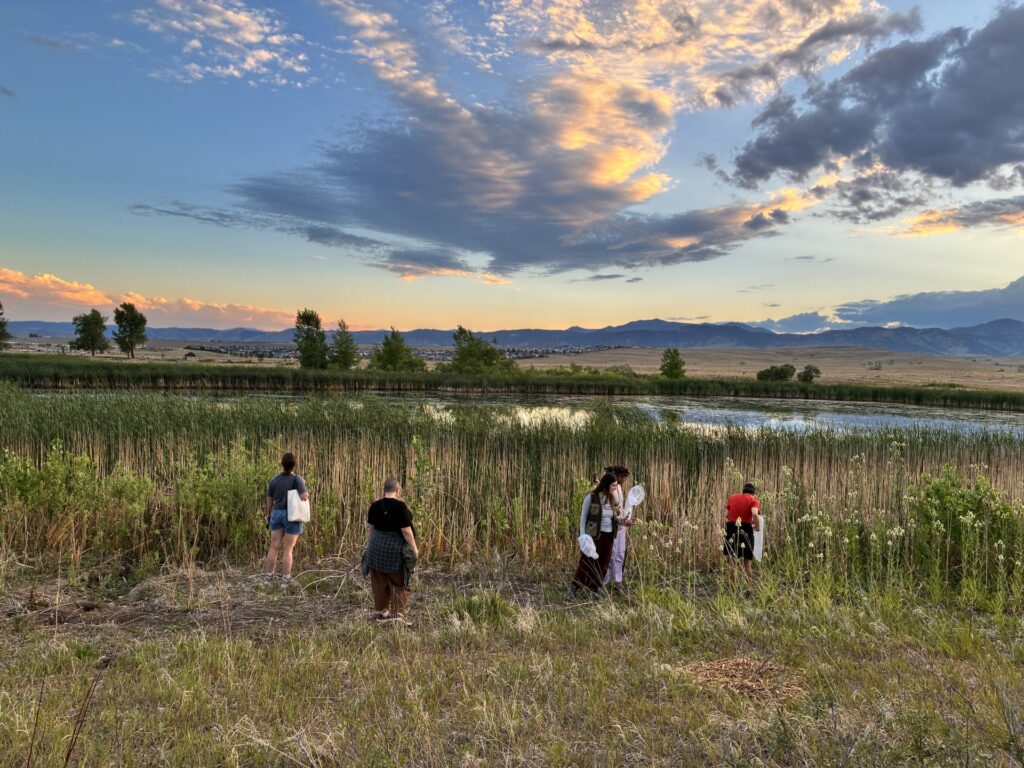
- Monitoring & Data Collection: tracking pollinators, plants, soil health, wildlife, and more
- Community Outreach: leading nature walks, attending events, writing articles, and educating others
Volunteers are encouraged to participate in one—or all—of these opportunities based on their interests.
No experience is necessary. Everyone is welcome!
How to Get Involved
- Become a Restoration Master Volunteer
- Submit a volunteer interest form here
- Attend a Restoration Master Volunteer Training (offered twice a year in Spring and Fall)
- Join the RMV community and receive updates on projects, monitoring programs, and additional training opportunities
- Participate in restoration projects, data collection, and community outreach
ORAttend an Urban Prairies Project event as a member of the community, no training required
Training Information
Restoration Master Volunteer trainings are typically offered twice per year (Spring and Fall). Trainings include multiple sessions covering core restoration topics and hands-on learning.
For more information or to get involved, contact: awhite@butterflies.org