What’s Up With Bees?
April 11, 2025 · Blog
Pollinator populations are declining.
Are Colorado’s bees in trouble?
The Colorado State Beekeepers Association (CSBA) represents over 3,000 beekeepers throughout the state; many of which report extreme colony losses in recent months. The CSBA sent a letter to state legislators, asking for awareness and potential solutions to this decline. There was a colony collapse in 2007-2008, which is still being studied for a more thorough understanding of the factors that contribute to high losses; it is predicted that 2024-2025 commercial losses are as high as 62%. Fewer honeybee colony numbers not only affect the honey industry, but it could have severe impacts on food security and crop pollination throughout the United States. This local issue is representative of a much larger ecological concern: pollinator populations are in decline due to habitat loss, pesticide use, climate change, and competition from non-native species.
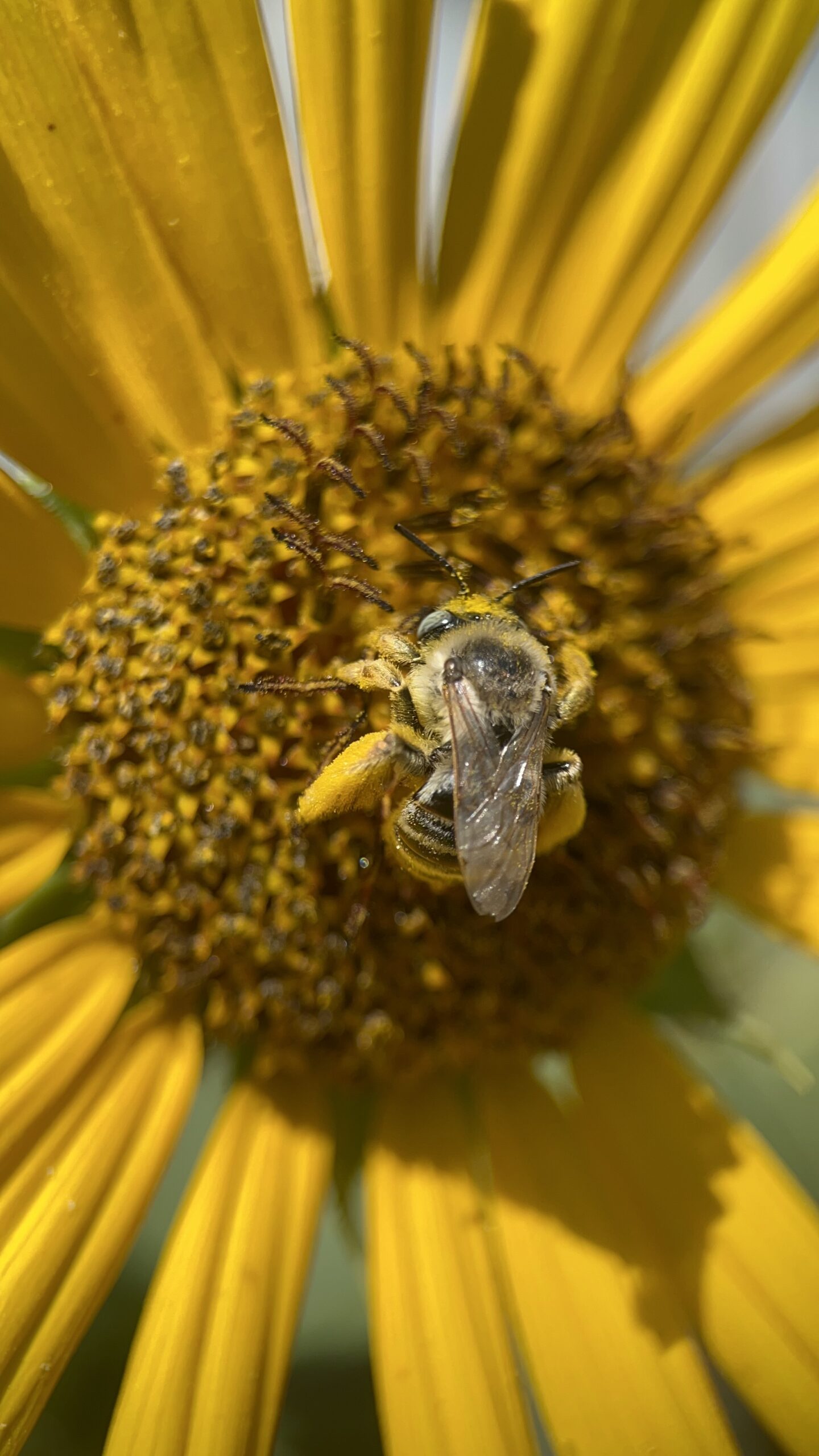
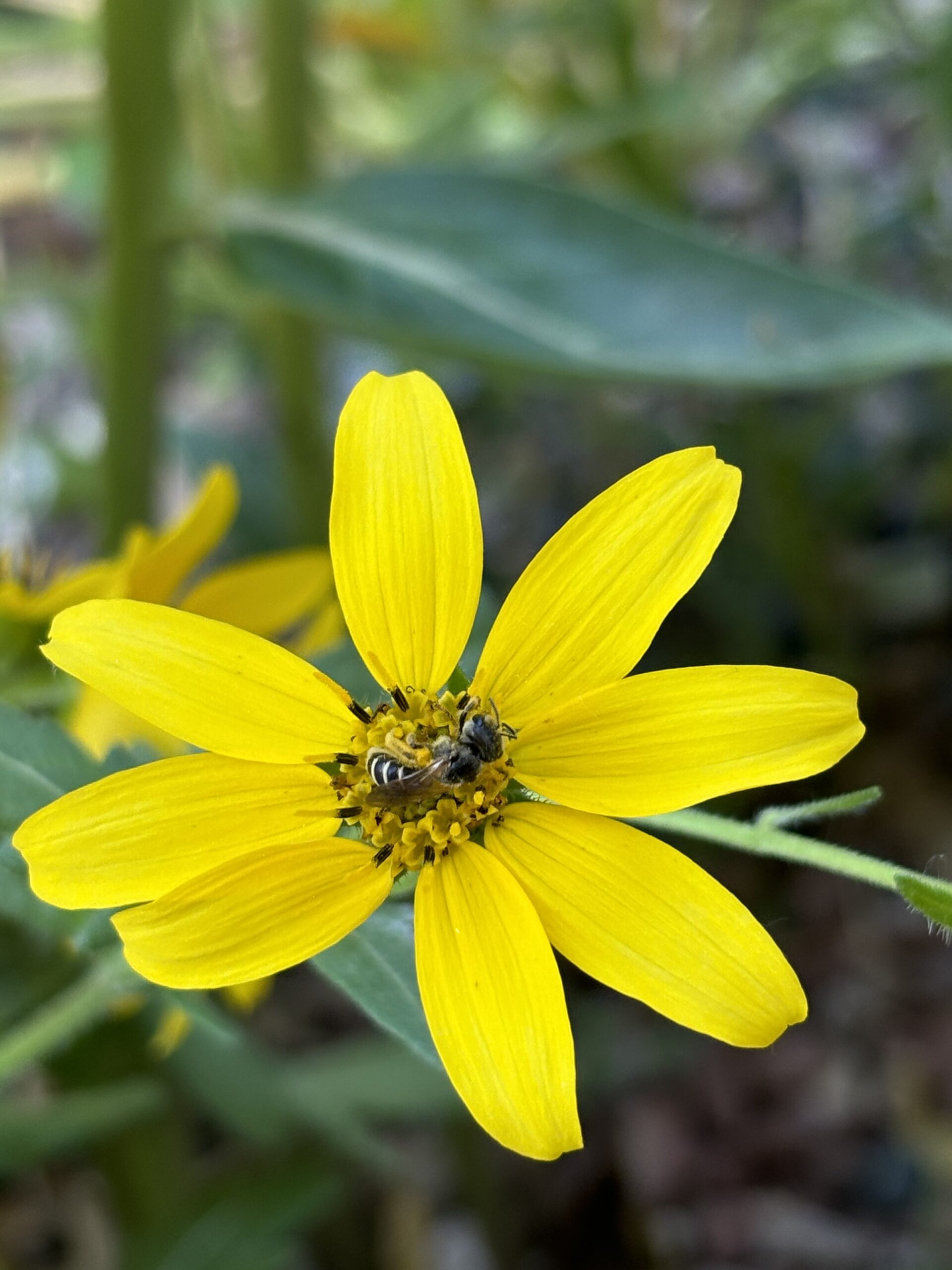
It is important to highlight here that honeybees are not native to North America. Colorado is home to over a thousand different species of native bees, which don’t have a social hive system or produce honey. Bumble bees are the only exception, as they create colonies and store honey in their hives; however, these colonies die every year in winter and the honey they produce is minimal and cannot be used for human consumption. The rest of native bees are relatively solitary and do not sting defensively. In fact, roughly 70% of them nest underground. Some native bees are also specialists, meaning that they rely on specific plant groups to survive. If the host plant disappears, so do they, and vice versa. Ecosystem disturbances have cascading effects as a result. As pollinators, native bees help pollinate flowers and agricultural crops, supporting in the production of tomatoes, peppers, berries, peaches, and many other crops. They play a crucial role in the food supply system throughout the United States and the world in general. The co-evolution of native bees and native plants means that when one is threatened, the other feels the impact just as sharply. There are still large gaps in scientific knowledge about native bee species, especially because they are still being discovered at a meteoric rate. It can be difficult to protect a species if we don’t know about its existence. Similarly, very few native pollinators – aside from bumblebees and butterflies – have been assessed for extinction risk.
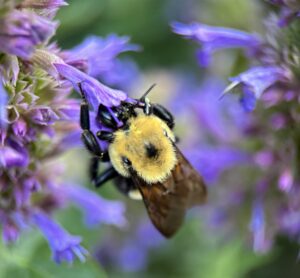
Many research organizations have recently highlighted that pesticides are one of the largest threats to native bees, due in part to the slow pace and limited scope of regulatory processes. The Environmental Protection Agency conducts all their testing on honey bees to ensure that approved chemicals do no harm to pollinators. However, these species are not native to North America and their social colony structure is far from representative of the thousands of native bee species, not to mention other pollinators like butterflies, moths, and beetles. Milkweed, which is an essential plant for monarch butterflies, is particularly susceptible to harmful chemicals. In the Central Valley of California, 100% of the milkweed that was tested was contaminated with some kind of pesticide, and not every found chemical had been researched. Honey bees are poor surrogates for the rest of the bee species, and even worse for other pollinators like butterflies and moths. The narrow focus on pesticide impacts represents a large-scale failure to consider the biodiversity that makes up the pollination process.
Native bees are essential pollinators and fascinating invertebrates, and Butterfly Pavilion maintains a strong commitment to teaching community members how to help keep their numbers as high as possible. One of the most helpful steps is to plant a garden full of native plants; not only does this sustain native pollinators, but it also contributes to local biodiversity. Managing local threats with small gardens and practices aimed at aiding the pollination process can help mitigate large-scale climate change. Beekeeping Bootcamp, pollinator workshops, and several community science programs are aimed at empowering individuals to take action in the fight to save our native pollinators for generations to come.
Written by: Rachel Zing; Photos by: Alex Han