
Although they lack one, insects are the backbone to all life and the sustainability of our planet. Insects of all sizes often fly and crawl under our radars, but play vital roles in our lives as pollinators, decomposers, and essential building blocks in almost all of the terrestrial ecosystems on our planet. Despite their abundance, there are some things about them that may still surprise you. Here are five insect facts that may change the way you think about our six-legged friends.
1. Despite what you’ve heard, cockroaches cannot survive a nuclear explosion.
You may have heard about the old myth that cockroaches would be the only survivors of a nuclear war, but that’s not quite true. For one, anything within about half a mile of ground zero would be instantly vaporized by the intense heat and pressure of a nuclear blast, leaving nothing behind. And while cockroaches do have a higher tolerance to radiation than humans, thanks to their slower rate of cell division, they’re still far from invincible. Over time, radiation damages DNA and disrupts molecular structures, leading to deadly mutations and a collapse in biodiversity. Even if a few insects initially survived, the resulting lack of food and the severe environmental conditions would make long term survival impossible. Radiation exposure also drastically reduces reproductive abilities, meaning any survivors would struggle to produce offspring and maintain their population.
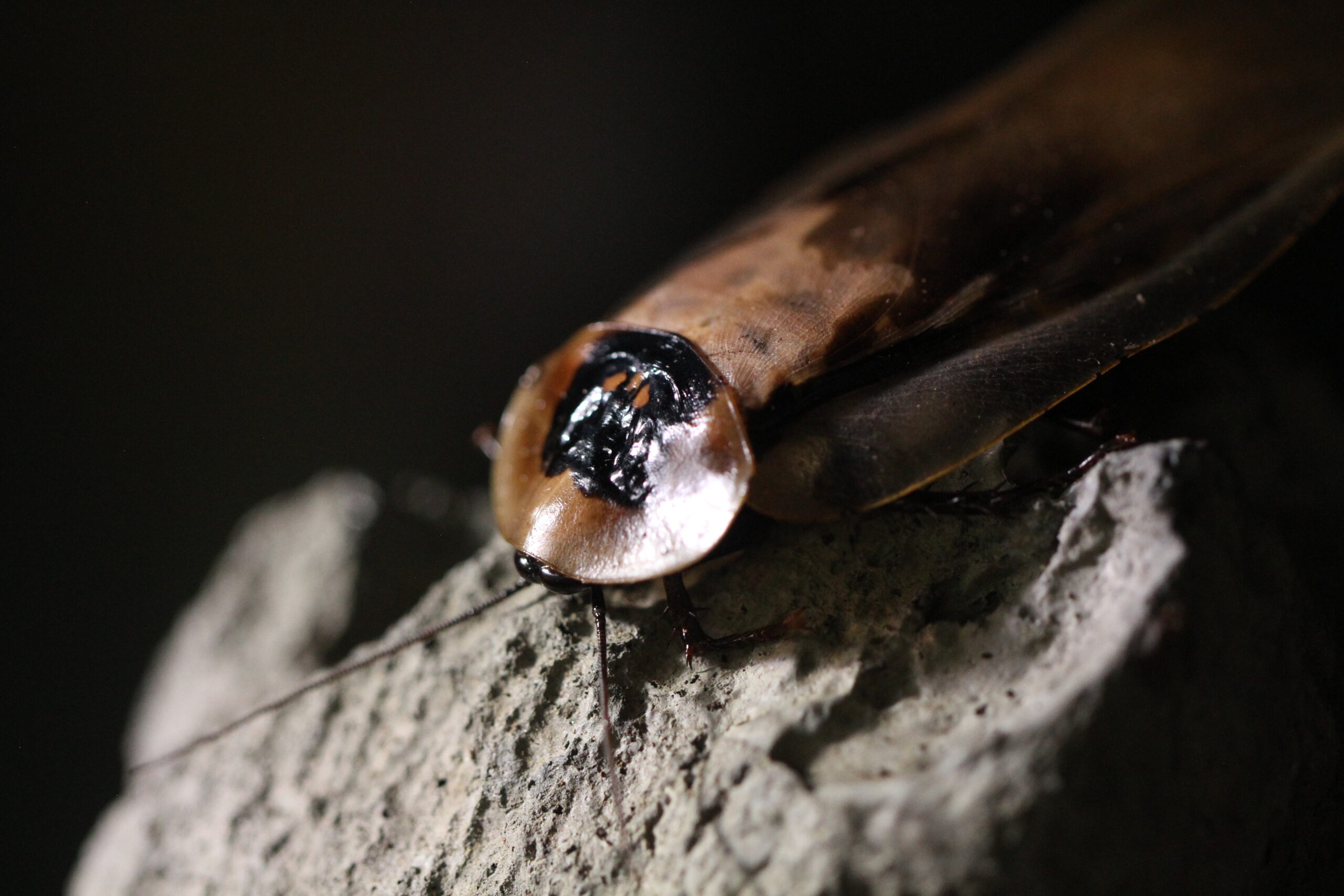
2. Insects vs. Bugs. What’s the difference?
We often call anything small that crawls or flies a “bug”, but in entomology the term “bug” is only applied to true bugs. The term “true bug” refers to insects in the order Hemiptera which includes species like stink bugs, cicadas and aphids to name a few. These insects share unique characteristics such as specialized mouthparts made for piercing and sucking plant juices and other fluids. Unlike butterflies or beetles, which go through complete metamorphosis that includes a pupal stage, true bugs experience an incomplete metamorphosis consisting of just three stages: egg, nymph, adult. So, while we might call all insects “bugs”, only a select few earn the title of a true bug.
3. Insects can have memories… Some even have personalities!
It may surprise you that insects are capable of forming memories. Though their brains are tiny, they are remarkably efficient. Insects can learn from experience, remember information, and even base their behaviors off of past experiences and from their peers. For example, honeybees can memorize the location of flowers and use landmarks to find their way back to these locations and their hives. Similarly, fruit flies have been shown to associate specific scents with rewards and dangers. Research also shows that some insects can exhibit personality traits with some individuals being more active, bold, or exploratory than others from the same species. However, scientists are careful to distinguish these personality like traits to anthropomorphism (the tendency to assign human emotions and traits to non-human like things). While insects don’t experience the world in the same emotional or psychological way we do, these behavioral differences still highlight the sophistication of their nervous systems and the diversity of responses to the world around them. Overall, despite their size, their minds show an impressive blend of learning, instinct, and individuality, reminding us that intelligence comes in all sizes in the animal kingdom.
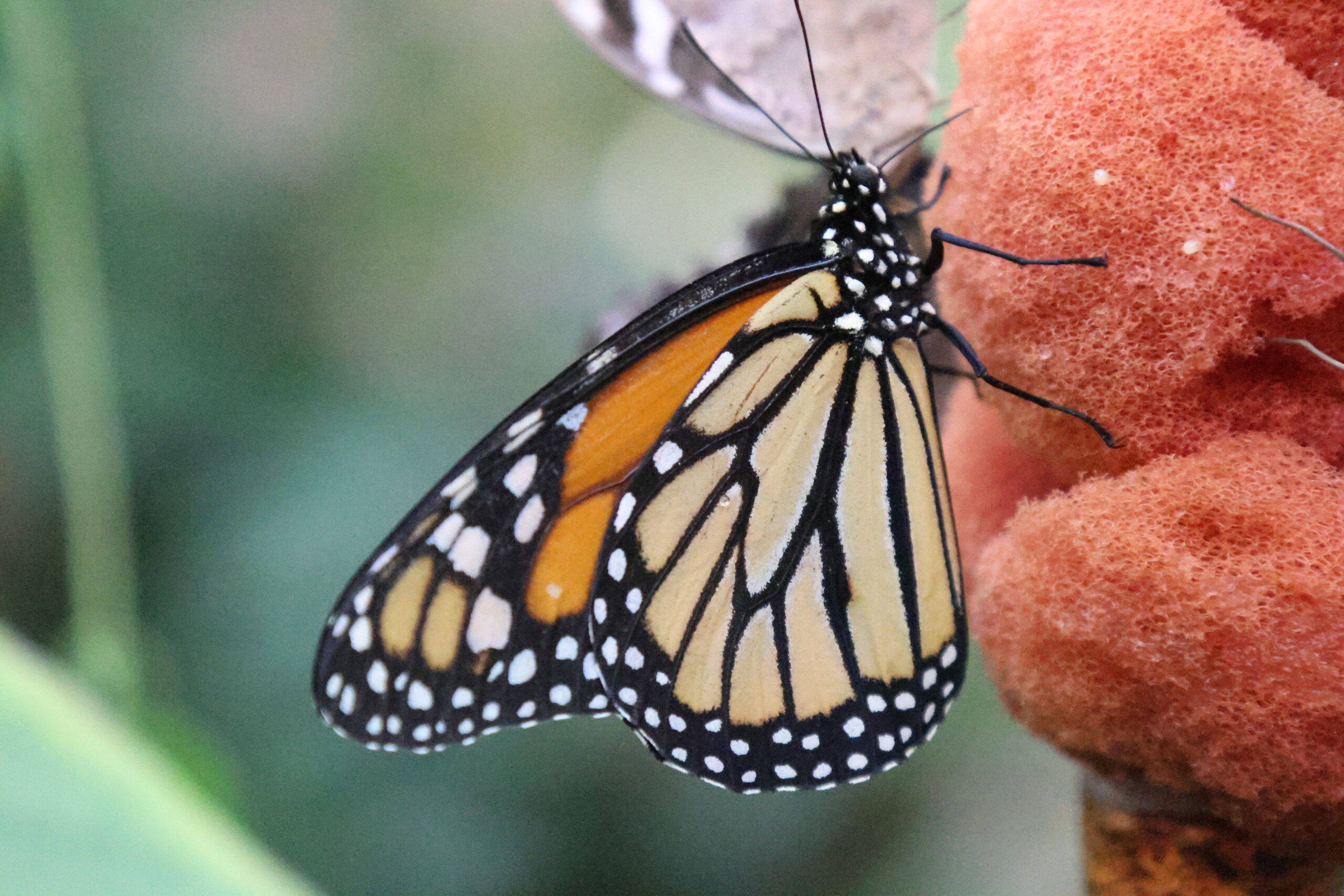
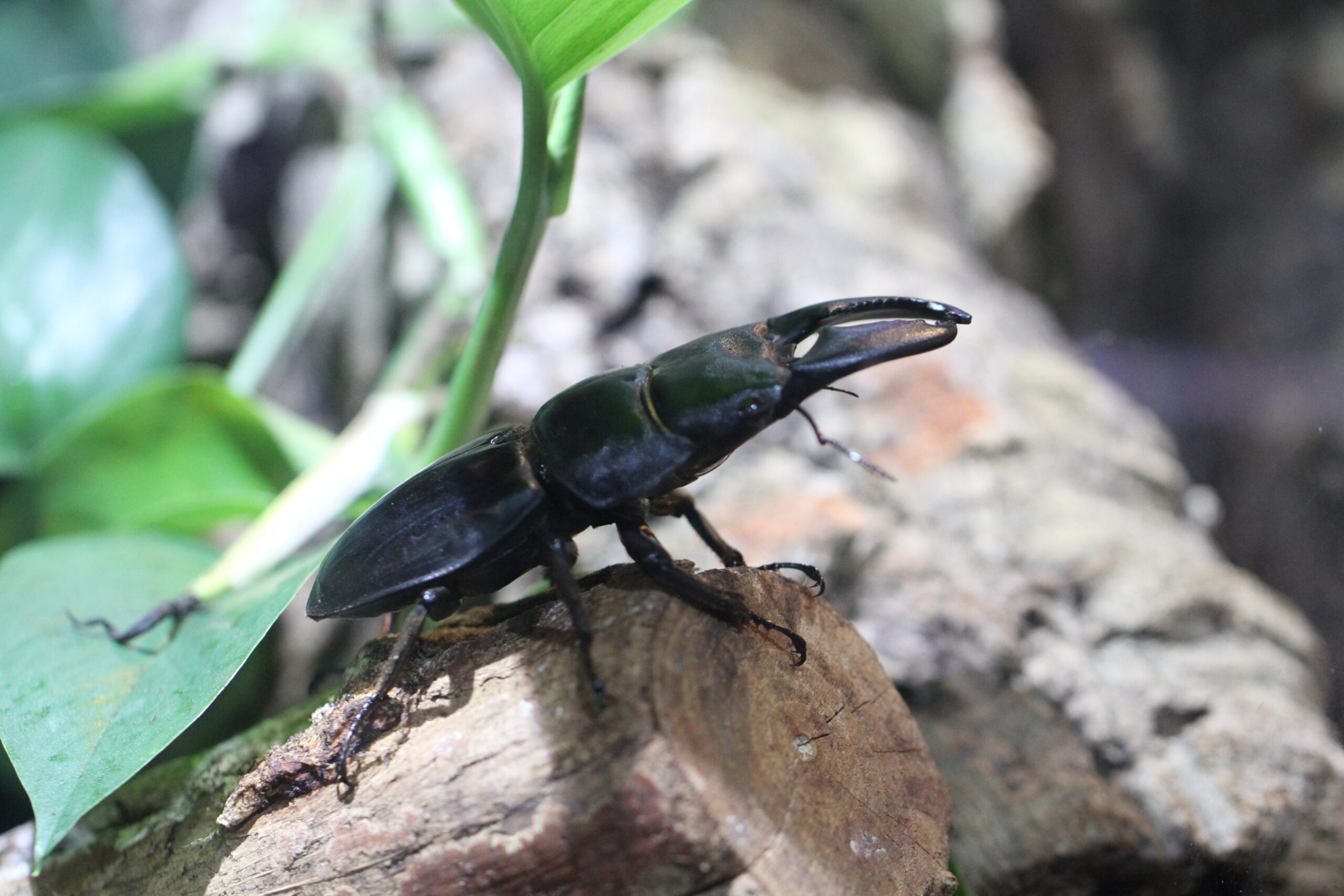
4. Insects are anim
als
Insects are animals just like mammals, birds, and reptiles. Not only are they animals but estimates suggest that insects account for around 80% of all known animal species and more than 40% of all living species on Earth. That means when you see a little ant marching on the ground or a butterfly fluttering in the breeze, you’re actually witnessing the most dominant class of animal on the planet. Between their abundance and diversity, insects play a critical role in maintaining ecosystems. Without them, life on Earth would look extremely different. Despite their size, insects are a fundamental piece of the animal kingdom, proving that even the tiniest of creatures can have the biggest impact.
5. Honeybees are just one of thousands of bee species
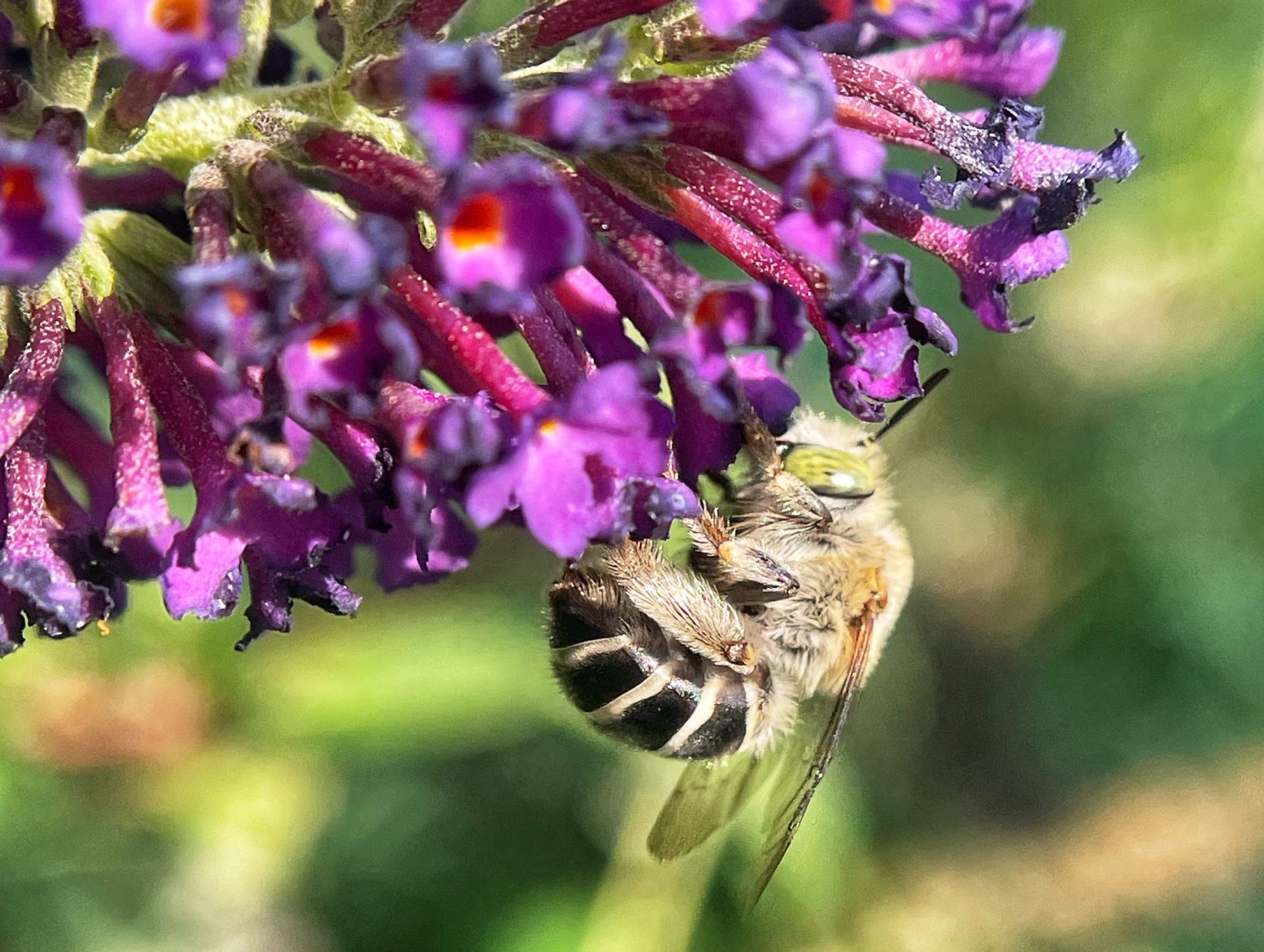
When people think of bees, most picture the familiar honeybee buzzing around in the flower fields. But in reality, there are more than 20,700 known species of bees worldwide, from digger bees, miner bees, stingless bees, leafcutter bees and more! That’s more than all species of mammals and birds combined! Many of these species are understudied or little is known. However, each of these species play a crucial role in pollination, plant reproduction and ecosystem health.
Written by Carter Chen
Spiders are among one of the most misunderstood animals on our planet. Whether they’re building intricate webs or silently hunting in the trees, these eight-legged little friends play vital roles in all ecosystems around the globe. Yet myths and misconceptions often cloud our perception of these tiny animals. So, let’s unravel the mysteries behind these vital creatures with five facts that just might change the way you think about spiders.
1. No… We don’t eat spiders in our sleep.
You’ve probably heard of the old rumor that people swallow several spiders per year while sleeping. However, there’s actually no scientific evidence supporting this claim. Spiders don’t really want anything to do with us while we are awake or asleep, so try not to lose any sleep over this myth. If that wasn’t enough to convince you, maybe this will. Spiders rely heavily on vibrations to sense the world around them, and the rumbling of our breathing and snoring would feel like an earthquake to them. This whole myth is believed to have originated from an internet hoax in the 1990’s to prove how easily misinformation could spread online, and it appears to have worked a little too well.
2. Spiders are not insects, they are arachnids!
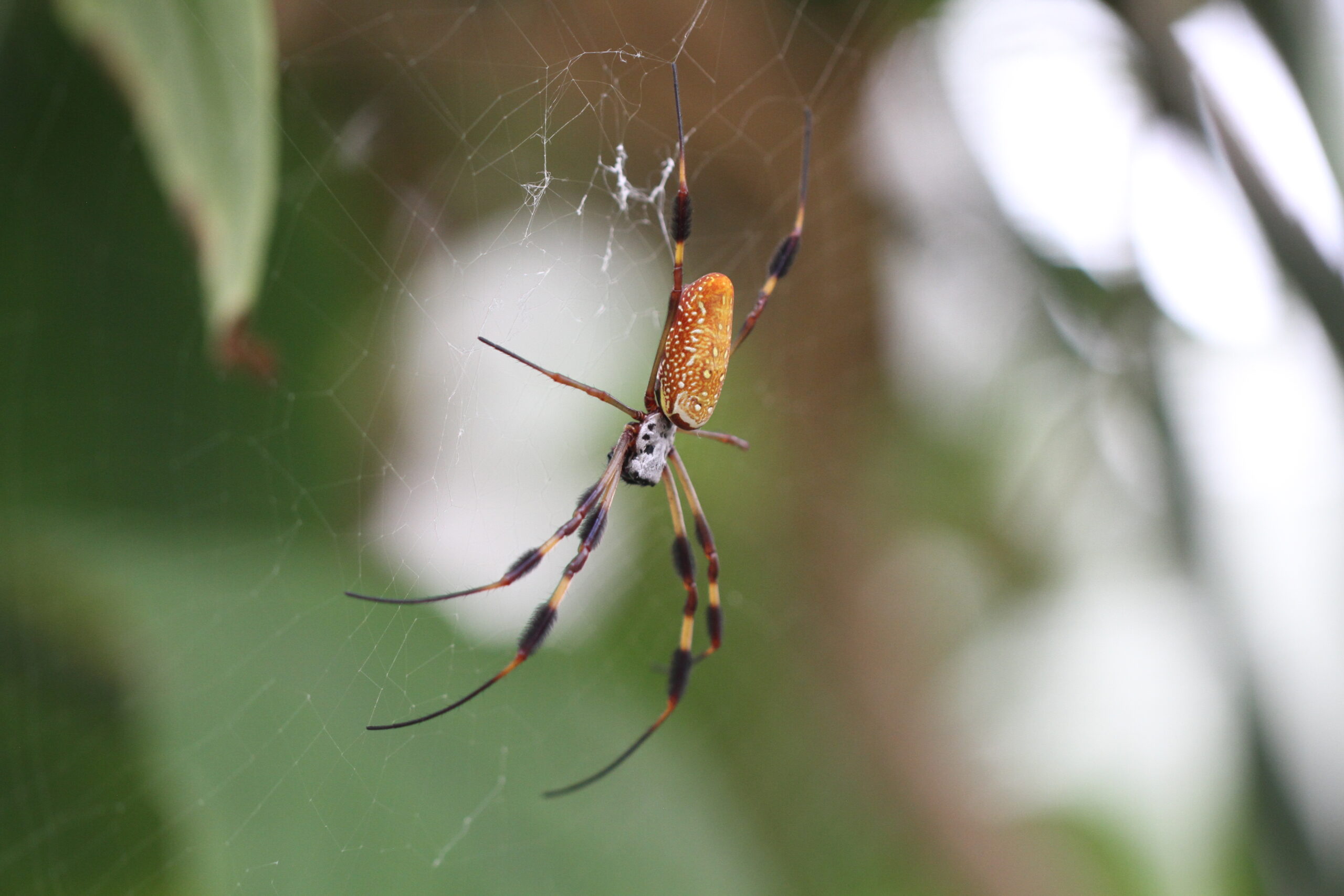
Although spiders are often thought of as insects, they actually belong to a completely different class of animals: Arachnida.
Here’s a simple breakdown between the classes Insect and Arachnida
Insects
– They have three body segments (head, thorax, abdomen), six legs and often wings or antennae
Arachnids –
They have two body segments (a fused cephalothorax and abdomen), eight legs and no antennae (though some have legs modified and used for a sensory function) or wings.

3. There isn’t just one kind of Tarantula. There are thousands (1,177 species of tarantula as of 11/3/2025)!
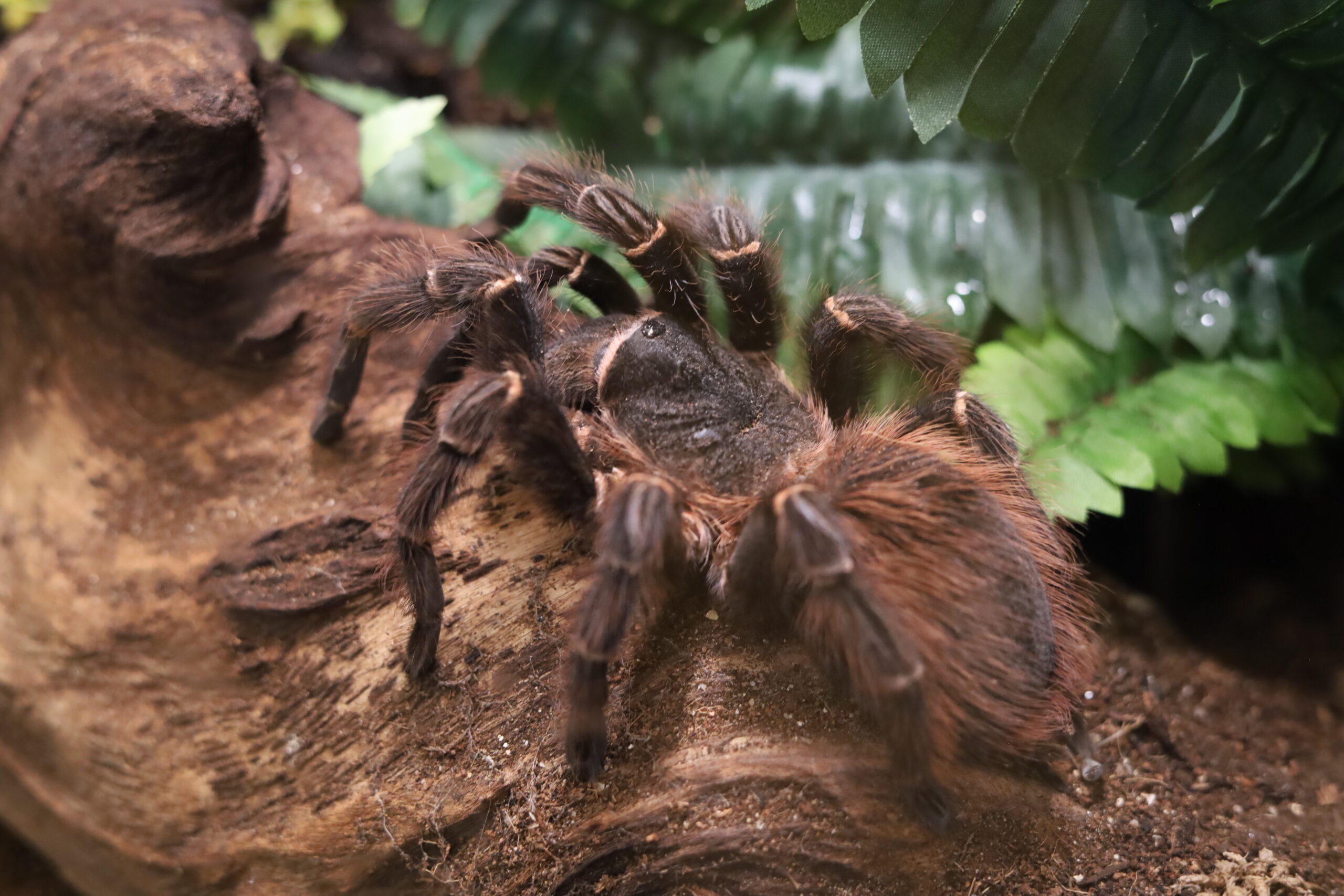
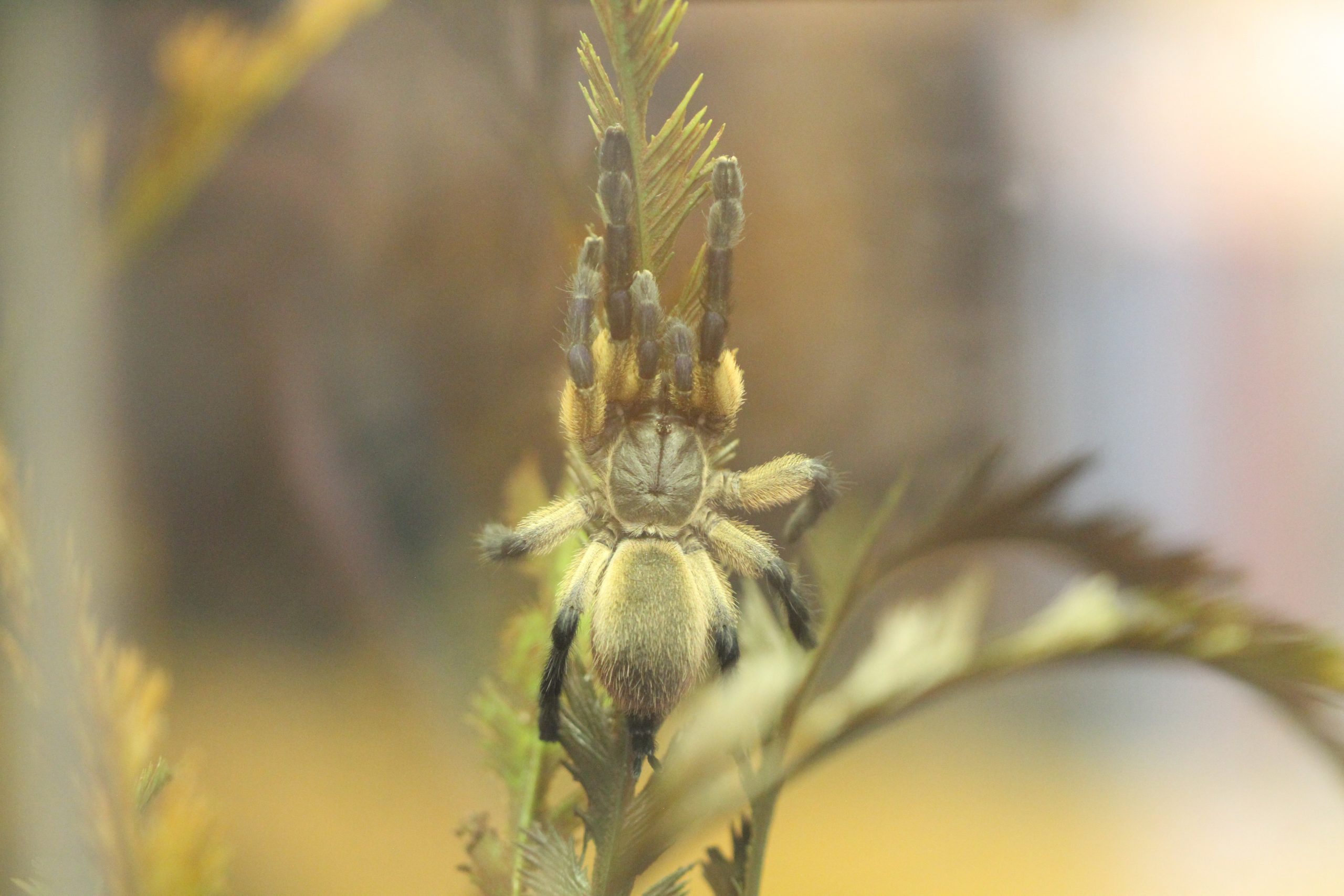
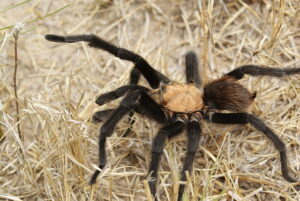
When people say tarantula, they are actually referring to a whole family of spiders known as Theraphosidae, which includes over 1,000 different species around the world. These species can be found in hundreds of different shapes, sizes, colors, and behaviors based on where they live. Despite their size and appearance, most tarantulas are slow and docile animals that rely on intimidation over aggression. Most tarantulas have alternative defense mechanisms before resorting to a bite. For example, some tarantulas will use urticating hairs which are little barbed hairs that they will flick at their predators to inflict an itchy rash on their predator as a defense mechanism.
4. Daddy Longlegs are not spiders or venomous.
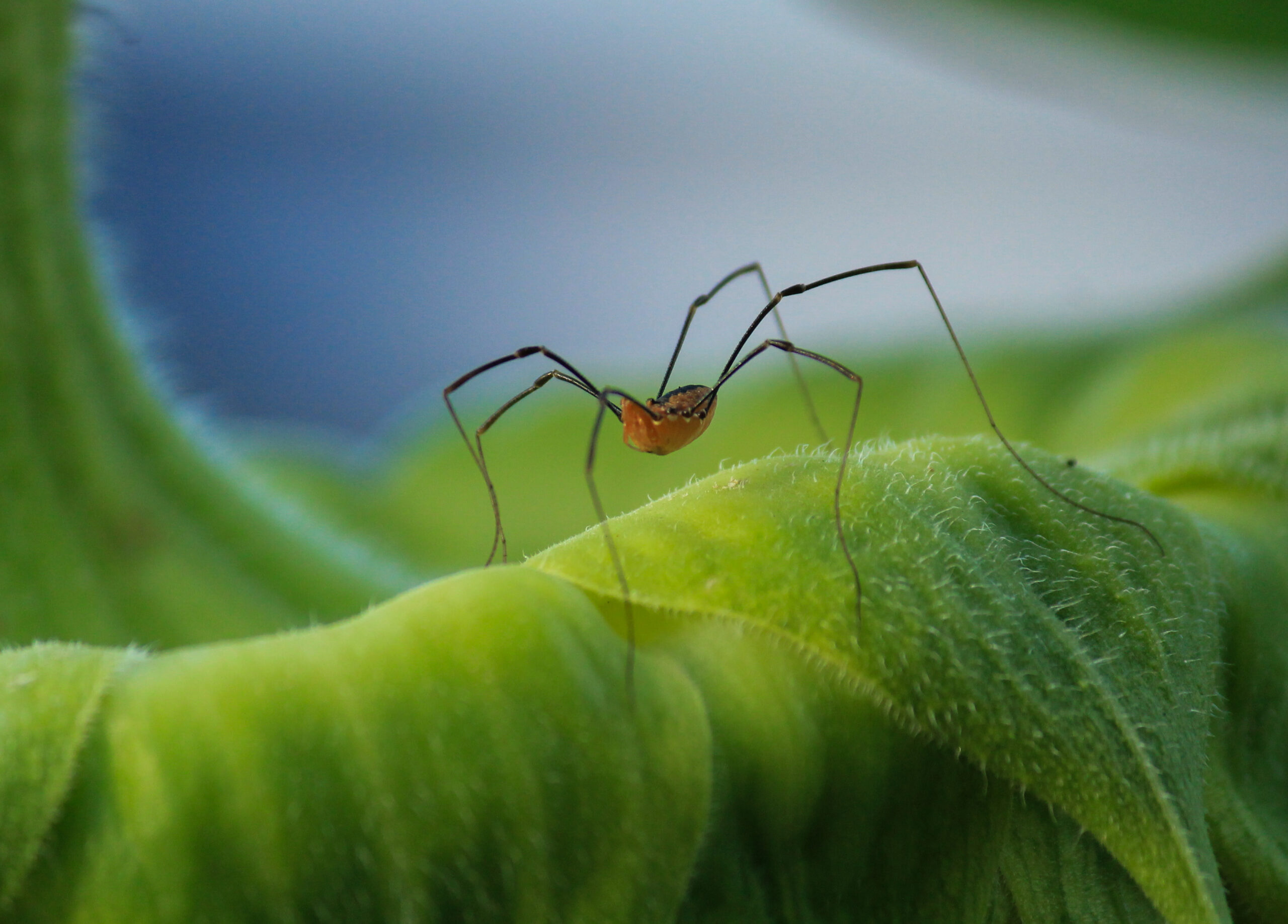
Daddy Longlegs is a name that is used for a few different animals, but most used to refer to the harvestmen. So to put it short, Daddy Longlegs are part of the harvestmen order, not the spider order. Under the class of arachnids, there are several different orders such as mites, scorpions, spiders, and harvestmen to name a few. The difference between spiders and harvestmen is that harvestmen have two body sections that are fused together to look like one, no silk or venom glands and two eyes opposed to spiders which have two body segments, silk and venom glands with six eyes. Unlike spiders, harvestmen feed mostly on decaying plants and organisms, but will also prey on smaller insects as well. They are peaceful and harmless omnivores that mostly scavenge, but also help control small insect populations.
5. Approximately 0.05% of all spiders are harmful to humans.
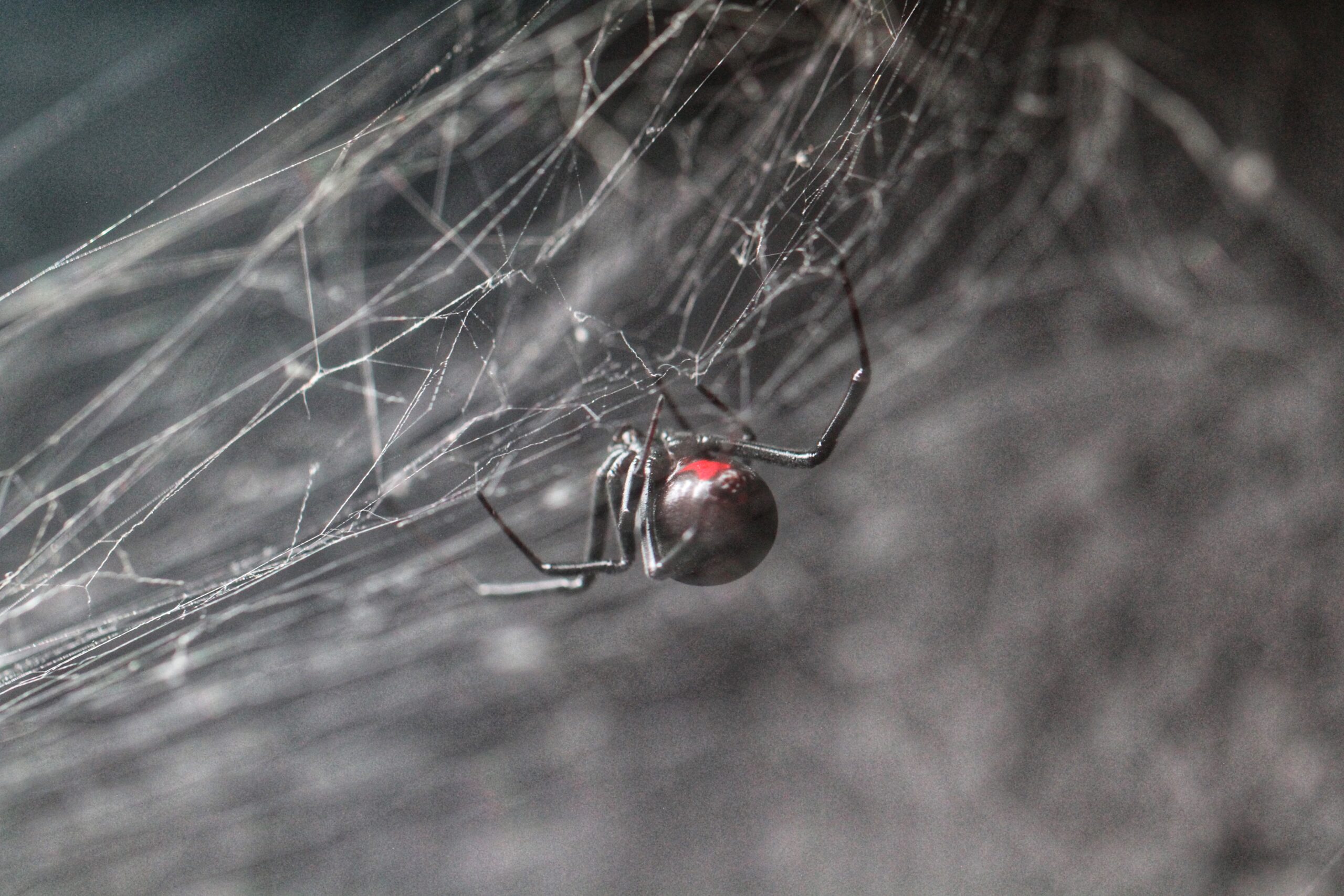
With more than 50,000 species of spiders estimated worldwide, there are only about 30 spiders that have actually been known to possess venom potent enough to cause medically significant reactions in humans. Spiders understand that biting humans is a waste of venom rather than saving it for venom. Even spiders that are considered “dangerous” like the black widow, tend to avoid biting humans unless it is a last resort for self-defense. In the end, spiders are much more beneficial to humans as important pest controllers keeping insect populations in check both indoors and outdoors.
Written by: Carter Chen
Butterfly Pavilion isn’t just home to butterflies; it’s also full of amazing aquatic invertebrates! There is a whole underwater world to explore right here at Butterfly Pavilion. So, let’s dive in! Here are five fun facts you probably didn’t know about our aquatic residents.
1. Mantis Shrimp can’t punch through our tanks!
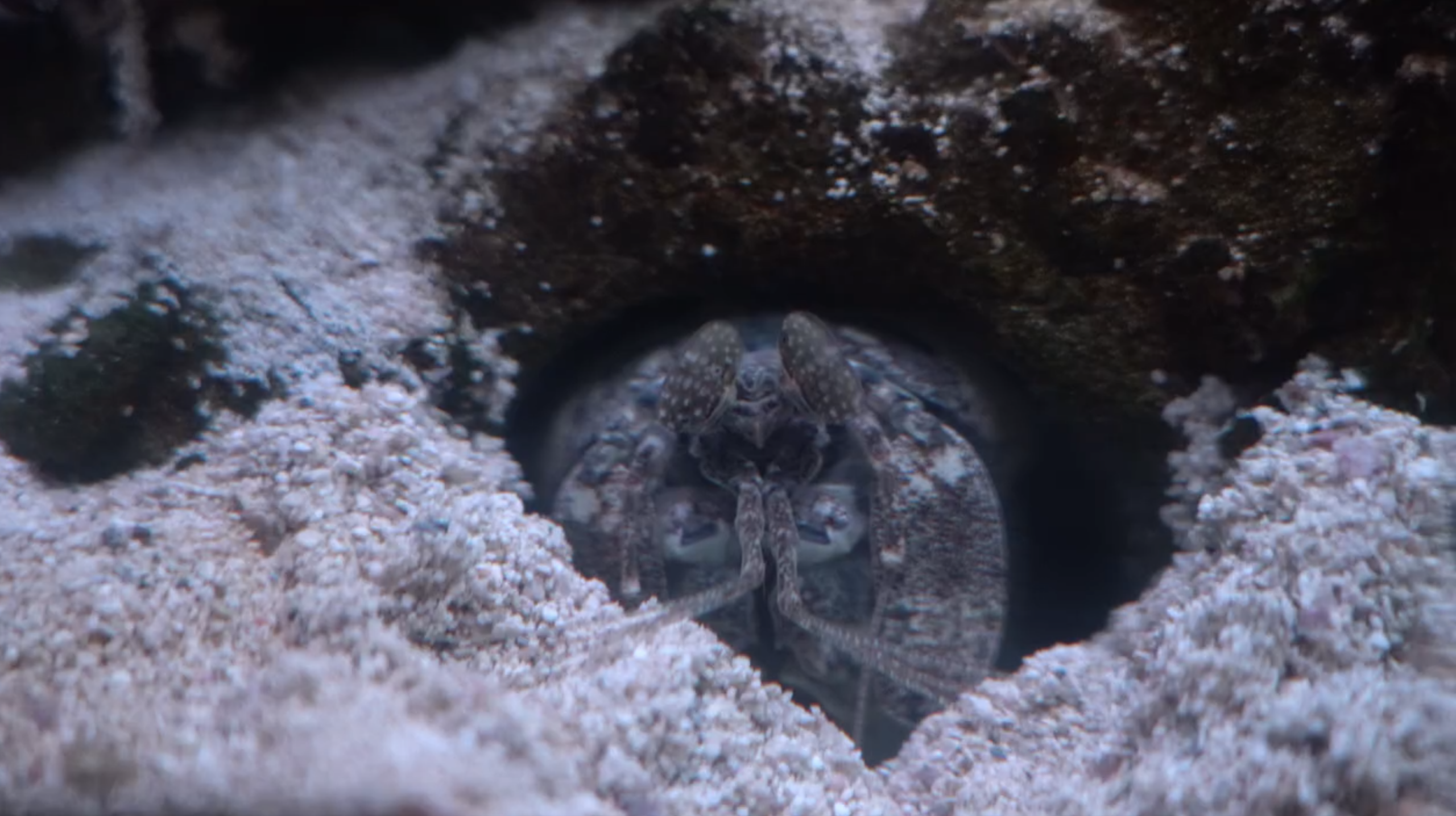
If you’ve ever seen a mantis shrimp, you know they look small but mighty and that’s because they are. These powerful crustaceans are famous for their lightning-fast strikes. It’s easy to see how rumors started that a peacock mantis shrimp could break through aquarium glass. But don’t worry, our mantis shrimp isn’t breaking out anytime soon. At Butterfly Pavilion, they live in special acrylic tanks, which is actually a type of plastic, that can flex under impact instead of regular glass that can microfracture and eventually shatter. That means even the toughest shrimp punches are safely absorbed and if the tank is damaged, we have enough time to repair the tank before any serious damage is done. Mantis shrimps’ claws come in two forms, “smashers,” who deliver those powerful clublike hits, and “spearers,” who use sharp, spiny limbs to jab at prey with precision. A peacock mantis shrimp is said to have a punch as strong as a .22 caliber bullet! This just goes to show the technology behind their tanks that lets us witness some of nature’s most fascinating animals.
2. Coral are not plants or rocks… They’re animals!
One thing that our guests often get confused about is mistaking our corals for colorful underwater plants or even rocks. However, they’re actually invertebrates, playing one of the most important roles in our oceans! There are different kinds of corals, hard or stony corals, and soft corals. Each coral is called a colony, and each coral colony is made up of hundreds of tiny polyps. Hard corals are made of tiny polyps that build hard skeletons of calcium carbonate to form corals such as staghorn and brain corals. Whereas soft corals lack these rigid skeletons and are more flexible with variants being known as sea fans, sea whips and leather corals. Combined, these hard and soft coral colonies form the reefs we know and love, which support nearly 25% of all marine life on Earth. Corals also have an incredible partnership with microscopic algae called zooxanthellae (zoh-uh-zan-thel-ee). These algae live inside coral tissue and provide food through photosynthesis, while the coral offers protection and nutrients in return resulting in a mutualistic relationship. This relationship not only fuels coral growth but also gives reefs their brilliant colors.
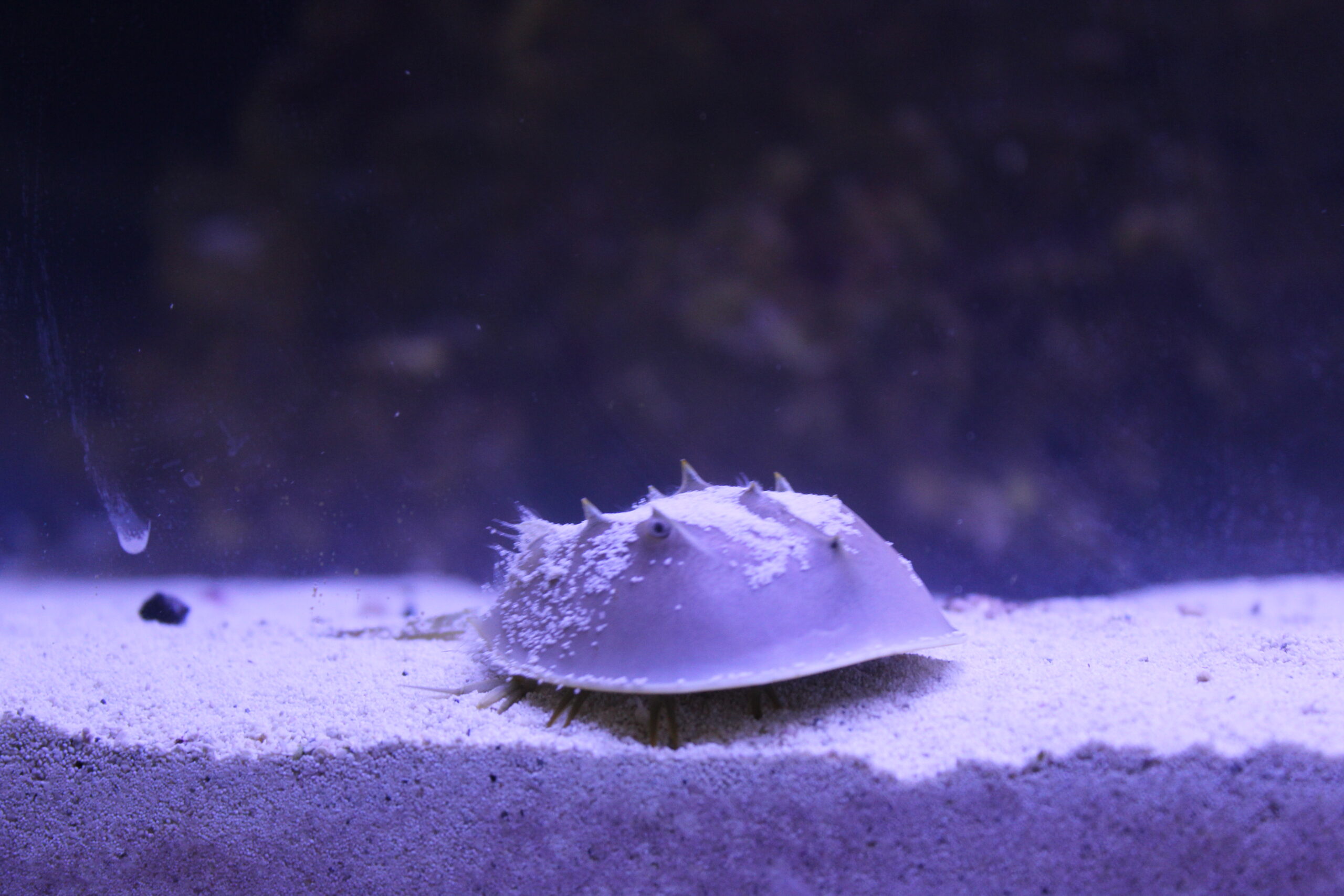
3. Horseshoe crabs aren’t stingrays, arachnids or crabs… So, what are they?
Horseshoe crabs are ancient animals that have existed for more than 450 million years, long before dinosaurs ever roamed the Earth. Though many people mistake them for stingrays, arachnids, or true crabs, horseshoe crabs are arachnids, making them distant cousins of spiders and scorpions. Their long, pointed tail, called a telson,isn’t for stinging. Instead, it’s a handy tool they use to flip themselves over if they get stuck upside down and steer themselves through the water. Their blue blood plays an essential role in modern medicine. It’s used to test vaccines and medical equipment for bacterial contamination, helping to keep people safe worldwide!
4. Our animals don’t like tapping or flash photography
While our aquatic animals are full of surprises, they don’t like surprise lights and vibrations. Tapping on the glass or using flash photography might seem harmless, but to our animals, it can feel like an earthquake or a flashing spotlight. Over time, these vibrations and bursts of light can stress them out, affecting their natural behavior. At Butterfly Pavilion, we like to think of our aquariums as underwater spas calm, quiet, and relaxing. So, when you visit, we ask that you enjoy the view without tapping or using flash. Your favorite aquatic friends will thank you for it.
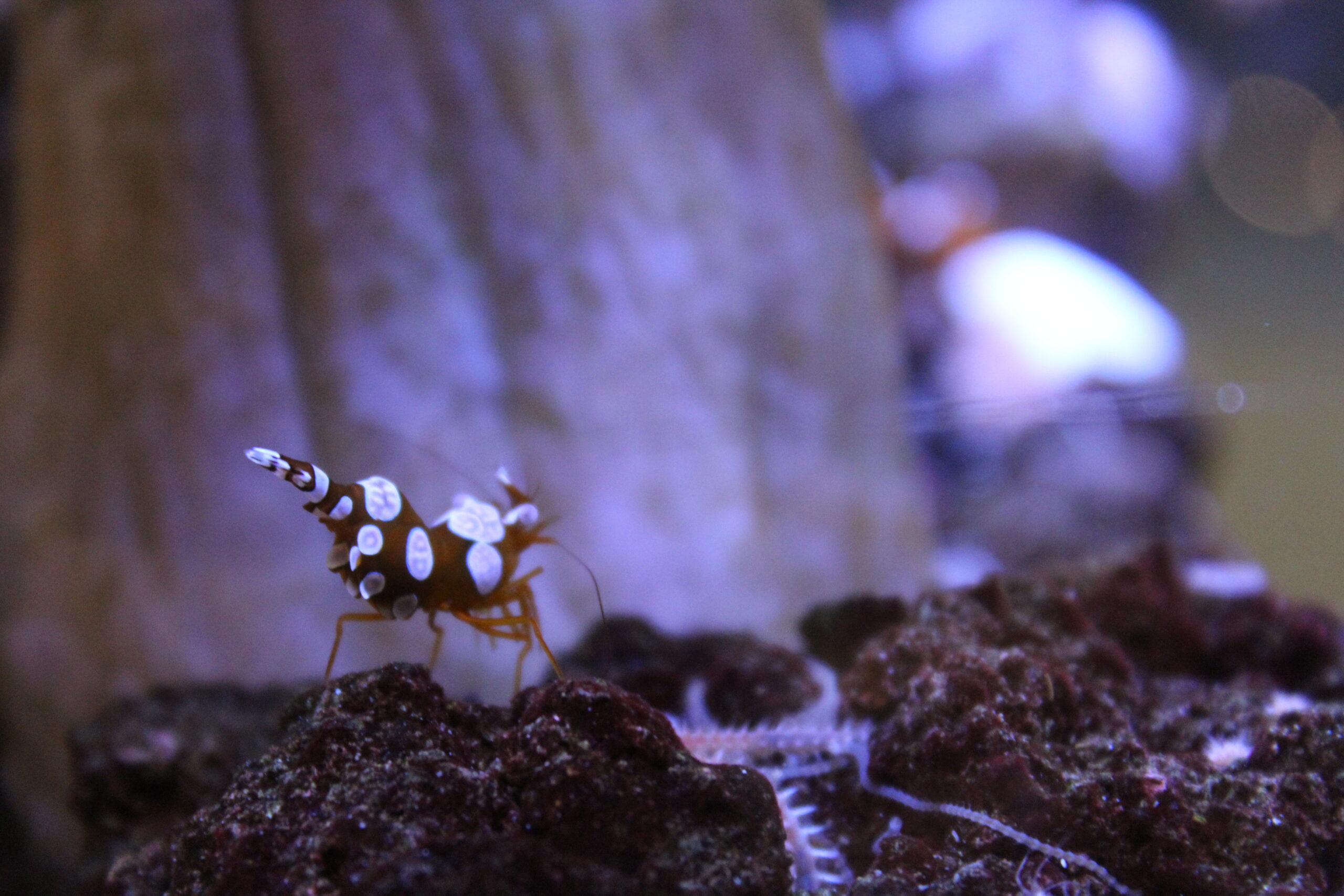
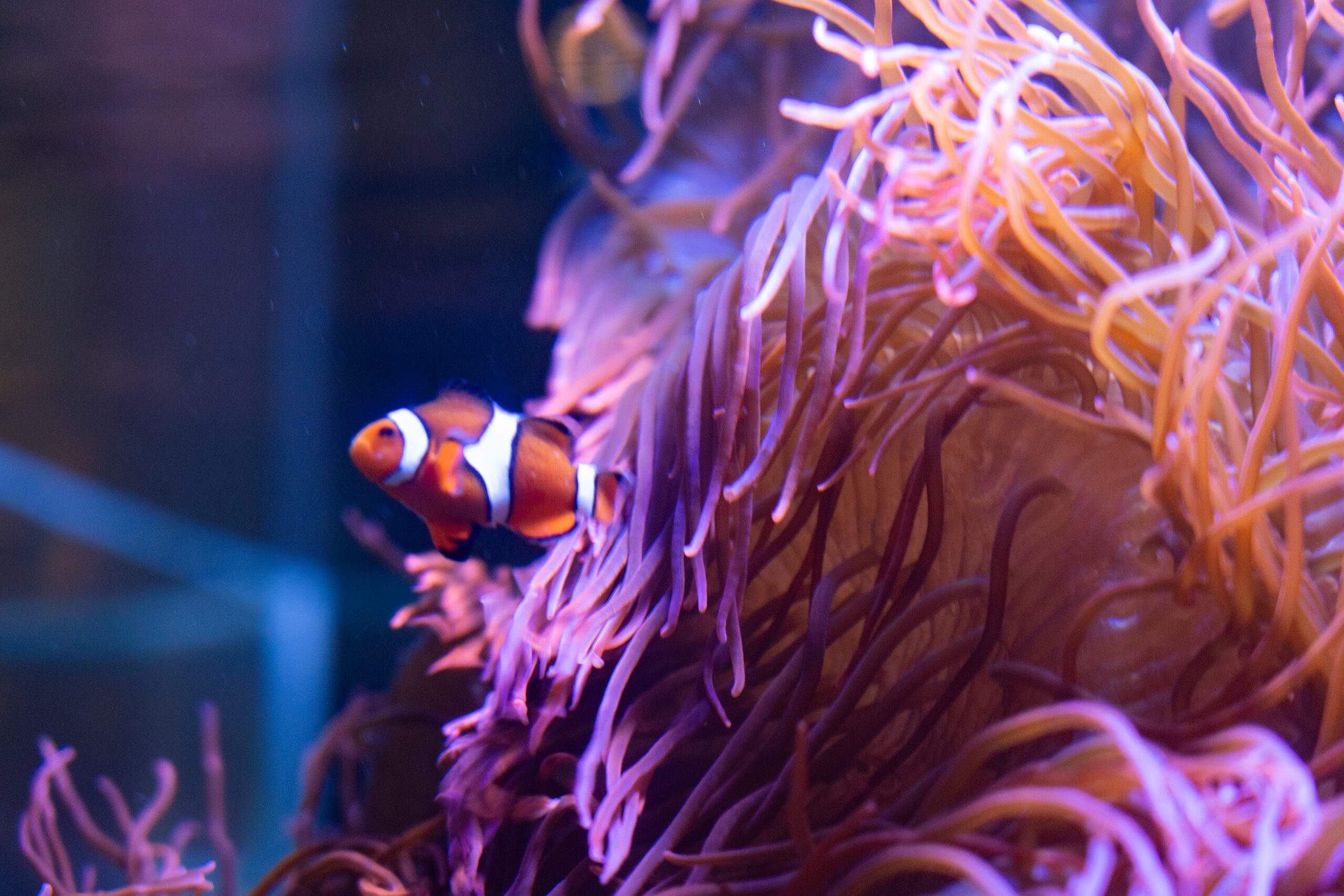
5. Touch tank tips: Use your knuckle, not your finger!
If you’ve ever stopped by our Water’s Edge touch tank, you know it’s a popular hands-on experience for guests of all ages. We encourage you to touch the animals gently using your knuckle like a pirate hook, not your fingertips. This is because using your fingertips can expose the animals to the oils on your skin. Additionally, using your knuckle applies less pressure on the animals and decreases the risk of scratching our animals.
Written by: Carter Chen
A Bold New Chapter: Butterfly Pavilion and Westminster
Unite for the Future
For 30 years, Butterfly Pavilion has been a place where wonder comes to life. Families, students, nature lovers, and curious minds of all ages have walked through our doors in Westminster, Colorado, and discovered a world of tiny creatures with mighty importance.
Today, we’re thrilled to share a transformational moment in our story, a new partnership with the City of Westminster that will expand our home and amplify our mission. Together, we’re launching a bold new chapter that will grow Butterfly Pavilion into a global destination for conservation, education, and awe-inspiring guest experiences.
Why This Matters Now More Than Ever
You might know us as “that place with the butterflies.” But did you know invertebrates, animals without backbones like butterflies, bees, spiders, and corals, make up 97% of all animal species on Earth? These tiny creatures pollinate our crops, recycle our nutrients, build healthy soil, and support life as we know it. Without them, ecosystems would collapse. And yet, invertebrates are often overlooked, understudied, and increasingly at risk.
At Butterfly Pavilion, we’ve spent 30 years making sure that doesn’t happen.
From rearing and breeding endangered fireflies in our lab to restoring habitats for monarchs and pollinators, to leading research and policy change, we’ve become a global voice for nature’s most unsung heroes. But the urgency has never been greater. Climate change, habitat destruction, and pollution are pushing invertebrates to the brink.
That’s why this partnership with the City of Westminster is not just about expanding a building, it’s about expanding our impact.
What’s Happening?
Butterfly Pavilion and the City of Westminster have signed a Letter of Intent, with a goal to grow Butterfly Pavilion into a world-class destination that welcomes more visitors from around the world and strengthens Colorado’s economy, while deepening its impact in the community and beyond.
What does that mean for you? It means:
- New immersive exhibits where you’ll step into living ecosystems and experience the magic of invertebrates up close.
- Cutting-edge research labs where our scientists are making groundbreaking impact on the tiny creatures that rule the world!
- Expanded educational programs to reach even more students, families, and lifelong learners.
- A vibrant community space where conservation becomes action and small wonders lead to big change.
And all of this will remain rooted in Westminster, the place we’ve proudly called home since 1995.
What’s Next?
This is the first step in a larger journey. Planning is already underway to develop a long-term strategy that sets the stage for growth, funding opportunities, and a shared vision to build a renowned institution that serves the community and advances efforts to protect and conserve invertebrates and their habitats.
Invertebrates make up 97% of all animal species on Earth and are essential to healthy ecosystems. They pollinate crops, recycle nutrients, support soil and water systems, and sustain life across the planet. Despite their importance, invertebrates are often overlooked and increasingly at risk. This expansion makes it possible to raise awareness and protect these vital creatures at a time when the planet needs it most.
Stay connected with us for updates, behind-the-scenes stories, and opportunities to get involved. Together, we’ll build a future where invertebrates are celebrated, protected, and understood, not just in Westminster, but across the planet.
Join Us on This Journey
Our 30th anniversary isn’t just a celebration of the past—it’s a call to action for the future. Whether you’re a member, volunteer, donor, or first-time visitor, you are part of this story.
Learn more and support our efforts by clicking here.
Welcoming Our New President and CEO, Ryan Welch: A Transformational Leader for Butterfly Pavilion’s Next Chapter

After an extensive nationwide search, Ryan stood out as a bold changemaker with a passion for protecting the world’s most critical and often overlooked species—invertebrates. With decades of leadership experience a powerful blend of strategic leadership, operational expertise, and nonprofit acumen—shaped by a career rooted in staff development, program innovation, and community-driven fundraising. With experience leading a science-based organization, he brings a deep commitment to mission-driven impact, supported by strong skills in change management, stakeholder engagement, and strategic growth. Ryan is uniquely positioned to guide Butterfly Pavilion into its next era of global influence and organizational excellence.
“I’m honored to join Butterfly Pavilion at such a monumental time in its history. This organization’s mission—to protect invertebrates and inspire the next generation of environmental stewards—is more urgent than ever. I look forward to working alongside this incredible team and community to create a more sustainable future for people and planet.”
— Ryan Welch, President and CEO, Butterfly Pavilion
A Turning Point in Our 30-Year Journey
As Butterfly Pavilion celebrates its 30th anniversary, Ryan arrives at a powerful moment in our story. This milestone year is not only a time to reflect on three decades of wonder, discovery, and global conservation—but also a time to dream boldly about what’s next.
We are deeply grateful to Nathalie Brochu, who stepped in as Butterfly Pavilion’s Interim CEO during this critical period of transition.
With Ryan’s leadership, we’ll continue to expand our impact around the world:
- Advancing cutting-edge invertebrate research and conservation
- Inspiring curiosity and action through transformative science education
- Building sustainable partnerships that protect ecosystems and empower communities
Looking Ahead
Ryan will be a driving force behind Butterfly Pavilion’s future expanded global initiatives, and bold new collaborations. Together, we will deepen our commitment to the tiny giants that keep our planet thriving and the people who are ready to protect them.
Please join us in giving a warm welcome to Ryan Welch! We can’t wait for you to get to know him and be part of this exciting next chapter.
Read more about our new CEO and what’s ahead for Butterfly Pavilion Here
View the Press Release Here
Thank you for standing with us, today and always.
Gift Shop Vendor Highlight – Left Hand Studios
Left Hand Studios is a women-owned jewelry designer, manufacturer, and wholesaler based out of Longmont, CO. They are very mindful about the impact that their processes and products have on customers, the environment, and the economy.
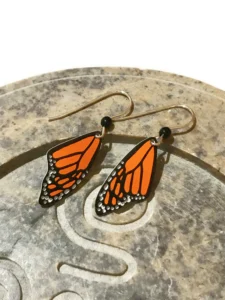
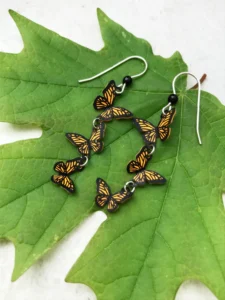
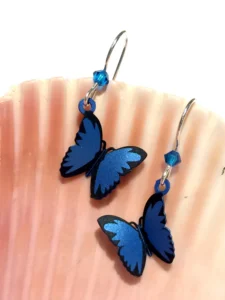
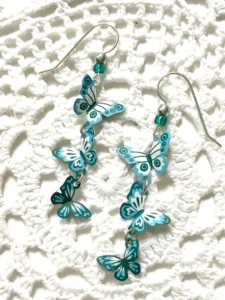
For example, their jewelry is hand crafted in the United States with materials purchased from American companies. They also strategically place products in stores located in small towns or in non-profits, like Butterfly Pavilion, in order to encourage the growth of local economies and mission-based organizations. Furthermore, Left Hand Studios backs up their promise to do their part in protecting our environment with a list of actions that they take/have taken: no harmful chemicals or materials used in production, 100% wind-powered facilities, large volume recycling of all materials that are recyclable, and second-hand/used office furniture is common in their offices.
Shop Left Hand Studios and our large selection of jewelry in-store at Butterfly Pavilion!
Tejiendo Hilos de Cultura: las Arañas en los Mitos y Folklore
A medida que las hojas cambian y los días se acortan, recordamos las intrincadas conexiones de la naturaleza con nuestras vidas. Como mascotas durante la temporada de Halloween, su sorprendente belleza ha encontrado expresión en la literatura y las costumbres, simbolizando la creatividad, la sabiduría y la interconexión. Con este espíritu, celebramos a todos los invertebrados, especialmente a nuestros amigos de ocho patas, por su papel esencial en nuestro ecosistema. A través de historias globales, nuestro objetivo es inspirar a otros a enfrentar su aracnofobia y explorar el extraordinario mundo de las arañas y todo lo que hacen por nuestro planeta. En última instancia, esperamos fomentar una nueva apreciación por estos invertebrados, fomentando una perspectiva llena de asombro en lugar de miedo.
Charlotte’s Web
Las canciones infantiles “Itsy-Bitsy Spider” y “Little Miss Muffet” presentan a muchos niños a las arañas de una manera lúdica, pero pueden fomentar sentimientos de miedo. Por el contrario, Charlette’s Web de E.B. White presenta a Charlotte, una araña de granero, como símbolo de amistad y altruismo. A través de su sabiduría y paciencia, Charlotte reforma la percepción de las arañas, demostrando que las arañas pueden ser aliadas en lugar de enemigas. Esta historia utiliza el ingenio y la inteligencia de una araña para resaltar lecciones importantes sobre la valentía, la compasión y la intrincada naturaleza de la comunicación en las relaciones.
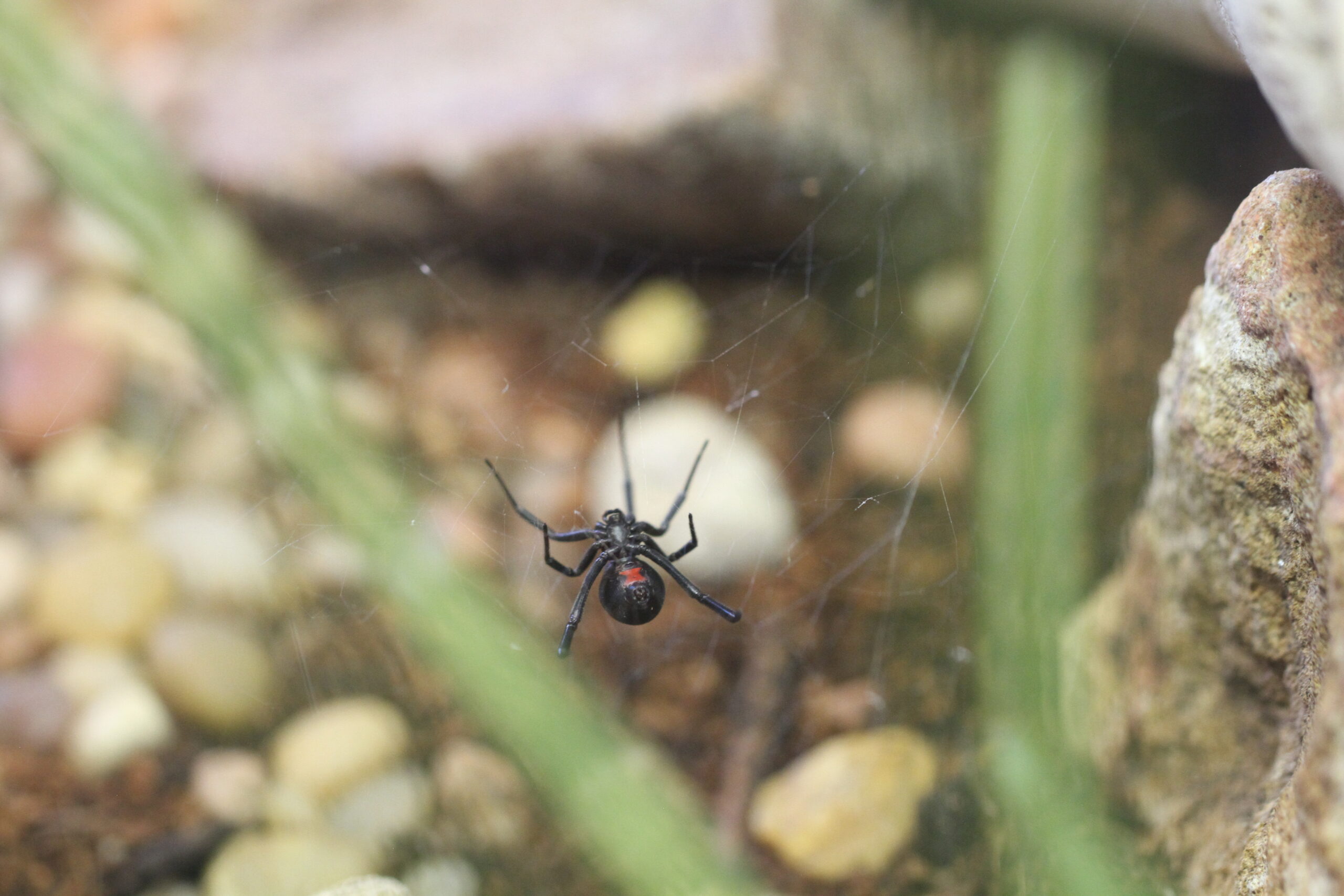
Dato curioso: las viudas negras masculinas y femeninas infundirán en su seda aromas sexualmente específicos que utilizarán para tejer su red. Luego, los machos tocarán diferentes líneas mientras explora la red y, a veces, cortarán diferentes lugares de la red para atrapar a la hembra más cerca de él.
Arachne y Athena: La Primera Araña
El mito de Arachne de la antigua Grecia ilustra la dualidad de las arañas. Arachne, una talentosa tejedora, era conocida por su habilidad excepcional pero también por su orgullo. Su confianza la llevó a desafiar a la diosa de la sabiduría y la artesanía, Athena, a un concurso de tejido. Cuando Arachne triunfó, Athena, enfurecida por su arrogancia, la transformó en araña, condenándola a tejer por la eternidad. Esta historia no sólo nos presenta la “primera araña” literal, sino que también destaca temas de orgullo, humildad y la intrincada naturaleza del arte y la paciencia. El cuento de Arachne nos recuerda que, si bien las arañas pueden verse como símbolos de precaución, también encarnan la belleza y la complejidad de la creación.
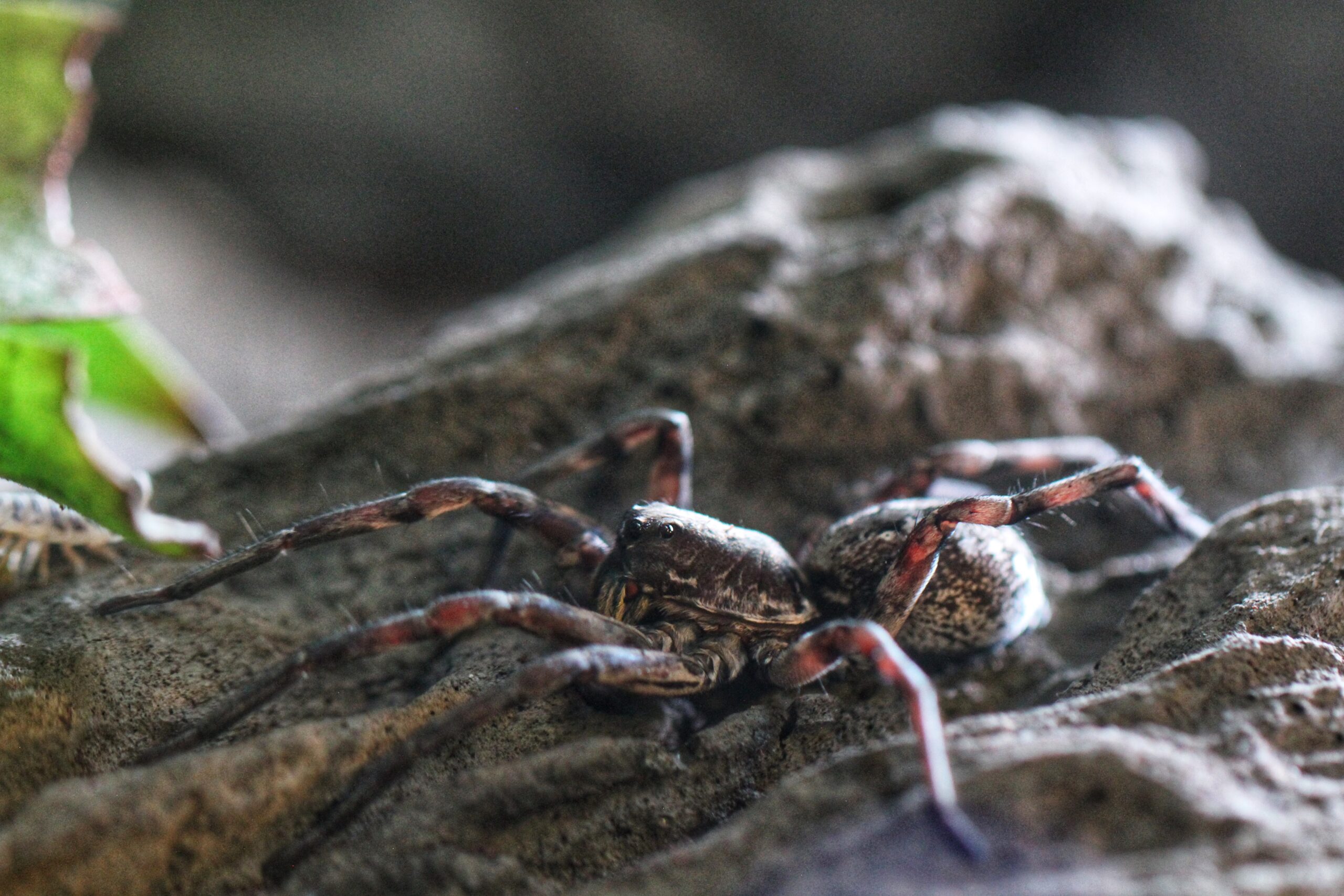
Dato curioso: las arañas lobo reciben su nombre de los lobos porque la mayoría de ellas en realidad no tejen telas. En cambio, persiguen y se abalanzan sobre sus insectos presa, de forma similar a los lobos. Cuando las arañas lobo atrapan a sus presas, las aplastan hasta formar una bola o les inyectan veneno, licuando sus órganos.
El Jorōgumo: Belleza y Peligro
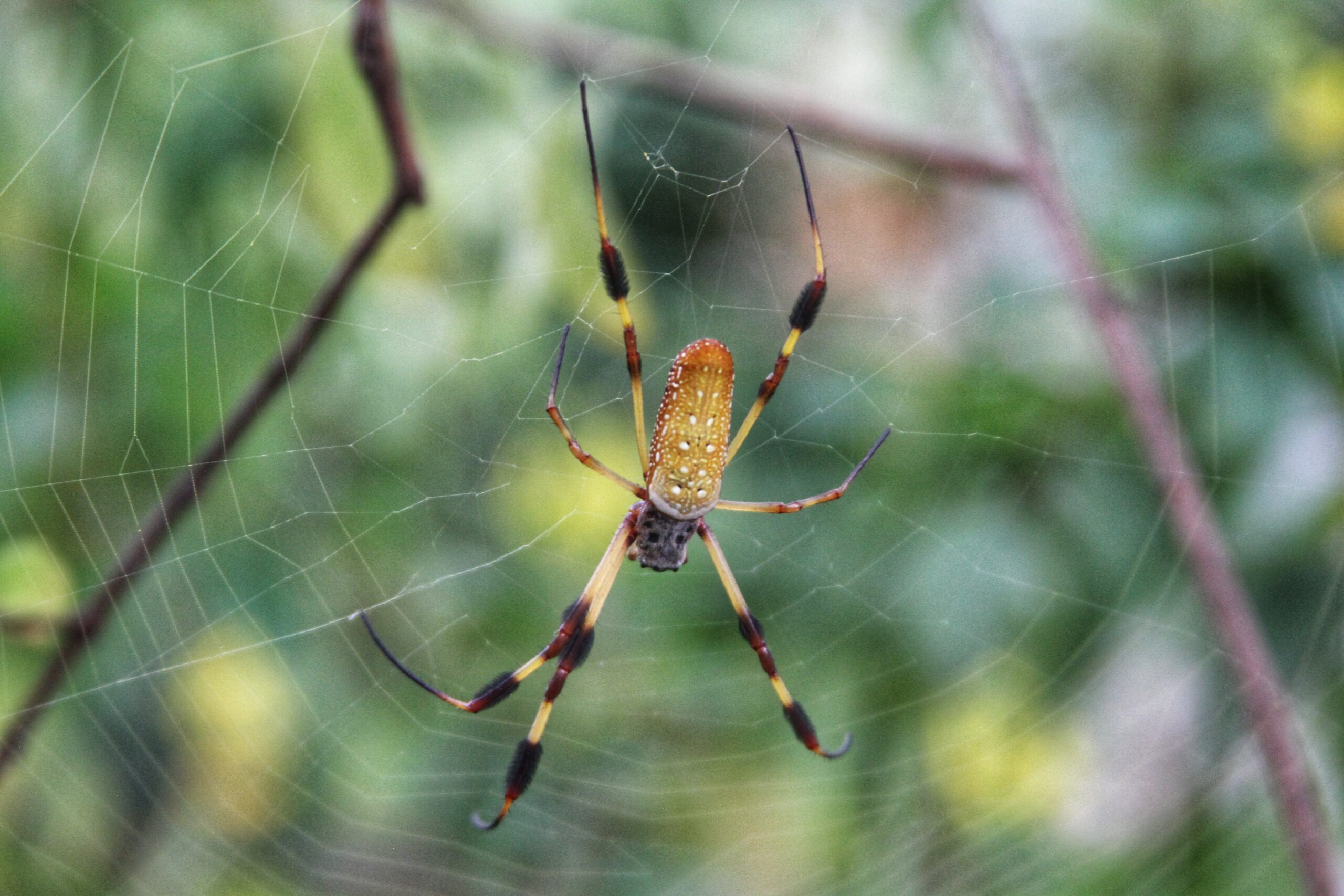
En el folclore Japonés, el Jorōgumo es un fascinante yōkai- una araña gigante que puede transformarse en una hermosa mujer. Al contrario de la historia de Arachne, Jorōgumo se transforma en una forma femenina para encantar y atraer a hombres desprevenidos a sus telarañas mortales. Aunque representa una amenaza, su legado la ha convertido en una figura querida en la literatura, las obras de kabuki y los medios contemporáneos, lo que ilustra la fascinación duradera por las arañas por ser una criatura cautivadora pero calculada.
Dato curioso: la seda de la araña Joro es increíblemente fuerte y se ha utilizado tradicionalmente en Japón para fabricar textiles como redes de pesca. Sus llamativos patrones amarillos y negros y sus marcas rojas los hacen bastante distintos.
Wati Wanka: La Araña como Sanadora
Wati Wanka, el “hombre araña”, es una figura importante de la cultura y el folclore Aborigen Australiano. Venerado como poderoso y sabio, Wati Wanka se asocia con la curación y la espiritualidad. A través de la narración, las arañas de la cultura Aborigen Australiana representan lecciones vitales sobre la conexión entre las personas y la naturaleza. Información proporcionada por Dr. Zuleyka Zevallos. Obtenga más información en OtherSociologist.com Dato curioso: Históricamente, las tarántulas mexicanas de Red Rump se han utilizado por su veneno como recurso para tratar diversos problemas de salud. Utilizada en las medicinas tradicionales del pueblo Maya Ch’ol en el sureste de México, los curanderos mataban a la araña y luego la trituraban hasta convertirla en polvo para mezclarla con otros ingredientes. Luego se bebió el líquido colado. Hoy en día, se está investigando el péptido venenoso GsMtx-4 para el posible tratamiento de la arritmia cardíaca, la distrofia muscular y el glioma.
Ananse: El Embaucador y el Narrador
El folclore de África occidental nos presenta a un querido personaje araña, Ananse. Ananse, conocido como un astuto embaucador y narrador, utiliza su inteligencia para burlar a los animales más fuertes, impartiendo valiosas lecciones de vida. El nombre “Ananse” en sí significa “araña” en el idioma Akan de Ghana.
Dato curioso: algunas arañas, incluida la Araña de Tela en Embudo Australiana, se involucran en una catalepsia en la que las arañas hembra se hacen las muertas para parecer menos amenazantes para sus parejas. Debido a que muchas especies de arañas practican el canibalismo sexual, quedarse inmóviles con las patas curvadas hace que los machos estén más dispuestos a acercarse a las hembras. —-Como controladoras naturales de plagas, las arañas desempeñan un papel vital en el mantenimiento del equilibrio de la naturaleza, consumiendo insectos que de otro modo podrían abrumar los cultivos y los hogares. Desde los cuentos antiguos hasta la literatura moderna, las arañas se han convertido en símbolos de creatividad, inteligencia e interconexión- hilos tejidos en el rico tapiz de la cultura humana. Ya sea que se las represente como embaucadoras, curanderas o sabias compañeras, las arañas son celebradas a lo largo de la historia en nuestras narrativas culturales, enseñándonos valiosas lecciones sobre la humildad, la paciencia y la intrincada red de la vida. Apreciemos la belleza y la complejidad de las arañas mientras exploramos estas narrativas reflejadas en nuestras identidades sociales y culturales. Para descubrir más sobre estos extraordinarios arácnidos, visite https://butterflies.org/spidersaroundtheworld/. Escrita por Jenna Springberg
The Ketambe Butterfly Farm
A project more than ten years in the making, the Ketambe Butterfly Farm is now helping to protect Sumatra’s ecosystems and communities.
The Sumatran ecosystem is in danger, and butterflies are helping save it. The largest island within Indonesian territory, Sumatra, is home to Sumatran tigers, rhinos, orangutans, Bornean elephants, thousands of native plant species, and even more incredible invertebrate species. Deforestation, poaching, and industrialization threaten to erase Sumatra’s native flora and fauna. In 2019, Butterfly Pavilion launched the Ketambe Butterfly Farm in the small city of Ketambe, Indonesia. More than ten years in the making, this project is moving to protect endangered species, protect Sumatra’s ecosystems, and support local culture. Building Ketambe was not easy. More than ten years ago, it started as nothing more than a dream. Butterfly Pavilion partnered with Wildlife Protection Solutions and Leuser Conservation Form in Indonesia to make our dream a reality. After working with the Indonesian Government, the Ministry of Environment, and various stakeholders, Butterfly Pavilion finally purchased the land and began building. The Ketambe Butterfly Farm sustainably raises butterflies for Association of Zoos and Aquariums accredited zoos. This lessens the demand for wild-caught butterflies and creates jobs for the local population. By selling chrysalises, the butterfly farm raises money to invest in research, minimize threats to Sumatran wildlife, and provide community resources. For example, funds produced by the farm have been used to hire more rangers to prevent wildlife from being poached. Proceeds have also been used to fund wildlife surveys that collect important data needed for conservation efforts.
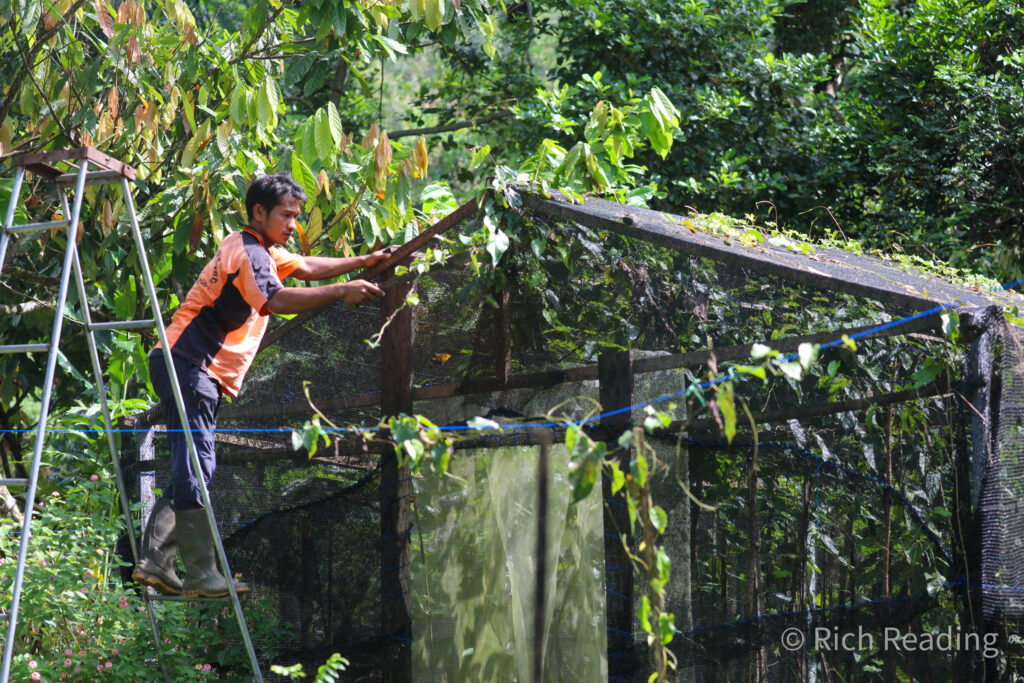
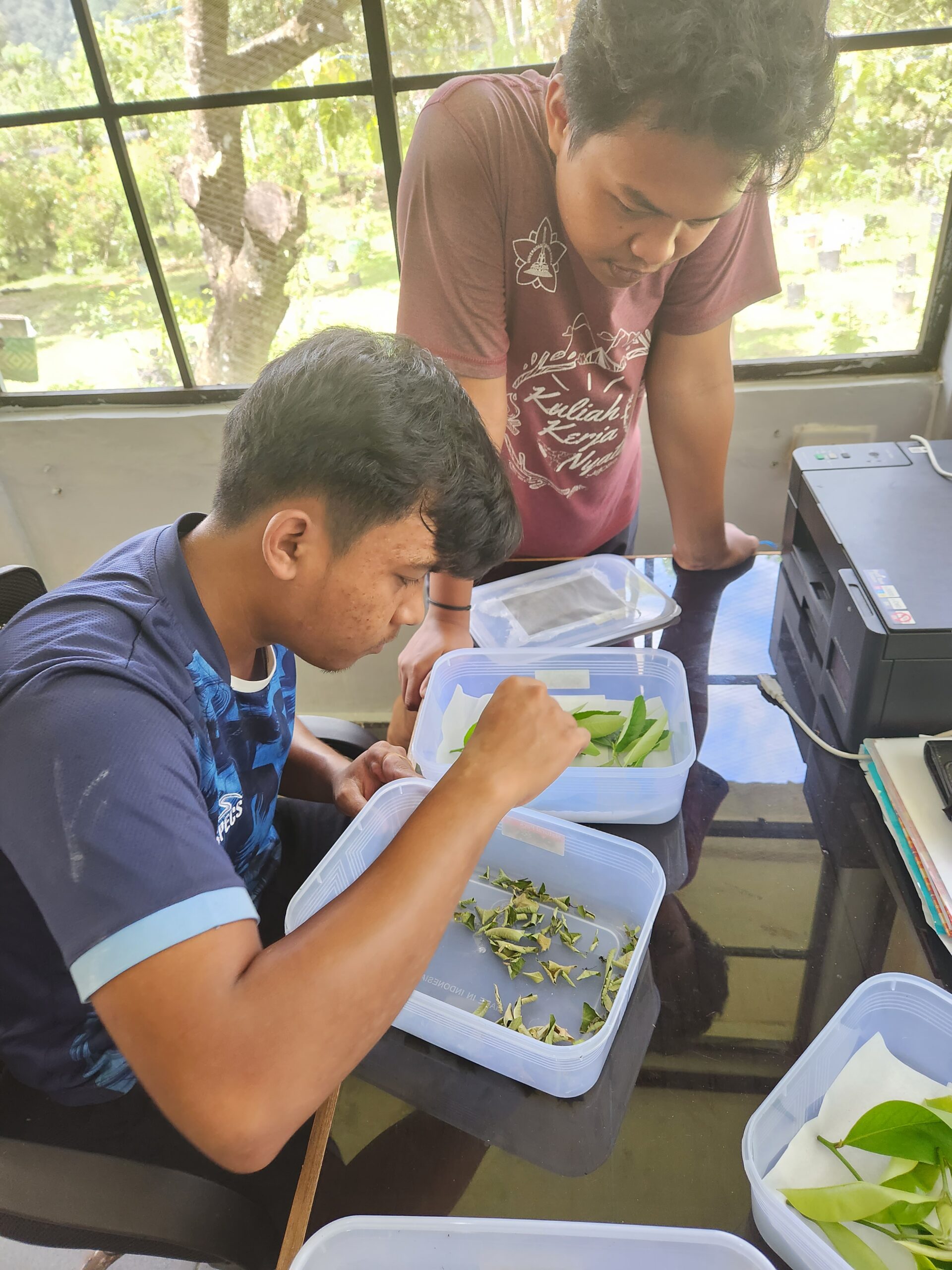
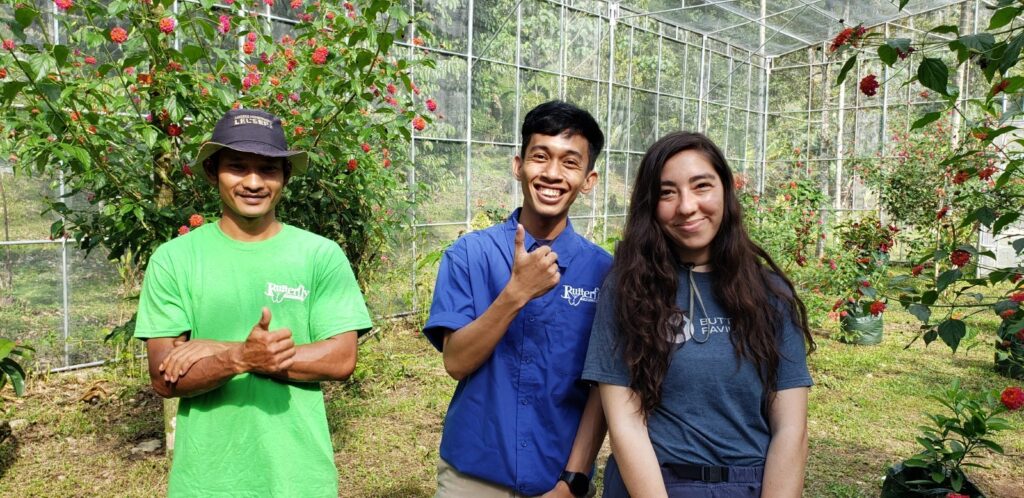
Shiran Hershcovich, Butterfly Pavilion’s Lepidopterist Manager, recently visited the Ketambe Butterfly Farm. It was her fourth visit to the farm over her last three years with Butterfly Pavilion. Shiran visits the Butterfly Farm to help train employees, specifically in butterfly breeding and research. This ensures that the butterflies raised there are healthy and promotes overall welfare and sound science at the farm. Butterflies are severely understudied, and projects like the Ketambe Butterfly Farm provide opportunities for scientists worldwide to understand just how vital these creatures are. However, the benefits do not stop at the boundaries of Indonesia. Each chrysalis sold has a butterfly that will emerge and serve as an ambassador for its species. The general public can observe and connect with a butterfly they would never see in person if not in Sumatra. At Butterfly Pavilion, each chrysalis that arrives at our butterfly house is hung in the chrysalis room so that guests can witness the miracle of butterfly emergence. Guests learn about where the butterfly came from, its role in the Sumatran ecosystem, and why it is worth saving. As Shiran says, Sumatra is home to many amazing species of butterflies that have not been seen in butterfly houses, like Butterfly Pavilion. Bringing these new species in opens up more opportunities for outreach, conservation, and stories previously untold. Shiran has a vision for Ketambe. She dreams it will be a jumping-off point for invertebrate research in Sumatra. Invertebrates are vastly understudied worldwide and commonly fall by the wayside compared to vertebrate research. The Ketambe Butterfly Farm will create sustainable livelihoods for locals and protect Sumatra’s threatened ecosystems. Shiran states that everyone involved in the project is a stakeholder in the conservation of native wildlife, and by continuing to understand invertebrates, everyone can begin to make a difference in the lives of these crucial animals. We depend on invertebrates for life-sustaining ecosystem services like pollination, and so do people from all over the world. Protecting invertebrate cultures does not just support a healthy ecosystem, but also supports the livelihoods of local populations.
Finally, Shiran shared a story from her last visit with us. As she was leaving the butterfly farm, she walked down the road and looked up to see an orangutan. She recalled what a special experience it was to support and conserve such a magical environment where one can go from seeing colorful butterflies to majestic orangutans within a few steps of each other. This breathtaking encounter can remind us about the interconnectivity of life. Orangutans spend most of their lives in trees to avoid predation, and their diet consists of invertebrates, fruit, and vegetation. Invertebrates pollinate most of the fruit and vegetation that orangutans use as shelter and sustenance. In turn, orangutans disperse the seeds of any vegetation they eat, which eventually grow to become food and shelter for invertebrates. We cannot have one without the other; every action toward conserving one form of life saves another. If you see the value of invertebrate research and want to support Butterfly Pavilion’s international projects, consider becoming a donor. Every donation supports our conservation and research efforts at home and around the globe. Please visit the link below to learn more about Butterfly Pavilion’s international efforts.
When you hear the word pollinator, you most likely envision a bee. Bees are the most well-known pollinator, and for good reason. More than 4,000 species of bees are in the U.S., and they all facilitate pollination.
Bees feed on nectar and pollen, and in the process of foraging for these food items, pollinate many of our favorite plants, such as orchids, blueberries, and almonds. Honey bees (Apis mellifera) are commonly seen in urban areas and are one the most known bee species. Honey bees are great for pollinating agricultural crops we depend on, like apples, squash, broccoli, and melons. However, they are not a substitute for native pollinators that pollinate plant life in our natural ecosystems. Most honey bee species live together in a colony of about 80,000 individuals. One honey bee colony can pollinate up to 300 million flowers in one day! How are honey bee colonies able to efficiently keep their hives alive and pollinate 30% of all crops grown around the world? You may say it’s because of their “hive mind,” but it’s actually through communication and organization. Honey bees are social insects, meaning they live in large colonies, communicate efficiently with one another, and have a well-organized family structure. Honey bees communicate through body movements and pheromones. They have an advanced social structure known as a eusocial society with three distinct features. The first is cooperative brood care; offspring are cared for by the hive, regardless of parentage. The second trait is overlapping generations; many bees will work and live in the hive while their parents are still alive. Finally, there is a division of labor based on reproduction. Many bees in the hive cannot reproduce, so they spend their energy completing daily tasks to keep the hive thriving instead. To divvy up labor, each bee is born into a specific role. Bee hives have three types of adults: queens, drones, and workers. Each colony has only one queen bee whose primary responsibility is to lay eggs. The queen bee can lay up to 1,500 eggs a day! She will lay unfertilized eggs that will become workers and fertilized eggs that become drones. Queen bees are large and have an elongated abdomen compared to their bee subjects. Queen bees are fed royal jelly, a thick secretion packed with protein and essential antioxidants. Other hive members are fed royal jelly as larvae for a short period, but queens exclusively eat royal jelly. Other colony members eat honey and ‘bee bread’, a mixture of pollen, nectar, and bee saliva packed tightly together. Queen bees usually live for about 2-4 years but can live up to 5. A hive will know when a queen dies because they will no longer sense her pheromones. To replace her, they encase eggs into queen cells. Queen cells are different from the usual cells that larvae are kept in; they are more protruding and surrounded by royal jelly. This overload of royal jelly ensures that the larvae have fully developed ovaries for egg-laying. Whichever larva emerges first is the new queen. This new queen will travel to mate with drones away from the colony for the afternoon, then return to the hive to begin laying eggs in cells. The second type of bee is a drone. Drone bees are the only males in the colony and have the sole job of mating with the queen. Drones are the largest bees in the colony and have eyes that meet at the top of their large head. They can leave the hive but have no stinger for protection or pollen basket to collect pollen. On average, drones live for 1-2 months because they die after mating with the queen. Drones eat three times as much food as worker bees, meaning that an excess number of drones in a colony can put stress on everyone else. Drones are kicked out of the hive when resources become scarce during the fall and winter months. The third type of bee is a worker bee. Worker bees are all female and the smallest bees in the colony. They have a stinger for protection since they travel outside the hive and pollen baskets on their hind legs for pollen collection. They complete every task needed to sustain the queen, her drones, and other worker bees. Worker bees have different tasks depending on how old they are. Workers that are 1-10 days old tend to the queen and her offspring at the center of the hive. When they reach 10-20 days of age, they work throughout the hive to groom and feed others. Between 20 and 30 days of age, they move further out, storing nectar and packing pollen. Finally, after one month of life, they begin to work outside the hive, foraging for food, defending the perimeter, and removing dead bees from the hive. The intricacy of honey bee society is astounding. They are highly organized, and every hive member has a role. It’s easy for us to assume that tiny invertebrates like bees lead simple lives, but in many cases, they have advanced adaptations that help them thrive on Earth.
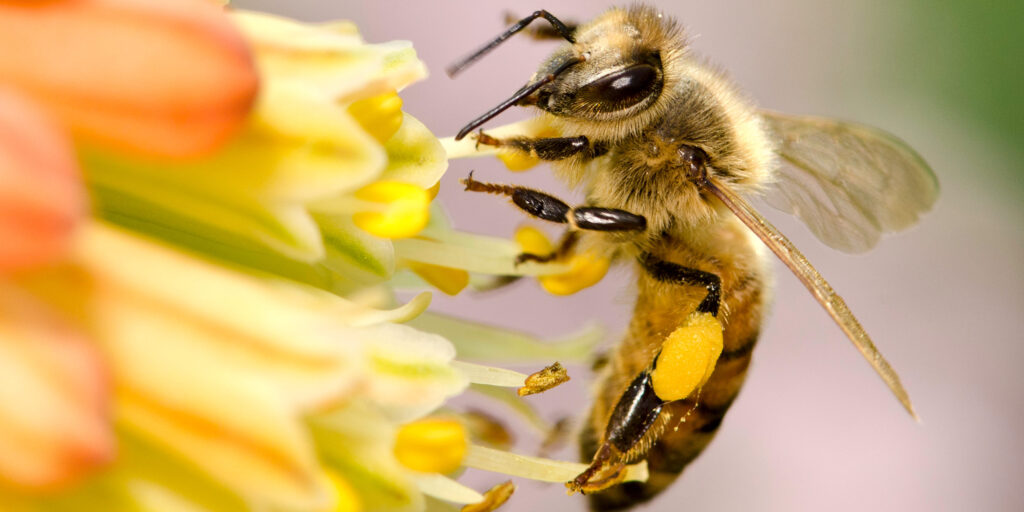
Can you tell what kind of honey bee this is?
Hint: the yellow globs on its hind legs are full pollen baskets!
Written by Celena Romero
As summer begins, you may be on the lookout for your least favorite outdoor picnic guest: the wasp. Wasps don’t have the best reputation, and much of it is due to a lack of understanding. However, wasps are important pollinators and pest control agents and even help produce food items we enjoy! Wasps and bees are both members of the order Hymenoptera. They often get confused for one another, which is no surprise considering that bees evolved from wasps 120 million years ago. Wasps began as carnivorous invertebrates that fed on other insects. Over time, some wasps began consuming pollen as a food source. Those that used pollen as a source of energy evolved into bees and diversified quickly. Melittosphex burmensis is one of the first transitionary forms between bees and wasps. Melitta is a form of the Greek word for “honey bee,” and Sphex translates to “wasp.” Although wasps and bees have a shared lineage, there are some key differences between the two. Bees are known for being round and fuzzy, while wasps are slender and, for the most part, hairless. There are three common types of wasp species: social, solitary, and parasitoid. You may be most familiar with yellowjackets, hornets, and paper wasps. These are all examples of social wasp species. Like bees and ants, they have a queen and many other workers that carry out the daily operations of the colony. Social wasps have an allegiance to their hive and often try to hide their homes for protection. For this reason, we often stumble upon wasp nests by accident, which can lead to an unpleasant experience for both us and the wasps. Hornet and paper wasps create hives by chewing up wood and plant fibers to make a paper-like material. Paper wasp nests are cone-like and hang from a singular stem. They typically build nests on roof overhangs to avoid rain and predators. Hornets build spherical and large paper nests high in trees to avoid predation, and yellow jackets build their colonies underground. Yellow jackets, in particular, are scavengers, meaning they eat almost anything. Regularly emptying your outdoor trash receptacles and using trash cans with closing lids can keep them away. Another way to deter wasps is to keep peppermint oil handy; they avoid this scent. If a nest was removed from your property, clean the area with peppermint oil to prevent another colony from moving in. Are wasps good for anything besides stinging? Yes, wasps are pollinators, just like their bee relatives! Wasp diets vary depending on the species, but most wasps eat other insects as larvae and feed on sugar as adults. Unlike bees, wasps do not have a proboscis to sip up nectar; they have mouthparts for chewing food for their young. For this reason, wasps typically visit flowers that make nectar easily accessible. In the process, they end up picking pollen and dispersing it. A good way to benefit from wasp pollination and avoid unwanted encounters is to have flowering plants at least 6 inches away from areas where people frequent. Other wasp species have a mutualistic relationship with the plants they use as food sources. About 1,000 species of fig trees depend on fig wasps for reproduction. Fig trees have no outer flowers for pollination; they have tiny flowers inside their fruit that carry pollen. A female fig wasp will burrow into a fig to lay her eggs, and after laying the eggs, she dies inside the fig. The wasp larvae grow inside of the fig fruit, collecting pollen in the process. Male fig wasps are small and wingless, while females are large with wings. Males mate with females inside the fig and then die. Then, the fertilized females move out to find a fig to lay their eggs in. Once they enter the fig, they disperse pollen, and the cycle repeats. But don’t worry, you aren’t eating wasps when you take a bite out of a fig. Figs have an enzyme that completely breaks down and digests wasps inside of them before ripening for eating. Wasps also help with pest control. Every tomato gardener’s worst nightmare is a tomato hornworm. Tomato hornworms are the caterpillar form of the Five-spot hawk moth (Manduca quinquemaculata), and their favorite food is your tomato crops. Wasps often hunt caterpillars for food and help keep their populations in check. Caterpillars are good to have in your garden because they will grow to become pollinators, but too many caterpillars could lead to garden destruction. The Mexican Honey Wasp (Brachygastra mellifica) is a triple threat—in a good way. It helps pollinate avocados, controls pest species, and is one of the few wasp species that produces honey! Understanding the diversity of wasp species and what they contribute to our planet can help us better appreciate these misunderstood invertebrates. Most wasp species pose no stinging threat, and easy ways to coexist with wasp species that do sting. Cultivating biodiversity in our gardens welcomes predator and parasitoid species like wasps that help keep the pest populations low and pollination rates high.
Written by Celena Romero