
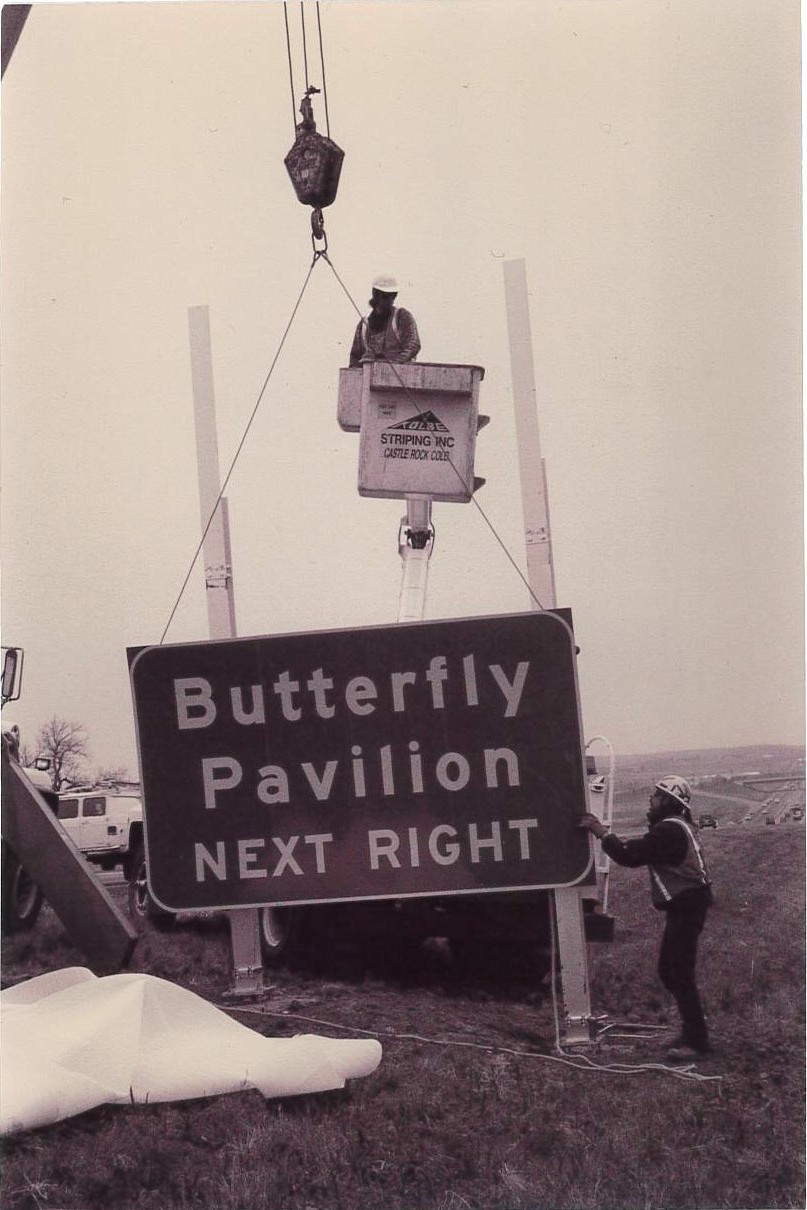
In 1995, Butterfly Pavilion opened its doors for the first time. What followed was three decades of groundbreaking research, conservation, and education aimed at protecting the most essential creatures on Earth: invertebrates. Despite making up 97% of all known animal species on earth and forming the foundation of nature’s ecosystems, invertebrates are being faced with habitat loss, climate change, and harmful pesticides that threaten their numbers. At Butterfly Pavilion, our mission has always been to find tangible solutions to this ‘invertebrate apocalypse.” The Rocky Mountain Butterfly Consortium was established in 1990, and it only took a few short years to open the nation’s first freestanding butterfly house. With Water’s Edge opening in 1998, a 13,000 square ft. expansion in 2004, and the Dee Lidvall Discovery Garden in 2007, Butterfly Pavilion has evolved into the world’s first Association of Zoos and Aquariums (AZA)-accredited nonprofit, standalone invertebrate zoo with an inspiring legacy.

Throughout the years, Butterfly Pavilion has participated in a large scope of collaborations and initiatives, ranging from rearing fireflies in Colorado to bee fencing for mitigating human-elephant conflict in Tanzania. In 2018, we were at the forefront of a national coral rescue project in the Florida Reef Tract. Our collaborations include improving tarantula survival with the Colorado Department of Transportation and we even had a one-time consultation for NASA’s “Butterflies and Spiders in Space” experiment, not to mention the popular partnership with Colorado State University aimed at capitalizing on resources for aspiring scientists. Community engagement is a tenet of Butterfly Pavilion’s philosophy; over 60,000 students annually immerse themselves in field trips, camps, and virtual learning opportunities that aim to educate and inspire the next generation of scientists. But for those who already have careers and adult lives, Butterfly Pavilion has ways to get involved including our adult program series with rainforest yoga, workshops, lectures and after-hour events. Community science offers additional opportunities to help Butterfly Pavilion scientists collect important data and restore open spaces in Colorado. Butterfly monitoring with the Colorado Butterfly Monitoring Network, one of our community science programs, is an accessible and interesting way to get involved in invertebrate conservation by observing, monitoring, and identifying butterfly populations in Colorado. Our Urban Prairies Project is another program that provides an easy way for community members to participate in hands-on restoration, data collection, and community outreach. With interactive exhibits, programs, and events, Butterfly Pavilion maintains its commitment to research, conservation, and education within and beyond local communities.
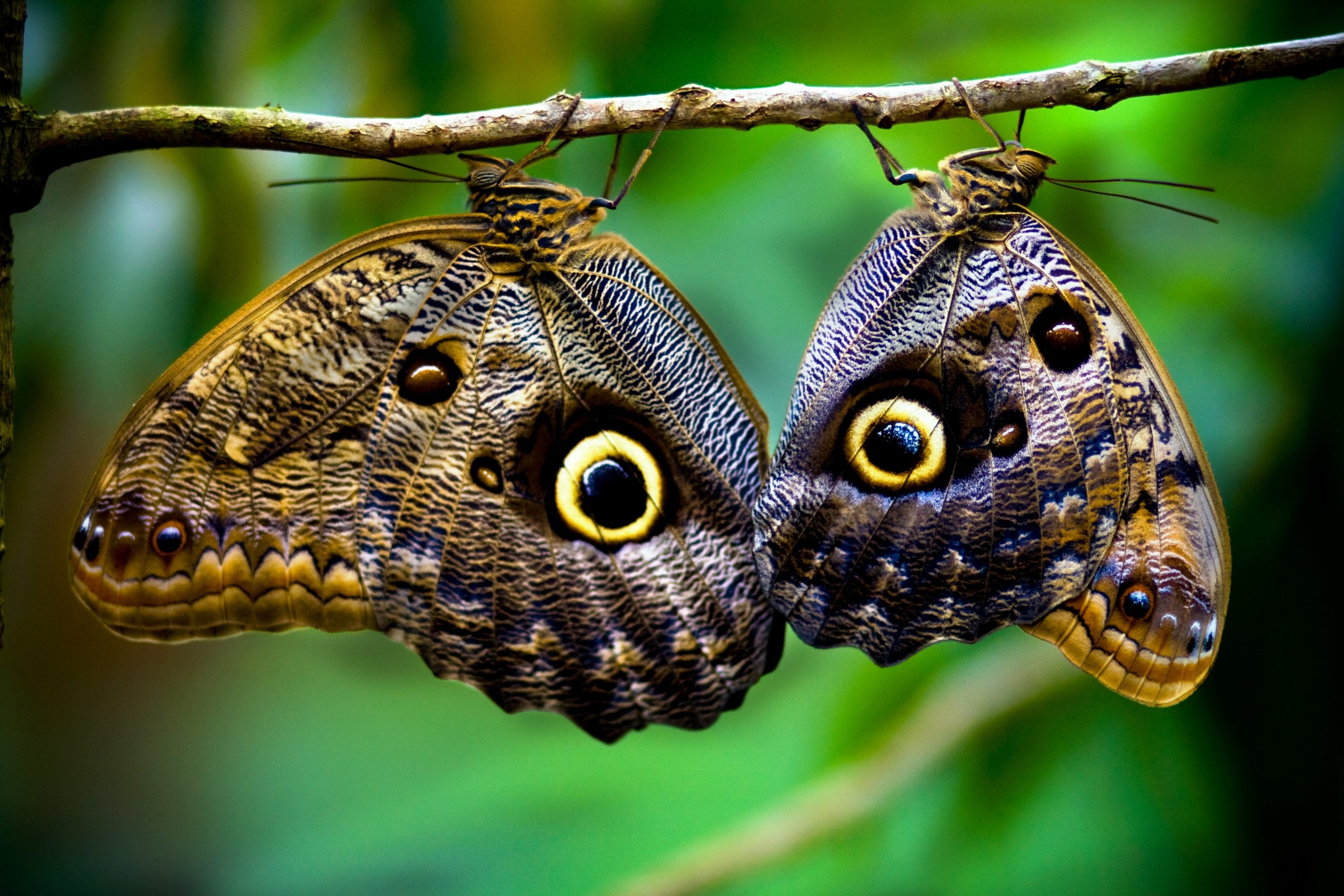
Butterfly Pavilion’s wonderful community has long supported our mission with donations, volunteer time, and participation in the wide variety of events we design to explore the inner worlds of our most fascinating creatures. However, our mission does not stop here: we are just getting started. With new exhibits like Legacies: Invertebrates of Mexico opening on March 15, 2025 and a global conservation effort in partnership with the government of Mexico thanks to an AZA grant, Butterfly Pavilion is looking to the next years’ potential for expansion and conservational development. Butterfly Ball Colorado, Spiders Around the World, Monarch Magic, and other recurring annual events are staples in our mission and will continue to be a key part of community outreach. Honoring the importance of these creatures and their cultural significance, beyond their contributions to the ecosystems they inhabit, can take shape in many different avenues, and here at Butterfly Pavilion we remain committed to pioneering invertebrate, research, and education.
From winter’s expansive views to summer’s bountiful blooms, Butterfly Pavilion’s outdoor gardens offer new and seasonal experiences throughout the year. The hundreds of plant and animal species that call our ten acres home are key to these experiences. Since our outdoor gardens are designed and maintained to provide habitat for invertebrates and other wildlife, the horticulture team evaluates them each year to understand how we can improve their conditions in our region. This year and every year, the garden teaches us many lessons – here are some of our observations from 2024.
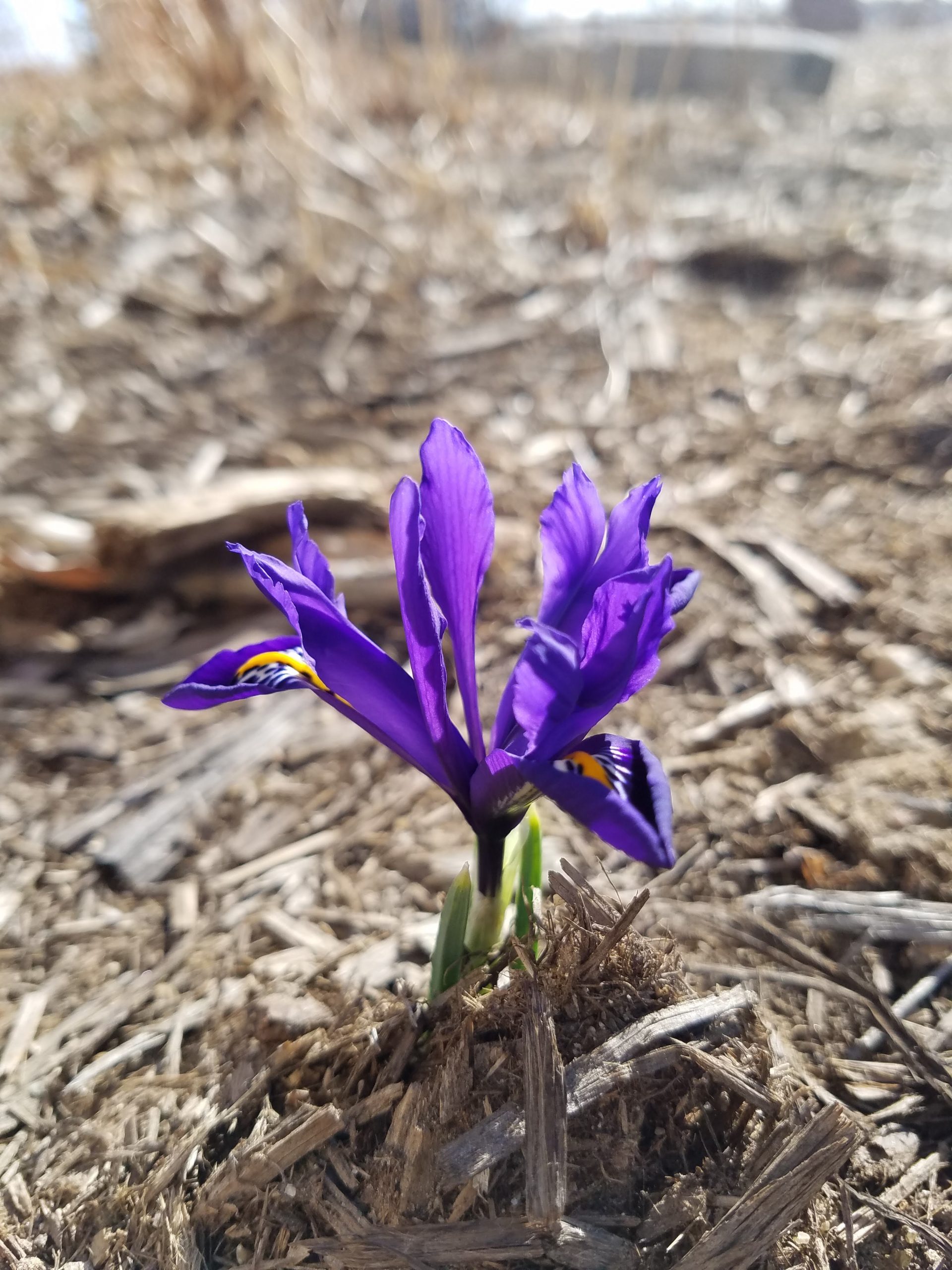
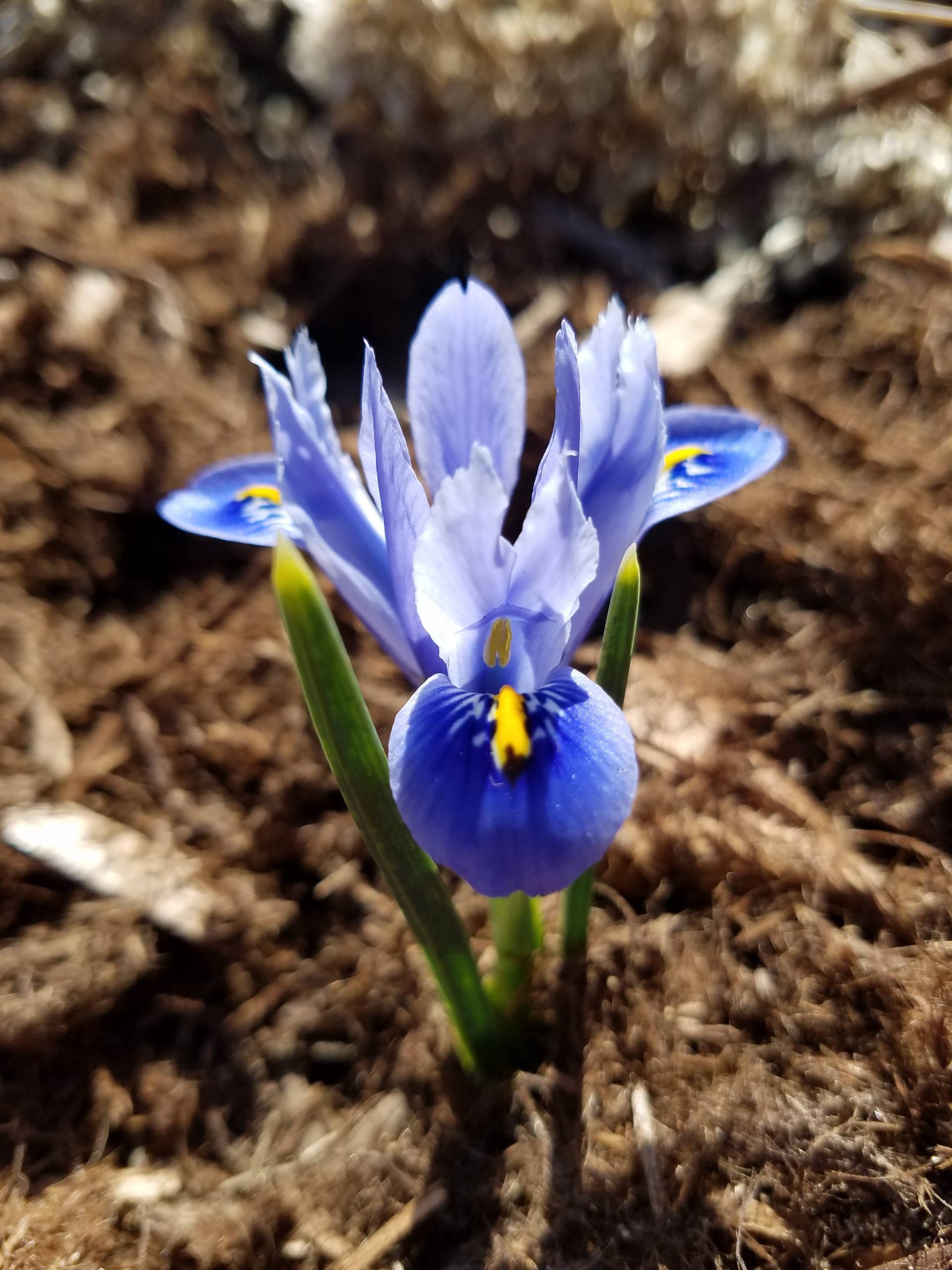
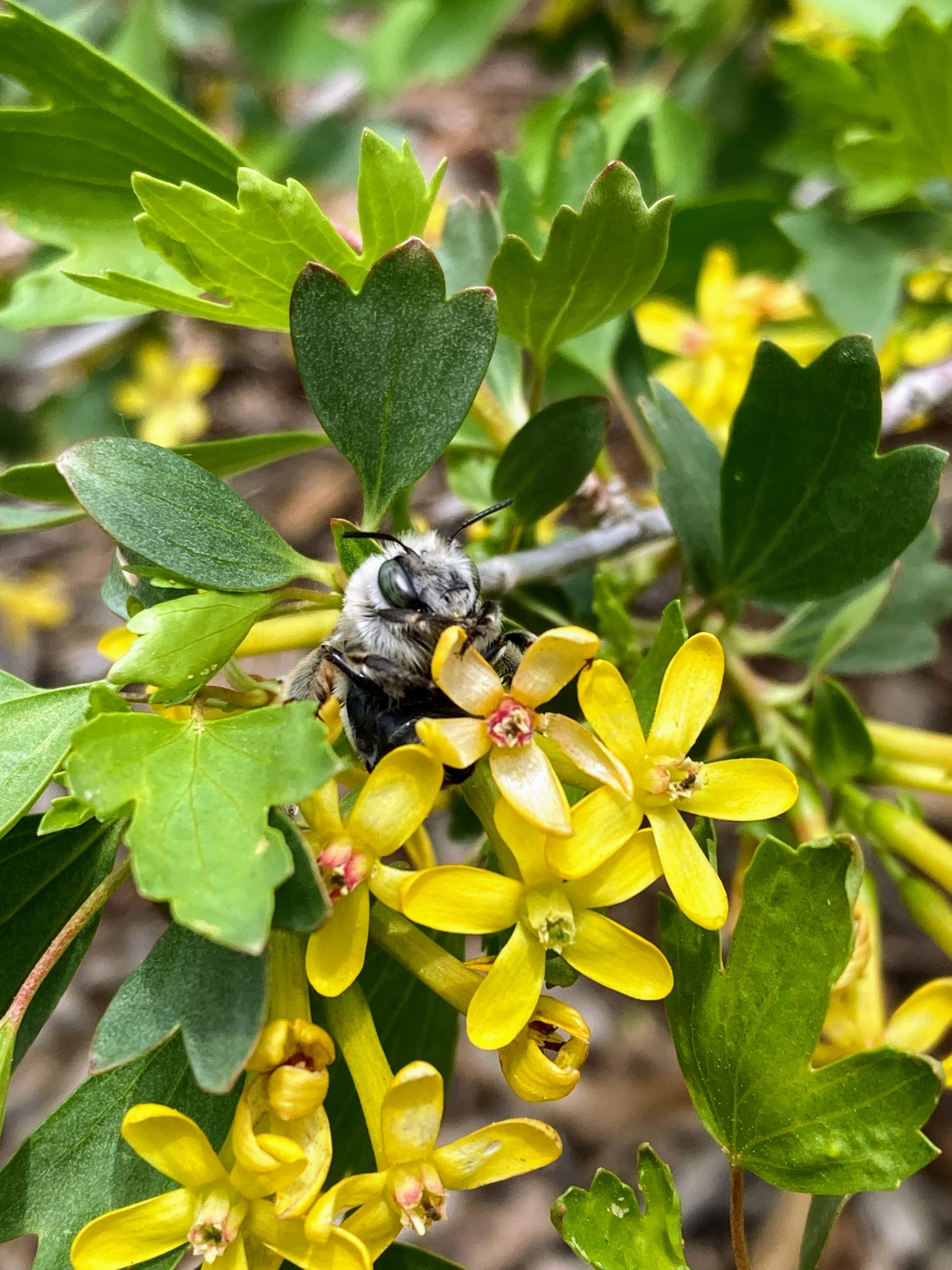
Many of us picture gardens as bare for half the year, but in 2024, the garden’s first blooming plants, snowdrops (Galanthus spp.) and dwarf iris (Iris reticulata) started the color parade on February 14th, just in time to show our resident honey bee colonies some love. Our gardens then bloomed consistently all the way until November 11th with native asters and rabbitbrush (Ericameria spp.). Butterfly Pavilion’s horticulture staff works hard to feature early and late blooming plants to support pollinators during times of year when resources are sparse. Early pollinators at Butterfly Pavilion rely on plants such as Oregon grape (Mahonia repens), chokecherry (Prunus virginiana), golden currant (Ribes aureum), and catmint (Nepeta spp.), while late pollinators visit our Maximilian sunflowers (Helianthus maximilianii), rabbitbrush, tansyasters (Machaeranthera canescens), and pitcher sage (Salvia azurea).

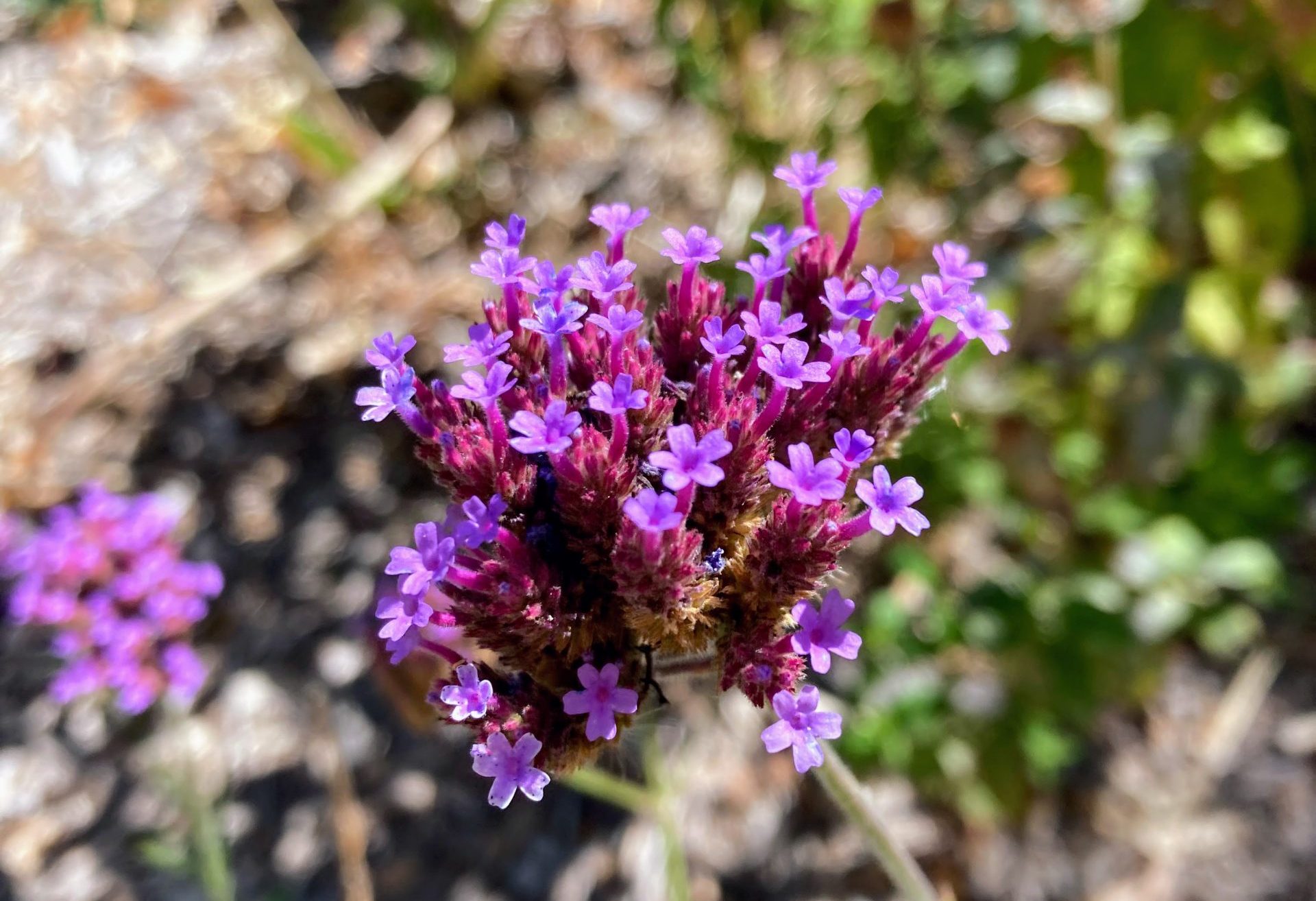
But if you want to visit our gardens during the most eye-catching time, our observations indicate that you can’t go wrong during early June or late August. This is when the most plant species are blooming all at once, putting on a colorful show! Gardeners who want to plant something easy with a long blooming season might choose some of our favorite workhorses: Engelmann’s daisy (Engelmannia peristenia), chocolate flower (Berlandiera lyrata), South American vervain (Verbena bonariensis), and California fuchsia (Epilobium canum). These mostly xeric species bloom consistently for months with very little maintenance from late spring to mid fall.
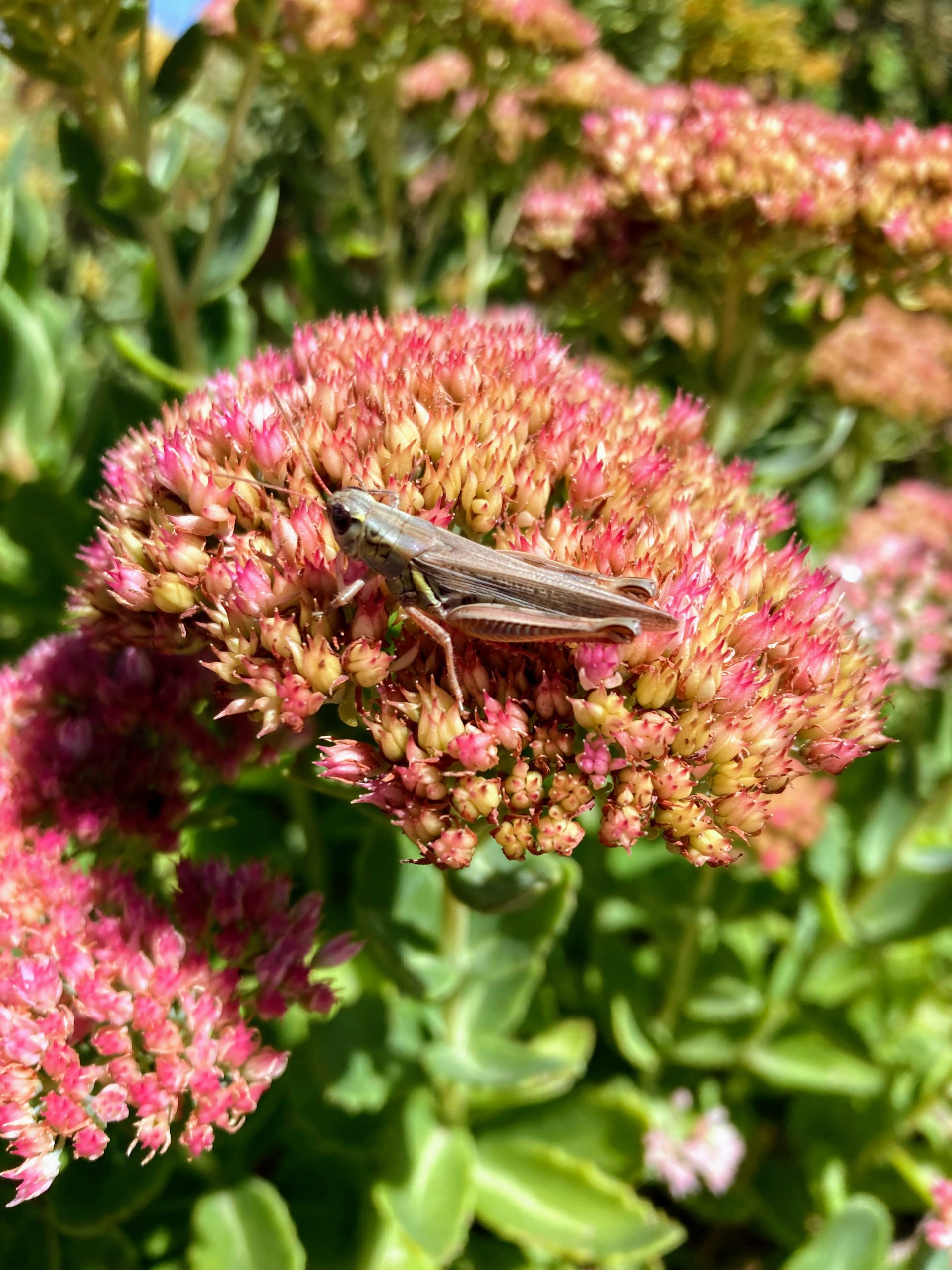
Not only are we interested in what plants are blooming, we’re also interested in what insects are visiting them. Throughout 2024, we recorded 25 different kinds of bees, as well as wasps, bee flies, soldier flies, hover flies, soldier beetles, longhorn beetles, and lady beetles. We were also graced with the presence of over 15 different butterflies and moths, and even regular visits from broad-tailed hummingbirds. From early July to the middle of August, we recorded the highest diversity of pollinators visiting our gardens.
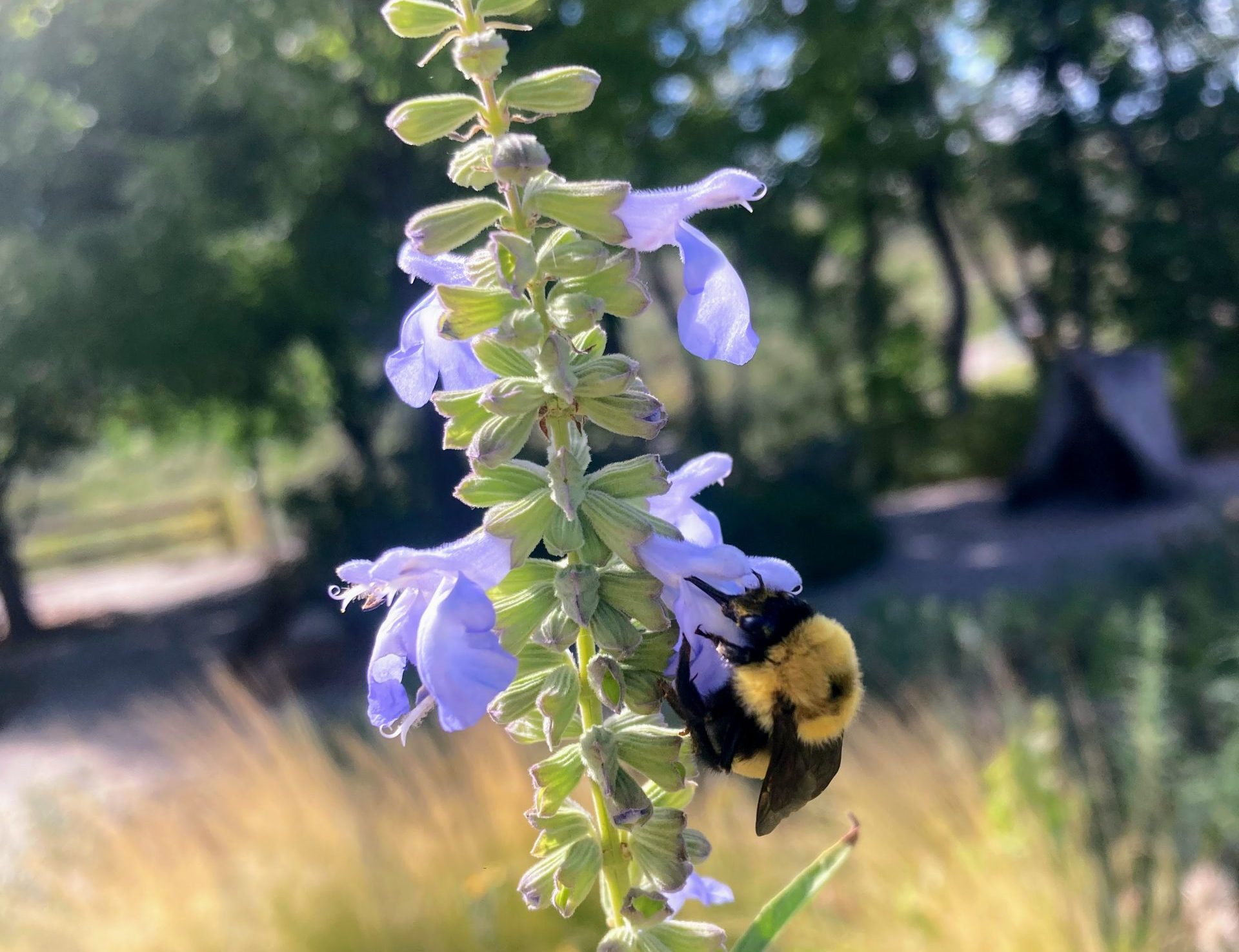
The native plants that attracted the most kinds of insects were annual sunflower (Helianthus annuus), rabbitbrush, goldenrod (Solidago canadensis), and pitcher sage (Salvia azurea). Some of these plants are important for specialists. In our gardens, we see close associations between longhorn bees and sunflowers, for example, or between Colorado soldier beetles and rabbitbrush. A flower like the blue pitcher sage will attract pollinators with long tongues, everything from fuzzy bumble bee queens to monarch butterflies (Danaus plexippus). We also observed that a few exotic species, such as South American vervain (Verbena bonariensis) and butterfly bushes (Buddleia davidii), supported many species of generalist pollinators, especially butterflies and moths. In those cases, it’s still important to grow the native hosts to ensure these pollinators can complete their life cycles.
During this year’s hot dry summer and winter’s windy blasts, the gardens here at Butterfly Pavilion were a haven for pollinators and other wildlife. These gardens are also places for guests to enjoy and learn about the natural world. Butterfly Pavilion’s outdoor gardens not only display shady trees, colorful flowers and fascinating invertebrates; they also yield intriguing insight into how invertebrates and garden plants interact. The horticulture team will continue to evaluate our gardens to understand how changes in the local climate and plant diversity might impact our urban invertebrates.
By Amy Yarger, Senior Director of Horticulture
Monarch Butterflies 101:
Explore the incredible life and journey of monarchs and their cultural significance as symbols of transformation and resilience.
It’s that time of year again… the great monarch migration!
Each fall, North American monarch butterflies embark on an incredible migration from their summer breeding grounds to their overwintering locations. The Rocky Mountains serve as a natural dividing line with both eastern and western monarchs passing through Colorado in September and early October.
Monarchs east of the Rockies travel upwards of 3,000 miles to central Mexico in search of oyamel fir trees, while western monarchs undertake a shorter journey to the California coast. Their thousands-of-miles migration not only showcases their resilience but also highlights their vital role in our ecosystem as pollinators.
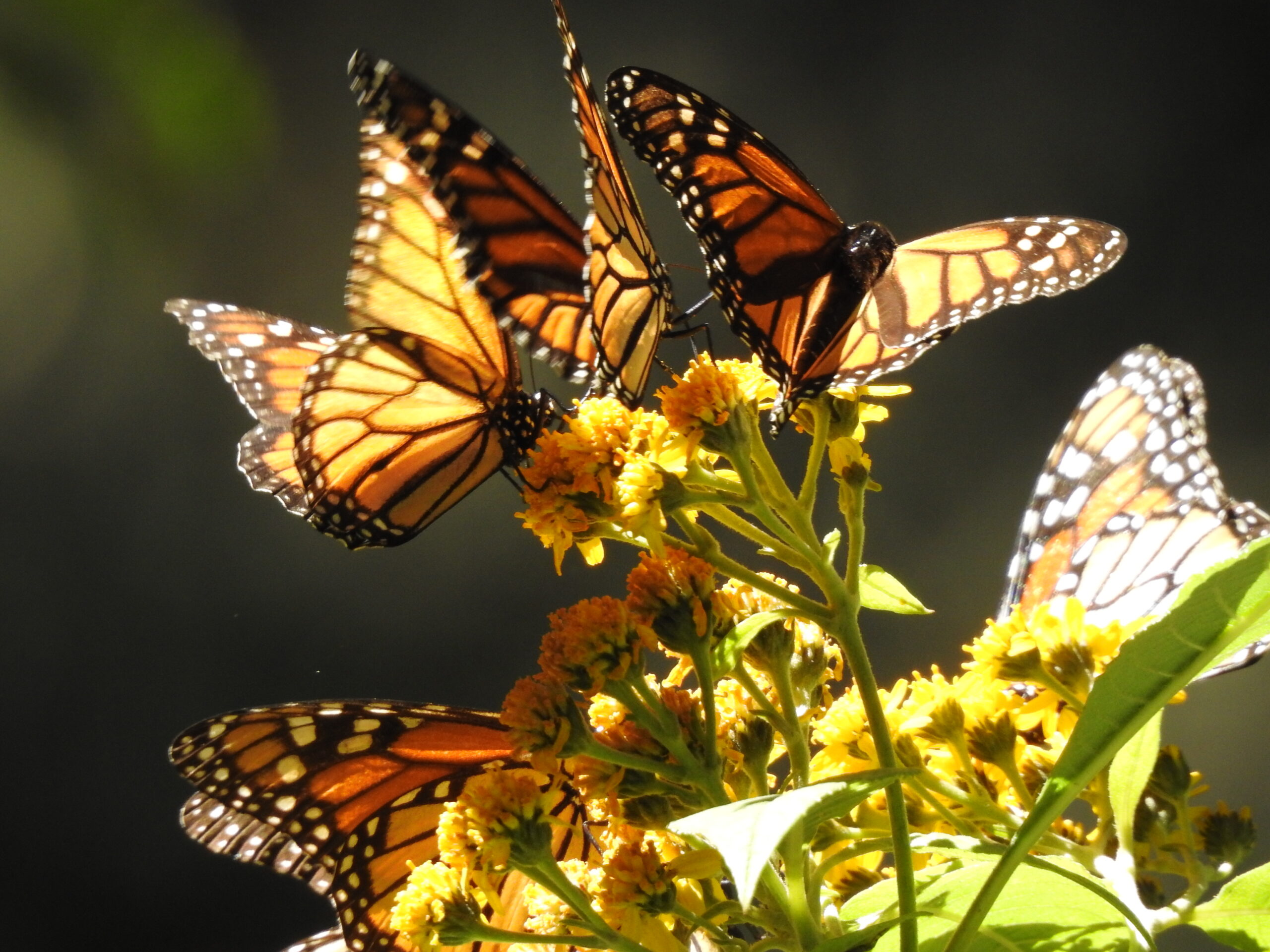
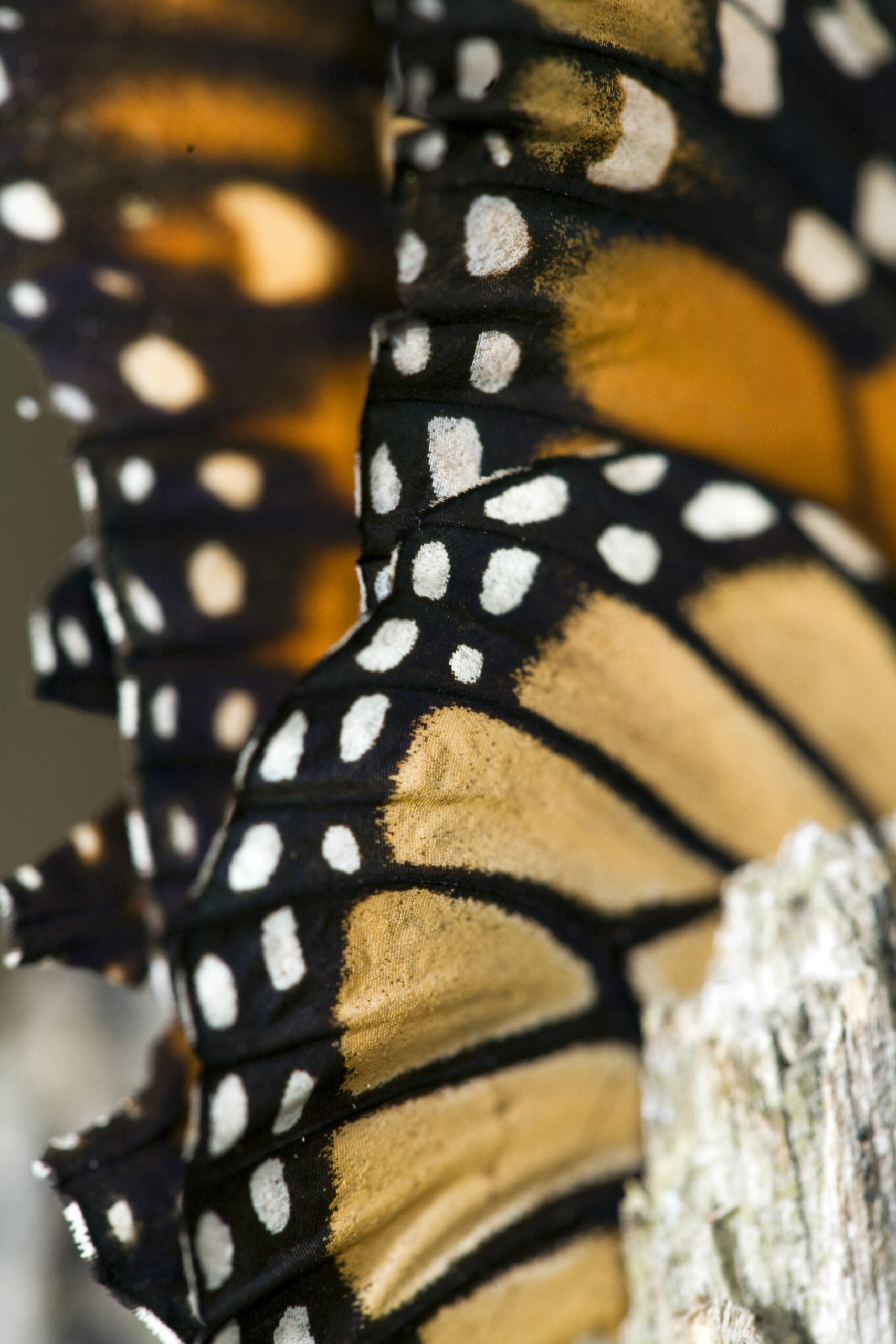
This remarkable migration has been observed for centuries, and researchers have found that these phenomenal creatures use the position of the sun to maintain their flight path. Additionally, these monarchs possess an innate magnetic compass that helps them readjust themselves if they become disoriented.
The monarch migration in the fall coincides with the celebration of Día de los Muertos, a cultural celebration where many communities in Mexico honor loved ones who have passed. Monarch butterflies represent the spirits believed to return on the night of November 2nd. Although this connection is well-known in modern Mexican culture, the link between monarchs and souls span centuries and various cultures. Evidence shows that the Mexica people, previously referred to as Aztecs, believed warriors lost in battle would return as butterflies or hummingbirds, while the Purépecha regarded butterflies as the souls of the departed and the spirit of the forest. In modern times, the established connection between monarchs and Día de los Muertos highlights the importance of conservation – not only for the monarchs and their habitats but the cultural traditions they represent.
Ecologically, monarch butterflies are key pollinators in the ecosystem, feeding on nectar from a wide variety of flowers as adults. The abundance of nectar sources is extremely important for optimal pollination and for the migrating monarchs to build fat reserves ahead of their travels. Since pollination occurs while collecting nectar, access to diverse foliage throughout their journey ensures this essential stage of plant reproduction is accomplished. Despite enjoying nectar from various sources, one particular plant is imperative for the survival and reproduction of the monarch butterfly: the milkweed plant.
A vital component of their life cycle is the milkweed plant, which provides monarchs with both food and a breeding ground. Monarch butterflies exclusively lay their eggs on milkweed plants because, as caterpillars, they can only eat milkweed leaves. Monarch butterflies lay their eggs on the underside of milkweed leaves, ensuring that their young have immediate access to food and shelter. This relationship exemplifies coevolution, as the milky latex of milkweed contains cardiac glycosides, which are toxic to most animals, including humans. Their resistance to cardiac glycosides, alongside their vibrant coloration, serves as chemical and visual cues to warn predators of their toxicity.
Unfortunately, urban planning, agricultural expansion, and other environmental factors have significantly decreased the prevalence of native milkweeds and have impacted monarch butterfly populations. Recent data indicates that eastern monarch butterfly colonies in central Mexico inhabited 59% fewer acres than previously observed during the 2023-2024 winter season, underscoring the urgent need for conservation efforts.
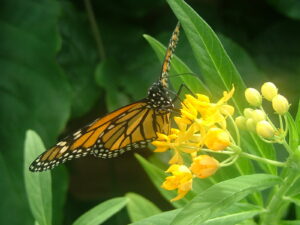
What you can do:
You can play a vital role in supporting monarch populations! Educating yourself and others about monarchs helps foster appreciation for their conservation. By planting native milkweed species or nectar plants that bloom around October in your garden or community spaces, you can create safe havens for monarchs to lay their eggs and re-fuel. Reducing pesticide use, joining local monarch conservation efforts, or advocating to protect natural landscapes also contributes to the survival of these magnificent butterflies.
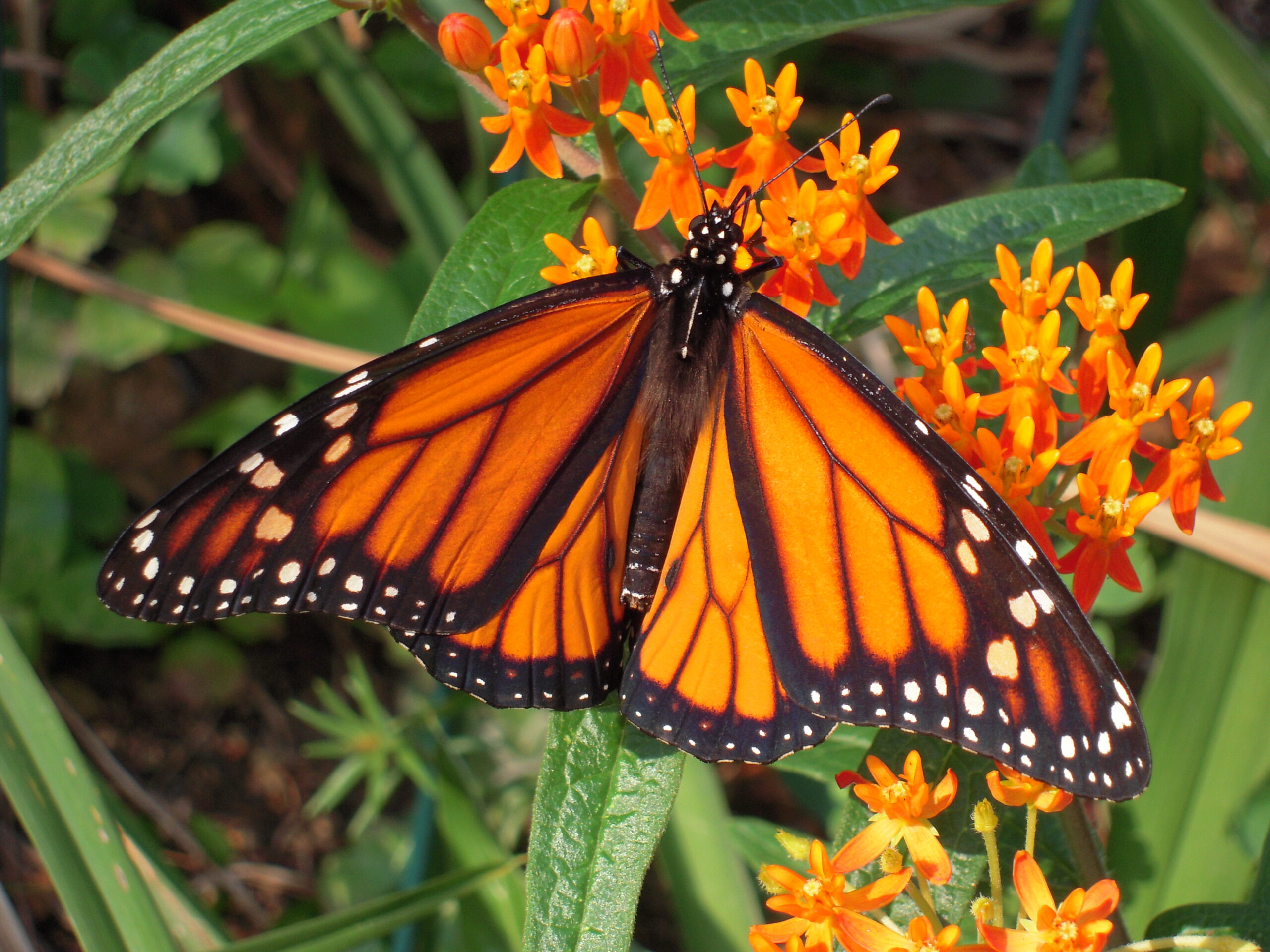
As we watch these iconic invertebrates take to the skies, let’s celebrate their journey and cultural contributions while protecting their future. Together, we can ensure that the magic of monarchs continues to grace our world for generations to come! Learn more about their inspiring journey at https://butterflies.org/monarch-magic.
Written by: Jenna Springberg
Frightening Flora: Just When You Thought You Were Safe in the Garden…
Written by: Amy Yarger, Senior Director of HorticultureHave you ever heard anyone called “fresh as a daisy” or “shrinking violet”? These similes assume plants are harmless, even passive. Humans rely on plants for our oxygen and much of our food, but most of the time, people don’t pay much attention to them. Instead, they perceive plants as a general green haze over the surface of the land- useful and pretty sometimes, but certainly not very interesting! However, the more scientists learn more about plants, the more we understand that plants have ingenious survival adaptations. Plants aren’t mild wallflowers, sitting quietly while animals try to eat them; they use intricate schemes to ensure their reproduction and devious defenses to protect themselves from herbivores, or plant eaters. Pollination is often presented as a win-win for pollinator and plant, but plants aren’t above using deceit and manipulation to spread their genes.
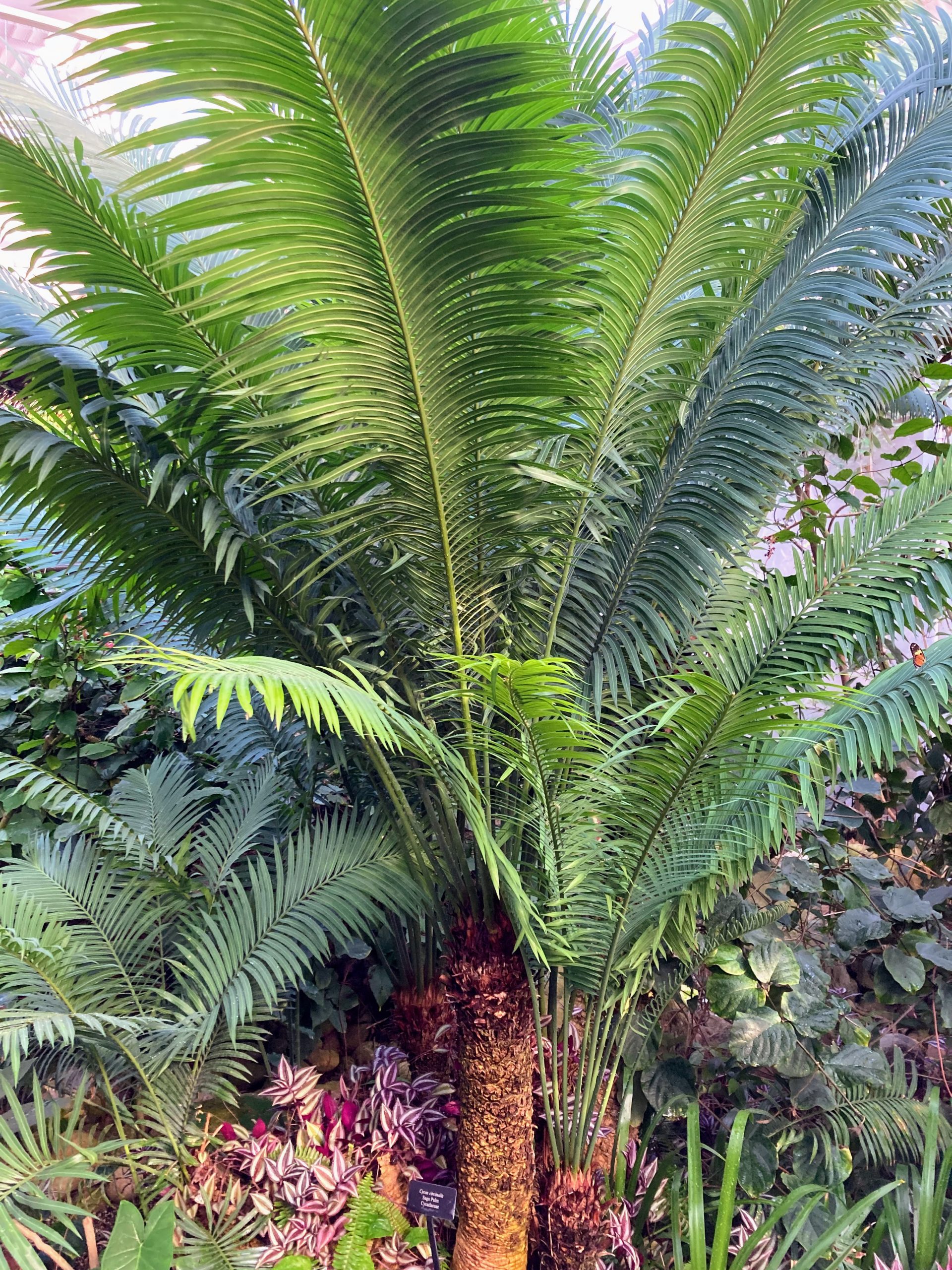
The lip of the orchids in the European genera Ophrys mimics the female of certain ants, bees and wasps (each species lures a different Hymenopteran visitor) through fragrance and appearance. Naive males attempt to mate and get bonked on the head with the pollinia. The mimicry is good enough that males are deceived more than once. The Queen Sago Palm (Cycas circinalis) is originally from southern India but is prized around the world as both a specimen and a landscape plant. But every part of the plant, including leaves and seeds, contain a neurotoxin that, if ingested, may cause symptoms including nausea, uncontrollable body movements, blindness, and death. However, many indigenous people have used this plant as a food plant for centuries, soaking the seeds in water to leech out toxins before pounding into flour. Improper processing of these seeds after World War II led to an outbreak of a variant of ALS (Lou Gehrig’s disease) called “Guam disease”. As food shortages abated, and people were no longer forced to subsist on sago palm, the disease faded away.
Even the humble philodendron, a popular houseplant, contains calcium oxalate in the leaves, which can cause inflammation and difficulty swallowing if eaten. Calcium oxalate crystals are sharp as tiny needles, which can damage cells and tissue. So, the next time you are feeling a bit hungry, it might be wise to give your houseplants a wide pass! But sometimes, it’s not us eating plants…it’s the other way around! Almost 600 species of plants around the world have the ability to lure, capture and digest animal prey. This adaptation is helpful in places where the soil is low in nitrogen. Some, such as the Venus flytrap, have mouth-like modified leaves that are triggered to close by the movement of insects. Others are more passive. Pitcher plants have nectar glands that attract hungry insects – if they slip too far over the edge, they are digested by a slurry of bacteria, enzymes, and water. These and other botanical terrors have inspired scary stories and movies over the years; part of the thrill comes from something that seems so harmless actually harboring deadly danger. We don’t need to regard these living things as monsters, but let’s not underestimate plants. Instead, we can appreciate them not only for what they provide us, but for the incredible adaptations that allow them to survive a dangerous world.
Weaving Threads of Culture: Spiders in Myths and Folklore
Leer en Español Aquí
As the leaves turn and the days grow shorter, we are reminded of nature’s intricate connections to our lives. Spiders have long been woven into the fabric of storytelling across cultures. As mascots during the Halloween season, their striking beauty has found expression in literature and customs, symbolizing creativity, wisdom, and interconnectedness. In this spirit, we celebrate all invertebrates, especially our eight-legged friends, for their essential role in our ecosystem. Through global stories, we aim to inspire others to confront their arachnophobia and explore the remarkable world of spiders and all they do for our planet. Ultimately, we hope to foster a new appreciation for these invertebrates, encouraging an outlook filled with wonder rather than fear.
Charlotte’s Web
Nursery rhymes “Itsy-Bitsy Spider” and “Little Miss Muffet,” introduce many children to spiders in a playful manner, but they can encourage fearful feelings. In contrast, E.B. White’s Charlotte’s Web features Charlotte, a barn spider, as a symbol of friendship and selflessness. Through her wisdom and patience, Charlotte reshapes perceptions of spiders, showing that spiders can be allies rather than foes. This story uses the wit and intelligence of a spider to highlight important lessons about bravery, compassion, and the intricate nature of communication in relationships.
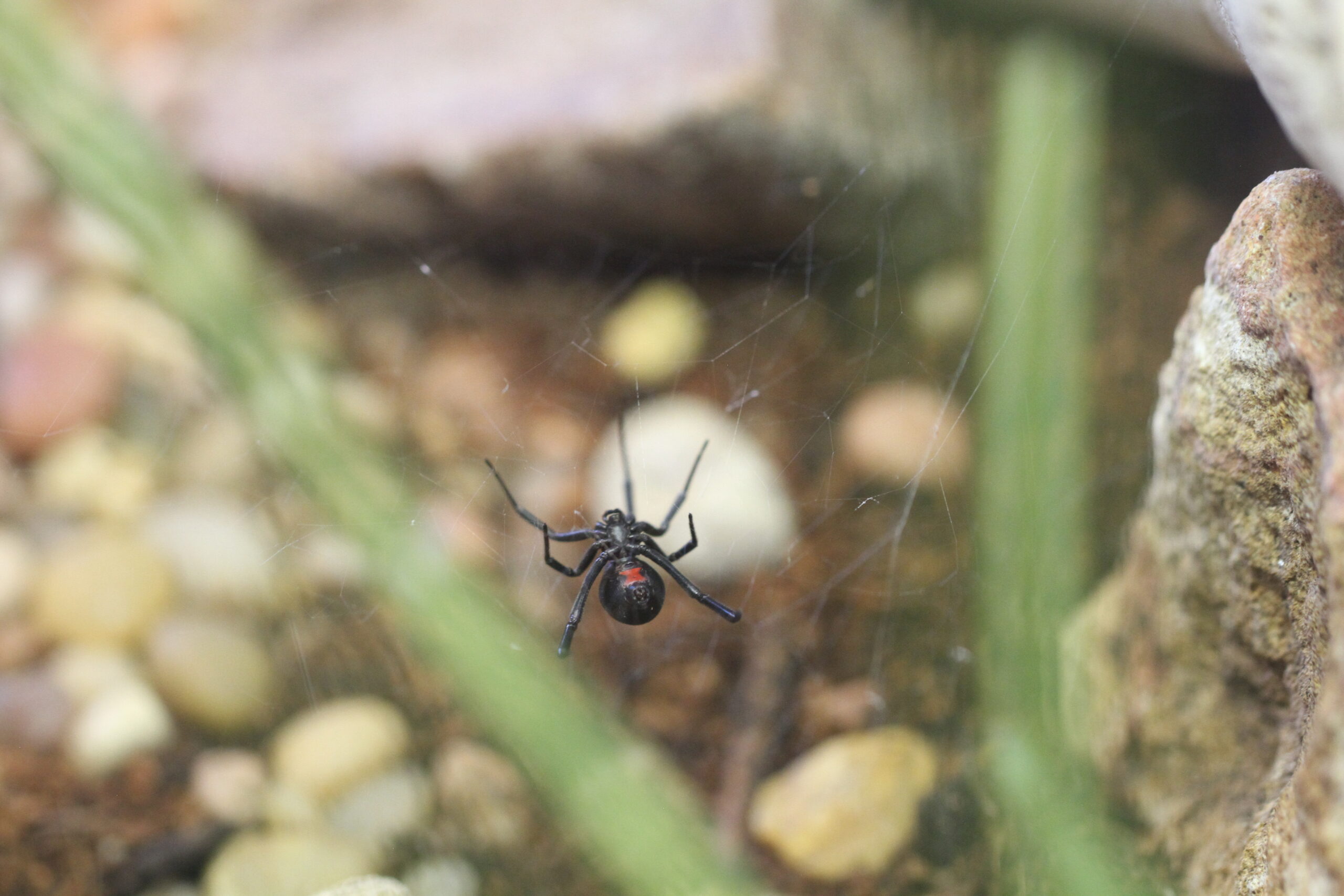
Fun Fact: Male and female black widows will infuse their silk with sexually specific scents that they use to spin their web. Afterwards, the males will tap on different lines as he explores the web and will sometimes sever different locations on the web to trap the female closer to him
Arachne and Athena: The First Spider
The myth of Arachne from ancient Greece illustrates the duality of spiders. Arachne, a gifted weaver, was known for her exceptional skill but also her pride. Her confidence led her to challenge the goddess of wisdom and crafts, Athena, to a weaving contest. When Arachne triumphed, Athena, enraged by her hubris, transformed her into a spider, condemning her to weave for eternity. This story not only introduces us to the literal “first spider,” but also highlights themes of pride, humility, and the intricate nature of artistry and patience. Arachne’s tale reminds us that while spiders can be seen as symbols of caution, they also embody the beauty and complexity of creation.
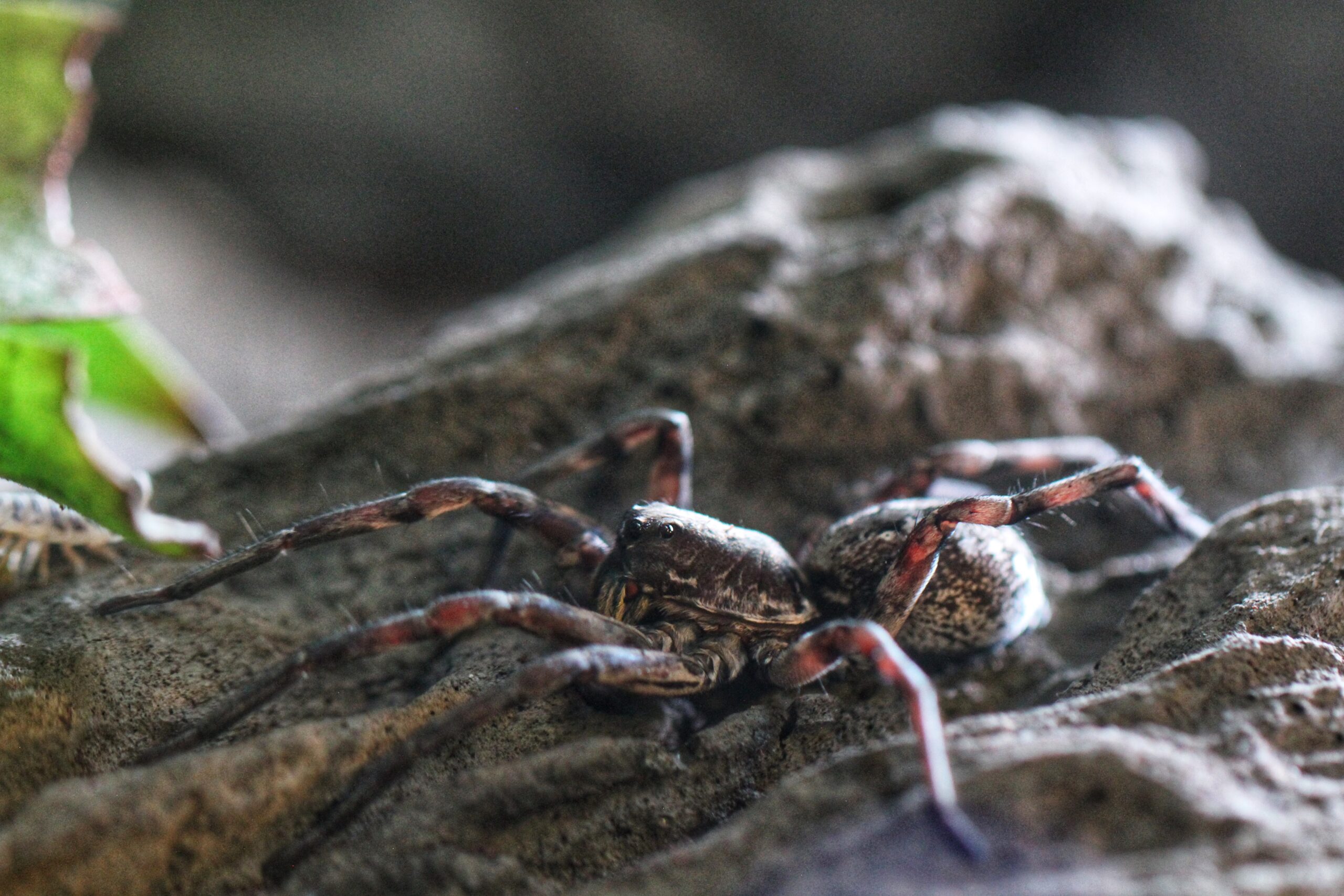
Fun Fact: Wolf spiders get their names from wolves because most of them don’t actually weave webs. Instead, they chase and pounce on their insect prey, similar to wolves. Once wolf spiders catch their prey, they either mash it into a ball or inject venom into them, liquifying their organs.
The Jorōgumo: Beauty and Danger
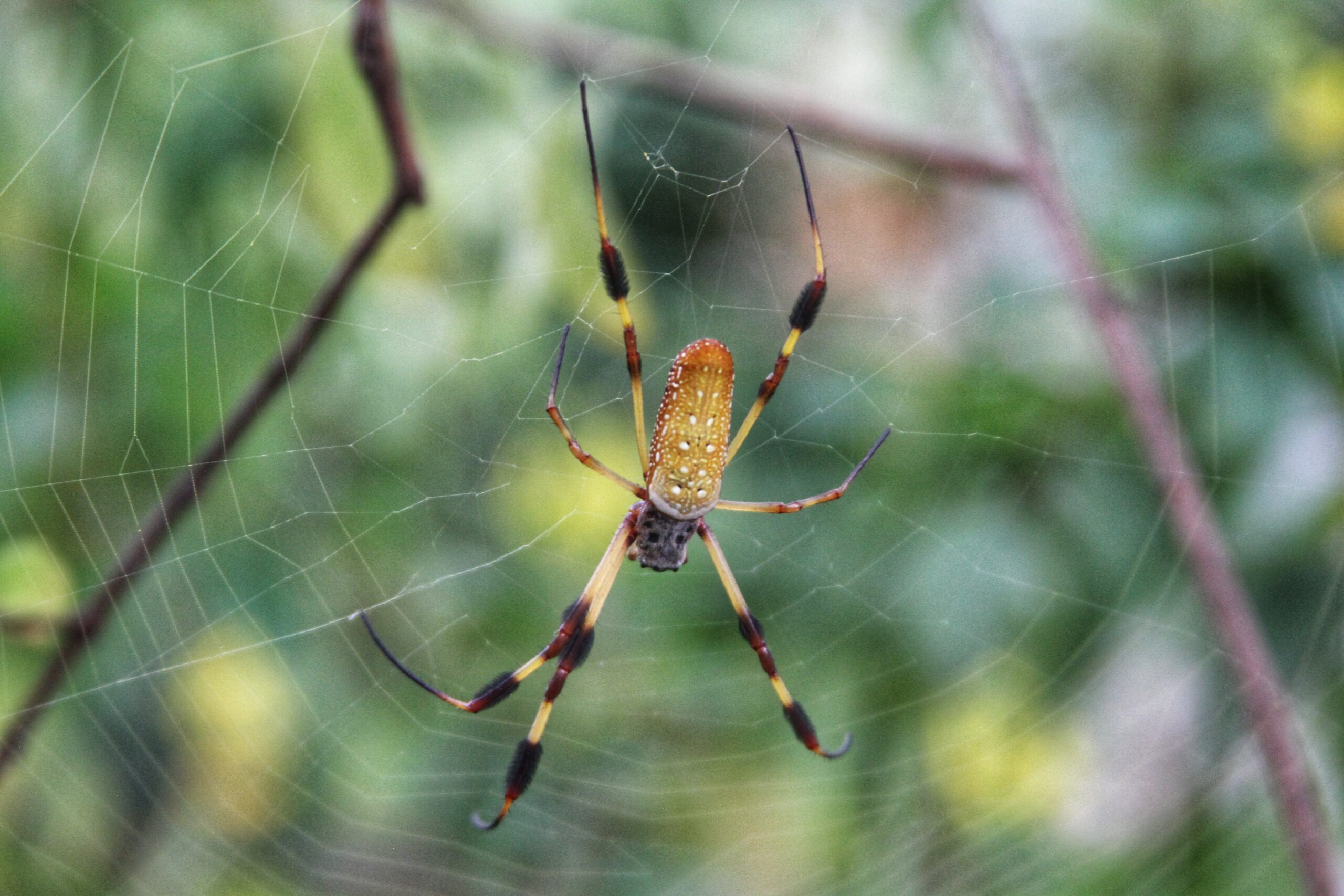
In Japanese folklore, the Jorōgumo is a fascinating yōkai—a giant spider that can transform into a beautiful woman. Opposite to the tale of Arachne, the Jorōgumo transforms into a female form to charm and lure unsuspecting men into her deadly webs. Described as powerful yet dangerous, this duality reflects the need to approach spiders with caution but also appreciate their beauty and elegance. Although she represents a threat, her legacy has made her a beloved figure in literature, kabuki plays, and contemporary media, illustrating the enduring fascination with spiders for being a captivating yet calculated creature.
Fun Fact: The silk of the Joro spider is incredibly strong and has been used traditionally in Japan for making textiles like fishing nets. Their striking yellow and black patterns and red markings make them quite distinct.
Wati Wanka: The Spider as Healer
Wati Wanka, the “spider man,” is a significant figure in Aboriginal Australian culture and folklore. Revered as powerful and wise, Wati Wanka is associated with healing and spirituality. Through storytelling, spiders in Aboriginal Australian culture represent vital lessons about the connection between people and nature. Information provided by Dr. Zuleyka Zevallos. Learn more at OtherSociologist.com
Fun Fact: Mexican Red Rump Tarantulas have historically been utilized for their venom as a resource to treat various health issues. Used in traditional medicines of the Ch’ol Maya people in southeastern Mexico, medicine men would kill the spider, and then crush it into a powder to be mixed with other ingredients. The strained liquid was then drunk. Today, the venom peptide GsMtx-4 is being investigated for the possible treatment of cardiac arrhythmia, muscular dystrophy and glioma.
Ananse: The Trickster and Storyteller
West African folklore introduces us to a beloved spider character, Ananse. Known as a clever trickster and storyteller, Ananse uses his intelligence to outsmart stronger animals, imparting valuable life lessons. The name “Ananse” itself means “spider” in the Akan language of Ghana. Through his adventures, Ananse embodies the importance of wit and resourcefulness, reminding us that strength is not always physical.
Fun Fact: Some spiders including the Australian Funnel Web Spider will engage in catalepsy where female spiders will play dead to come off less threatening to mates. Because many spider species engage in sexual cannibalism, becoming motionless with their legs curled up makes male spiders more willing to approach the females. —-As natural pest controllers, spiders play a vital role in maintaining the balance of nature, consuming insects that could otherwise overwhelm crops and homes. From ancient tales to modern literature, spiders have become symbols of creativity, intelligence, and interconnection—threads woven into the rich tapestry of human culture. Whether portrayed as tricksters, healers, or wise companions, spiders are celebrated throughout history in our cultural narratives, teaching us valuable lessons about humility, patience, and the intricate web of life. Let us appreciate the beauty and complexity of spiders as we explore these narratives reflected in our social and cultural identities. To discover more about these extraordinary arachnids, visit https://butterflies.org/spidersaroundtheworld/.
Written by Jenna Springberg
Gardens on Spring Creek Butterfly House
Step into a vibrant world of color and beauty at the Gardens on Spring Creek Butterfly House, an enchanting extension of Butterfly Pavilion! Here, you will encounter a stunning array of native North American butterflies, including iconic monarchs, striking tiger swallowtails, delicate painted ladies, zebra longwings, bold red admirals, and more! Since its grand opening in November 2019, this 1,700-square-foot sanctuary has been a collaborative gem, created by Butterfly Pavilion, the Gardens on Spring Creek, and the City of Fort Collins. Open year-round, the butterfly house invites you to immerse yourself in a breathtaking experience where you can observe and identify butterflies and moths that flutter in your own backyard. Come explore and be inspired by the wonders of nature!
At the Gardens on Spring Creek Butterfly House, you can explore:
- 400–600 free-flying butterflies and moths, including monarchs, longwings, swallowtails, and more.
- A chrysalis window where you can watch butterflies emerge from their chrysalises.
- Adult moth displays with separate enclosures for males and females due to their high egg-laying capacity.
- Caterpillar displays that highlight the complete life cycle of these fascinating creatures.
- A 220-square-foot living wall, featuring 2,200 annuals, ferns, and foliage plants that provide roosting space for butterflies and moths.
- More than 100 varieties of tropical plants, specifically curated to support pollinators.
- Hanging sponge balls and cups soaked in sugar water, as well as decaying fruit, to provide extra nutrition for butterflies.
- Interpretation and education programs led by knowledgeable staff and volunteers.
The Gardens on Spring Creek Butterfly House staff also actively participate in community science initiatives like the Colorado Butterfly Monitoring Network, Monarch Watch, and the Monarch Larva Monitoring Project. The data collected through these programs helps scientists better understand the health of local ecosystems by tracking butterfly populations and activity.
Founded in 2004, the Gardens on Spring Creek has become a beloved destination for school groups, retirement communities, families, and students in the Fort Collins area. The Butterfly House fosters a deeper appreciation for invertebrates and the habitats they depend on, offering guests an up-close experience with native butterflies and moths. Unlike Butterfly Pavilion, which features tropical species of butterflies, the Gardens focus on North American natives, providing a burst of summer during Colorado’s winter months. In the summer of 2024, the staff successfully hand-reared three species of silk moth caterpillars (Polyphemus, Promethea, and Luna) to engage and educate visitors about the wonders of moths. Visit the Gardens on Spring Creek Butterfly House at 2145 Centre Avenue, Fort Collins, Colorado, or learn more at www.fcgov.com/gardens.
Written by Amy Yarger, Butterfly Pavilion’s Senior Director of Horticulture Even if the kids are back in school, we are fortunate enough to have a few weeks of pleasant weather left here in the Denver metro area. And we aren’t the only ones enjoying the warm days and last of the season’s flowers. A few hardy pollinators will be with us until the first hard freeze; even a light frost or two aren’t enough to knock them down! So, it’s important to make sure that these amazing pollinators have the food and shelter they need to survive. Just like other pollinators, these insects help to pollinate food crops as well as native plants to keep our ecosystems (and us!) healthy and thriving. Late summer pollinators are colorful and charismatic. Here are some of our favorite late season pollinators from Butterfly Pavilion’s gardens and how you can improve habitat for them.
Colorado soldier beetles (Chauliognathus basalis)
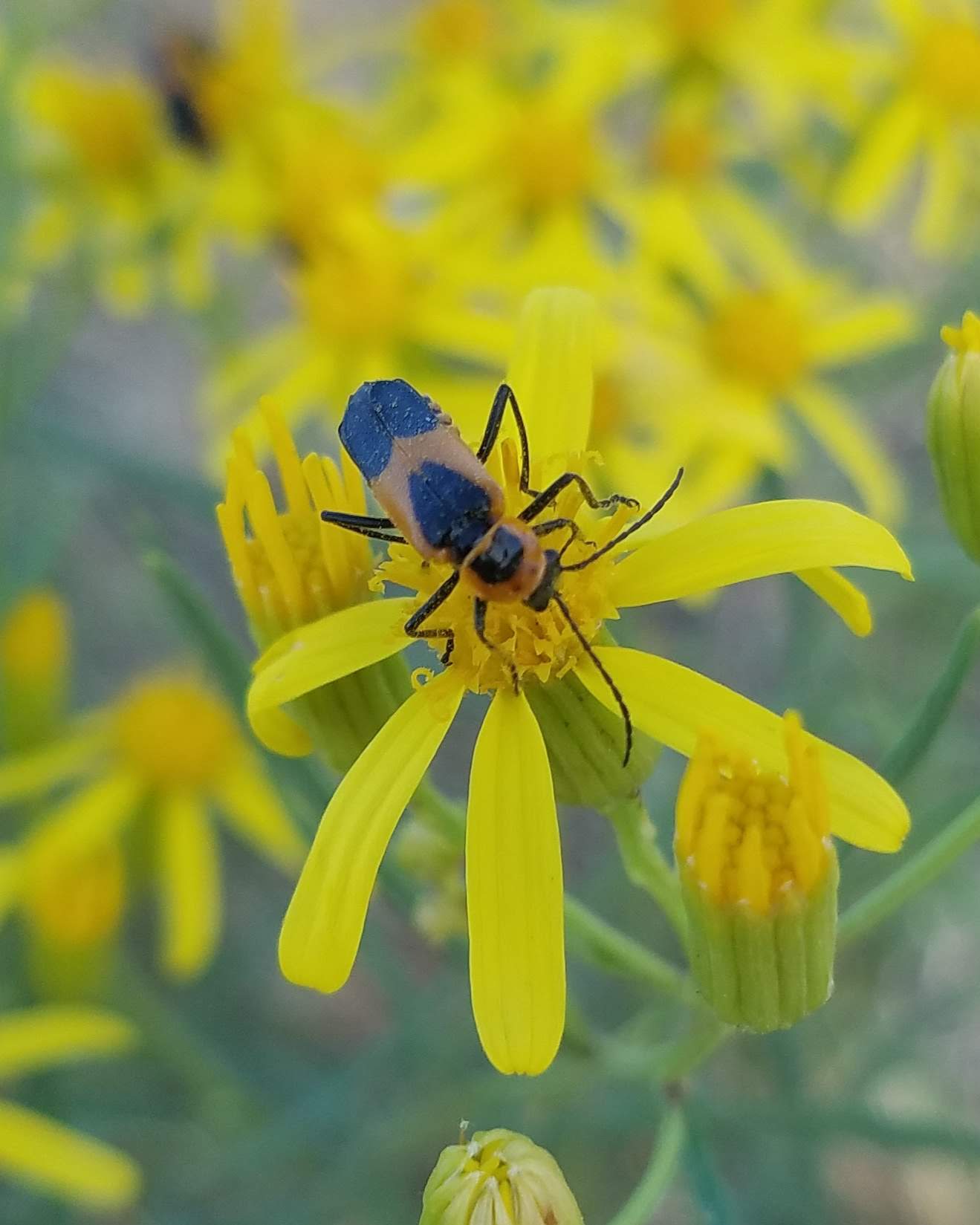
Colorado soldier beetles are about 1 centimeter long, with a narrow body and long, thread-like antennae. Colorado soldier beetles are hard to miss with bold black and golden orange markings, which may vary according to body size and whether the beetle is male or female. This soldier beetle species is found mainly in grasslands on the plains; there are other species more common at higher elevations. If you have any rabbitbrush growing nearby, you are very likely to see these beetles busily chewing pollen and mating. As more people plant native plant gardens along the Front Range, these beetles can live peaceably among us in urban areas, as the true ambassadors of “flower power”. If you’d like to see more Colorado soldier beetles in your own landscape, you can plant more late-season blooming plants, such as rabbitbrush. Avoiding landscaping fabric and leaving last year’s debris in your garden also provides the perfect conditions for soldier beetle larvae, allowing the generations to continue. Then you too can join the Beetle Fan Club and appreciate these unsung local pollinators!
Bee flies (family Bombyliidae)
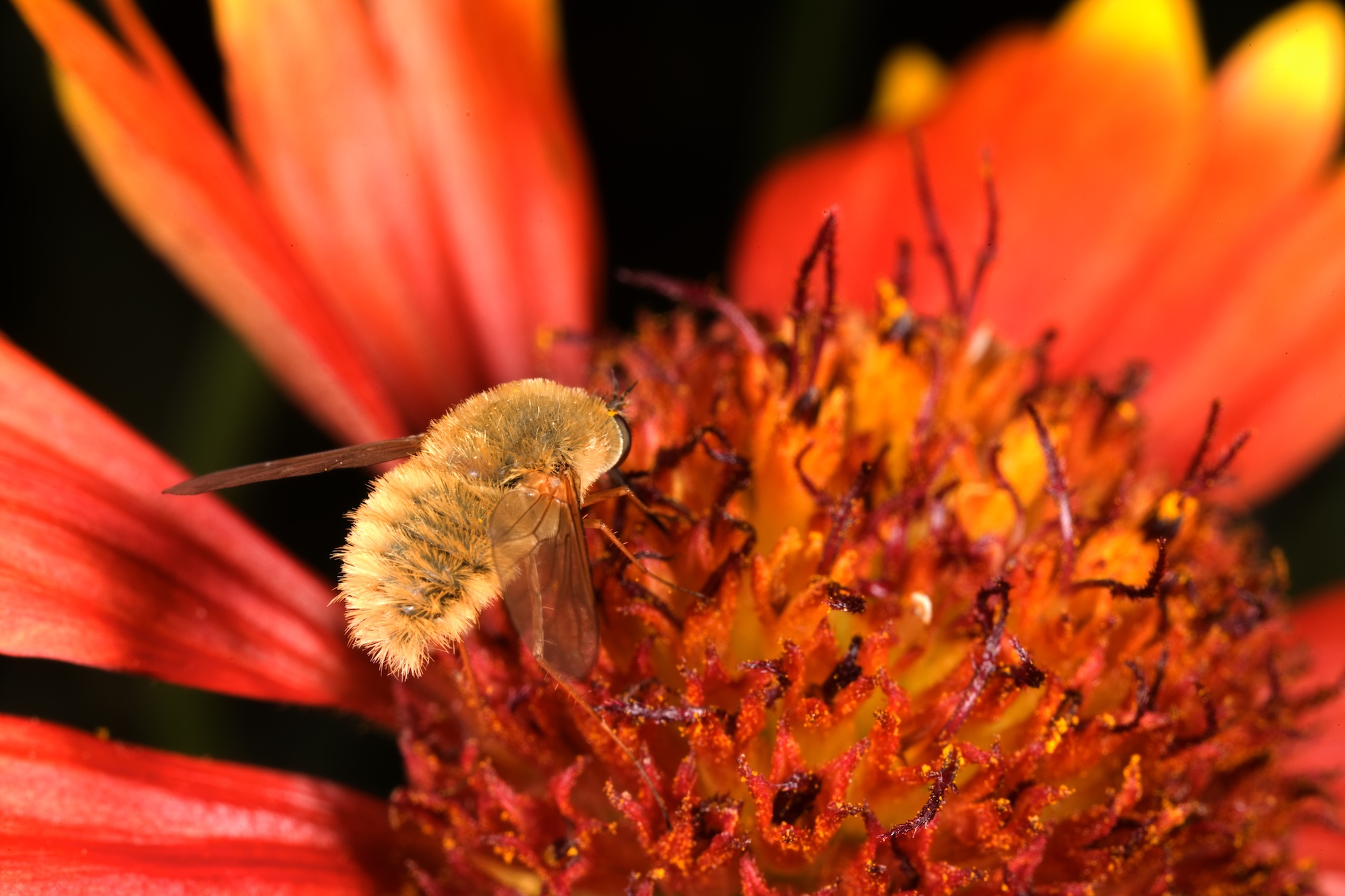
The woolly bee fly, also known as the grasshopper bee fly, is found throughout temperate North America, especially in deserts and grasslands. This species has a round, stocky body, 5-10 mm in length, with fuzzy blond hair and transparent wings. Adult bee flies have long straight proboscises that can’t retract, earning them the nickname “bee-whals”, as in the narwhals of the bug world. Bee flies are adept fliers able to hover and change directions instantly. They often sip nectar without landing on flowers, which protects them from many predators such as ambush bugs and crab spiders. Bee flies are found in open, sunny areas from the foothills to the prairies, and in developed and disturbed landscapes, such as gardens and roadsides. Their active season is mid-summer to mid-fall when their favorite flowers are blooming. They prefer to get their nectar and pollen from plants in the sunflower family, so rabbitbrush, asters, heath asters, sunflowers, and black-eyed Susans are all bee fly favorites. Other ways you can make sure that you enjoy these late-summer visitors is by helping to restore or advocating for our open spaces and native grasslands. Finally, even though grasshoppers can cause quite a bit of damage to your garden, finding ways to manage grasshopper pests without pesticides is going to ensure that these bee flies can pollinate and look cute when we need them to.
Monarch butterflies (Danaus plexippus)
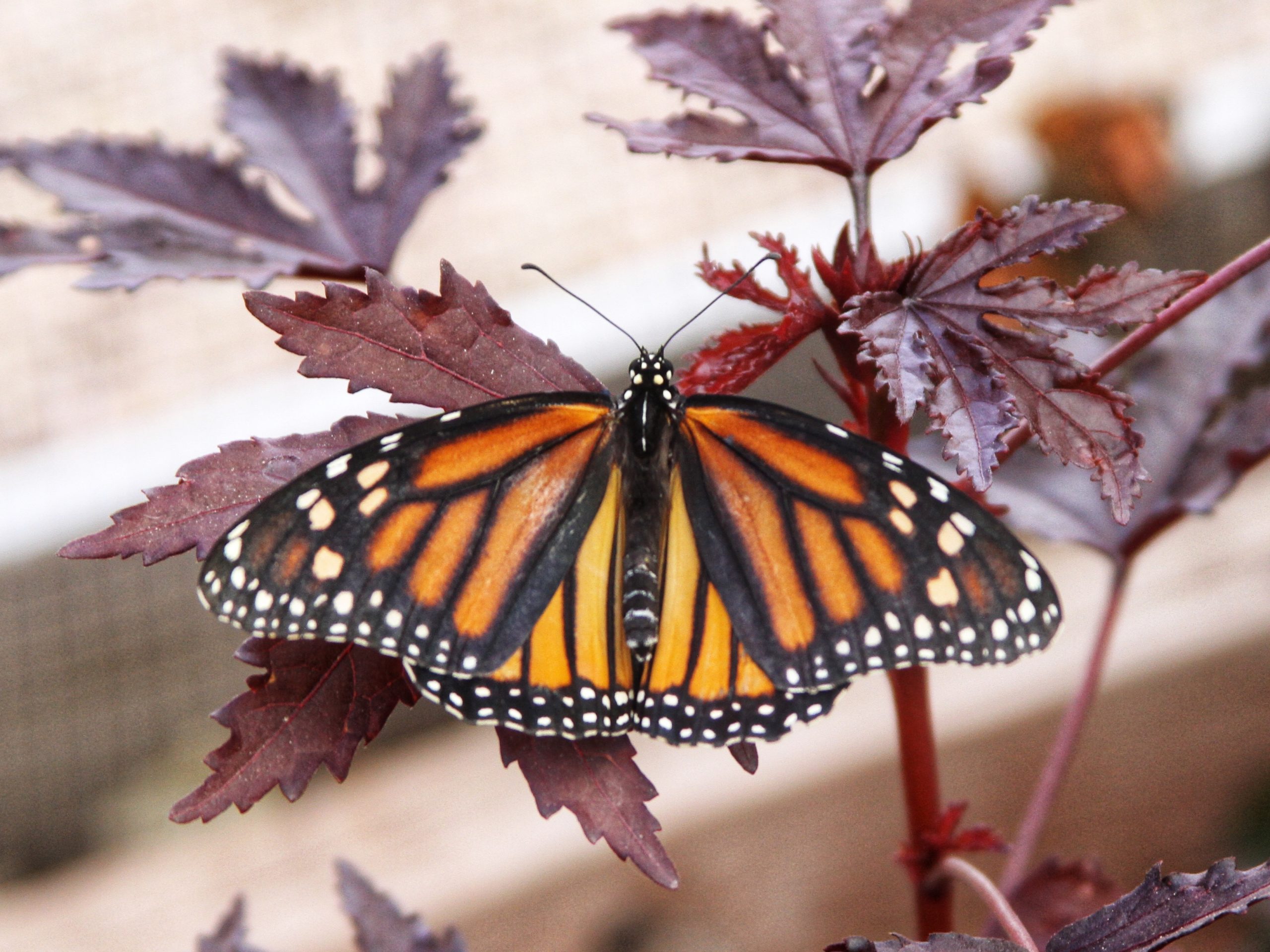
Monarch butterflies are often spotted in the Front Range region during the late summer and fall, although we do not generally see the enormous numbers of monarch butterflies that our neighbors in the Midwest do. However, monarch butterflies do breed here, so it is possible to see the entire life cycle, from caution-tape striped caterpillars to the Halloween-colored adult stage. Monarch butterflies are only one species among over 200 butterfly species found in Colorado, a great reason for us to preserve and restore butterfly habitat. If you would like to help our native butterflies, you have lots of options. You can include native wildflowers, including milkweed for monarchs, in your backyard garden, so that butterflies have food and shelter throughout the year. Many schools, businesses and community centers are also adding habitat gardens. You can contact your local open space and parks department to learn about their pesticide and herbicide use. You can even collect data to share with scientists around the country through Monarch Larva Monitoring Project and MonarchWatch community science initiatives. While the weather is good and flowers are blooming, be sure to get outside and see these late-season wonders for yourself!
Browse for Bugs: What Plants Do Our Insects Eat?
Zoos work hard to make sure their animals are well-fed, and Butterfly Pavilion is no exception. The difference? Instead of giraffes and elephants, we have small and mighty species like leafcutter ants and butterflies. Luckily for our exhibits, Butterfly Pavilion’s horticulture staff doesn’t cut down an entire tree when a single branch will do. Even if the amounts are smaller, feeding invertebrates is still complicated. After all, there are around 400,000 different kinds of plants in the world, and millions of plant-eating insect species. How is a horticulturist to know what to grow? Some insects have a broad appetite for many kinds of plants. Our scavengers, such as cockroaches, like all sorts of plants to snack on. We grow enrichment for them, such as edible flowers, fragrant herbs, and even veggies. By adding new plant fragrances, flavors, and textures to their enclosures, we keep their environments novel and exciting. An overgrown zucchini goes a long way for these insatiable insects! But many of the plant-eating insects we showcase at Butterfly Pavilion are much pickier. These preferences aren’t arbitrary but are related to their interactions with secondary chemical compounds that plants produce to defend themselves. Different insects have different tolerances, so our zookeepers can’t just switch food plants without making sure it is part of that insect’s healthy diet. For example, our stick insects usually like to eat plants related to roses. If you’ve seen blackberries or raspberries growing in our outdoor gardens, these are our main browse crop for those insects. Sometimes, they will nibble on guava or privet leaves, but we usually offer the plants they like the most. Our new leafcutter ants (Atta mexicana) fit into both categories when it comes to choosing leaves for their fungal chambers. Just like many humans, they really like to harvest one plant for a while and then suddenly, they reject it. This habit really keeps the horticulture team on our toes! They seem to like flowers of all kinds, as well as leaves from some of our tropical trees and shrubs, such as skyflower (Duranta erecta) and firecracker plant (Hamelia patens). Part of the fun is watching the leafcutter ants process different leaves and flowers and carry them to different parts of their habitat. Leafcutter ants are selective and look for specific traits when they choose what leaves to harvest for their fungus. They like leaves from woody plants more than herbaceous ones, and fresh tender growth or flowers more than old leaves. They dislike plants with tough or sappy leaves. They especially avoid plants with certain compounds called terpenoids, which are found in everything from eucalyptus to citrus to cinnamon to tomatoes. It turns out that many plants have antifungal properties, which the ants certainly don’t want in their fungal chambers! These observations have led to the development of antifungal medicines for people. So how do we keep track of all the plants our animals like to eat? Our animal care team knows the preferences and specializations of each of our herbivores and lets the horticulture staff know what plants they need. They also track what gets eaten and what gets left on the plate, so that we can shift what plants we’re collecting from week to week. The horticulture team takes care of the plants without pesticides to make sure that the plant material is always fresh, tasty, and healthy for our invertebrates. We grow almost 400 different kinds of plants at Butterfly Pavilion, including our tropical plants in Wings of the Tropics and the plants in our outdoor habitat gardens. The next time you visit, you’ll know that some of these plants are not only interesting to look at but also satisfy the appetites of our amazing animals!
Written by Amy Yarger, Senior Director of Horticulture
Leafcutter ants are iconic invertebrates, but what do they actually do with all of those leaves? Behind the leafcutter ant lies a fascinating symbiotic relationship that many may not realize! Experience these impressive invertebrates in person! Visit Butterfly Pavilion as we showcase our immersuve Leafcutter Ant Habitat. This exhibit will offer a unique opportunity to observe these remarkable insects in action. Leafcutter ants span from South America, through Central America and Mexico, and all the way up to the Southern United States, like Northern Texas. The name “leafcutter ant” encompasses more than 40 different species of ant that all make a living by cutting and collecting leaves. Leafcutter ant colonies go deep underground and have many rooms. These chambers can be up to 16-feet deep and 50 feet wide. Like honey bees, leafcutter ant colonies are ruled by a single queen. Her daughters — wingless, sterile females — are the worker ants that travel outside of the colony to forage for leaves.
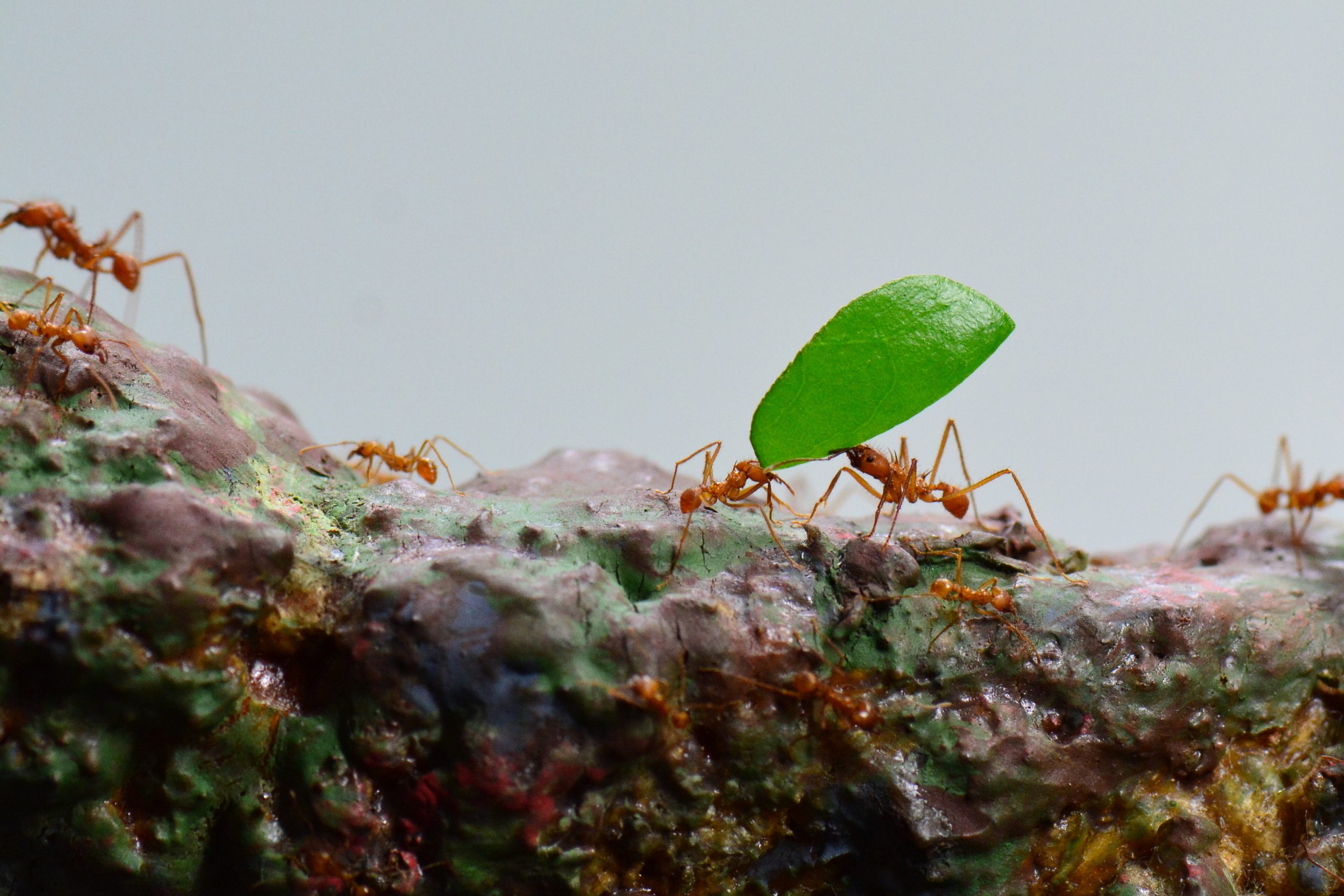
As a colony, leafcutter ants can clear entire trees in just a day! When an ant finds a good foraging location, she will move her abdomen up and down to create a vibration that can be felt by others nearby. This rhythmic signal alerts the rest of the colony to follow her lead. Many may assume they use these leaf pieces to build nests; however, they are used as fertilizer for their fungus gardens! Yes – leafcutter ants are not just foragers, but also farmers. This fungus feeds the little larvae raised in the ant colony, and the ants feed it with their leaf cuttings. Leafcutter ants even cultivate bacteria that can secrete antibiotics, which protect the fungus from parasites and keep it healthy.
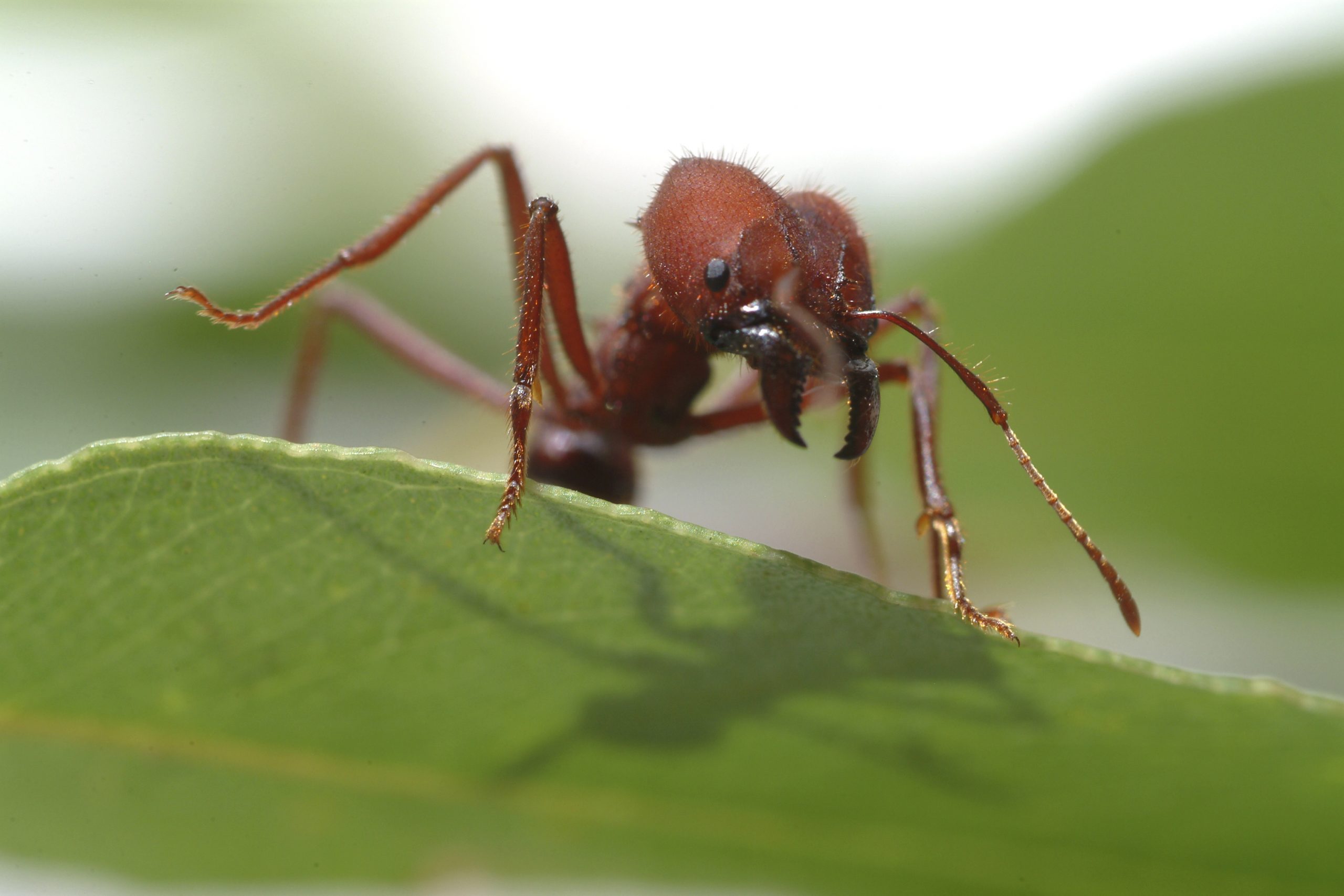
After collecting a leaf cutting, the ants will carry it back to the colony and deposit the clipping at the top layer of their fungus garden. Ants will eat clusters of fungus that live deeper in the garden, also known as gongylidia, in order to ingest necessary enzymes for the digestion of the leaves. Then, they transport these enzymes to the top layers of fungus and deposit them in droplets of feces onto the leaves. Adult leafcutter ants actually do not eat fungus to sustain themselves. Rather, they feed on tree sap, sometimes even hitching a ride back to the colony on the leaves that other ants are carrying, meanwhile snacking on any sap that might be on the leaf. This isn’t a free meal, though – they’re also making sure that the leaf isn’t carrying flies or foreign fungi. Research shows that fungus species have evolved in tandem with leafcutter ants so that their enzymes can be transported in an ant’s body without being digested. This makes it easier for the ants to cultivate the fungus and has created a long and lasting symbiosis – the ants and fungus rely on each other to survive.
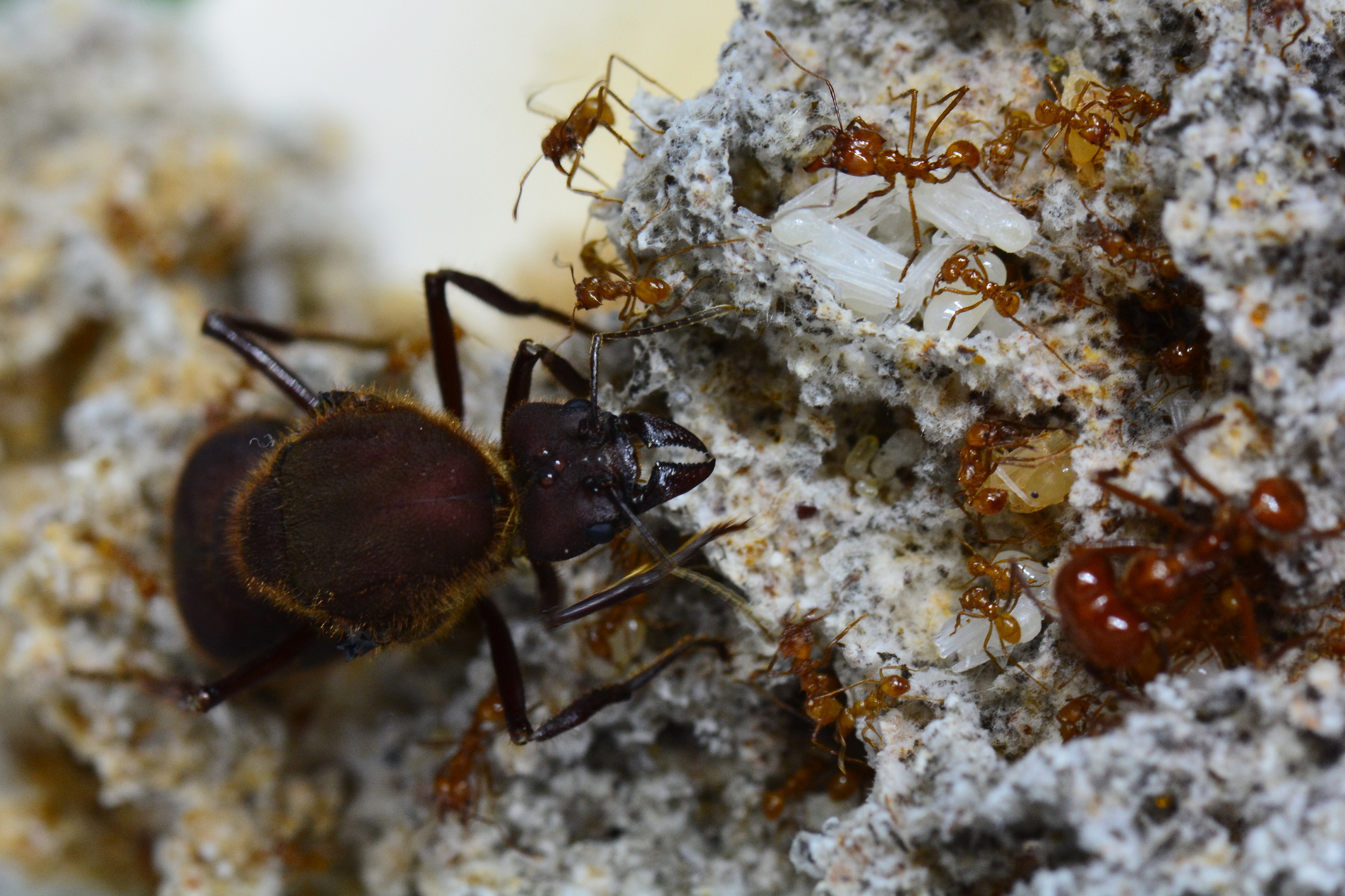
Queen leaf cutter ant and her soldiers on fungus
Leafcutter ant activity is extremely beneficial for the forest and is reciprocal. Their foraging helps to stimulate plant growth in the plant species that feed their fungus. Leafcutter ant society is separated by castes; different ants have different roles to play in the colony, largely based on their size. Leafcutter ants can be as small as 0.7 millimeters wide and as large as 5 millimeters wide. There are large ants that guard and protect the nest, called Majors. The next biggest, Mediae, are the iconic, leaf-carrying ants. Following them are the Minors, who guard the path that the Mediae travel, and, lastly, the miniscule Minims, who remain behind in the colony to raise the larvae and farm the fungus. The Minims also have the very important job of disposing of decaying leaves. They carry the matter to a specific garbage chamber in the colony and then they will isolate themselves from the queen and fungus for the rest of their lives to prevent the spread of disease. Similar to honey bees, all of these worker ants are female! The males in a leafcutter ant colony are called drones and are the only other ant beside the queen that has wings. Their role is to mate with the queen and produce offspring to supply the colony population. Both drones and queens are winged so that they can fly away from their original colony to mate, increasing genetic diversity.
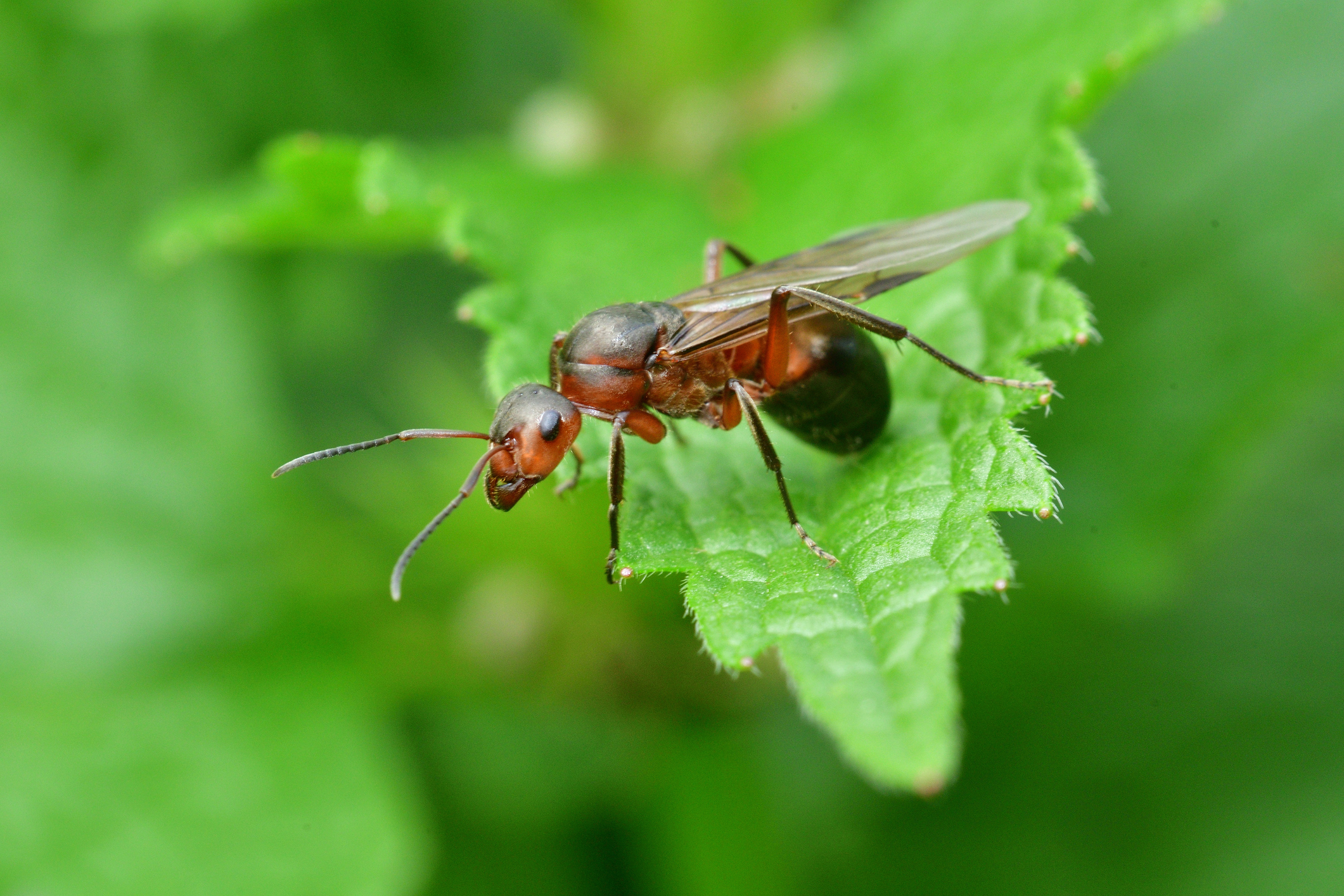
Queen leafcutter ant
One leafcutter ant species is even more spectacular! In addition to its exoskeleton, Acromyrmex echinatior, it wears a biomineral armor of calcite, similar to the make-up of sea urchin teeth. This armor protects them from infection and injury when competing with neighboring ant colonies. Scientists are studying this unique biomineral to determine its applications to modern manufacturing. Leafcutter ants are intelligent creatures with an incredibly complex colony structure. Though they are one of the most studied invertebrates on Earth, scientists are continuing to make miraculous discoveries that have exciting implications in the human world. From their fungus to their bacteria, to their armor, leafcutter ants continue to astound us! Written by Kenzie Claflin
Researchers from around the world have found that moths have adopted different behaviors to survive, many of which sound strange and unusual.
Most Moths species are nocturnal, meaning that they are active during the nighttime. Unfortunately, this makes them perfect prey for insectivorous bats, who are also primarily nocturnal. In addition to using their eyes, bats use echolocation to navigate toward their prey.
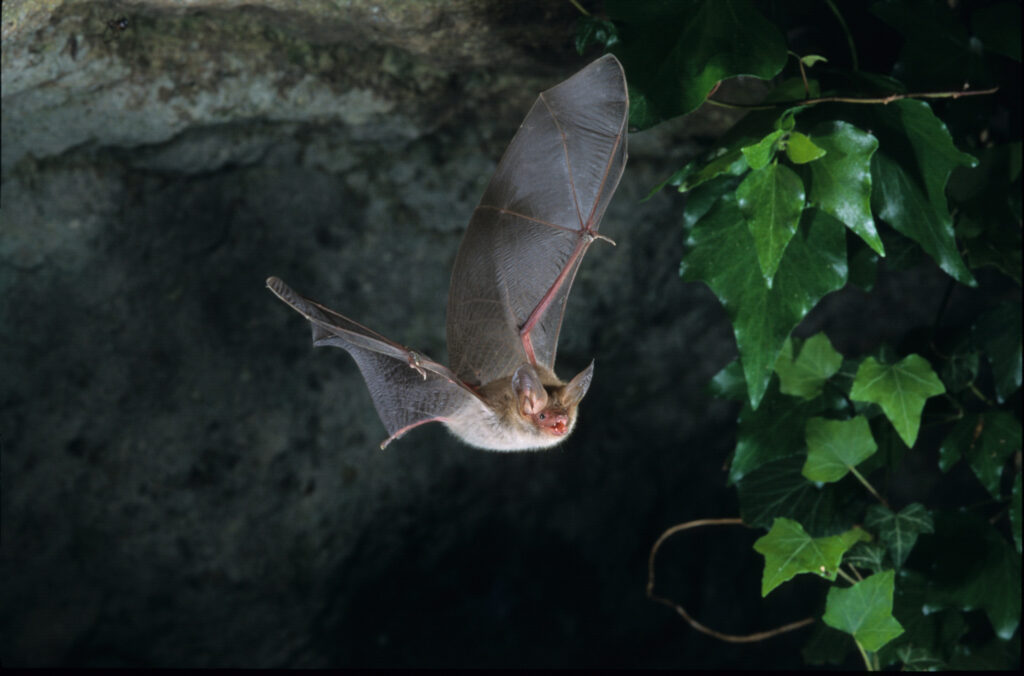
Bechstein’s bat (Myotis bechsteinii)
To evade capture, some moths have adapted to deflect this acoustic radar of bats. Luna Moths, large silk moths native to Eastern North America, spin the long tails of their wings to confuse their auditory signal. A relative of the Luna Moth, the African Moon Moth, employs the same technique in a different part of the world to avoid bats, as well. Researchers have found that, the longer the tails on a moth’s wings are, the more protected they are from bat attacks. This is because their tails create another target for the bats and lead them away from the moth’s vulnerable center.
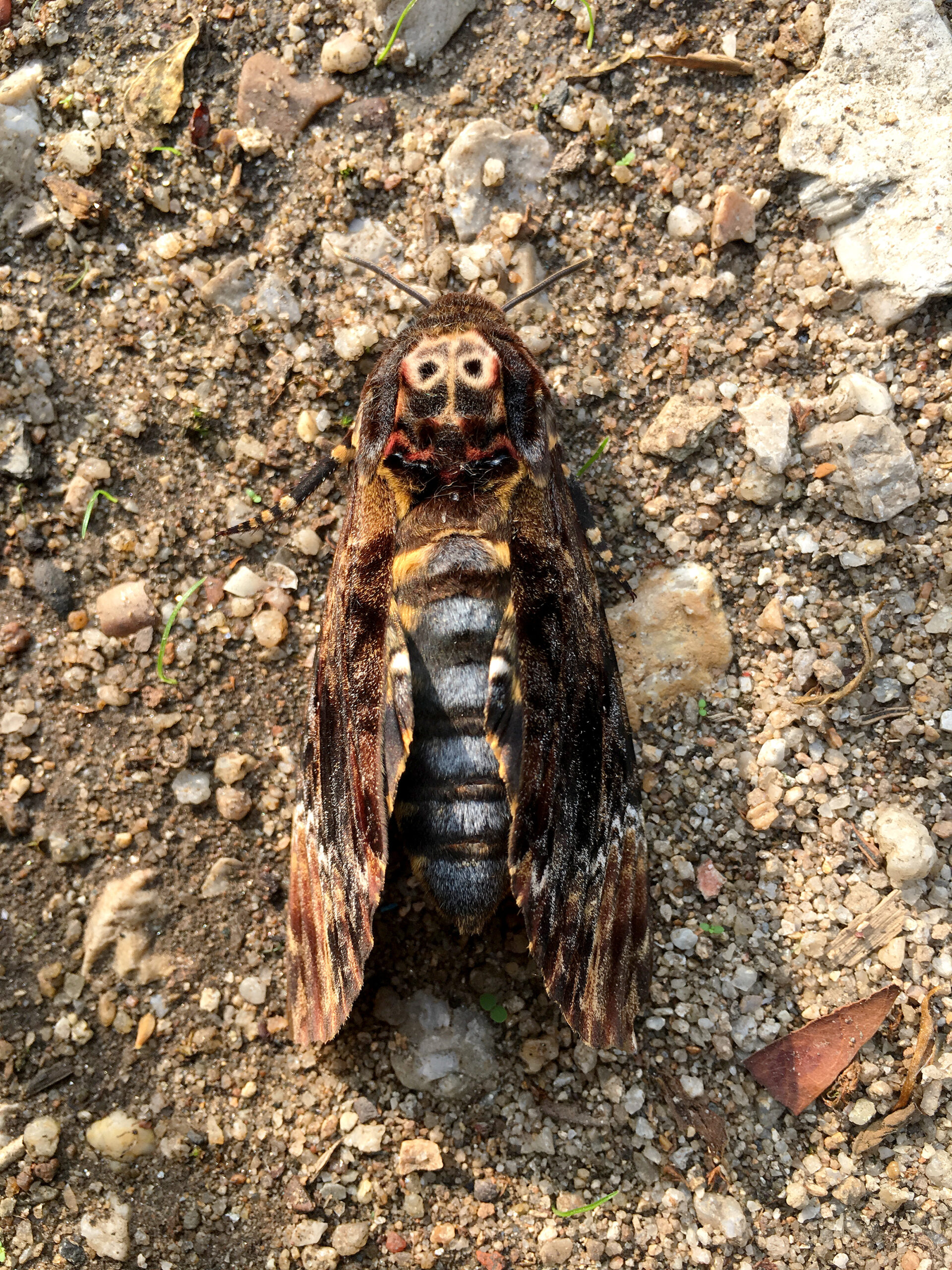
Greater death’s head hawkmoth (Acherontia lachesis)
Some moths like to keep up their neighbors. Despite their fearsome name and reputation, the Death’s-head Hawkmoth will squeak when they’re scared, using a flap in their throat as a defense mechanism. The Death’s-head Hawkmoth has a less cute habit of vibrating its genitals generating an ultrasonic frequency that wards off bats. Like Luna Moths, this strange technique acts as an echolocation disturbance in a bat’s radar.
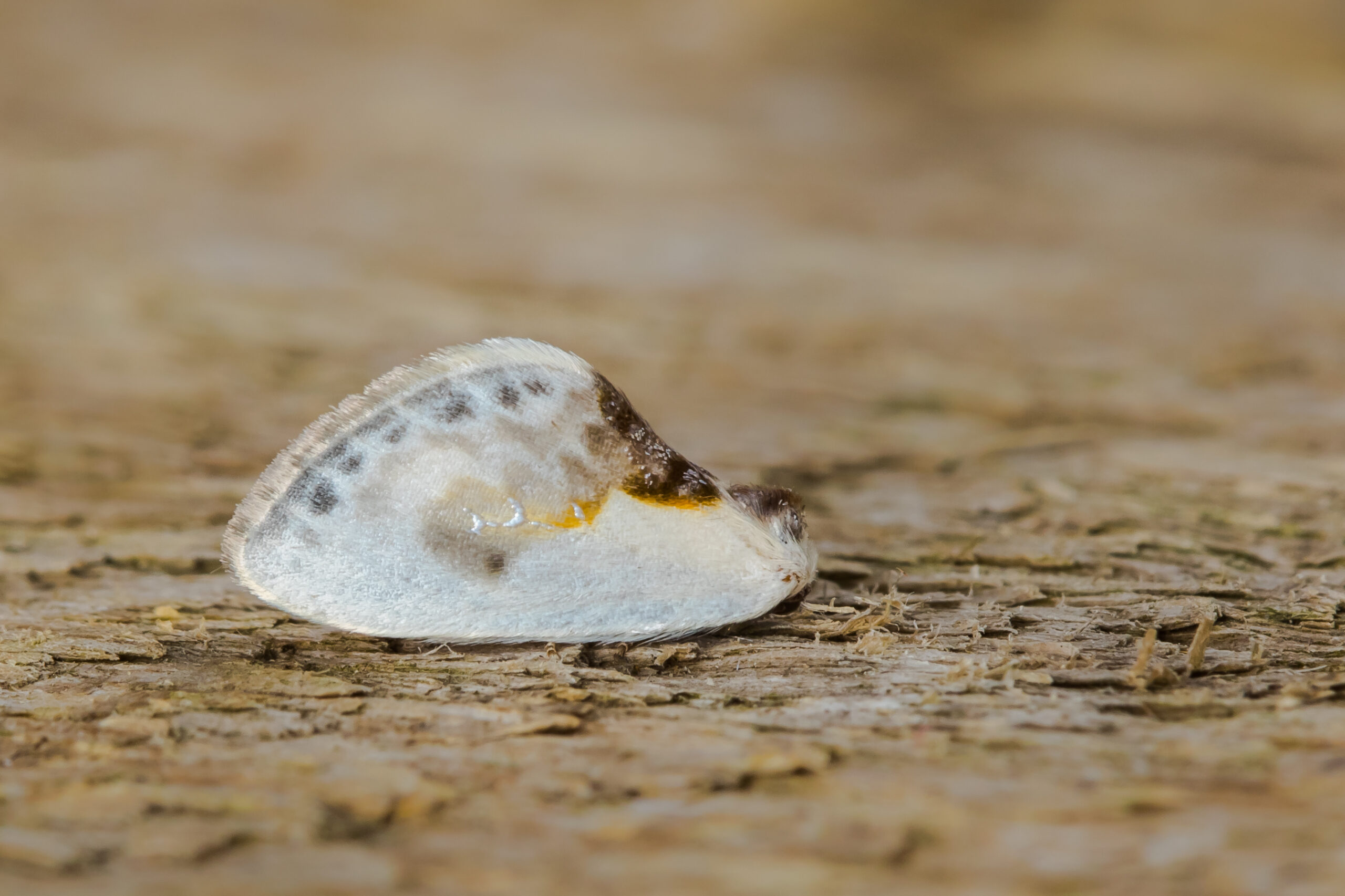
Chinese character moth (Cilix glaucata) disguised as a bird dropping
Moths can be vibrant as well as masters of camouflage, disguising themselves as bark, leaves, and broken twigs. Some moths, however, are a little more peculiar. The Chinese Character moth, for example, uses visual mimicry to disguise itself as bird poop. This repelling costume protects it from potential predators that don’t find avian feces appetizing.
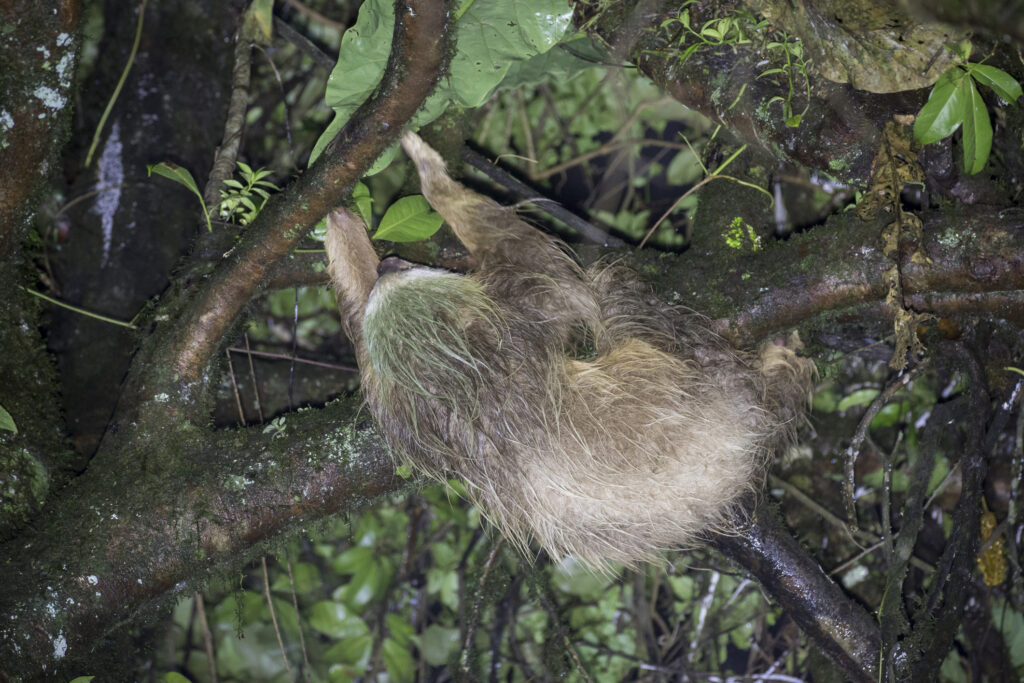
Hoffmann’s two-toed sloth
Some moths have forged unusual relationships with other animals. Cryptoses moths have developed a symbiotic relationship with both sloths and algae, meaning that they all mutually benefit from one other. Also known as the “sloth moth,” they live exclusively on the fur of sloths, feeding on the algae that also live there. There have been up to 120 of these moths found living on one sloth at a time! The eggs of sloth moths are laid in sloth dung, which a sloth will descend to the forest floor to deposit every week or so. When the eggs hatch into larvae, they will feed on the dung until they mature into adult moths and begin to live on sloth fur. This relationship is important because the moths provide essential nutrients for the algae to grow, which scientists believe that the sloth then eats and uses as a green camouflage.
Occasionally, moths have been spotted drinking the tears of sleeping animals, such as birds, turtles, or even crocodiles! Researchers believe that this behavior is due to the salt content of tears. Often, moths (as well as butterflies) will seek out salty substances in addition to their typical diet of nectar to supplement essential nutrients.
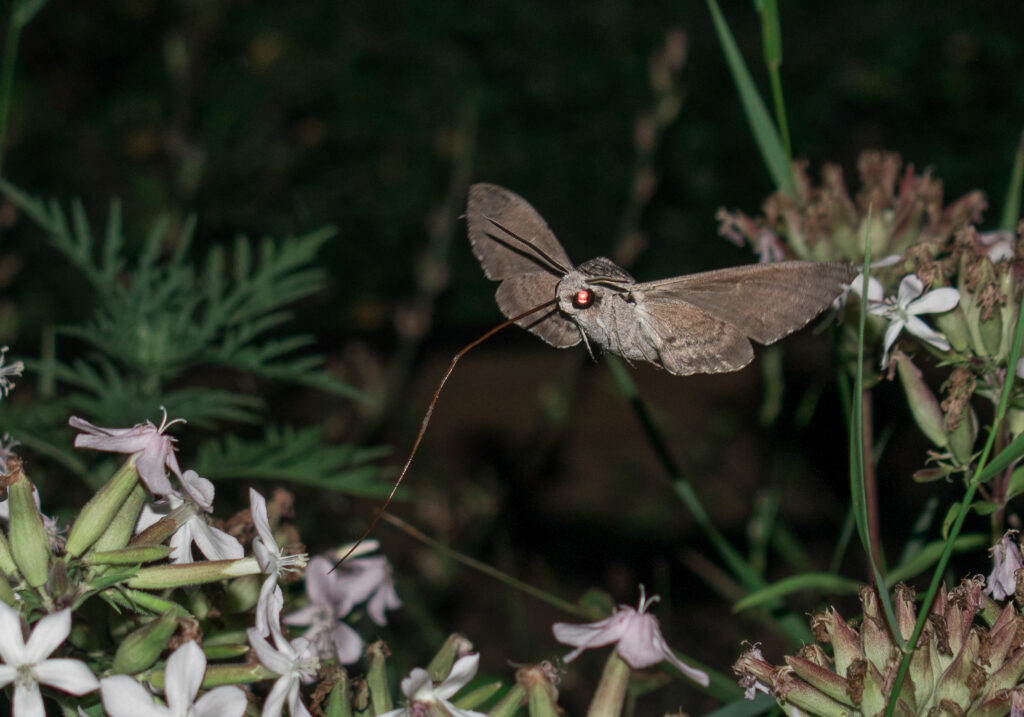
Sphinx moth feeds on flower nectar in the night
As nocturnal insects, moths love midnight snacks, flitting from flower to flower in search of nectar in the dark. This nighttime activity has made them expert pollinators, putting them up on the pollinator podium with bees. Researchers have found that moths are even more effective at pollinating at night when compared to bees in the daytime. Though they have less hours due to the shorter summer nights, they are diligent in their work. Thank moths for pulling the night shift on the world’s pollinating work!
Though peculiar, these nocturnal habits of moths are what allow them to thrive in the nighttime wilderness. Moths are incredibly important to our ecosystems, making it important for us to understand these strange behaviors so that we can better protect and conserve them.
Written by Kenzie Claflin