
Migrating Monarch Conservation Gardening
This past winter, the U.S. Fish and Wildlife Service proposed a rule to list Monarch butterflies as threatened under the Endangered Species Act. The iconic migration along the east side of the Rocky Mountains sees Monarchs flying from as far north as Canada, down to the Oyamel forests in Mexico. Most of these butterflies travel through the Great Plains Region of the United States, with the Front Range being the western boundary of the migratory pathway. Starting in March, the Monarchs begin their journey north again, reproducing and laying eggs as they go. The Monarchs continue north over multiple generations, limited by the availability of milkweed host plants and nectar sources for adult butterflies. This continues throughout the summer until late August, when the migration south begins again. In December of 2024, the overwintering populations occupied 4.42 acres of forest in Mexico, nearly double what was recorded in December of 2023 (2.22 acres). While this population jump is exciting news, 2024 still marked the second lowest year of overwintering Monarchs in the past decade. This information, along with the proposed conservation status, highlights the importance of conservation efforts for these magnificent butterflies.
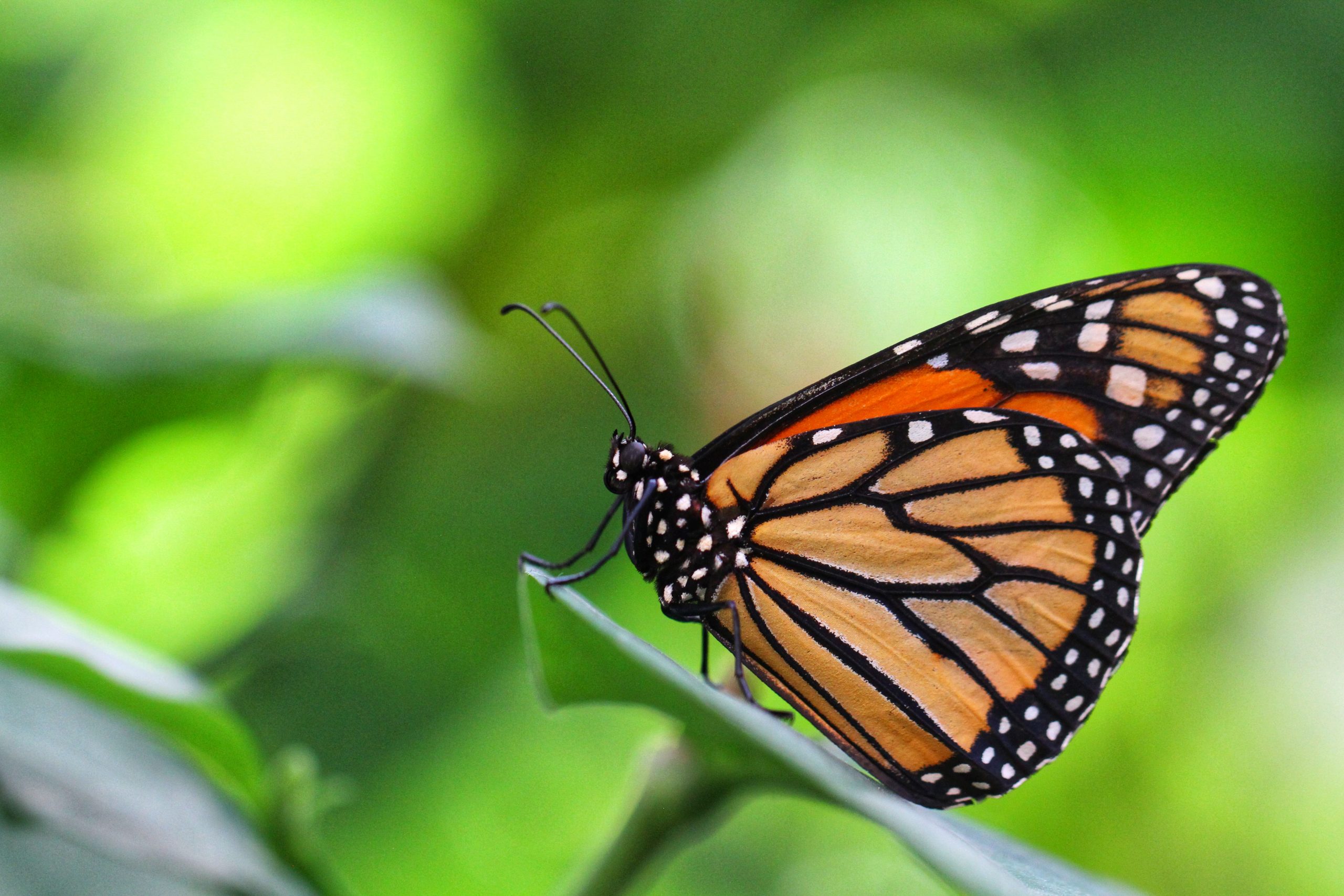
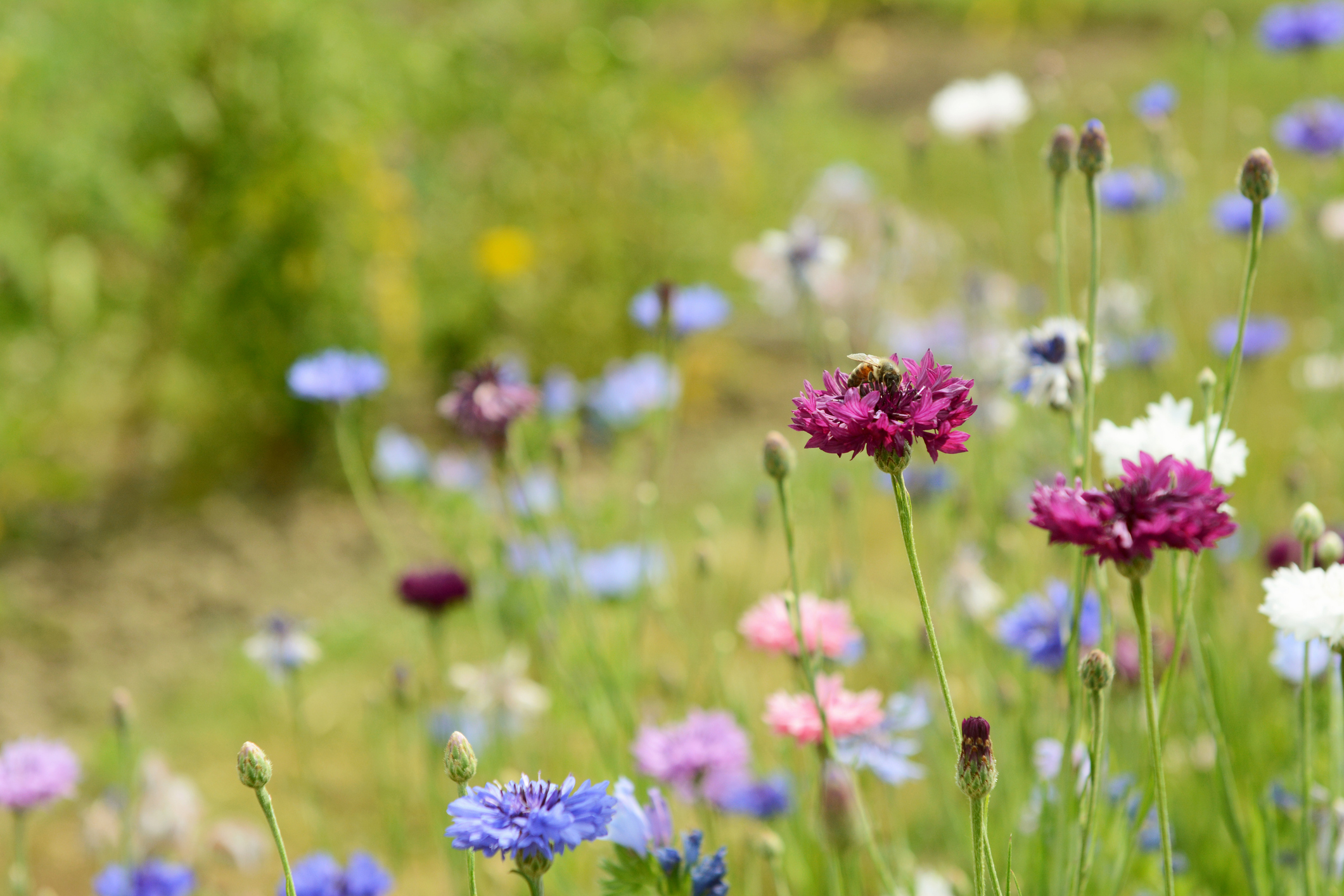
Gardeners in Northern Colorado can help support monarch populations by creating habitat in their own gardens. In addition to planting milkweed, having preferred nectar sources can attract not only Monarchs, but all kinds of native pollinators. Determining which plants are best for your garden can be overwhelming. We’ve composed a list of suggested plant species to support Monarchs, based off the most recent scientific findings.
Click the link to discover Preferred Nectar Sources for Monarch Butterflies in the Great Plains Region
Sources:
(Spaeth et al, https://esajournals.onlinelibrary.wiley.com/doi/full/10.1002/ecs2.70085), (MonarchWatch.org), (Xerces Society: https://www.xerces.org/sites/default/files/publications/19-019.pdf).
Early spring can be frustrating for gardeners. The weather can veer from heavenly to horrid in an hour. We begin to see green shoots but it’s too early to do much in the garden. So, to allay your frustrations, I will share with you a big garden project. It’s the perfect time to think about soil! Soil is the foundation of terrestrial habitats, and yet most of us know so little about it. We might think of it just as something to walk upon, or something that gets our hands dirty. But soil is a living ecosystem and for our above-ground ecosystems to be healthy, we also must care for the ecosystem under our feet. Soil is made up of organic material (decomposing vegetation and animals, roots, live fungi, live animals, bacteria) and inorganic material (minerals). All of these living things form a community that cycles nutrients and makes them available for plants, which in turn, make the planet habitable for us.
The texture and structure of soil varies depending on where you live, the result of eons of geological and biological activity. The soil where you live is affected by wetting/drying cycles, freezing/thawing cycles, root penetration, microbiology and animal activity, and interactions between elements in the soil. Complaining about soil is a gardener’s favorite pastime, but there are pros and cons to every type. Sand tends to have better water and air infiltration than clay, but clay holds nutrients better than sand. It is beneficial to have a balance of all soil textures in soil for both water and air infiltration, and nutrient absorption. All these characteristics influence how easy it is for a plant to grow, and you may find that you must amend your soil to be successful.
So, what are the top things you should do to have healthy soil in your habitat?
- Test your soil – It’s tempting to move forward with garden preparation before knowing exactly what kind of soil you have, but having a full diagnosis of soil texture and chemistry could save you money and effort over the long term. Most county extension agents offer soil testing for a reasonable rate, and their results are going to be the most reliable.
- Amend mindfully – Depending on what you are trying to grow (a pollinator garden vs. sweet corn, for example), you may not have to amend your soil much. Base your amendment strategy on your soil test results. Adding organic compost from a reputable source is usually a good tactic to improve porosity and nutrients, but I recommend a moderate approach. Too much at once may put too much salt in the soil or give you an exuberant crop of weeds.
- Minimize disturbance – We may all want to get in the garden right now, but especially when the soil is wet, the best course is to limit traffic. Every footstep compresses the soil which may make it more difficult for water to percolate or roots to grow. Instead, create pathways that allow you to maintain your garden without compacting gentle roots. Over-tilling can also lead to future compaction and loss of soil structure.
- Highlight native plants – Not only do our native plants offer resources to pollinators and birds, but they also have adapted to thrive in our challenging conditions. By including more native plants in our gardens, we have to do less adjusting of our soil and other features.
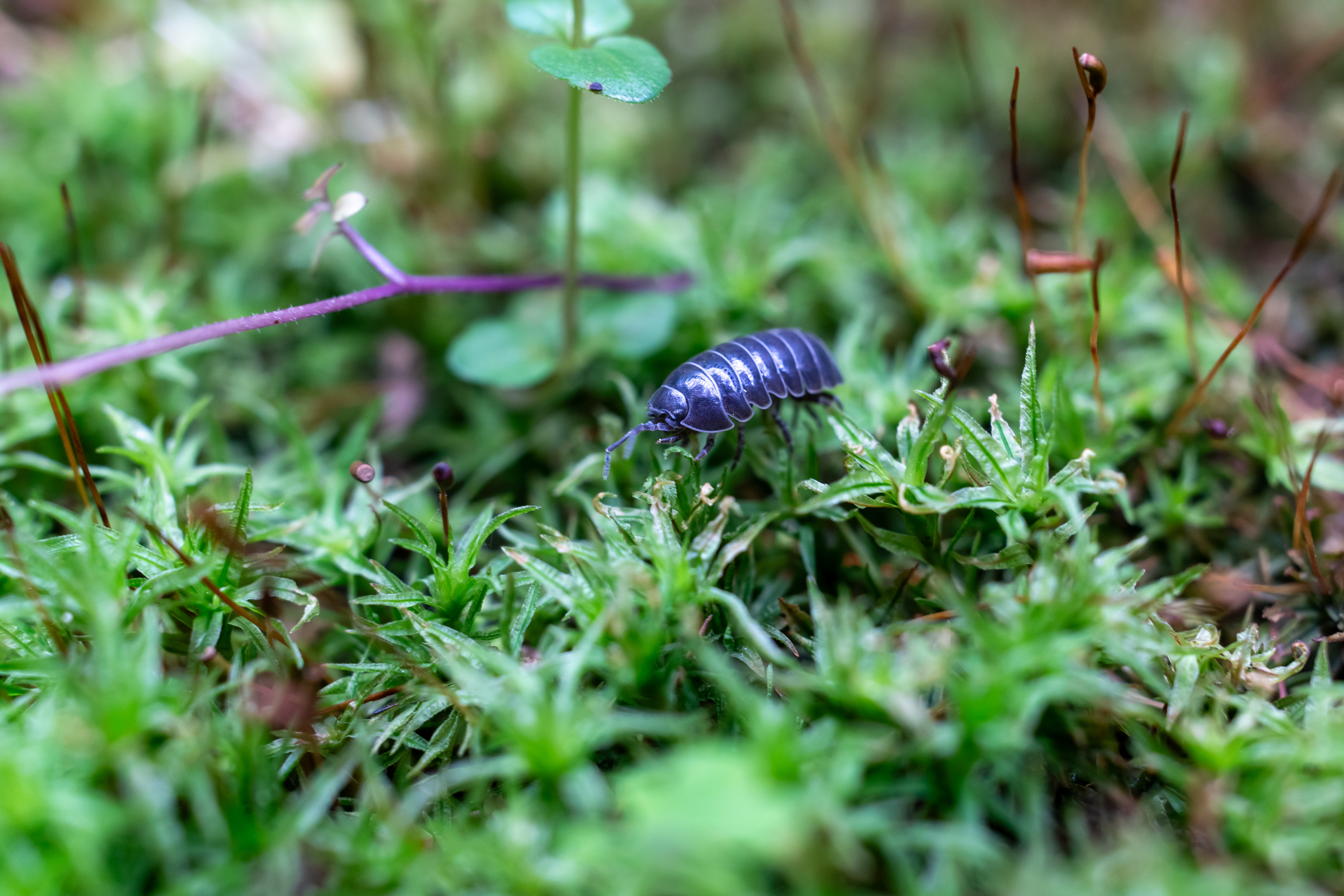
- Celebrate our soil invertebrates – When was the last time you were glad to see a roly poly or springtail? They may not be the size or color of a bumble bee or butterfly, but these creatures ensure that nutrients are available for the plants we’re trying to grow. Not only should we appreciate them in our garden, but we should also make sure they can thrive. Avoiding landscape fabric is a powerful way to promote biodiversity in your garden – helping your garden and the planet.
Written by Amy Yarger, Senior Director of Horticulture
In 1995, Butterfly Pavilion opened its doors for the first time. What followed was three decades of groundbreaking research, conservation, and education aimed at protecting the most essential creatures on Earth: invertebrates. Despite making up 97% of all known animal species on earth and forming the foundation of nature’s ecosystems, invertebrates are being faced with habitat loss, climate change, and harmful pesticides that threaten their numbers. At Butterfly Pavilion, our mission has always been to find tangible solutions to this ‘invertebrate apocalypse.” The Rocky Mountain Butterfly Consortium was established in 1990, and it only took a few short years to open the nation’s first freestanding butterfly house. With Water’s Edge opening in 1998, a 13,000 square ft. expansion in 2004, and the Dee Lidvall Discovery Garden in 2007, Butterfly Pavilion has evolved into the world’s first Association of Zoos and Aquariums (AZA)-accredited nonprofit, standalone invertebrate zoo with an inspiring legacy.
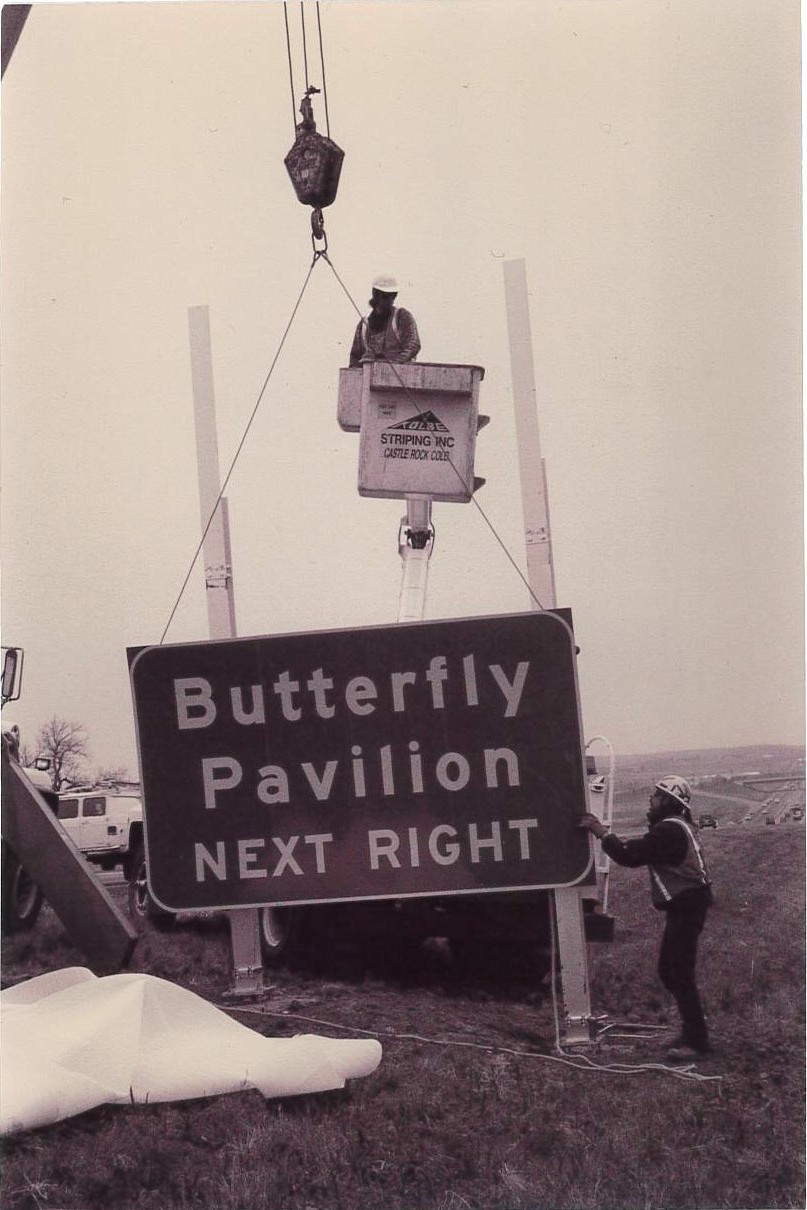

Throughout the years, Butterfly Pavilion has participated in a large scope of collaborations and initiatives, ranging from rearing fireflies in Colorado to bee fencing for mitigating human-elephant conflict in Tanzania. In 2018, we were at the forefront of a national coral rescue project in the Florida Reef Tract. Our collaborations include improving tarantula survival with the Colorado Department of Transportation and we even had a one-time consultation for NASA’s “Butterflies and Spiders in Space” experiment, not to mention the popular partnership with Colorado State University aimed at capitalizing on resources for aspiring scientists. Community engagement is a tenet of Butterfly Pavilion’s philosophy; over 60,000 students annually immerse themselves in field trips, camps, and virtual learning opportunities that aim to educate and inspire the next generation of scientists. But for those who already have careers and adult lives, Butterfly Pavilion has ways to get involved including our adult program series with rainforest yoga, workshops, lectures and after-hour events. Community science offers additional opportunities to help Butterfly Pavilion scientists collect important data and restore open spaces in Colorado. Butterfly monitoring with the Colorado Butterfly Monitoring Network, one of our community science programs, is an accessible and interesting way to get involved in invertebrate conservation by observing, monitoring, and identifying butterfly populations in Colorado. Our Urban Prairies Project is another program that provides an easy way for community members to participate in hands-on restoration, data collection, and community outreach. With interactive exhibits, programs, and events, Butterfly Pavilion maintains its commitment to research, conservation, and education within and beyond local communities.
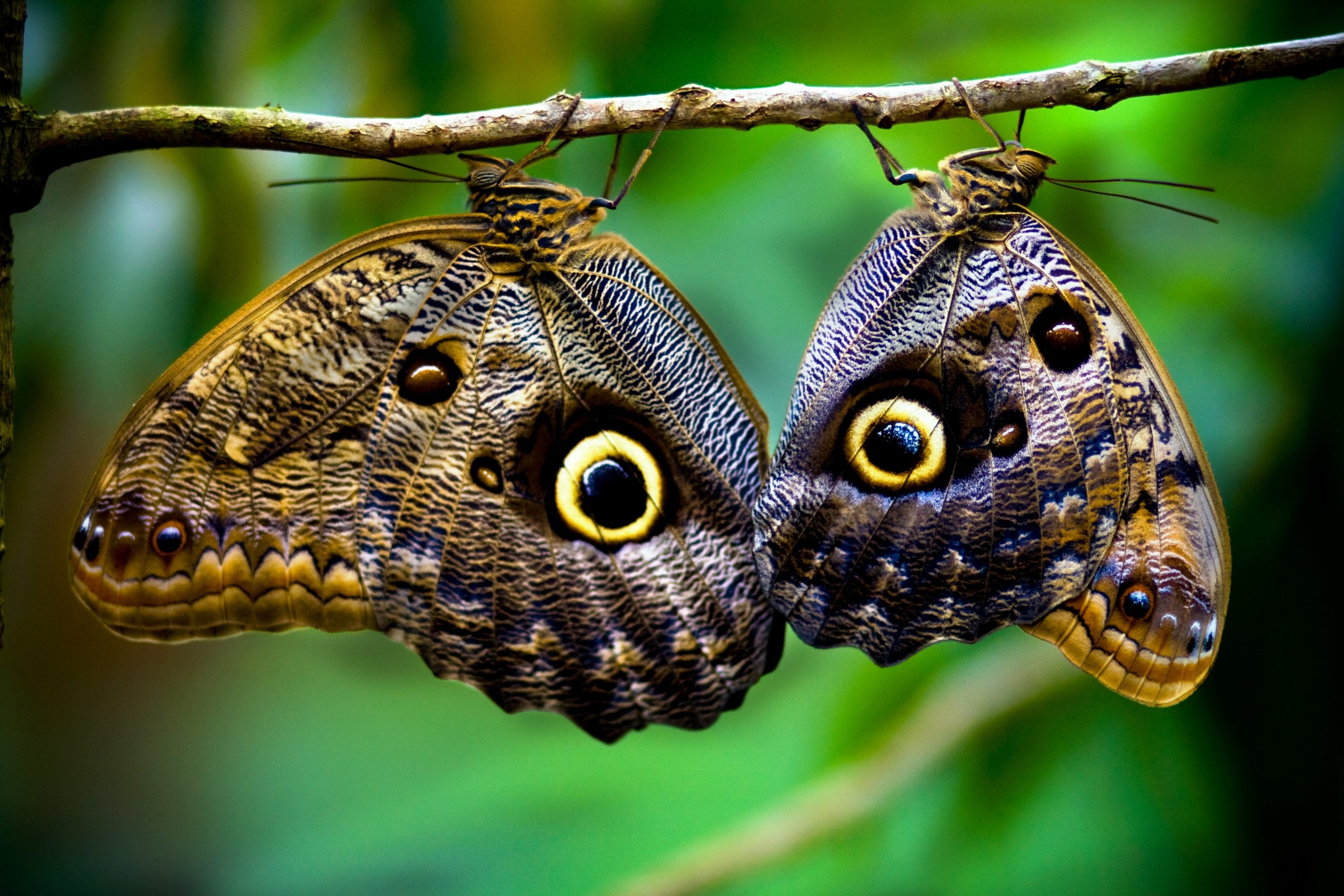
Butterfly Pavilion’s wonderful community has long supported our mission with donations, volunteer time, and participation in the wide variety of events we design to explore the inner worlds of our most fascinating creatures. However, our mission does not stop here: we are just getting started. With new exhibits like Legacies: Invertebrates of Mexico opening on March 15, 2025 and a global conservation effort in partnership with the government of Mexico thanks to an AZA grant, Butterfly Pavilion is looking to the next years’ potential for expansion and conservational development. Butterfly Ball Colorado, Spiders Around the World, Monarch Magic, and other recurring annual events are staples in our mission and will continue to be a key part of community outreach. Honoring the importance of these creatures and their cultural significance, beyond their contributions to the ecosystems they inhabit, can take shape in many different avenues, and here at Butterfly Pavilion we remain committed to pioneering invertebrate, research, and education.
From winter’s expansive views to summer’s bountiful blooms, Butterfly Pavilion’s outdoor gardens offer new and seasonal experiences throughout the year. The hundreds of plant and animal species that call our ten acres home are key to these experiences. Since our outdoor gardens are designed and maintained to provide habitat for invertebrates and other wildlife, the horticulture team evaluates them each year to understand how we can improve their conditions in our region. This year and every year, the garden teaches us many lessons – here are some of our observations from 2024.
Many of us picture gardens as bare for half the year, but in 2024, the garden’s first blooming plants, snowdrops (Galanthus spp.) and dwarf iris (Iris reticulata) started the color parade on February 14th, just in time to show our resident honey bee colonies some love. Our gardens then bloomed consistently all the way until November 11th with native asters and rabbitbrush (Ericameria spp.). Butterfly Pavilion’s horticulture staff works hard to feature early and late blooming plants to support pollinators during times of year when resources are sparse. Early pollinators at Butterfly Pavilion rely on plants such as Oregon grape (Mahonia repens), chokecherry (Prunus virginiana), golden currant (Ribes aureum), and catmint (Nepeta spp.), while late pollinators visit our Maximilian sunflowers (Helianthus maximilianii), rabbitbrush, tansyasters (Machaeranthera canescens), and pitcher sage (Salvia azurea).
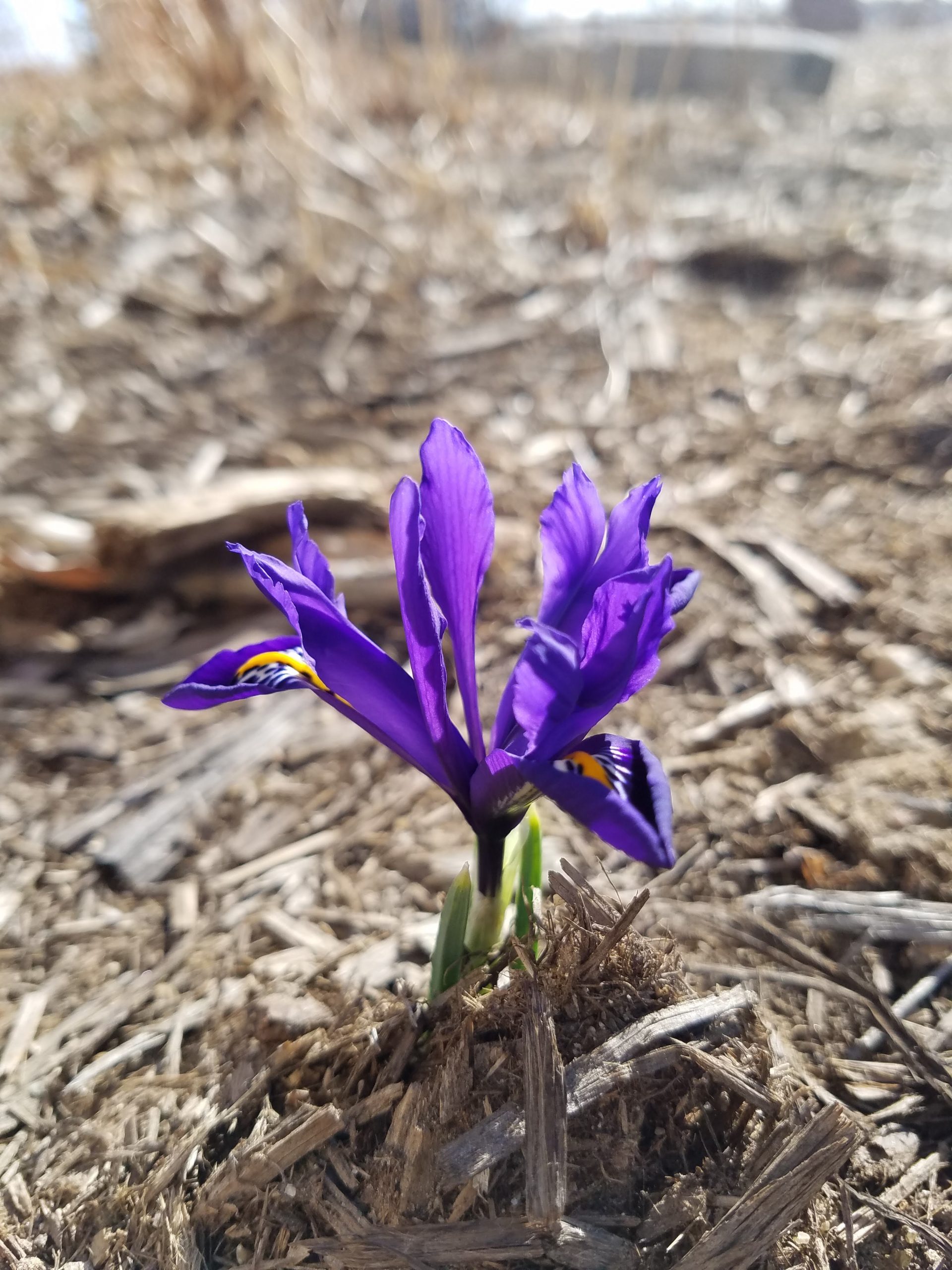

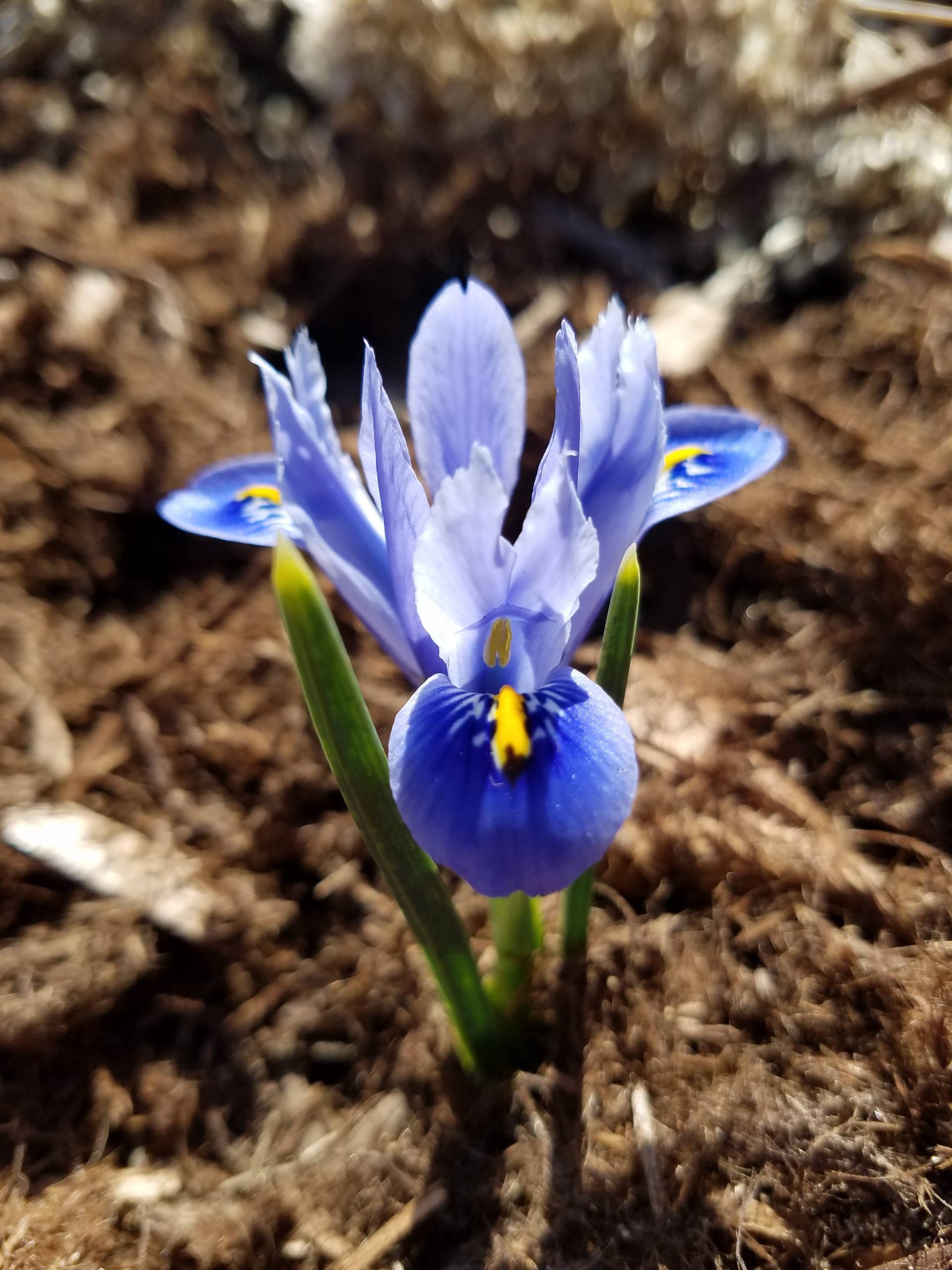
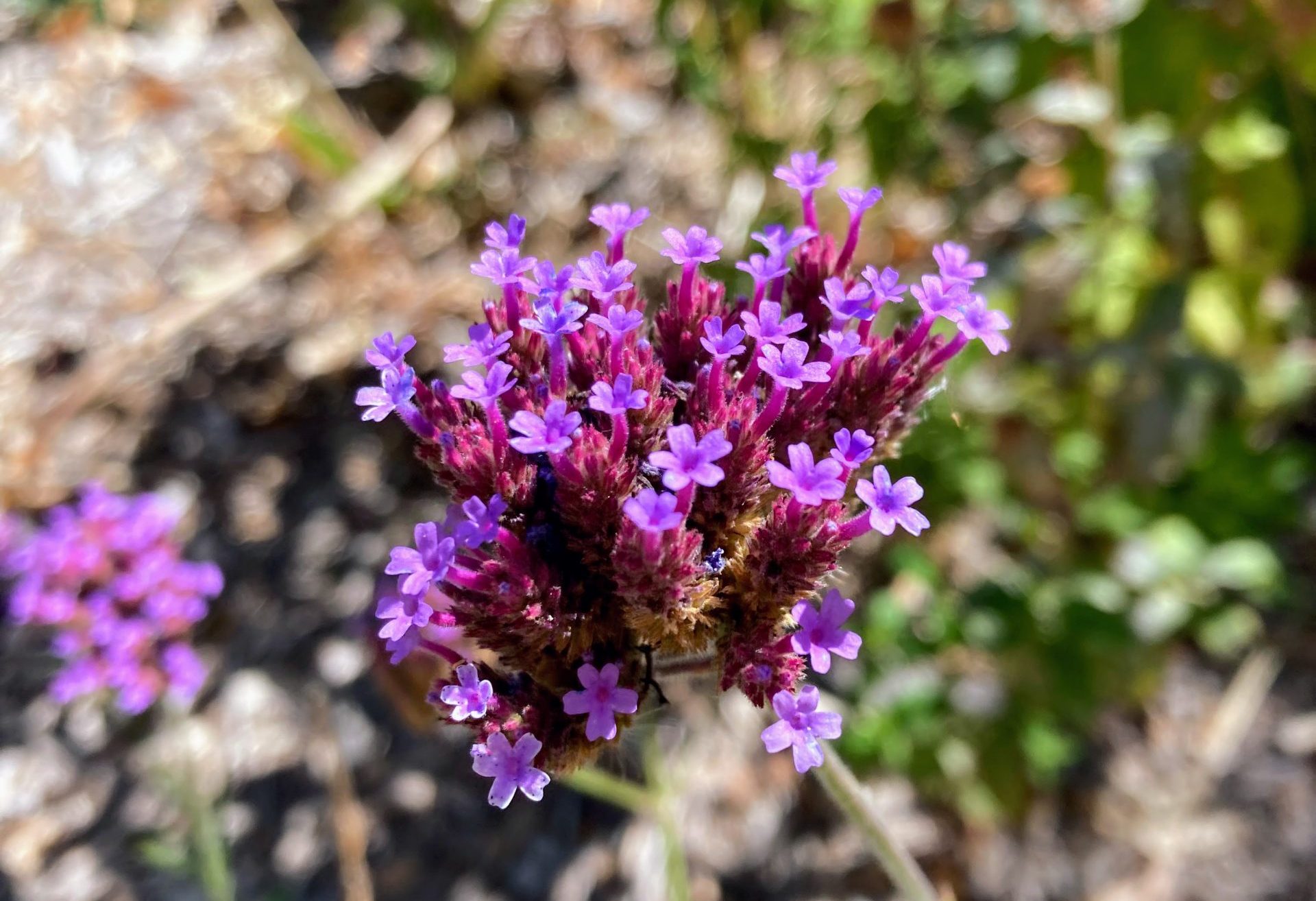
But if you want to visit our gardens during the most eye-catching time, our observations indicate that you can’t go wrong during early June or late August. This is when the most plant species are blooming all at once, putting on a colorful show! Gardeners who want to plant something easy with a long blooming season might choose some of our favorite workhorses: Engelmann’s daisy (Engelmannia peristenia), chocolate flower (Berlandiera lyrata), South American vervain (Verbena bonariensis), and California fuchsia (Epilobium canum). These mostly xeric species bloom consistently for months with very little maintenance from late spring to mid fall.
Not only are we interested in what plants are blooming, we’re also interested in what insects are visiting them. Throughout 2024, we recorded 25 different kinds of bees, as well as wasps, bee flies, soldier flies, hover flies, soldier beetles, longhorn beetles, and lady beetles. We were also graced with the presence of over 15 different butterflies and moths, and even regular visits from broad-tailed hummingbirds. From early July to the middle of August, we recorded the highest diversity of pollinators visiting our gardens.
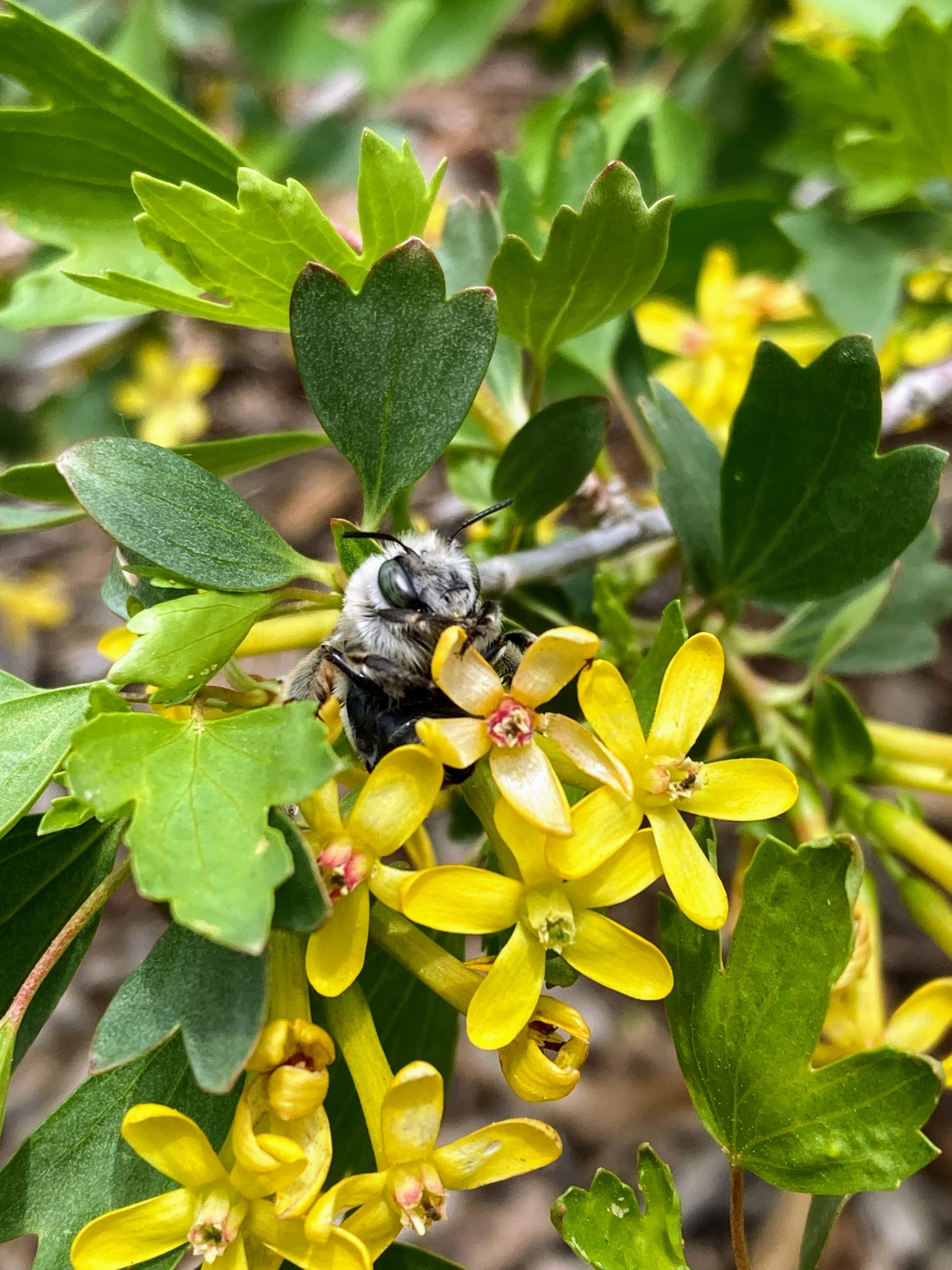
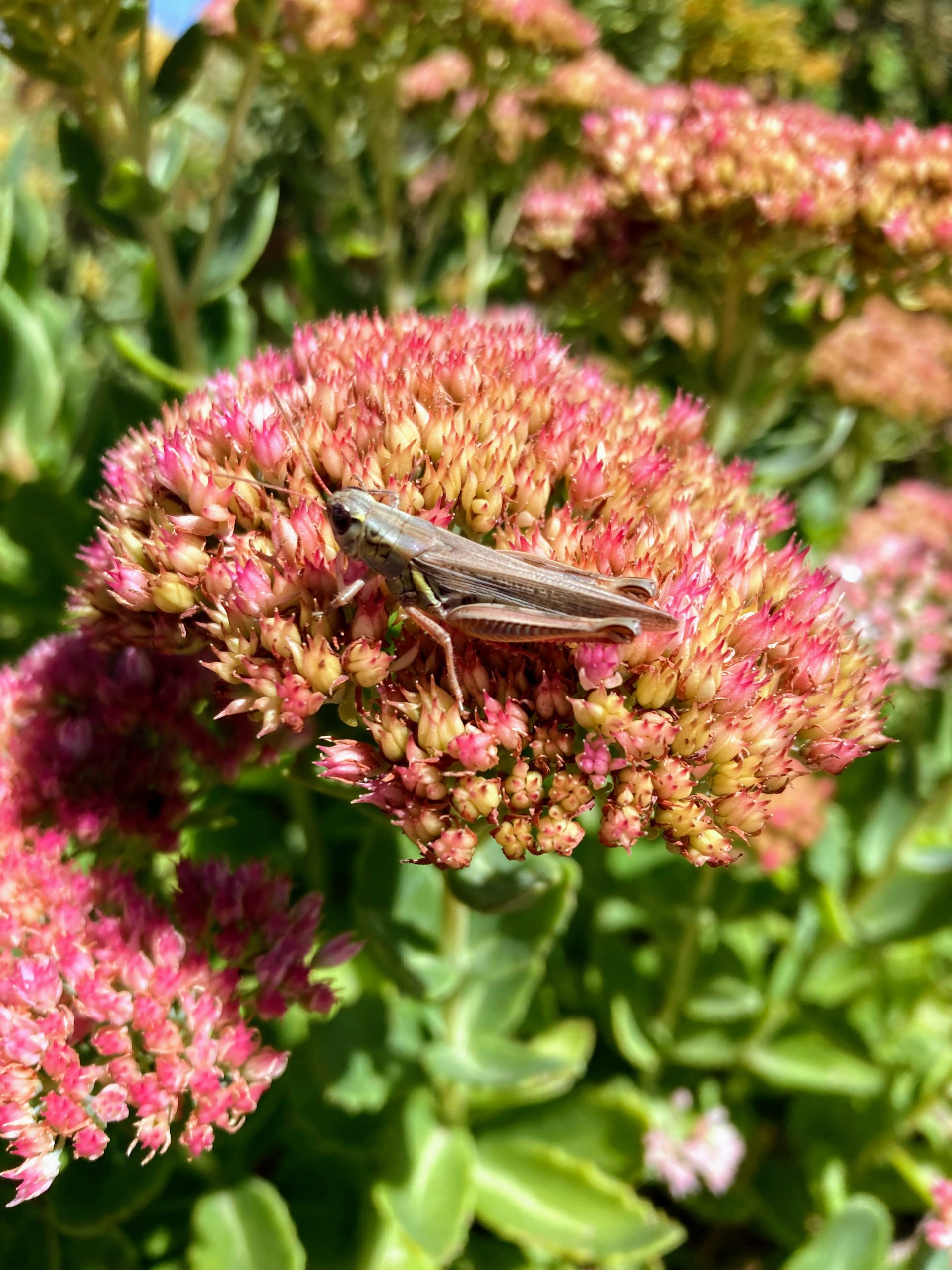
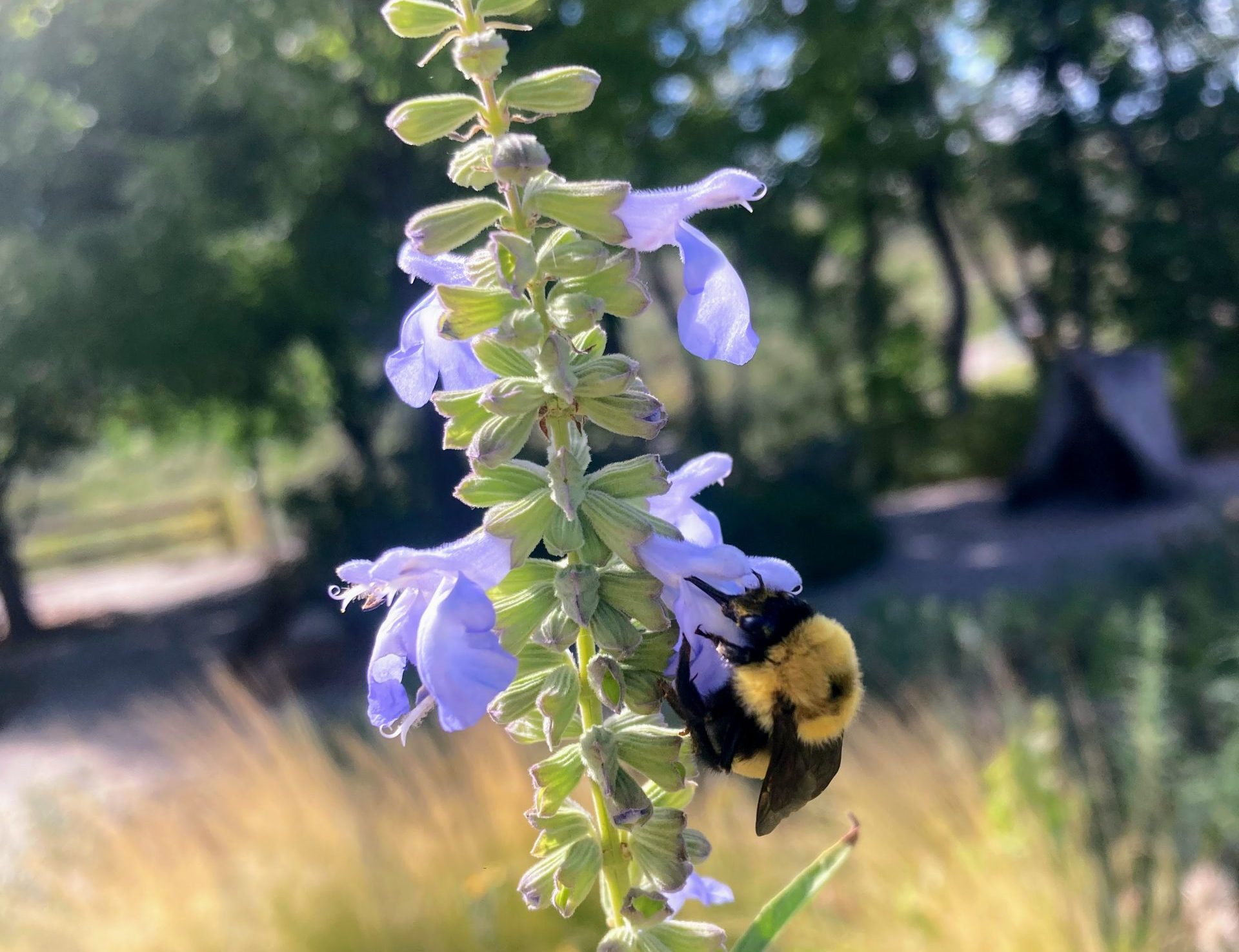
The native plants that attracted the most kinds of insects were annual sunflower (Helianthus annuus), rabbitbrush, goldenrod (Solidago canadensis), and pitcher sage (Salvia azurea). Some of these plants are important for specialists. In our gardens, we see close associations between longhorn bees and sunflowers, for example, or between Colorado soldier beetles and rabbitbrush. A flower like the blue pitcher sage will attract pollinators with long tongues, everything from fuzzy bumble bee queens to monarch butterflies (Danaus plexippus). We also observed that a few exotic species, such as South American vervain (Verbena bonariensis) and butterfly bushes (Buddleia davidii), supported many species of generalist pollinators, especially butterflies and moths. In those cases, it’s still important to grow the native hosts to ensure these pollinators can complete their life cycles.
During this year’s hot dry summer and winter’s windy blasts, the gardens here at Butterfly Pavilion were a haven for pollinators and other wildlife. These gardens are also places for guests to enjoy and learn about the natural world. Butterfly Pavilion’s outdoor gardens not only display shady trees, colorful flowers and fascinating invertebrates; they also yield intriguing insight into how invertebrates and garden plants interact. The horticulture team will continue to evaluate our gardens to understand how changes in the local climate and plant diversity might impact our urban invertebrates.
By Amy Yarger, Senior Director of Horticulture
Gift Shop Vendor Highlight – Left Hand Studios
Left Hand Studios is a women-owned jewelry designer, manufacturer, and wholesaler based out of Longmont, CO. They are very mindful about the impact that their processes and products have on customers, the environment, and the economy.
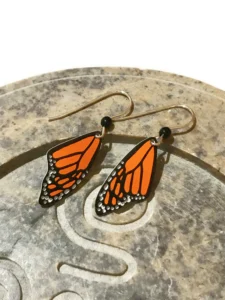
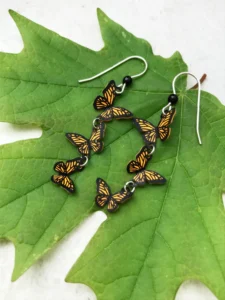
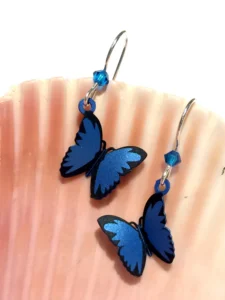
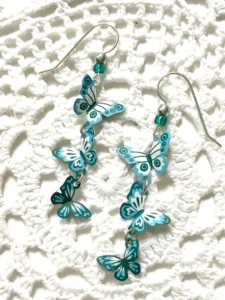
For example, their jewelry is hand crafted in the United States with materials purchased from American companies. They also strategically place products in stores located in small towns or in non-profits, like Butterfly Pavilion, in order to encourage the growth of local economies and mission-based organizations. Furthermore, Left Hand Studios backs up their promise to do their part in protecting our environment with a list of actions that they take/have taken: no harmful chemicals or materials used in production, 100% wind-powered facilities, large volume recycling of all materials that are recyclable, and second-hand/used office furniture is common in their offices.
Shop Left Hand Studios and our large selection of jewelry in-store at Butterfly Pavilion!
Tejiendo Hilos de Cultura: las Arañas en los Mitos y Folklore
A medida que las hojas cambian y los días se acortan, recordamos las intrincadas conexiones de la naturaleza con nuestras vidas. Como mascotas durante la temporada de Halloween, su sorprendente belleza ha encontrado expresión en la literatura y las costumbres, simbolizando la creatividad, la sabiduría y la interconexión. Con este espíritu, celebramos a todos los invertebrados, especialmente a nuestros amigos de ocho patas, por su papel esencial en nuestro ecosistema. A través de historias globales, nuestro objetivo es inspirar a otros a enfrentar su aracnofobia y explorar el extraordinario mundo de las arañas y todo lo que hacen por nuestro planeta. En última instancia, esperamos fomentar una nueva apreciación por estos invertebrados, fomentando una perspectiva llena de asombro en lugar de miedo.
Charlotte’s Web
Las canciones infantiles “Itsy-Bitsy Spider” y “Little Miss Muffet” presentan a muchos niños a las arañas de una manera lúdica, pero pueden fomentar sentimientos de miedo. Por el contrario, Charlette’s Web de E.B. White presenta a Charlotte, una araña de granero, como símbolo de amistad y altruismo. A través de su sabiduría y paciencia, Charlotte reforma la percepción de las arañas, demostrando que las arañas pueden ser aliadas en lugar de enemigas. Esta historia utiliza el ingenio y la inteligencia de una araña para resaltar lecciones importantes sobre la valentía, la compasión y la intrincada naturaleza de la comunicación en las relaciones.
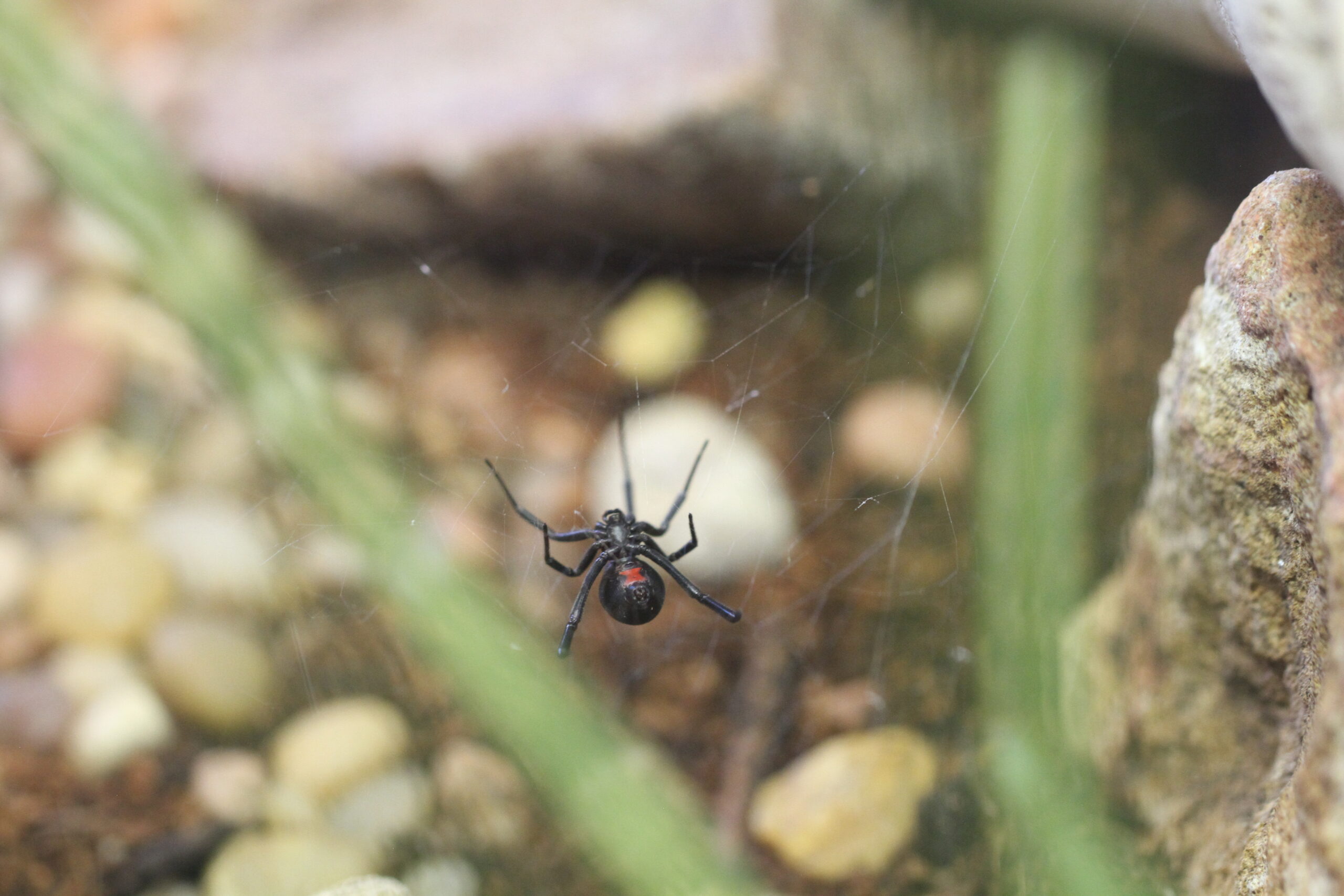
Dato curioso: las viudas negras masculinas y femeninas infundirán en su seda aromas sexualmente específicos que utilizarán para tejer su red. Luego, los machos tocarán diferentes líneas mientras explora la red y, a veces, cortarán diferentes lugares de la red para atrapar a la hembra más cerca de él.
Arachne y Athena: La Primera Araña
El mito de Arachne de la antigua Grecia ilustra la dualidad de las arañas. Arachne, una talentosa tejedora, era conocida por su habilidad excepcional pero también por su orgullo. Su confianza la llevó a desafiar a la diosa de la sabiduría y la artesanía, Athena, a un concurso de tejido. Cuando Arachne triunfó, Athena, enfurecida por su arrogancia, la transformó en araña, condenándola a tejer por la eternidad. Esta historia no sólo nos presenta la “primera araña” literal, sino que también destaca temas de orgullo, humildad y la intrincada naturaleza del arte y la paciencia. El cuento de Arachne nos recuerda que, si bien las arañas pueden verse como símbolos de precaución, también encarnan la belleza y la complejidad de la creación.
Dato curioso: las arañas lobo reciben su nombre de los lobos porque la mayoría de ellas en realidad no tejen telas. En cambio, persiguen y se abalanzan sobre sus insectos presa, de forma similar a los lobos. Cuando las arañas lobo atrapan a sus presas, las aplastan hasta formar una bola o les inyectan veneno, licuando sus órganos.
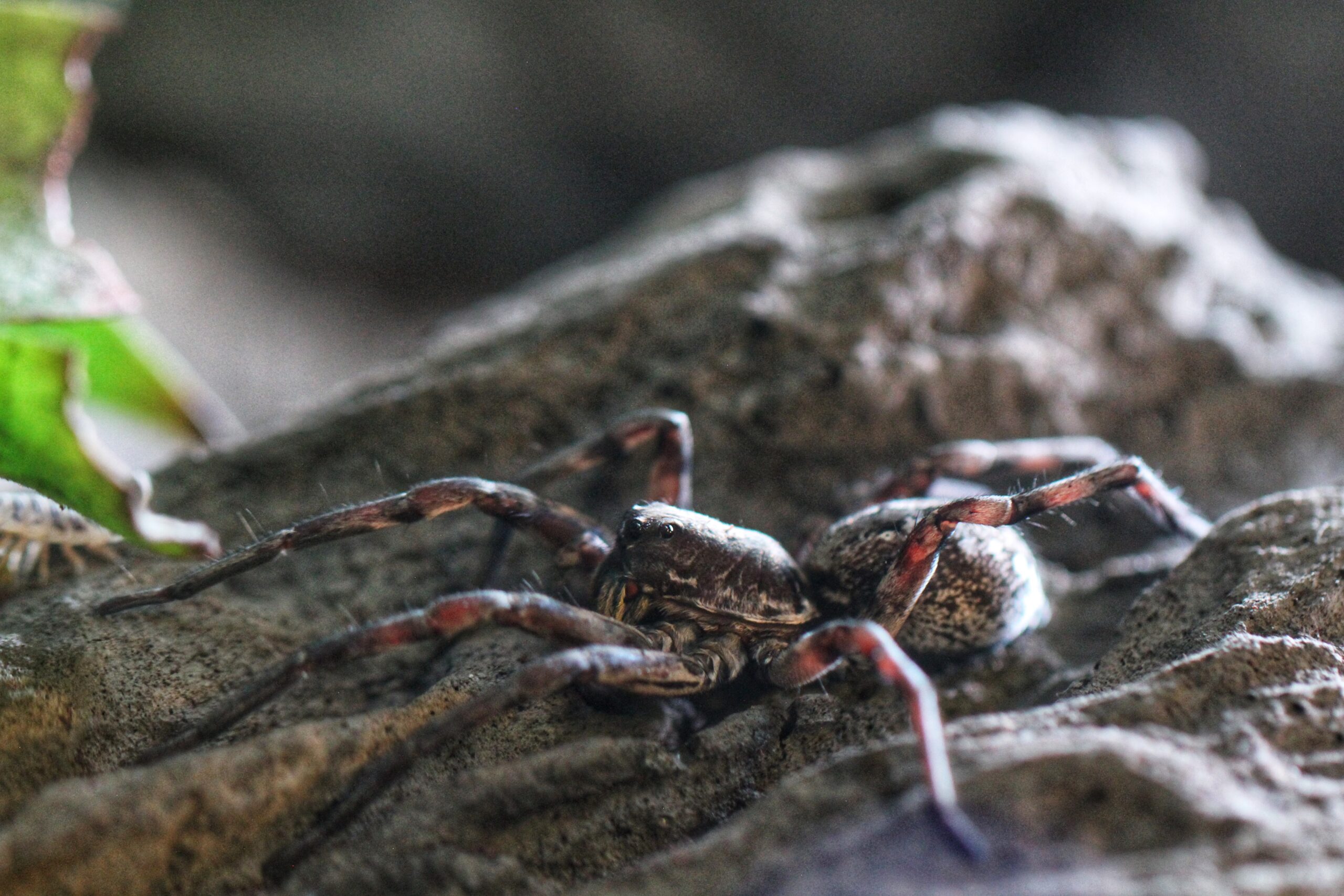
El Jorōgumo: Belleza y Peligro
En el folclore Japonés, el Jorōgumo es un fascinante yōkai- una araña gigante que puede transformarse en una hermosa mujer. Al contrario de la historia de Arachne, Jorōgumo se transforma en una forma femenina para encantar y atraer a hombres desprevenidos a sus telarañas mortales. Aunque representa una amenaza, su legado la ha convertido en una figura querida en la literatura, las obras de kabuki y los medios contemporáneos, lo que ilustra la fascinación duradera por las arañas por ser una criatura cautivadora pero calculada.
Dato curioso: la seda de la araña Joro es increíblemente fuerte y se ha utilizado tradicionalmente en Japón para fabricar textiles como redes de pesca. Sus llamativos patrones amarillos y negros y sus marcas rojas los hacen bastante distintos.
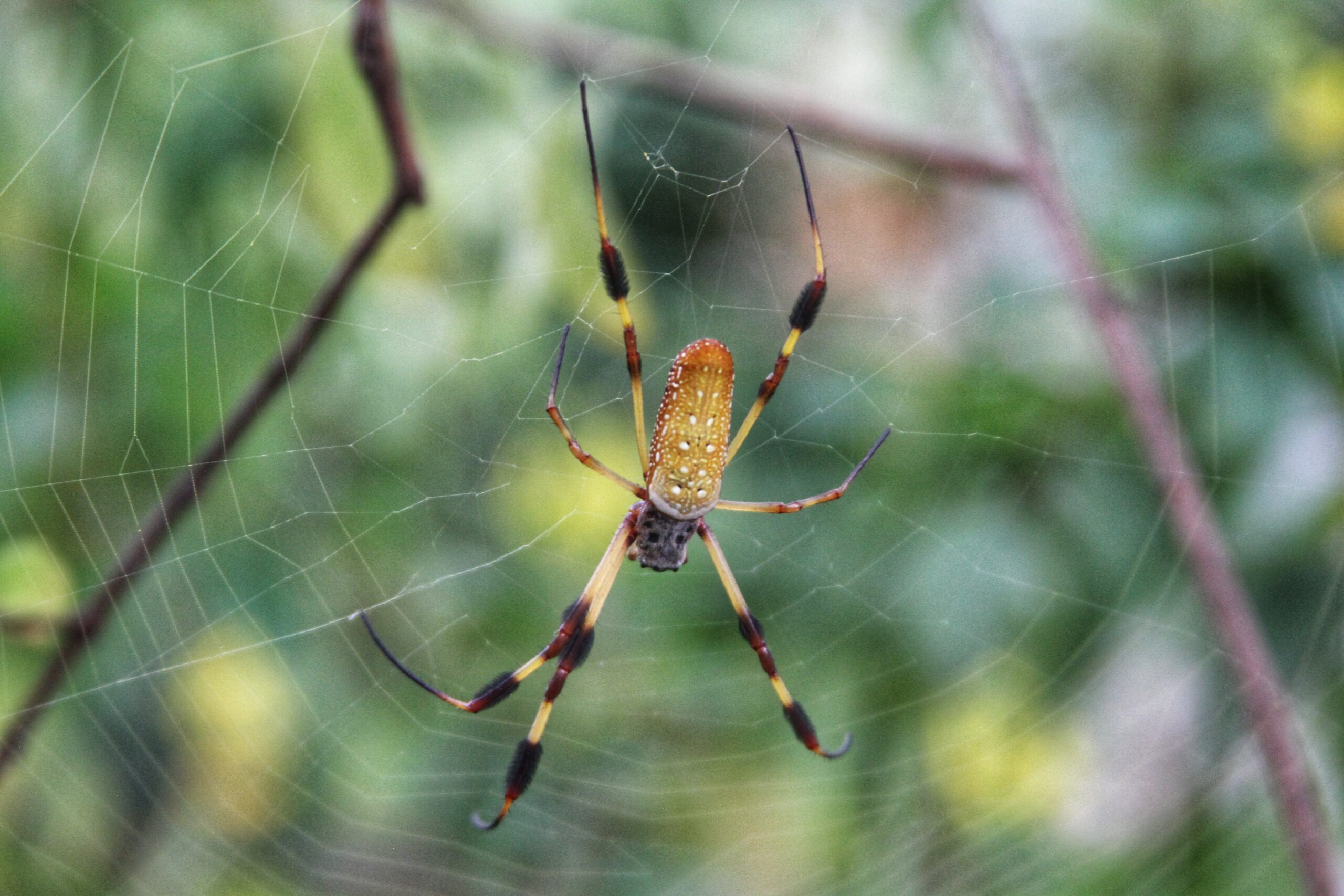
Wati Wanka: La Araña como Sanadora
Wati Wanka, el “hombre araña”, es una figura importante de la cultura y el folclore Aborigen Australiano. Venerado como poderoso y sabio, Wati Wanka se asocia con la curación y la espiritualidad. A través de la narración, las arañas de la cultura Aborigen Australiana representan lecciones vitales sobre la conexión entre las personas y la naturaleza. Información proporcionada por Dr. Zuleyka Zevallos. Obtenga más información en OtherSociologist.com Dato curioso: Históricamente, las tarántulas mexicanas de Red Rump se han utilizado por su veneno como recurso para tratar diversos problemas de salud. Utilizada en las medicinas tradicionales del pueblo Maya Ch’ol en el sureste de México, los curanderos mataban a la araña y luego la trituraban hasta convertirla en polvo para mezclarla con otros ingredientes. Luego se bebió el líquido colado. Hoy en día, se está investigando el péptido venenoso GsMtx-4 para el posible tratamiento de la arritmia cardíaca, la distrofia muscular y el glioma.
Ananse: El Embaucador y el Narrador
El folclore de África occidental nos presenta a un querido personaje araña, Ananse. Ananse, conocido como un astuto embaucador y narrador, utiliza su inteligencia para burlar a los animales más fuertes, impartiendo valiosas lecciones de vida. El nombre “Ananse” en sí significa “araña” en el idioma Akan de Ghana.
Dato curioso: algunas arañas, incluida la Araña de Tela en Embudo Australiana, se involucran en una catalepsia en la que las arañas hembra se hacen las muertas para parecer menos amenazantes para sus parejas. Debido a que muchas especies de arañas practican el canibalismo sexual, quedarse inmóviles con las patas curvadas hace que los machos estén más dispuestos a acercarse a las hembras. —-Como controladoras naturales de plagas, las arañas desempeñan un papel vital en el mantenimiento del equilibrio de la naturaleza, consumiendo insectos que de otro modo podrían abrumar los cultivos y los hogares. Desde los cuentos antiguos hasta la literatura moderna, las arañas se han convertido en símbolos de creatividad, inteligencia e interconexión- hilos tejidos en el rico tapiz de la cultura humana. Ya sea que se las represente como embaucadoras, curanderas o sabias compañeras, las arañas son celebradas a lo largo de la historia en nuestras narrativas culturales, enseñándonos valiosas lecciones sobre la humildad, la paciencia y la intrincada red de la vida. Apreciemos la belleza y la complejidad de las arañas mientras exploramos estas narrativas reflejadas en nuestras identidades sociales y culturales. Para descubrir más sobre estos extraordinarios arácnidos, visite https://butterflies.org/spidersaroundtheworld/. Escrita por Jenna Springberg
Frightening Flora: Just When You Thought You Were Safe in the Garden…
Written by: Amy Yarger, Senior Director of HorticultureHave you ever heard anyone called “fresh as a daisy” or “shrinking violet”? These similes assume plants are harmless, even passive. Humans rely on plants for our oxygen and much of our food, but most of the time, people don’t pay much attention to them. Instead, they perceive plants as a general green haze over the surface of the land- useful and pretty sometimes, but certainly not very interesting! However, the more scientists learn more about plants, the more we understand that plants have ingenious survival adaptations. Plants aren’t mild wallflowers, sitting quietly while animals try to eat them; they use intricate schemes to ensure their reproduction and devious defenses to protect themselves from herbivores, or plant eaters. Pollination is often presented as a win-win for pollinator and plant, but plants aren’t above using deceit and manipulation to spread their genes.
The lip of the orchids in the European genera Ophrys mimics the female of certain ants, bees and wasps (each species lures a different Hymenopteran visitor) through fragrance and appearance. Naive males attempt to mate and get bonked on the head with the pollinia. The mimicry is good enough that males are deceived more than once. The Queen Sago Palm (Cycas circinalis) is originally from southern India but is prized around the world as both a specimen and a landscape plant. But every part of the plant, including leaves and seeds, contain a neurotoxin that, if ingested, may cause symptoms including nausea, uncontrollable body movements, blindness, and death. However, many indigenous people have used this plant as a food plant for centuries, soaking the seeds in water to leech out toxins before pounding into flour. Improper processing of these seeds after World War II led to an outbreak of a variant of ALS (Lou Gehrig’s disease) called “Guam disease”. As food shortages abated, and people were no longer forced to subsist on sago palm, the disease faded away.
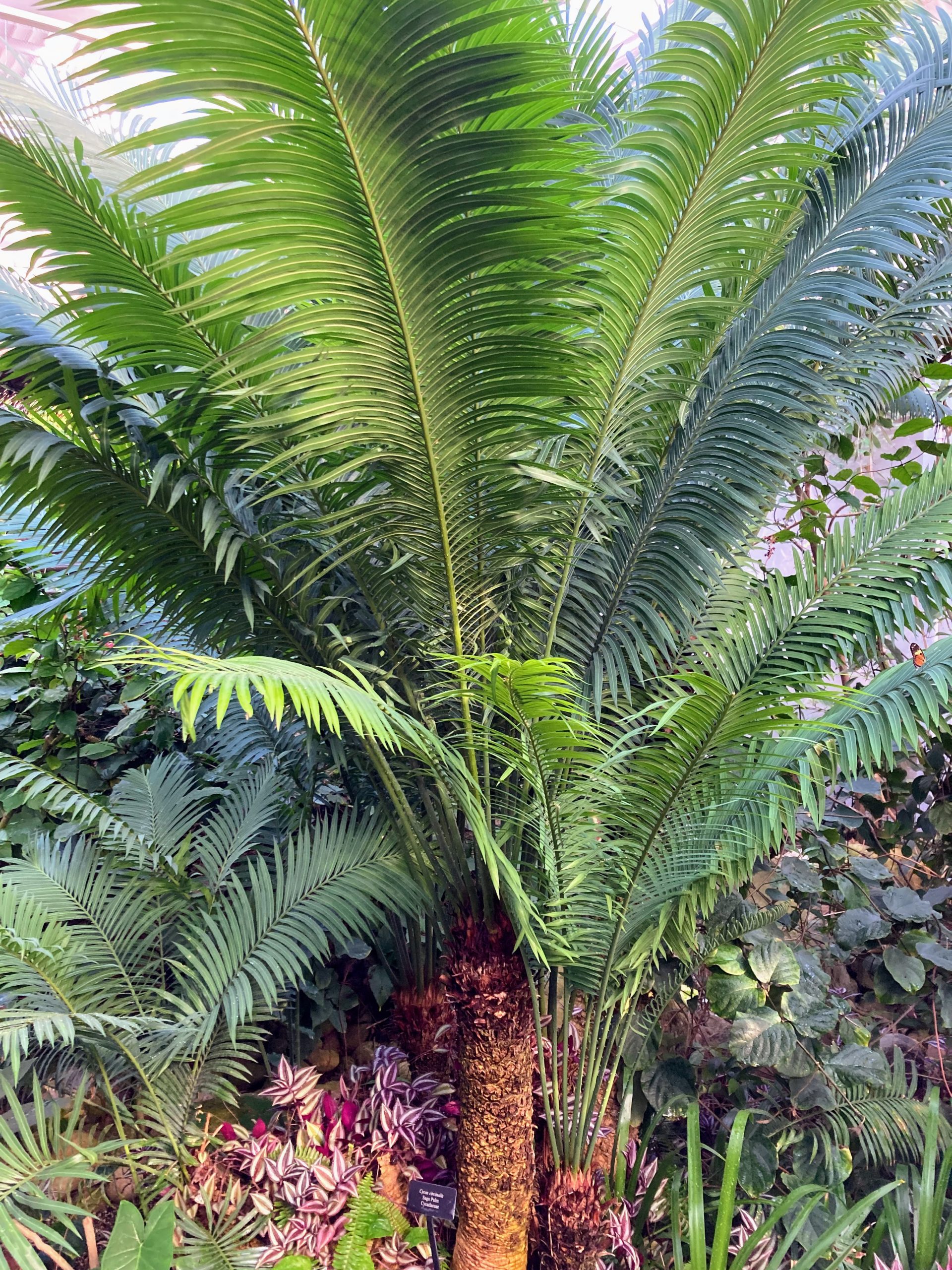
Even the humble philodendron, a popular houseplant, contains calcium oxalate in the leaves, which can cause inflammation and difficulty swallowing if eaten. Calcium oxalate crystals are sharp as tiny needles, which can damage cells and tissue. So, the next time you are feeling a bit hungry, it might be wise to give your houseplants a wide pass! But sometimes, it’s not us eating plants…it’s the other way around! Almost 600 species of plants around the world have the ability to lure, capture and digest animal prey. This adaptation is helpful in places where the soil is low in nitrogen. Some, such as the Venus flytrap, have mouth-like modified leaves that are triggered to close by the movement of insects. Others are more passive. Pitcher plants have nectar glands that attract hungry insects – if they slip too far over the edge, they are digested by a slurry of bacteria, enzymes, and water. These and other botanical terrors have inspired scary stories and movies over the years; part of the thrill comes from something that seems so harmless actually harboring deadly danger. We don’t need to regard these living things as monsters, but let’s not underestimate plants. Instead, we can appreciate them not only for what they provide us, but for the incredible adaptations that allow them to survive a dangerous world.
Weaving Threads of Culture: Spiders in Myths and Folklore
Leer en Español Aquí
As the leaves turn and the days grow shorter, we are reminded of nature’s intricate connections to our lives. Spiders have long been woven into the fabric of storytelling across cultures. As mascots during the Halloween season, their striking beauty has found expression in literature and customs, symbolizing creativity, wisdom, and interconnectedness. In this spirit, we celebrate all invertebrates, especially our eight-legged friends, for their essential role in our ecosystem. Through global stories, we aim to inspire others to confront their arachnophobia and explore the remarkable world of spiders and all they do for our planet. Ultimately, we hope to foster a new appreciation for these invertebrates, encouraging an outlook filled with wonder rather than fear.
Charlotte’s Web
Nursery rhymes “Itsy-Bitsy Spider” and “Little Miss Muffet,” introduce many children to spiders in a playful manner, but they can encourage fearful feelings. In contrast, E.B. White’s Charlotte’s Web features Charlotte, a barn spider, as a symbol of friendship and selflessness. Through her wisdom and patience, Charlotte reshapes perceptions of spiders, showing that spiders can be allies rather than foes. This story uses the wit and intelligence of a spider to highlight important lessons about bravery, compassion, and the intricate nature of communication in relationships.
Fun Fact: Male and female black widows will infuse their silk with sexually specific scents that they use to spin their web. Afterwards, the males will tap on different lines as he explores the web and will sometimes sever different locations on the web to trap the female closer to him
Arachne and Athena: The First Spider
The myth of Arachne from ancient Greece illustrates the duality of spiders. Arachne, a gifted weaver, was known for her exceptional skill but also her pride. Her confidence led her to challenge the goddess of wisdom and crafts, Athena, to a weaving contest. When Arachne triumphed, Athena, enraged by her hubris, transformed her into a spider, condemning her to weave for eternity. This story not only introduces us to the literal “first spider,” but also highlights themes of pride, humility, and the intricate nature of artistry and patience. Arachne’s tale reminds us that while spiders can be seen as symbols of caution, they also embody the beauty and complexity of creation.
Fun Fact: Wolf spiders get their names from wolves because most of them don’t actually weave webs. Instead, they chase and pounce on their insect prey, similar to wolves. Once wolf spiders catch their prey, they either mash it into a ball or inject venom into them, liquifying their organs.
The Jorōgumo: Beauty and Danger
In Japanese folklore, the Jorōgumo is a fascinating yōkai—a giant spider that can transform into a beautiful woman. Opposite to the tale of Arachne, the Jorōgumo transforms into a female form to charm and lure unsuspecting men into her deadly webs. Described as powerful yet dangerous, this duality reflects the need to approach spiders with caution but also appreciate their beauty and elegance. Although she represents a threat, her legacy has made her a beloved figure in literature, kabuki plays, and contemporary media, illustrating the enduring fascination with spiders for being a captivating yet calculated creature.
Fun Fact: The silk of the Joro spider is incredibly strong and has been used traditionally in Japan for making textiles like fishing nets. Their striking yellow and black patterns and red markings make them quite distinct.
Wati Wanka: The Spider as Healer
Wati Wanka, the “spider man,” is a significant figure in Aboriginal Australian culture and folklore. Revered as powerful and wise, Wati Wanka is associated with healing and spirituality. Through storytelling, spiders in Aboriginal Australian culture represent vital lessons about the connection between people and nature. Information provided by Dr. Zuleyka Zevallos. Learn more at OtherSociologist.com
Fun Fact: Mexican Red Rump Tarantulas have historically been utilized for their venom as a resource to treat various health issues. Used in traditional medicines of the Ch’ol Maya people in southeastern Mexico, medicine men would kill the spider, and then crush it into a powder to be mixed with other ingredients. The strained liquid was then drunk. Today, the venom peptide GsMtx-4 is being investigated for the possible treatment of cardiac arrhythmia, muscular dystrophy and glioma.
Ananse: The Trickster and Storyteller
West African folklore introduces us to a beloved spider character, Ananse. Known as a clever trickster and storyteller, Ananse uses his intelligence to outsmart stronger animals, imparting valuable life lessons. The name “Ananse” itself means “spider” in the Akan language of Ghana. Through his adventures, Ananse embodies the importance of wit and resourcefulness, reminding us that strength is not always physical.
Fun Fact: Some spiders including the Australian Funnel Web Spider will engage in catalepsy where female spiders will play dead to come off less threatening to mates. Because many spider species engage in sexual cannibalism, becoming motionless with their legs curled up makes male spiders more willing to approach the females. —-As natural pest controllers, spiders play a vital role in maintaining the balance of nature, consuming insects that could otherwise overwhelm crops and homes. From ancient tales to modern literature, spiders have become symbols of creativity, intelligence, and interconnection—threads woven into the rich tapestry of human culture. Whether portrayed as tricksters, healers, or wise companions, spiders are celebrated throughout history in our cultural narratives, teaching us valuable lessons about humility, patience, and the intricate web of life. Let us appreciate the beauty and complexity of spiders as we explore these narratives reflected in our social and cultural identities. To discover more about these extraordinary arachnids, visit https://butterflies.org/spidersaroundtheworld/.
Written by Jenna Springberg
Written by Amy Yarger, Butterfly Pavilion’s Senior Director of Horticulture Even if the kids are back in school, we are fortunate enough to have a few weeks of pleasant weather left here in the Denver metro area. And we aren’t the only ones enjoying the warm days and last of the season’s flowers. A few hardy pollinators will be with us until the first hard freeze; even a light frost or two aren’t enough to knock them down! So, it’s important to make sure that these amazing pollinators have the food and shelter they need to survive. Just like other pollinators, these insects help to pollinate food crops as well as native plants to keep our ecosystems (and us!) healthy and thriving. Late summer pollinators are colorful and charismatic. Here are some of our favorite late season pollinators from Butterfly Pavilion’s gardens and how you can improve habitat for them.
Colorado soldier beetles (Chauliognathus basalis)
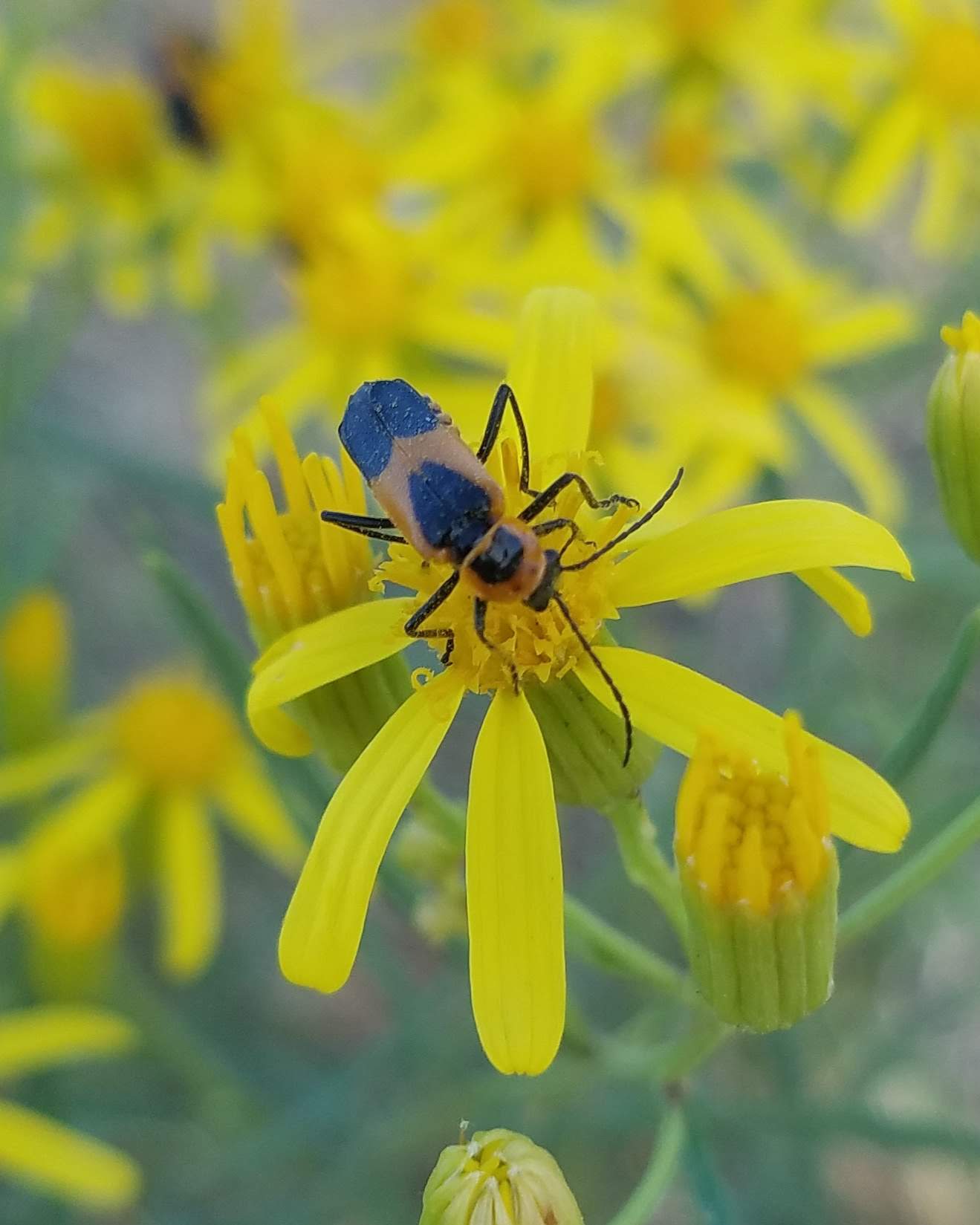
Colorado soldier beetles are about 1 centimeter long, with a narrow body and long, thread-like antennae. Colorado soldier beetles are hard to miss with bold black and golden orange markings, which may vary according to body size and whether the beetle is male or female. This soldier beetle species is found mainly in grasslands on the plains; there are other species more common at higher elevations. If you have any rabbitbrush growing nearby, you are very likely to see these beetles busily chewing pollen and mating. As more people plant native plant gardens along the Front Range, these beetles can live peaceably among us in urban areas, as the true ambassadors of “flower power”. If you’d like to see more Colorado soldier beetles in your own landscape, you can plant more late-season blooming plants, such as rabbitbrush. Avoiding landscaping fabric and leaving last year’s debris in your garden also provides the perfect conditions for soldier beetle larvae, allowing the generations to continue. Then you too can join the Beetle Fan Club and appreciate these unsung local pollinators!
Bee flies (family Bombyliidae)
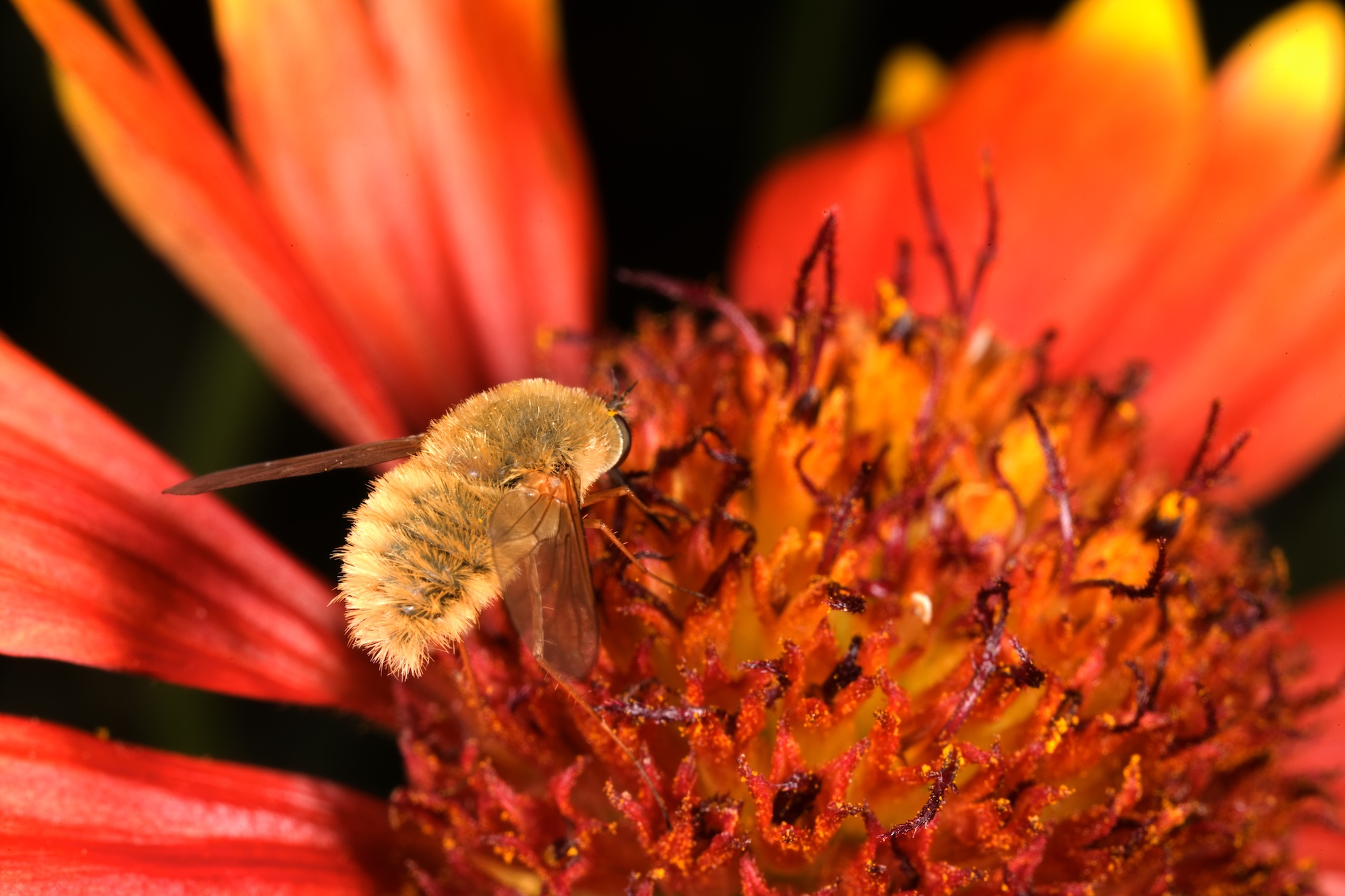
The woolly bee fly, also known as the grasshopper bee fly, is found throughout temperate North America, especially in deserts and grasslands. This species has a round, stocky body, 5-10 mm in length, with fuzzy blond hair and transparent wings. Adult bee flies have long straight proboscises that can’t retract, earning them the nickname “bee-whals”, as in the narwhals of the bug world. Bee flies are adept fliers able to hover and change directions instantly. They often sip nectar without landing on flowers, which protects them from many predators such as ambush bugs and crab spiders. Bee flies are found in open, sunny areas from the foothills to the prairies, and in developed and disturbed landscapes, such as gardens and roadsides. Their active season is mid-summer to mid-fall when their favorite flowers are blooming. They prefer to get their nectar and pollen from plants in the sunflower family, so rabbitbrush, asters, heath asters, sunflowers, and black-eyed Susans are all bee fly favorites. Other ways you can make sure that you enjoy these late-summer visitors is by helping to restore or advocating for our open spaces and native grasslands. Finally, even though grasshoppers can cause quite a bit of damage to your garden, finding ways to manage grasshopper pests without pesticides is going to ensure that these bee flies can pollinate and look cute when we need them to.
Monarch butterflies (Danaus plexippus)
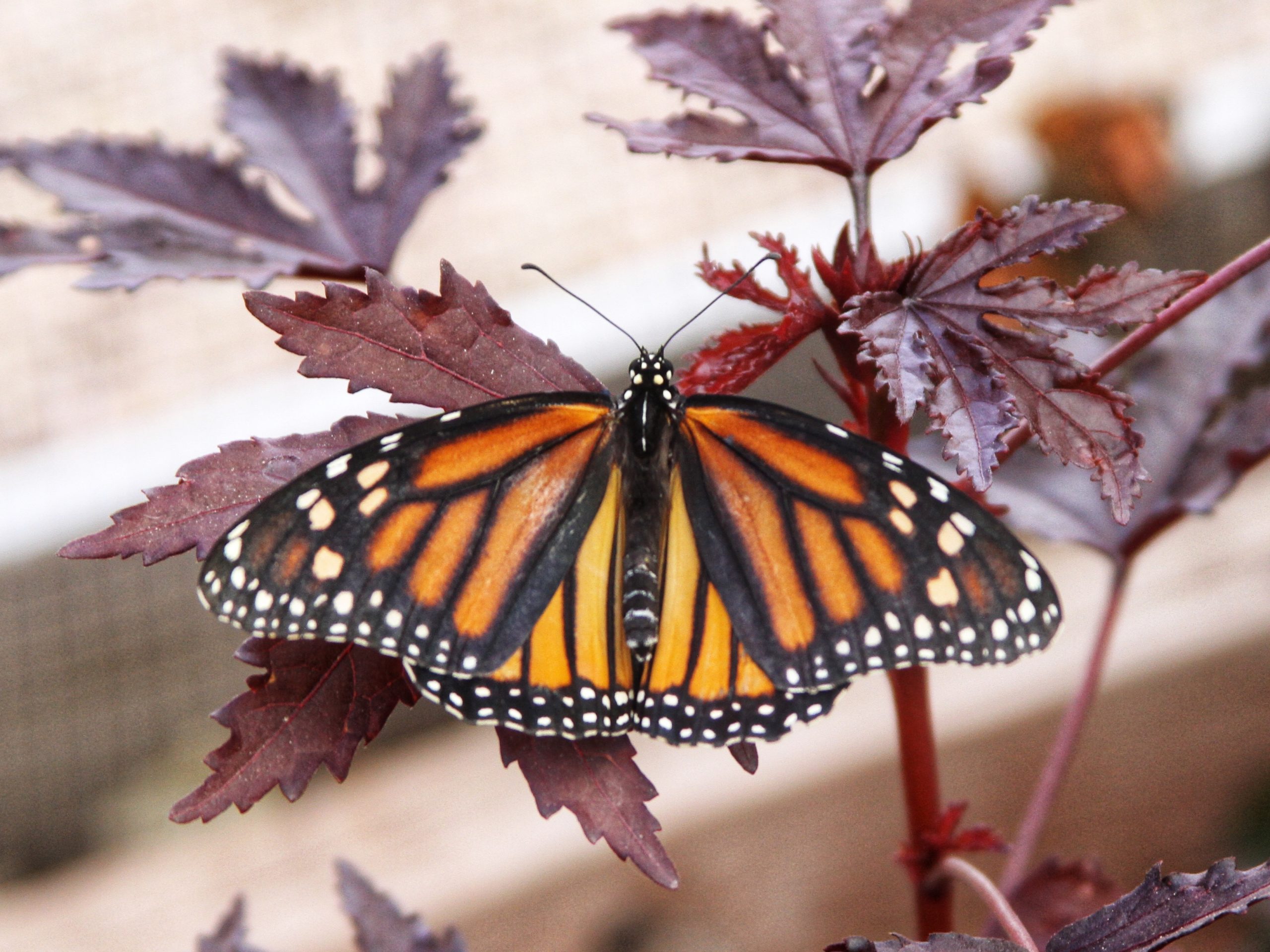
Monarch butterflies are often spotted in the Front Range region during the late summer and fall, although we do not generally see the enormous numbers of monarch butterflies that our neighbors in the Midwest do. However, monarch butterflies do breed here, so it is possible to see the entire life cycle, from caution-tape striped caterpillars to the Halloween-colored adult stage. Monarch butterflies are only one species among over 200 butterfly species found in Colorado, a great reason for us to preserve and restore butterfly habitat. If you would like to help our native butterflies, you have lots of options. You can include native wildflowers, including milkweed for monarchs, in your backyard garden, so that butterflies have food and shelter throughout the year. Many schools, businesses and community centers are also adding habitat gardens. You can contact your local open space and parks department to learn about their pesticide and herbicide use. You can even collect data to share with scientists around the country through Monarch Larva Monitoring Project and MonarchWatch community science initiatives. While the weather is good and flowers are blooming, be sure to get outside and see these late-season wonders for yourself!
Browse for Bugs: What Plants Do Our Insects Eat?
Zoos work hard to make sure their animals are well-fed, and Butterfly Pavilion is no exception. The difference? Instead of giraffes and elephants, we have small and mighty species like leafcutter ants and butterflies. Luckily for our exhibits, Butterfly Pavilion’s horticulture staff doesn’t cut down an entire tree when a single branch will do. Even if the amounts are smaller, feeding invertebrates is still complicated. After all, there are around 400,000 different kinds of plants in the world, and millions of plant-eating insect species. How is a horticulturist to know what to grow? Some insects have a broad appetite for many kinds of plants. Our scavengers, such as cockroaches, like all sorts of plants to snack on. We grow enrichment for them, such as edible flowers, fragrant herbs, and even veggies. By adding new plant fragrances, flavors, and textures to their enclosures, we keep their environments novel and exciting. An overgrown zucchini goes a long way for these insatiable insects! But many of the plant-eating insects we showcase at Butterfly Pavilion are much pickier. These preferences aren’t arbitrary but are related to their interactions with secondary chemical compounds that plants produce to defend themselves. Different insects have different tolerances, so our zookeepers can’t just switch food plants without making sure it is part of that insect’s healthy diet. For example, our stick insects usually like to eat plants related to roses. If you’ve seen blackberries or raspberries growing in our outdoor gardens, these are our main browse crop for those insects. Sometimes, they will nibble on guava or privet leaves, but we usually offer the plants they like the most. Our new leafcutter ants (Atta mexicana) fit into both categories when it comes to choosing leaves for their fungal chambers. Just like many humans, they really like to harvest one plant for a while and then suddenly, they reject it. This habit really keeps the horticulture team on our toes! They seem to like flowers of all kinds, as well as leaves from some of our tropical trees and shrubs, such as skyflower (Duranta erecta) and firecracker plant (Hamelia patens). Part of the fun is watching the leafcutter ants process different leaves and flowers and carry them to different parts of their habitat. Leafcutter ants are selective and look for specific traits when they choose what leaves to harvest for their fungus. They like leaves from woody plants more than herbaceous ones, and fresh tender growth or flowers more than old leaves. They dislike plants with tough or sappy leaves. They especially avoid plants with certain compounds called terpenoids, which are found in everything from eucalyptus to citrus to cinnamon to tomatoes. It turns out that many plants have antifungal properties, which the ants certainly don’t want in their fungal chambers! These observations have led to the development of antifungal medicines for people. So how do we keep track of all the plants our animals like to eat? Our animal care team knows the preferences and specializations of each of our herbivores and lets the horticulture staff know what plants they need. They also track what gets eaten and what gets left on the plate, so that we can shift what plants we’re collecting from week to week. The horticulture team takes care of the plants without pesticides to make sure that the plant material is always fresh, tasty, and healthy for our invertebrates. We grow almost 400 different kinds of plants at Butterfly Pavilion, including our tropical plants in Wings of the Tropics and the plants in our outdoor habitat gardens. The next time you visit, you’ll know that some of these plants are not only interesting to look at but also satisfy the appetites of our amazing animals!
Written by Amy Yarger, Senior Director of Horticulture